REVIEW · RIO DE JANEIRO
Rio de Janeiro: Garganta do Céu Guided Hike
Book on GetYourGuide →Operated by Nattrip Brasil · Bookable on GetYourGuide
A rope-assisted view is Rio’s sweet reward. This guided hike to Garganta do Céu on Pedra da Gávea mixes dense Atlantic rainforest walking with a tougher-than-it-looks ascent and a lookout that frames Rio’s coast like a movie set. You’ll also get stories and local mystery talk while you move, not after.
I really like two things about this experience: the specialist eco-adventure guide who handles safety for you, and the fact that the viewpoints are legit—Guanabara Bay, Ipanema and Leblon, São Conrado, and Barra da Tijuca all show up once you catch your breath. If you pick the right pace, the payoff feels earned, not rushed.
One consideration: this is shorter than the classic Pedra da Gávea route, but it’s steeper. You need solid footing, some comfort with rope/rappelling-style sections, and you shouldn’t expect it to be “easy” if you’re not used to hikes with exposure.
In This Review
- Key things to know before you go
- Why Garganta do Céu feels like Rio’s best viewpoint workout
- The hike up Pedra da Gávea: steeper than the “shorter” label
- What you’ll see at the Garganta do Céu viewpoint
- Descending safely: where the guide’s skill shows
- Atlantic rainforest wildlife and legends along the way
- What’s included, and what you’ll need to bring
- Price and value: $231 for a private group
- How long is it, and what the day feels like
- Weather, safety rules, and packing checklist that actually works
- Should you book the Rio de Janeiro Garganta do Céu Guided Hike?
- FAQ
- How long is the Garganta do Céu guided hike?
- Is this tour private?
- What languages are spoken during the tour?
- Does the price include hotel pickup and drop-off?
- Is food included in the tour price?
- What should I bring?
- Are there any items I’m not allowed to bring?
- Is the hike suitable for people with mobility impairments?
- What’s the difficulty level like?
- What are the cancellation and booking options?
Key things to know before you go
- Steeper, shorter route: less distance, more slope and effort on the way up
- Guide-led safety: procedures and techniques are handled by your guide, not by luck
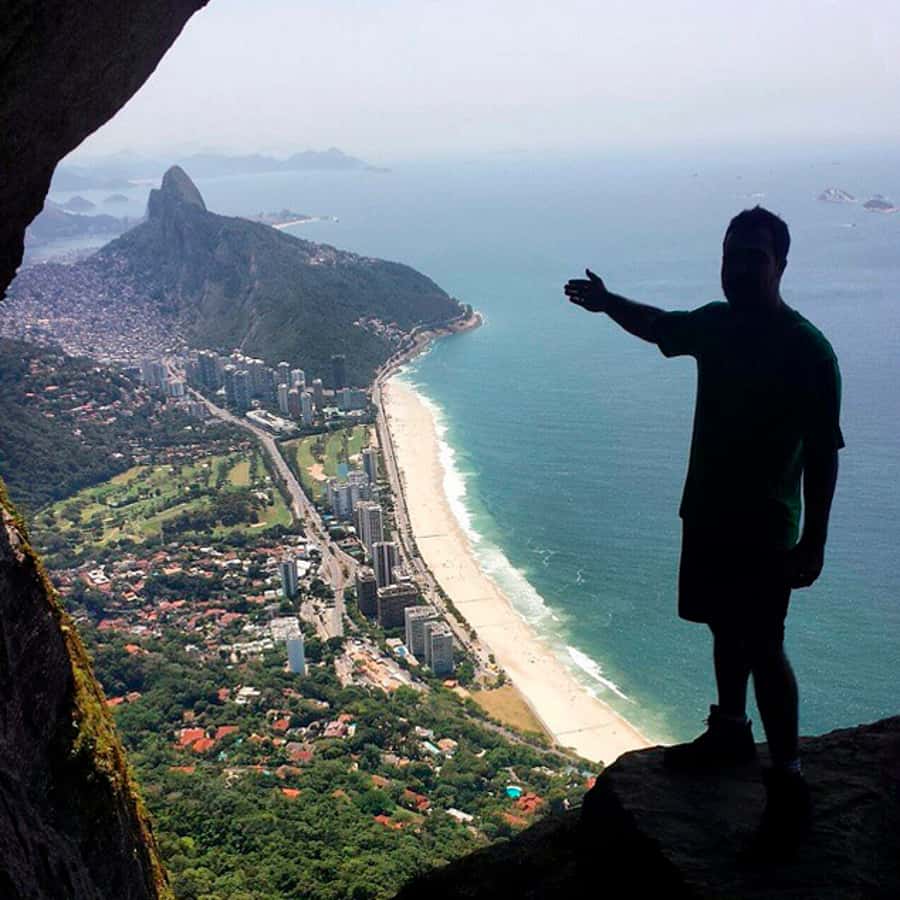
- Big Rio panorama: Garganta do Céu overlooks Guanabara Bay and multiple neighborhoods
- Atlantic rainforest wildlife spotting: keep your eyes open for native animals
- Rope-assisted descent potential: some sections can feel intense for people with vertigo
Why Garganta do Céu feels like Rio’s best viewpoint workout
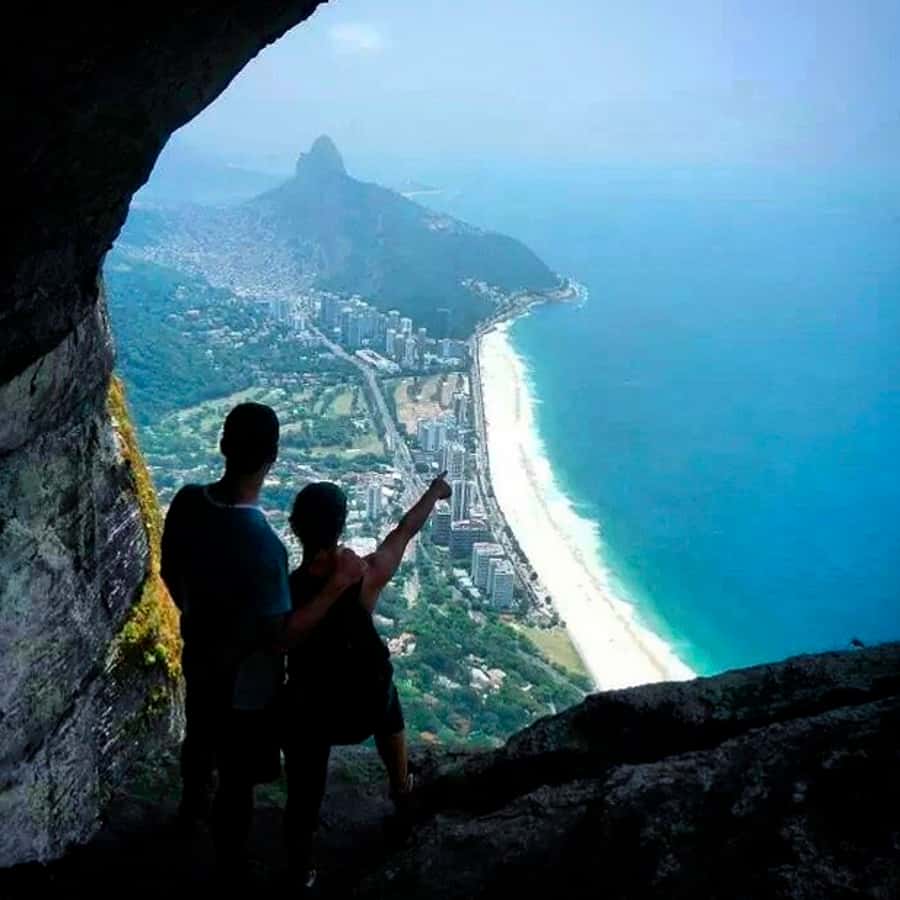
Rio has plenty of famous lookouts, but Garganta do Céu has a specific vibe: you don’t just stroll to a view. You earn it through a steep, forested climb that goes from soft green shade to wide-open exposure once you reach the viewpoint. That shift is part of what makes it memorable. The hike “reads” like a story—forest quiet first, then the city and the bay appear, huge and far-reaching.
This hike is also designed to be guide-forward. You’re not expected to figure out route details or safety steps on your own. The experience centers on having a specialist with you from start to finish, including the descent phases where technique matters. In the reviews, guides like Thomas are described as encouraging and professional, especially when people feel nervous on rope sections. That matters, because confidence is often the difference between finishing calmly and panicking mid-move.
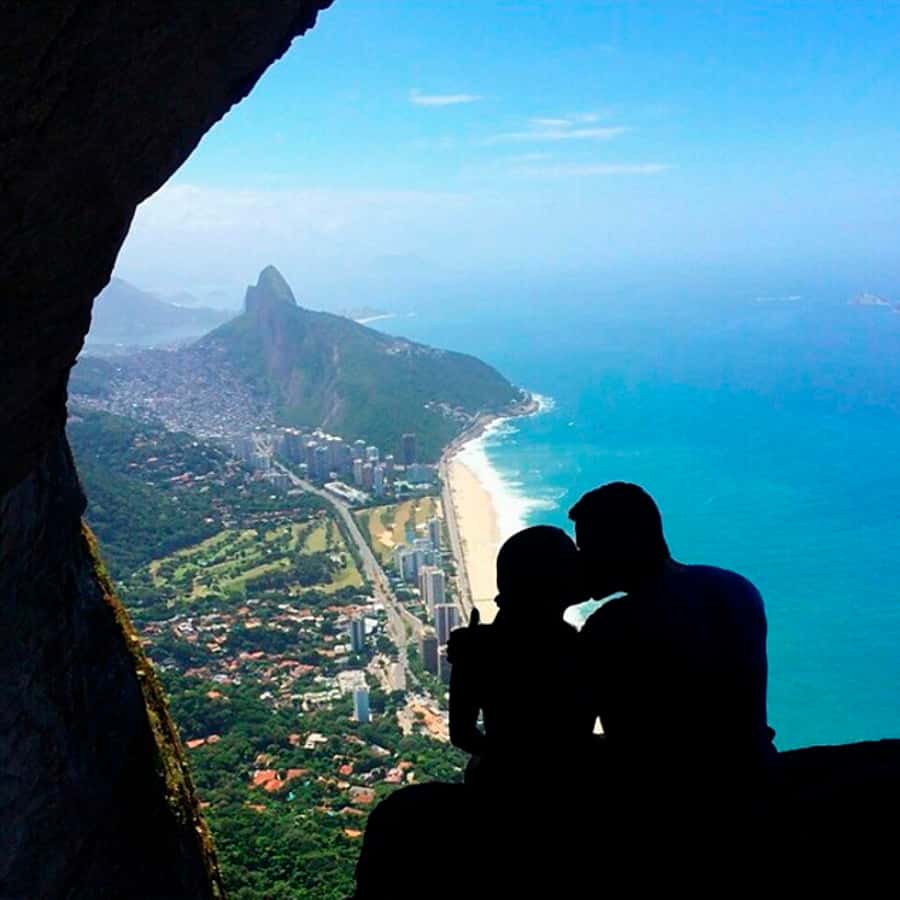
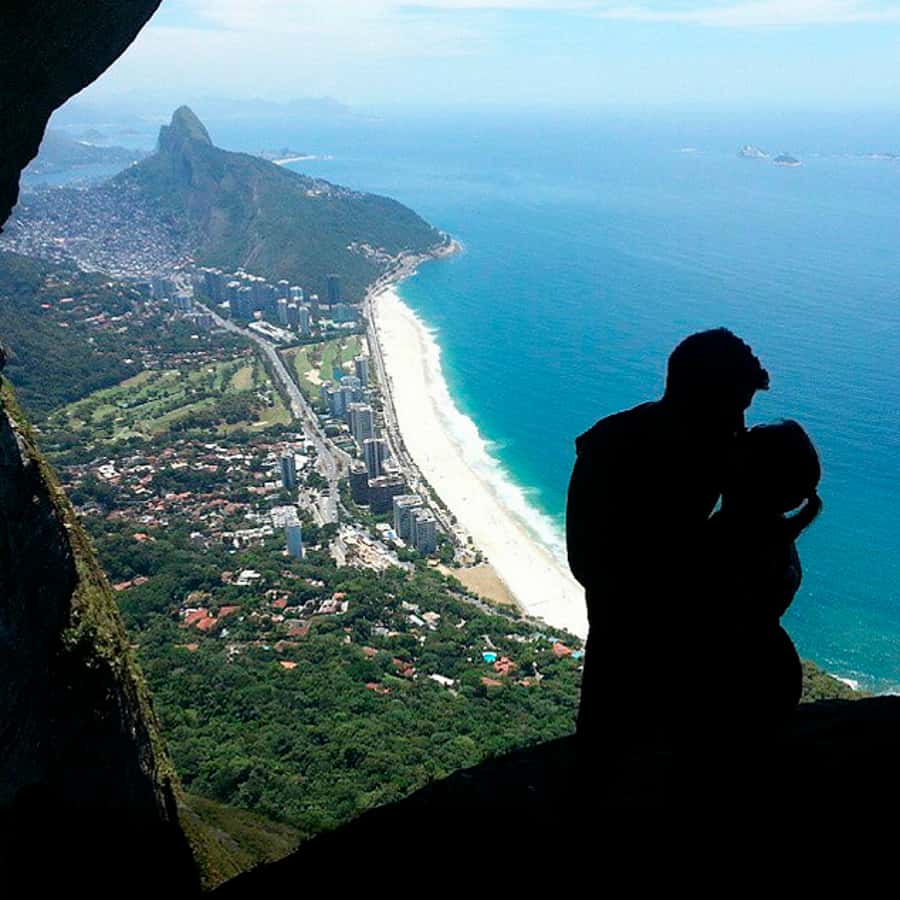
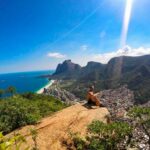
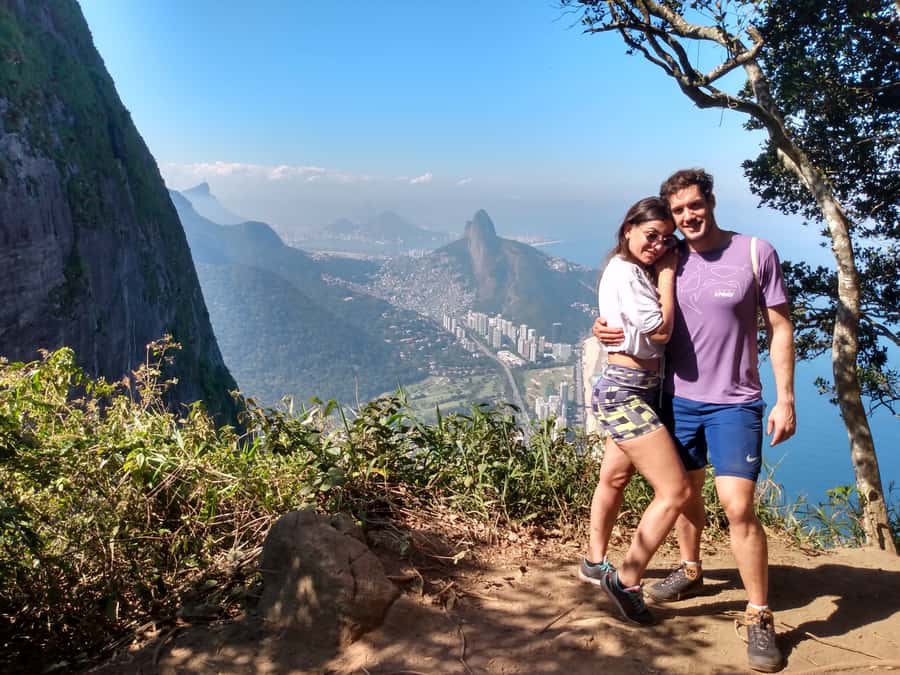
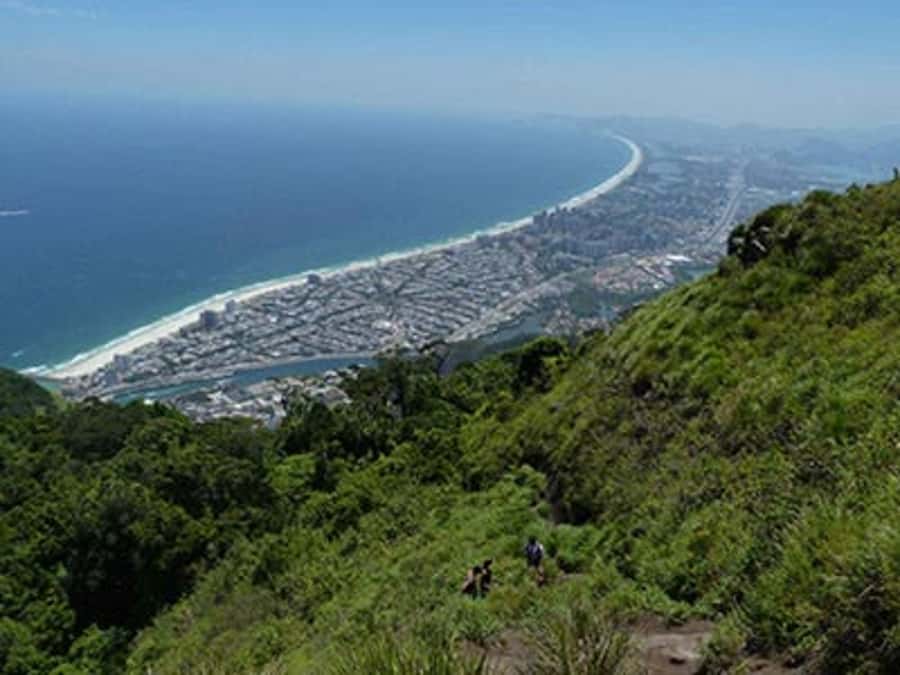
The viewpoint itself is a big reason to care. From the top, you can see Guanabara Bay plus the districts of Ipanema and Leblon, along with São Conrado and Barra da Tijuca. If you like understanding where everything sits in Rio—where the neighborhoods meet the water—this is the kind of perspective that makes the map finally click.
You can also read our reviews of more guided tours in Rio De Janeiro


The hike up Pedra da Gávea: steeper than the “shorter” label
You’ll start with a trek through dense Atlantic rainforest. This matters more than it sounds. Forest walking gives you a chance to warm up your legs and settle your breathing before the harder parts show up. It also sets expectations: you’re moving in a natural, living ecosystem, not a manicured path.
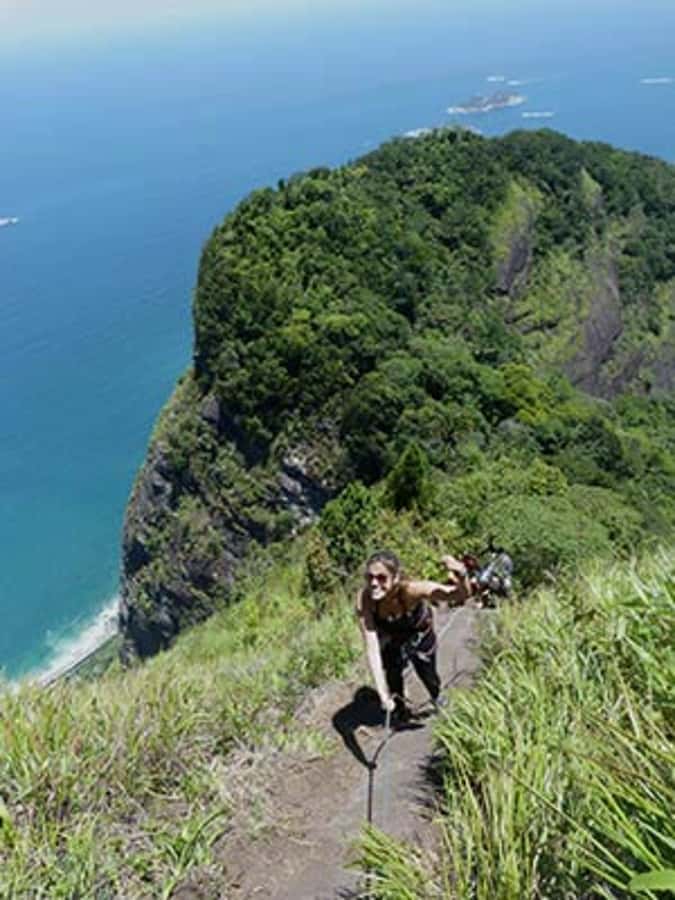
Then comes the part that catches people off guard. The Garganta do Céu route is described as shorter than the traditional Pedra da Gávea trail, but it’s considered more difficult because it’s steeper and requires decent orienteering skills. Even if a guide does the heavy lifting, you’ll still feel the slope under you. Think cardio plus careful foot placement, not a casual hike.
The route choice also changes how you experience the mountain. Instead of long, steady climbing all day, you’ll get concentrated effort—steep sections that ask for consistent pacing. In practical terms, that means you’ll want to keep your movements smooth and avoid “saving it for later.” When the trail tilts, your timing and grip matter.
Your guide provides assistance and supports the group with safety techniques and procedures. That’s the key difference between “physically challenging” and “stressful.” You can still work hard, but you’re not doing it blindly.
What you’ll see at the Garganta do Céu viewpoint
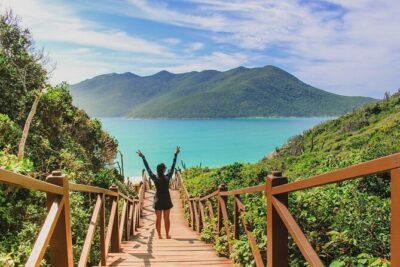
Once you reach Garganta do Céu, you’ll get the moment you came for: wide, high panoramas across Rio. The viewpoint is set up so you can take in major landmarks in one sweep. The bay is central—Guanabara Bay shows the shape of the coastline and how the city spills toward the water. From there, you can spot the districts of Ipanema and Leblon, plus São Conrado and Barra da Tijuca.
I also like how the hike builds in a reset. Before you start the descent, you get time to catch your breath. That small pause is valuable. It gives you a chance to check how you feel, adjust your grip, and calm down your body before the downward work. Going down is often where people start to feel off balance, especially if they’re already tired from the ascent.
The viewpoint is also where the “stories” part of the hike tends to make more sense. When you’re looking across Rio’s geography, it’s easier to understand local legends and mysteries about the land you’re standing on. The experience is framed not just as physical effort, but as a way to learn about the place behind the scenery.
Just keep your expectations honest. This isn’t a sightseeing trip where you spend most of the day standing still. The viewpoint is a highlight, but it’s surrounded by walking time and a return journey. Plan for movement, not a photo stop fantasy.
Descending safely: where the guide’s skill shows
The descent is where confidence can disappear fast—especially if you’re not used to rope-assisted or rappelling-style techniques. One review described the descent as involving climbing down with the rope, and another mentioned rappelling on challenging sections. Translation: expect some parts to feel technical.
Here’s the good news: the guide doesn’t treat the rope work as a do-it-yourself activity. You get all assistance needed, plus safety techniques and procedures. That’s not just comforting; it’s practical. Rope sections demand correct body positioning and timing. Having a guide who manages the group and keeps people calm reduces wasted energy and helps you avoid rushed movements.
The tone reported in the reviews is a strong theme. Guides are described as encouraging and supportive when someone has panic climbing down. That’s exactly what you want in a descent phase. A calm leader helps you focus on the next step instead of spiraling into fear.
If you know you’re prone to vertigo, take it seriously. The hike is rated as requiring good physical condition, and people are advised not to be too subject to heights. You’re not just walking near edges—you’re moving through steep terrain that can feel exposed. Being prepared mentally counts as much as being prepared physically.
Atlantic rainforest wildlife and legends along the way
One of the better promises here is simple: keep your eyes open for native wild animals of the Atlantic rainforest. The chances aren’t guaranteed—nature doesn’t schedule itself for us—but the setting is right for wildlife spotting. You’re in forest cover for part of the hike, which is where birds, small animals, and other life tend to show up if you pay attention.
I like that the guide’s job isn’t only safety. This is also framed as learning the legends and mysteries of the ancient land. That means you’re likely to hear local context while the hike is happening, not a dry lecture before you start. In a place like Rio, stories give shape to what you’re seeing: mountains, bay, neighborhoods, and the rainforest all become connected in your mind.
This combo—walk, look, listen—can make the hike feel fuller. If you’re the type who likes “place knowledge” and not just views, you’ll probably appreciate how the guide weaves themes into the experience.
You can also read our reviews of more hiking tours in Rio De Janeiro




What’s included, and what you’ll need to bring
The included package is unusually useful for an outdoor activity. You get a bilingual eco-adventure specialist guide, the Garganta do Céu hike itself, and personal accident insurance and transportation. If you choose the transportation option, you’ll also have hotel pickup and drop-off for hotels in the touristic zone of Rio de Janeiro.
What’s not included is food and drinks. That means you should bring a light snack and plan your hydration. For this hike, the guidance is clear: bring hiking shoes, a daypack, and water—plus the suggestion to carry 3 liters of water, along with sunscreen and insect repellent. Those items matter because steeper terrain makes you work harder, and rainforest conditions can bring heat and bugs.
You also can’t show up with everything you own. Pets aren’t allowed, and there’s no allowance for luggage or large bags. Alcohol and drugs are also not permitted, and weapons are not allowed; possession of weapons can lead to cancellation. This isn’t just a “rules” thing—it’s part of keeping the group safe during technical climbing sections.
If you like to move light, this fits your style. Pack essentials and keep your daypack simple: water, snacks, sun protection, and the basics for comfort.
Price and value: $231 for a private group
This hike runs $231 per group for up to 1 person (based on the pricing detail provided). That sounds high compared with mass-market city tours, and it is. But with private, specialist-led mountain time, the cost tends to reflect more than just a driver.
You’re paying for:
- a bilingual eco-adventure specialist guide
- safety support and procedures during steeper/technical parts
- personal accident insurance
- transportation and hotel pickup/drop-off if you choose that option
Also, the duration is 8 hours, so you’re getting a full half-day experience with real outdoor movement. You’re not paying for a short walk and a quick view stop. You’re paying for a guided mountain outing where your comfort and safety depend on expertise.
Is it a deal? For the right person, yes. If you want a private setup and you value guided rope techniques, this is the kind of experience where a cheaper option could cost you peace of mind. On the other hand, if you’re budget-first and comfortable handling steep routes yourself, you might decide to save money elsewhere. For most people, though, the guide’s role is the product here.
How long is it, and what the day feels like
The activity runs 8 hours, with starting times depending on availability. In practice, expect a full outing: forest hiking time, ascent effort, viewpoint time, then a return descent back to the base of Pedra da Gávea.
One detail that helps you plan your day: the order of sightseeing may change due to weather or adverse conditions. This is normal in mountain environments. You should be ready for the route to adapt.
It’s also worth noting what kind of people this suits. The hike isn’t listed for people with mobility impairments or wheelchair users. That’s consistent with steep, technical terrain and the possibility of rope/rappelling sections.
If you’re someone who trains for hikes, or you’ve done steep trails before, the 8 hours won’t feel like a mystery. You’ll likely know where your “energy cliff” will be. If you’re less experienced, treat it as a serious cardio-and-technique day. The reviews reinforce that it requires good physical condition, even if it’s shorter than other routes.
Weather, safety rules, and packing checklist that actually works
Mountain hikes in Rio can change quickly, and weather can influence the trail approach and the order of stops. The good mindset is flexible. You’ll have a guide managing conditions, but your body still has to handle the outdoors.
Safety rules are also strict. Alcohol and drugs aren’t permitted before or during the activity, and weapons aren’t allowed. Since the hike includes technical segments, these rules protect the whole group. It’s also why you should treat cancellation conditions as non-negotiable—show up sober and prepared.
Your packing list should follow the practical guidance:
- Hiking shoes with good grip
- Water: guidance suggests 3 liters
- Daypack for essentials
- Sunscreen and insect repellent
- A light snack
And keep your kit minimal. No large bags, no luggage. If you’re used to carrying everything “just in case,” resist that impulse for this outing. It’s a steep hike. Extra weight turns quickly into extra fatigue.
Finally, do yourself a favor and think about mental comfort before you arrive. If rope work makes you panic, tell the guide early. The helpful guides described in the feedback—like Thomas—are the kind that can coach you through fear with encouragement and clear technique.
Should you book the Rio de Janeiro Garganta do Céu Guided Hike?
If you want a Rio viewpoint that comes with real effort, this is a strong pick. I think it fits best when you care about two things: guided safety on steep, technical mountain sections, and a big panorama that helps you understand Rio’s coastline all at once. You’ll also enjoy the rainforest element—especially if you like looking for wildlife in the moment.
You should look for alternatives if you’re dealing with mobility limitations, low tolerance for heights, or you’re expecting an easy nature walk. This hike is steeper than it sounds, and rope/rappelling-style movement can be part of the day.
If you’re booking for the right reason—views, rainforest, and a competent guide to keep you safe—this hike can be the kind of Rio day that sticks. It’s not just scenery. It’s a guided mountain challenge with a payoff that covers much of Rio in a single look.
FAQ
How long is the Garganta do Céu guided hike?
The hike lasts about 8 hours, with starting times depending on availability.
Is this tour private?
Yes. It’s listed as a private group.
What languages are spoken during the tour?
The guide provides live interpretation in Spanish, English, and Portuguese.
Does the price include hotel pickup and drop-off?
Hotel pickup and drop-off are included if you select the transportation option, and pickup is for hotels located in the touristic zone of Rio de Janeiro.
Is food included in the tour price?
No. Food and drinks are not included.
What should I bring?
Bring hiking shoes, water (the guidance suggests 3 liters), and a daypack. Sunscreen and insect repellent are also recommended, and a light snack is recommended.
Are there any items I’m not allowed to bring?
Yes. Pets are not allowed, and you can’t bring luggage or large bags. Alcohol and drugs are not permitted, and weapons are not allowed.
Is the hike suitable for people with mobility impairments?
No. It is not suitable for people with mobility impairments or wheelchair users.
What’s the difficulty level like?
It’s shorter than the traditional Pedra da Gávea trail but considered more difficult because it’s steeper and requires good orienteering skills. Some sections can involve rope techniques.
What are the cancellation and booking options?
Free cancellation is available up to 24 hours in advance for a full refund, and there is a reserve now & pay later option.