REVIEW · RIO DE JANEIRO
Ancient Rio and Santa Teresa Tour with Hotel pick-up and drop-off
Book on Viator →Operated by Rio Carioca Tour Ltda · Bookable on Viator
Old Rio and Santa Teresa tell stories fast. You get a smart mix of Santa Teresa’s hillside charm and downtown Theatro Municipal-level architecture, all timed for a half-day outing. I especially like how the tour frames the neighborhoods as Rio’s past in action, not just postcard views.
One thing to plan for: this is a short-stop tour, and you usually won’t go inside major museums and landmark buildings—you’re mostly there for exterior looks and quick context.
In This Review
- Key Highlights You’ll Feel Right Away
- Why Ancient Rio + Santa Teresa Works in a Half-Day
- Santa Teresa: Mansions, Tile Traces, and a Tram from 1897
- Parque das Ruínas: Laurinda Santos Lobo and the Power of Patronage
- Arcos da Lapa: When Infrastructure Becomes a Neighborhood Shortcut
- Praça XV de Novembro: Imperial Shadows, Civic Buildings, and the Ferry Feeling
- Arco do Teles and Cinelândia: Small Streets, Big Names, Great Photo Minutes
- Museu Nacional de Belas Artes: Read the Facade, Skip the Line
- Theatro Municipal: 1909 Grandeur Without Needing Tickets
- Biblioteca Nacional: The 1810 Founding and the Scale of Its Collection
- Price and Logistics: Is $55 Good Value for What You Get?
- Group Size and Pacing: Why It Can Feel Personal or Rushed
- The Big Day-to-Day Variable: Holidays, Traffic, and When Shops Are Open
- Best Guide Fit: What to Look For and Who This Tour Suits
- Should You Book This Tour?
- FAQ
- How long is the Ancient Rio and Santa Teresa tour?
- What is the price per person?
- Does the tour include hotel pickup and drop-off?
- How big are the groups?
- Are museums and major buildings entered?
- Is lunch included?
- Are entrance tickets included?
- Is the historic tram in Santa Teresa included as a ride?
- Is the tour dependent on good weather?
Key Highlights You’ll Feel Right Away
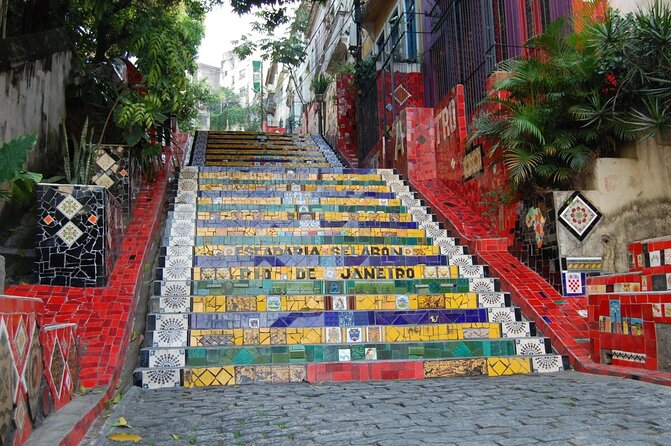
- Santa Teresa mansions + the 1897 tram: a neighborhood built on style, not shortcuts
- Parque das Ruínas: art patron Laurinda Santos Lobo’s legacy, now a cultural center
- Arcos da Lapa: an old water structure turned into a modern transport landmark
- Praça XV and downtown corridors: civic power, imperial-era echoes, and riverside life
- Cinelândia to Teatro Municipal: a photographer’s route through the city’s grand institutional look
Why Ancient Rio + Santa Teresa Works in a Half-Day
This outing is built for people who want Rio’s “serious” side without spending all day in a single neighborhood. You bounce between two very different Rio moods: Santa Teresa’s bohemian slope and the downtown area where the city’s institutions flexed their muscles.
The best part is how the guide ties places together. Santa Teresa isn’t treated as scenery; it’s explained as part of the city’s growth, street by street. And downtown isn’t treated as a checklist; the stops help you understand why Rio looked the way it did at different moments in time.
You can also read our reviews of more tours and experiences in Rio de Janeiro



Santa Teresa: Mansions, Tile Traces, and a Tram from 1897
Santa Teresa is one of those places where the streets feel older than the traffic. You’ll spend about an hour here, with time to admire the neighborhood’s early 1900s mansions and the quieter, painter-friendly vibe that made it a creative magnet.
The big visual hook is the historic tram presence. Santa Teresa still has the tram system that was built in 1897, and even if you don’t ride it on this tour, it adds a real sense of continuity—this neighborhood has been “moving” for well over a century.
Practical note: Santa Teresa’s streets include older, uneven surfaces. Comfortable shoes matter, especially if your day involves multiple quick transitions between viewpoints and sidewalks. One guide, Monica, was specifically praised for working with a guest who had difficulty walking by minimizing distance—so if mobility is a concern, it’s worth telling the operator ahead of time.
Parque das Ruínas: Laurinda Santos Lobo and the Power of Patronage
After Santa Teresa, you shift to a cultural stop called Centro Cultural Municipal Parque das Ruínas. This one is short—around 20 minutes—but it adds an important layer: Rio’s arts weren’t only created by artists. They were supported by people who believed art deserved space and resources.
The key story here is Laurinda Santos Lobo, described as a preeminent female art supporter. Her home is now a cultural center, so you get a sense of how a personal base of influence can become a public resource.
What you’ll likely notice is the mood change. Santa Teresa feels like a creative neighborhood. Parque das Ruínas feels like the reason that creativity had room to grow in the first place.
Arcos da Lapa: When Infrastructure Becomes a Neighborhood Shortcut
Next comes Arcos da Lapa, the famous arches that once supported water transport and now function as a lively link for daily movement between areas. You’ll have about 30 minutes here—enough time to take in the structure, then look around as people use it as part of their routine.
This stop works because it shows Rio’s habit of reusing and reshaping. The arches aren’t just “old stuff.” They’re described as playing a role in how residents get around between Santa Teresa and downtown.
Time-wise, it’s a classic photo-and-sense-of-place stop. Don’t plan to linger for a long meal nearby, and do use the time to look for how locals are actually passing through the area.
Praça XV de Novembro: Imperial Shadows, Civic Buildings, and the Ferry Feeling
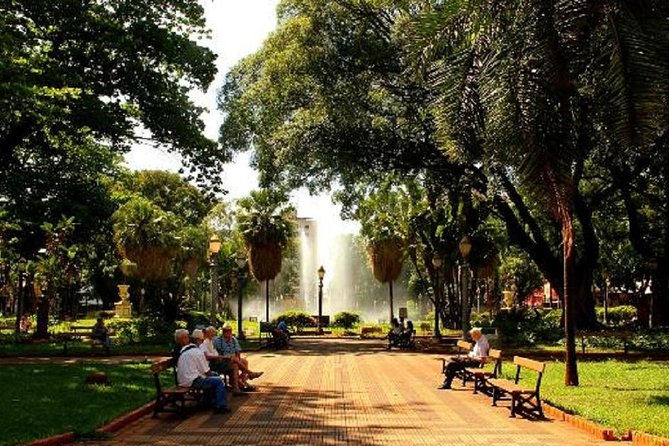
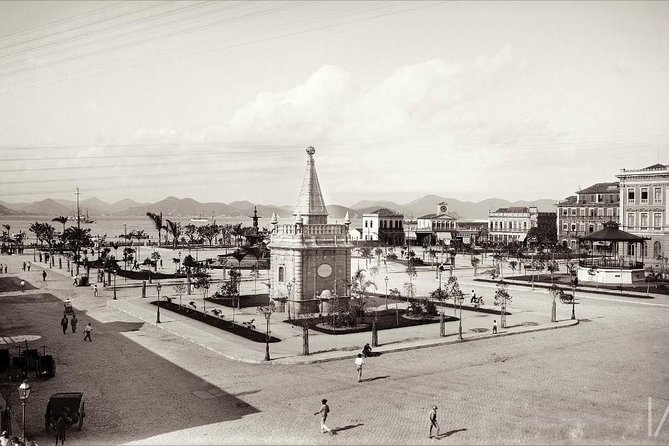
You’ll spend around 30 minutes at Praça XV de Novembro, in the historical center. This square sits in a power-and-history zone, surrounded by buildings tied to governance and the imperial era.
The descriptions call out a few big names around the square:
- Palácio Tiradentes
- The Legislative Assembly of Rio de Janeiro
- Paço Imperial
There’s also a practical modern function: the Praça XV Station area serves as a ferry terminal for destinations around Rio and Niterói. That mix—formal buildings next to everyday transport—gives the square a real-city feel, not museum-only energy.
If you like walking photos, stand where you can capture both the civic facades and the movement implied by the ferry area. It helps you understand why this part of town mattered.






Arco do Teles and Cinelândia: Small Streets, Big Names, Great Photo Minutes
Downtown shifts again for Arco do Teles. You’ll have about 20 minutes, and the emphasis is on atmosphere: small streets and alleys lined with bars and small restaurants. It’s the kind of place where Rio feels social and immediate, even on a short stop.
Then you move to Cinelândia, about 30 minutes. Cinelândia is a famous square with historic buildings around it, and it’s built for photos. This is the “look at the architecture” moment—when you appreciate how Rio’s civic and cultural life showed itself in grand, recognizable forms.
I like Cinelândia because it’s easy to understand from street level. Even without going inside anything, the scale and symmetry tell you what kind of city Rio wanted to be during modernization and expansion periods.
Museu Nacional de Belas Artes: Read the Facade, Skip the Line
You’ll pass by the Museu Nacional de Belas Artes building for a short exterior look (about 10 minutes). The architecture details are part of the experience here.
The building was designed in 1908 by architect Adolfo Morales de los Rios, intended to host the National School of Fine Arts—described as heir to the Imperial Academy of Fine Arts. It also ties into a modernization push in the then Federal Capital under mayor Pereira Passos.
The key is simple: you don’t enter this museum on the tour, so treat this stop like an architecture primer. Look closely at the style choices and imagine what the city was signaling at the time: education, culture, status, and permanence.
If you’re the type who hates rushing through interiors, you may actually like this format.
Theatro Municipal: 1909 Grandeur Without Needing Tickets
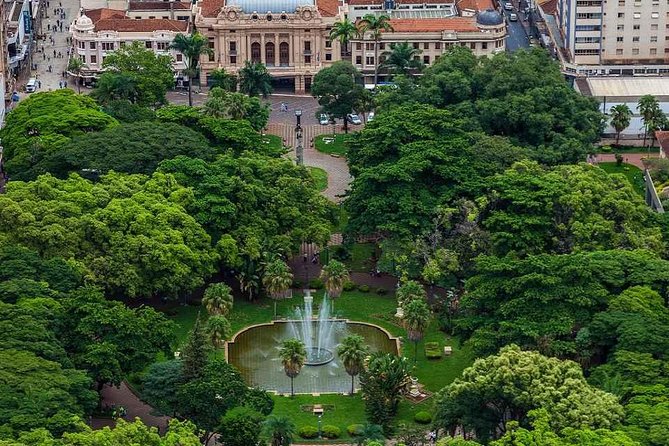
Next is the Theatro Municipal do Rio de Janeiro, also an exterior-focused stop of about 10 minutes. It was inaugurated in 1909 and is described as one of the most important theaters in Brazil and Latin America.
Even without entering, you get a worthwhile lesson in what makes this institution special. The tour description highlights that since the 1930s, the theater has maintained artistic independence. It’s also noted as the only Brazilian institution with its own choir, symphony orchestra, and ballet company.
Why this matters for you: if you’re walking downtown for the first time, it’s hard to “feel” how seriously Rio took performing arts. This stop helps you connect grand architecture to a long-running cultural machine.
Biblioteca Nacional: The 1810 Founding and the Scale of Its Collection
The last downtown anchor is the Biblioteca Nacional, again about 10 minutes and no entry. The tour frames it as the biggest library in Latin America, founded in 1810 by D. João VI of Portugal.
What grabs attention is not only the size of the building, but the sheer scale of the collection: almost 9 million items are described, including rare books, manuscripts, original letters written by Princess Isabel, and early newspapers. It also points to two copies of the Mainz Psalter Bible printed in 1492.
On a short tour, it’s easy to treat this like a quick photo stop. But the numbers give it weight. This is a place where Rio’s story connects to empire, printing, and the long route of knowledge across centuries.
Price and Logistics: Is $55 Good Value for What You Get?
At $55 per person for about 4 hours, the value is mostly in three things:
- Hotel pickup and drop-off (huge in a city where planning transit can eat time)
- Air-conditioned vehicle, which matters in Rio heat
- A guided route that connects neighborhoods that otherwise take effort to stitch together
You’re also getting a smart mix of stops where many entrances are listed as free, while the tour itself specifically notes that you won’t enter certain museums and landmark buildings. Some sights list admission as not included, but the overall format stays focused on seeing and learning quickly rather than paying for a bunch of timed tickets.
What isn’t included: lunch, and entrance to museums isn’t part of the plan. If you want a full day, plan an early snack before you go, and keep a flexible lunch plan afterward.
Group Size and Pacing: Why It Can Feel Personal or Rushed
This tour runs in small vehicles—up to 19 travelers per minivan, with the overall activity capped at a higher number. That small-group structure is part of why people praise the guides: there’s room for questions and for the guide to steer attention where it’s needed.
Still, the pace is real. Many stops are timed at 10–30 minutes, and the tour doesn’t promise extended downtime at any single point. Some people love that structure. Others want more time to linger, especially around places like Santa Teresa’s streets or when a stop is more about atmosphere than a specific landmark.
If you prefer slow travel, you may want to treat this as a first look tour. Then schedule a return on your own later for a second pass.
The Big Day-to-Day Variable: Holidays, Traffic, and When Shops Are Open
Rio changes mood on major dates. The experience can feel different on days like New Year’s Day or during Carnival, because closures and traffic can disrupt the schedule.
For example, one guide experience noted that on New Year’s Day, shops and handicraft stores in the city center and Santa Teresa were closed. Another mention warned that Carnival traffic can cause delays and make the return ride less pleasant.
So here’s my practical advice: if you can choose, aim for a quieter weekday or a day when you expect streets to be active and shops to be open. One set of experiences specifically recommended going on a Sunday because the downtown area can be quieter early.
Best Guide Fit: What to Look For and Who This Tour Suits
A good guide can turn this into a story you remember. Based on guide names that have shown up in successful experiences—Renato, Wagner, Dario, Roger, Romeu, and Monica—the common thread is strong storytelling with clear explanations.
Here’s what I’d look for in a guide fit:
- If you care about how places connect (Santa Teresa to downtown), someone like Renato or Roger has been praised for tying explanations together.
- If you want someone energetic, Wagner and Romeu show up in positive feedback for that tone.
- If you have walking constraints, Monica’s approach was praised for minimizing walking distance.
This tour suits you best if:
- You want a first-time overview of Rio’s historical center and Santa Teresa
- You like photos, architecture, and guided context
- You prefer a compact half-day plan with pickup handled
It may not suit you as well if:
- You need long time in one neighborhood
- You require frequent rest stops
- You expect museum interiors or a tram ride as part of the package
Should You Book This Tour?
Book it if you want the fast-track to two of Rio’s most character-filled areas—Santa Teresa and the historic downtown core—with a guide who helps you connect the dots. At $55, the hotel pickup and structured route make it a good value, especially if you’d otherwise spend time figuring out transit and “what to see” order.
Hold off or add flexibility if you’re aiming for long museum time, an included tram ride, or a slow wandering day. This is a tour about seeing and learning efficiently, not lingering all day.
If you’re coming for a short stay, this one can help you decide what to revisit—without wasting your whole trip on logistics.
FAQ
How long is the Ancient Rio and Santa Teresa tour?
It runs about 4 hours, approximately.
What is the price per person?
The price is $55.00 per person.
Does the tour include hotel pickup and drop-off?
Yes. It includes pickup from your hotel area (starting point listed) and returns you back to the meeting point.
How big are the groups?
It’s capped at a maximum of 19 travelers per minivan.
Are museums and major buildings entered?
No. The descriptions say you do not enter places like the Museu Nacional de Belas Artes, Theatro Municipal, and Biblioteca Nacional. You spend time enjoying architecture aspects.
Is lunch included?
No. Lunch is not included.
Are entrance tickets included?
Some stops are free, but several items note admission tickets not included. The tour also specifies you do not enter some museums.
Is the historic tram in Santa Teresa included as a ride?
The tour description highlights that Santa Teresa still has the tram built in 1897, but the tour format does not include a tram ride.
Is the tour dependent on good weather?
Yes. It requires good weather, and if it’s canceled due to poor weather you’ll be offered a different date or a full refund.