REVIEW · RIO DE JANEIRO
Rio: Favela Rocinha Tour with Local Guide & Secret Spots
Book on GetYourGuide →Operated by RIO AS A LOCAL TURISMO LTDA · Bookable on GetYourGuide
Rocinha is Rio’s real story. This Favela da Rocinha tour takes you off the standard sights, starting at the São Conrado/Rocinha metro (exit A) and moving through the community with local guidance, motorcycle transport, viewpoints, and a capoeira moment.
What I like most is the small group size (up to 10) and the way the tour builds around cultural stops, including capoeira and samba, explained by people who live there.
One thing to plan for: the tour involves walking and extra cash for add-ons (not everything is bundled, especially motorbike taxi and secret-spot visits), so bring enough bills and change.
In This Review
- Quick takes before you go
- Meeting at São Conrado: Where this Rocinha tour starts and why it matters
- The motorcycle ride up and the walk back down: pace, views, and comfort
- Favela Rocinha with a local specialist: what you’re really learning
- Capoeira and samba moments: culture you can understand, not just watch
- Viewpoints and secret spots: the payoff and the budget reality
- Guides in the real world: English support, local connections, and names to look for
- Price and value: is $43 really fair for a Rocinha experience?
- What to bring (and what to stop stressing about)
- Who this tour is best for in Rio (and who should skip it)
- Should you book the Rocinha Favela Tour with a local guide?
- FAQ
- Where is the meeting point for the tour?
- How long is the Favela da Rocinha tour?
- What languages do the guides speak?
- What is included in the tour price?
- What extra fees should I expect to pay in cash?
- Is there flexibility with booking and cancellation?
Quick takes before you go
- Small group, max 10 people keeps questions possible and the pace calmer.
- Capoeira and samba presentation gives you context beyond photos.
- Motorcycle ride + guided walking helps you see Rocinha’s layout without turning it into a long hike.
- Secret spots are real add-ons (extra fee), so budget a bit more than the headline price.
- Local guide experience matters; you’ll often hear history and daily life through local names like Gisele, Malu, Jade, Antonio, Felipe, Nicolas, and Yan.
- Exclusive photos included is a nice bonus if you want fewer phone attempts and better shots.
Meeting at São Conrado: Where this Rocinha tour starts and why it matters
This tour meets at Metrô São Conrado / Rocinha (Saída A), right in front of exit A. That detail sounds basic, but it’s a big deal in Rio: getting lost before the tour starts can turn a calm afternoon into stress. The operator asks you to send a quick text via WhatsApp or SMS the day before, which helps the guide team confirm timing and reduces the guesswork.
You should plan to arrive a little early, stand where the guide can easily spot you, and keep your attention on the meeting spot rather than roaming nearby. With a small-group tour, the whole day depends on everyone showing up together.
Language-wise, you can expect English, Portuguese, and Spanish support from a live guide. In practice, that makes a difference for favelas tours: you’ll be able to ask real questions instead of nodding at big words.
You can also read our reviews of more guided tours in Rio De Janeiro

The motorcycle ride up and the walk back down: pace, views, and comfort
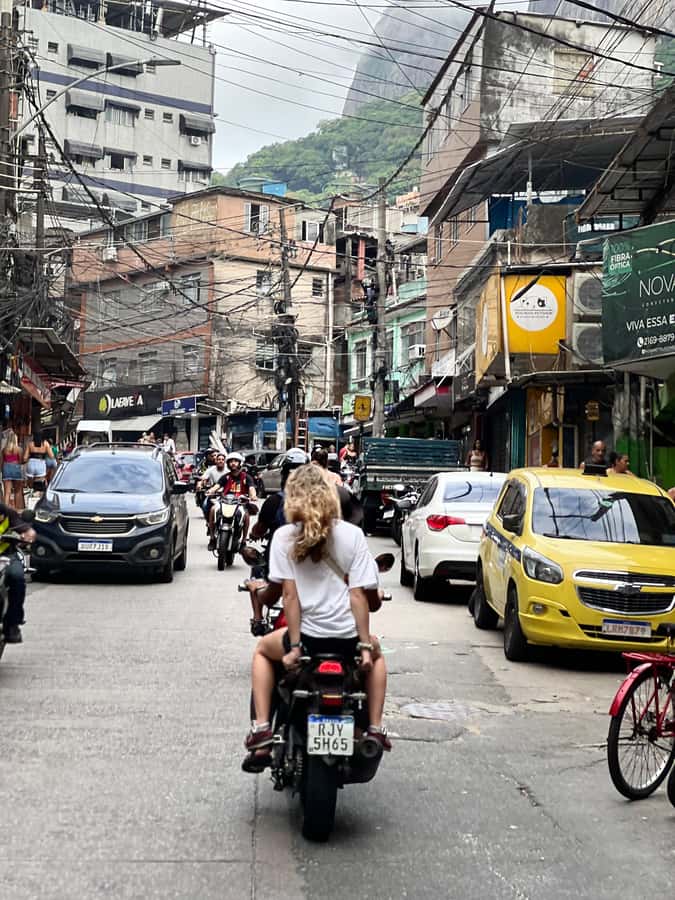
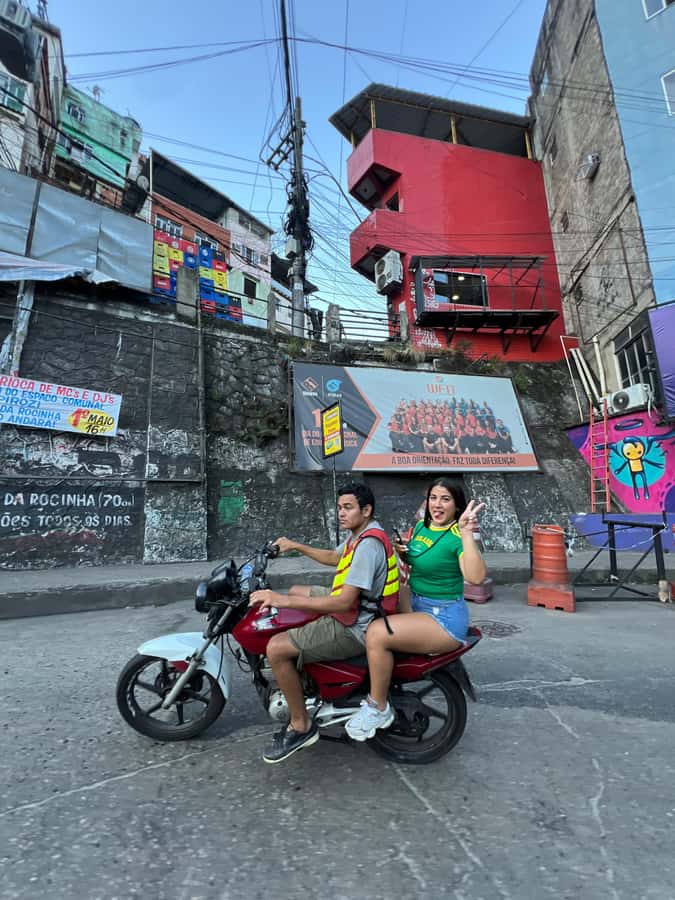
A big part of this experience is transport inside Rocinha. After meeting at the metro, you’ll get a guided outing that includes time on a motorcycle for an exciting ride through winding alleys, followed by walking through the community and stopping at local spots.
Why I think this works: motorcycle transport helps you cover steep, tight parts of the favela without exhausting your legs before you even get to the cultural stops. Then, when you walk, you get the chance to look closely, ask questions, and understand how people move through daily life.
Still, plan your body for a real neighborhood walk. Wear sportswear and sneakers. If weather is bad, the guidance is to bring rain gear. Even if it’s not raining, shoes with good grip matter on uneven streets.
Safety is handled through the guide’s routine and constant awareness. Many guests highlight that they felt secure when staying close to the guide and following instructions. That doesn’t mean “no risk exists.” It means you’re not wandering off-script. Treat this like a guided visit, not a self-guided adventure.
Favela Rocinha with a local specialist: what you’re really learning
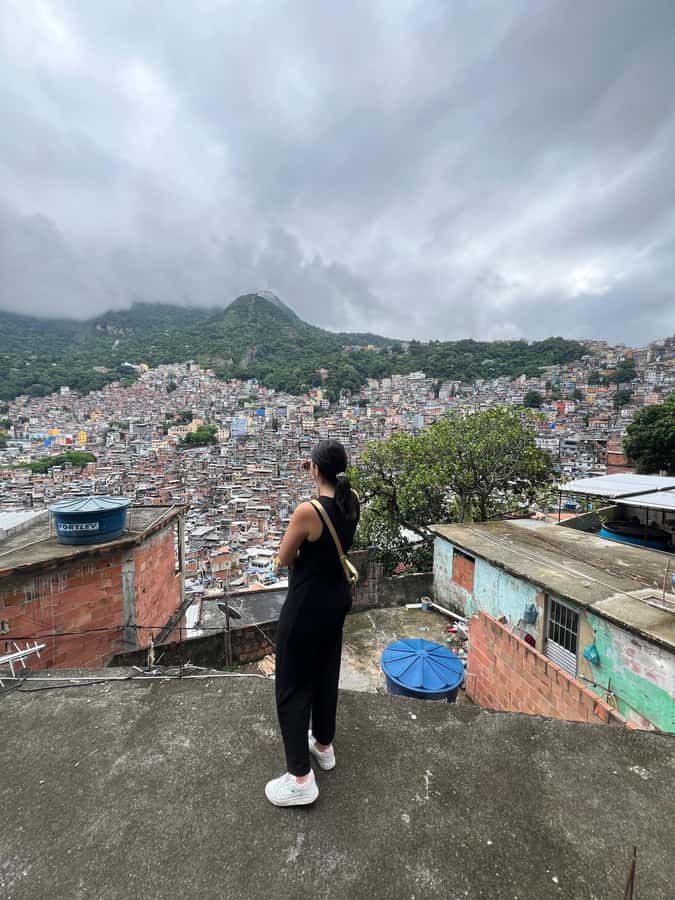
Once you’re in the favela, the tour becomes a guided walk with frequent context: history, what life looks like day to day, and how local projects and businesses fit into the neighborhood.
What I like about this structure is that it doesn’t treat Rocinha like a theme park. Instead, the stops focus on people and practical realities: community spaces, local places you can’t find from a postcard, and stories that explain why the area is the way it is.
The tour also includes a favela access fee, which is a small line item that often signals something important: you’re not just “walking through.” There’s an organized permission and route element that helps keep the experience orderly.
In the best moments of the tour, you’ll feel like you’re being introduced to Rocinha’s rhythm rather than being shown a list of attractions. Guests often mention learning how stereotypes don’t match reality, and that’s exactly what you should come looking for: the correction.
Capoeira and samba moments: culture you can understand, not just watch
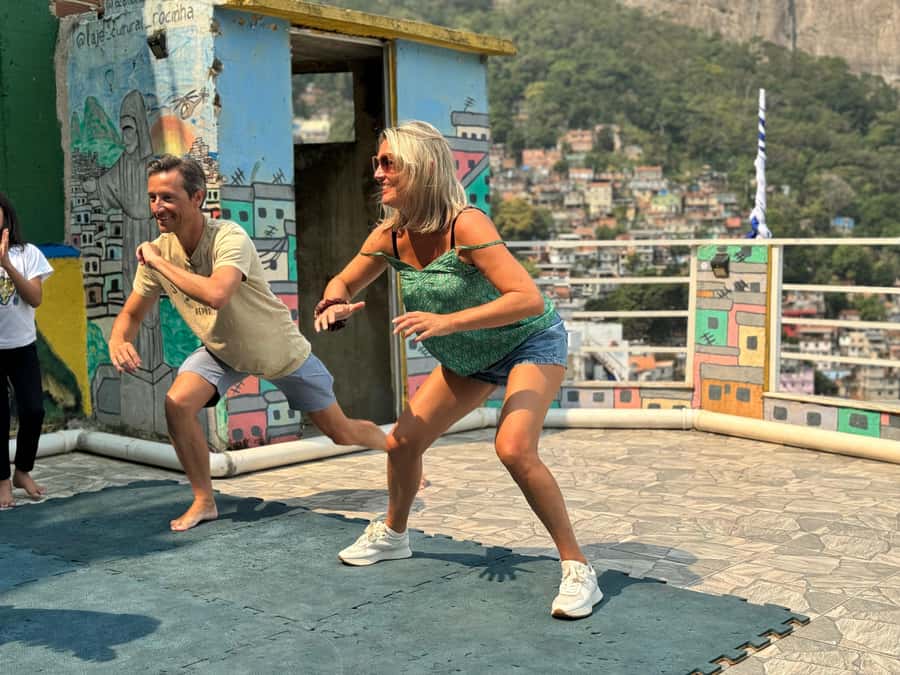
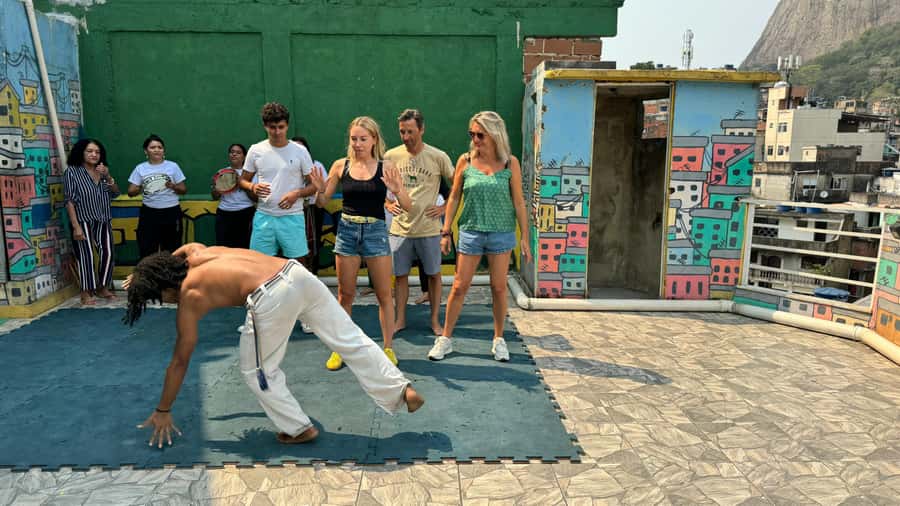
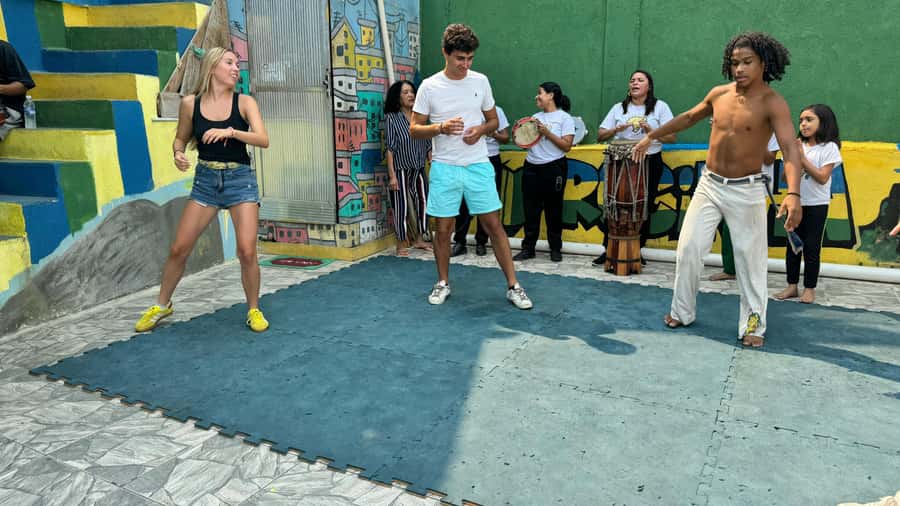
This is not a silent walk with vague commentary. You’ll watch a brief presentation of capoeira and samba as part of the experience.
Capoeira is easier to grasp when it’s explained in person and tied to community life. Samba, too, makes more sense when you hear it as part of culture rather than a performance pulled from somewhere else. When these moments are done right, they give you a frame for how people express identity, resilience, and community through art.
And pay attention to the guide’s framing. Different guides often connect the dance and martial art to different parts of Rocinha’s story. Some guests specifically mention their guide being energetic and fun while also answering questions in detail. That combination is what makes a cultural stop land.
If you care about music and movement as living culture, not museum content, this is one of the key reasons the tour earns high marks.
Viewpoints and secret spots: the payoff and the budget reality
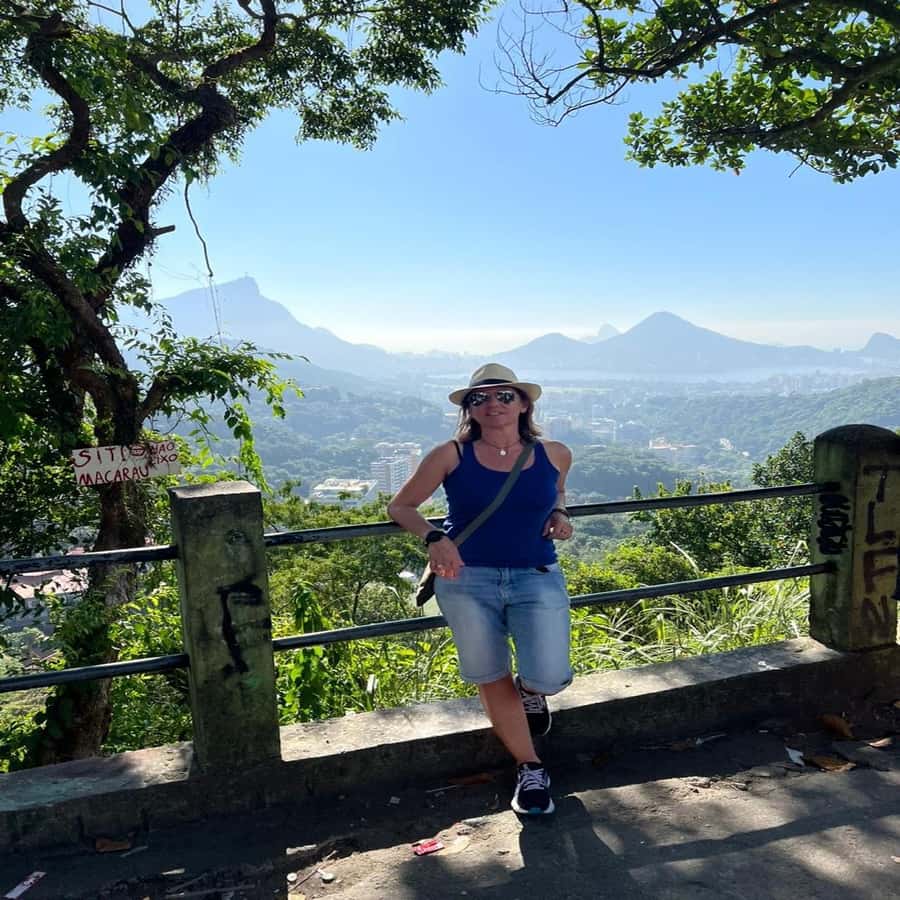
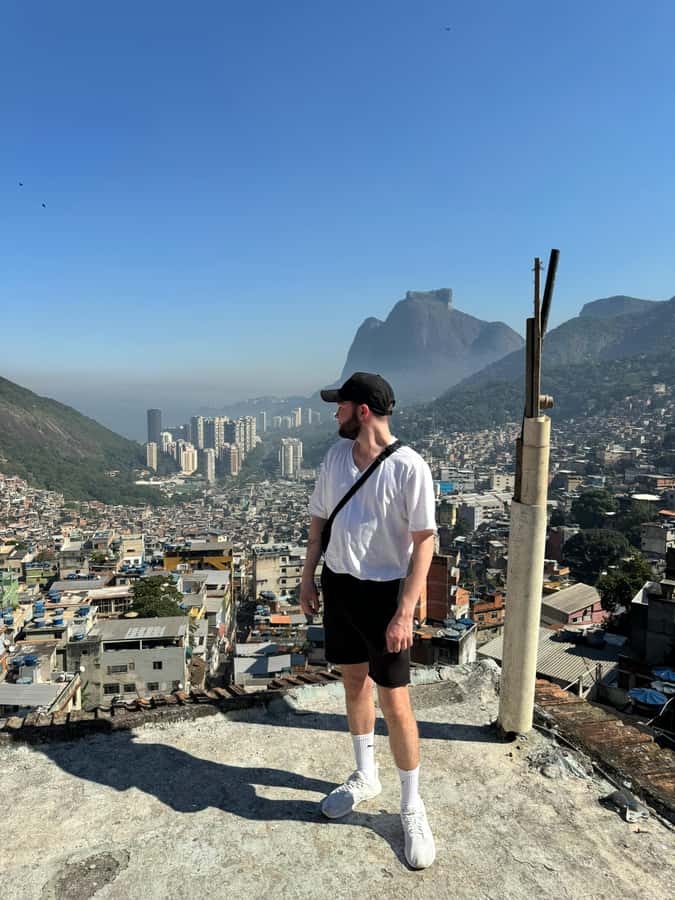
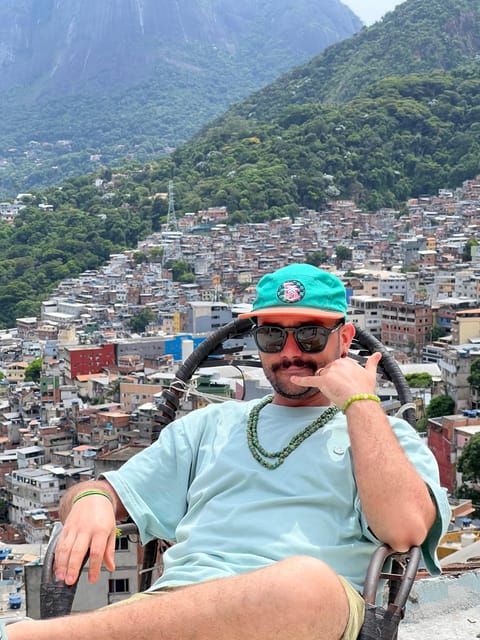
This tour includes breathtaking viewpoints (think: high vantage points that show you the neighborhood’s geography) plus secret spots known only to locals. Those secret spots are where the tour can feel most “off the usual track.”
But here’s the practical part: secret spots have a 10 reais visitation fee listed as not included. So your total cost may be a little higher than the sticker price.
Some guests also flag that the tour includes an add-on transport situation. The listing states a motor taxi fee of 20 reais (not included). Meanwhile, there’s at least one guest who reported being asked for a different amount per person. That kind of discrepancy is worth treating as a heads-up, not a deal-breaker. Bring cash, and expect that small transport/entry payments can happen depending on the day’s route.
My advice: before you go, mentally add a buffer for optional costs. You’re walking into a place with a working community economy. This isn’t a one-price-all-inclusive experience.






Guides in the real world: English support, local connections, and names to look for
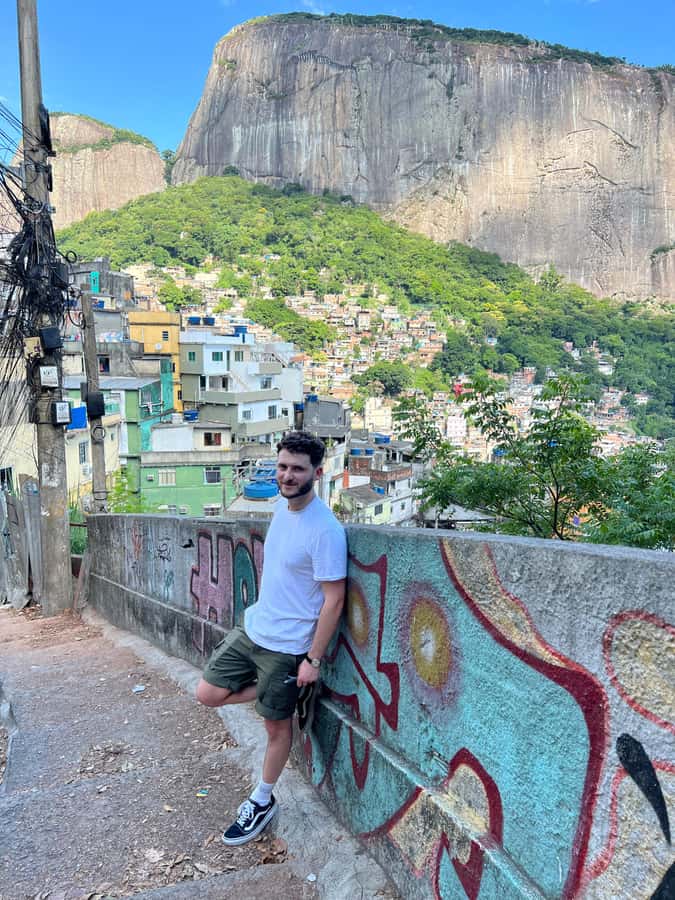
One of the strongest patterns in feedback is guide quality. Names you may encounter include Gisele, Nicolas, Felipe, Malu, Jade, Yan, Antonio, and others. What matters isn’t just the name—it’s what the guide does with it:
- They explain history and daily life in plain language.
- They guide you through the neighborhood with a strong sense of safety.
- They help you engage with locals through respectful curiosity.
- They often make time for questions without rushing you through photo stops.
Also, you’ll likely appreciate that guides can operate in more than one language. English is supported, but some guests mention multi-language strength as a big plus for understanding everything clearly.
When a local guide is a resident (as many of these guides appear to be from guest notes), the stories can feel less like a script and more like lived experience. That’s where stereotypes start to fall apart.
Price and value: is $43 really fair for a Rocinha experience?
The price is $43 per person for a 150-minute experience in a small group (up to 10). That might sound like a lot until you break down what’s included:
Included:
- Local guide
- Exclusive photos
- Favela access fee
Not included:
- Moto taxi fee: 20 reais
- Secret spots visitation fee: 10 reais
Now the value question: you’re paying for access, route management, cultural context, and local interpretation. In favelas tourism, the biggest risks are not money—it’s misunderstanding and feeling unsafe because you don’t know what’s happening. A guide who knows the flow and community rhythm reduces both issues. Add capoeira/samba cultural time and the included photo work, and the total starts to make sense.
So for me, the $43 value is strongest if you:
- want more than a viewpoint selfie
- prefer a calm pace in a small group
- care about cultural context and real-world stories
The value is weaker if you:
- expect everything to be fully included with no extra cash
- hate walking or aren’t comfortable with transport add-ons
- want a strictly “must-see monuments only” itinerary
What to bring (and what to stop stressing about)
The tour’s own advice is simple and smart:
- Cash (this is key for the motor taxi and secret spots fees)
- Sportswear and sneakers
- Rain gear if the weather looks bad
Also, do yourself a favor and bring some small bills and change. A recurring practical tip from guests: having the right cash ready makes the day smoother at taxi-like stops and add-ons.
For photos, remember you’re in a community setting. Follow your guide’s cues. If you want pictures of specific people or inside certain areas, you’ll likely need to ask through the guide. This keeps things respectful and avoids awkward moments.
Who this tour is best for in Rio (and who should skip it)
This tour is a good fit if you want to understand Rocinha through lived context:
- You’re the type who enjoys asking questions and learning how things work on the ground.
- You want culture that includes capoeira and samba, not just a quick performance.
- You value responsible tourism where local access fees and local visits support the neighborhood economy.
It might not fit as well if:
- you’re looking for a low-walking, sit-down-only experience
- you strongly prefer zero add-on costs
- you’re not comfortable with paying small cash fees for certain spots
Should you book the Rocinha Favela Tour with a local guide?
I’d book it if your goal is to see Rocinha with guidance, context, and respect—not as a checklist. The combination of a small group, cultural elements like capoeira and samba, and access that’s organized through local routes is exactly the mix that tends to change how you see Rio.
Book it early in your trip if you can. Early on, this kind of tour helps you interpret the city’s stories as you move through Rio afterward.
Do this one if you’re willing to show up in sneakers, carry cash, and let your guide set the pace. If you do that, you’ll get the best version of what makes this tour matter: learning Rocinha as a real place, not a myth.
FAQ
Where is the meeting point for the tour?
You meet in front of exit A of the São Conrado/Rocinha metro station (Metrô São Conrado / Rocinha, Saída A).
How long is the Favela da Rocinha tour?
The total duration is listed as 150 minutes.
What languages do the guides speak?
The live tour guide offers English, Portuguese, and Spanish.
What is included in the tour price?
The price includes a local guide, exclusive photos, and the favela access fee.
What extra fees should I expect to pay in cash?
You should expect extra costs for moto taxi (20 reais) and secret spots visitation (10 reais). The tour advises bringing cash.
Is there flexibility with booking and cancellation?
Yes. The tour offers free cancellation up to 24 hours in advance for a full refund, and it also offers reserve now & pay later.