REVIEW · RIO DE JANEIRO
Guided Excursion: Get to Know Rocinha
Book on GetYourGuide →Operated by Roma in Tour · Bookable on GetYourGuide
Favela views over Rio are unreal. I love the panoramic viewpoint over iconic Rio sights, and I love the human, on-the-ground cultural exchange you get as you move through Rocinha. The main drawback to factor in is that this is a shared tour with a motorbike climb and uneven walking, so it’s not the easiest outing for everyone.
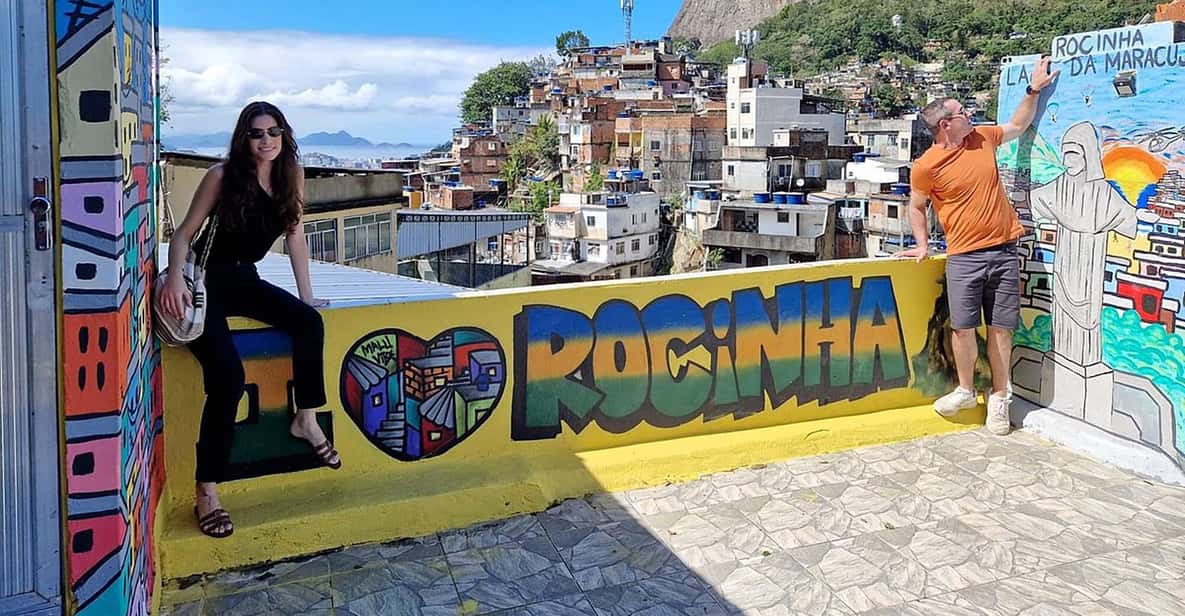
The guide I met, Giselle, brought a friendly, plain-spoken approach and explained how daily life works in Rocinha. You’ll also get serious photo angles from a community terrace, plus time walking winding alleys with murals and graffiti that actually mean something to the people living there.
In This Review
- Key highlights
- Rocinha’s highest point: the view that changes the conversation
- Christ, Sugarloaf, and Ipanema: how the landmarks fit into the hillside reality
- The terrace photo stop: where the favela looks back at you
- Walking the alleys: colorful homes, murals, and real context
- The motorbike climb (and why it affects your comfort)
- Pickup, drop-off, and how the 3-hour format works
- Price and value: what $59 buys you (and what it doesn’t)
- Language and guide style: what Giselle’s approach likely does for you
- Small but important considerations before you go
- Who should book Get to Know Rocinha?
- Should you book this Rocinha tour?
- FAQ
- How long is the Get to Know Rocinha tour?
- How much does the tour cost?
- Is pickup included, and where does it pick up?
- What is included in the price?
- What languages are the guides available in?
- Do I need to bring anything?
- Is the tour private?
- Is food or drinks included?
- Is the tour wheelchair accessible?
- Is there any extra cost for the motorbike ride?
Key highlights
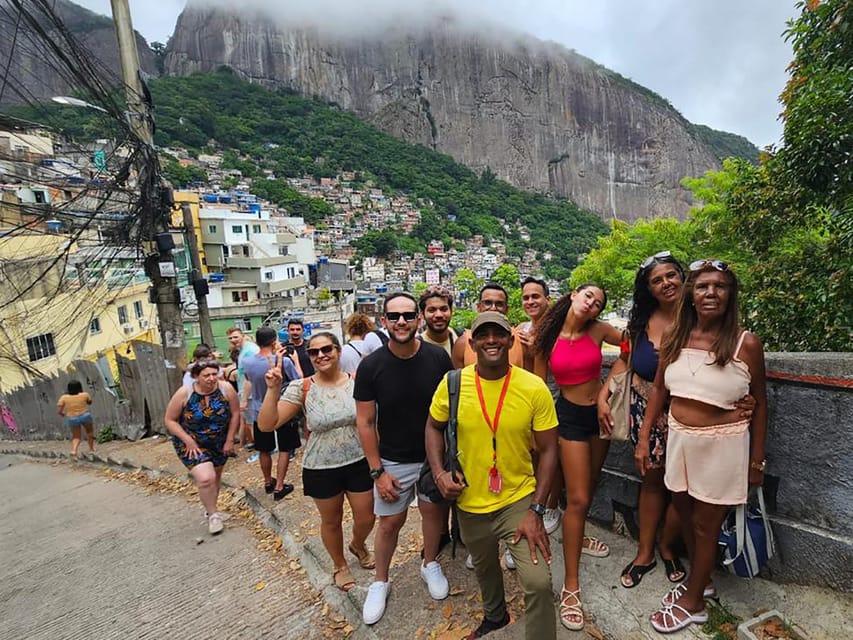
- Panoramic city views from Rocinha’s high point with Christ the Redeemer, Sugarloaf Mountain, and Ipanema Lagoon visible
- Celebrated terrace photo stop with sweeping views and great angles
- Guided cultural exchange with local residents for context beyond sightseeing
- Colorful side streets and secluded homes tucked into the hillsides
- Murals and street art on your route explained in real life terms
- Hotel pickup and drop-off in central Rio neighborhoods plus a multilingual guide
Rocinha’s highest point: the view that changes the conversation
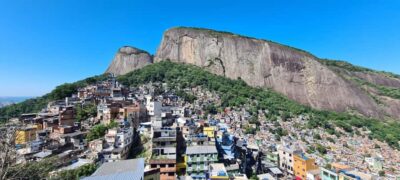
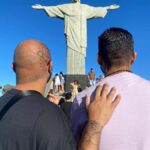
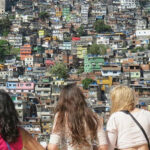
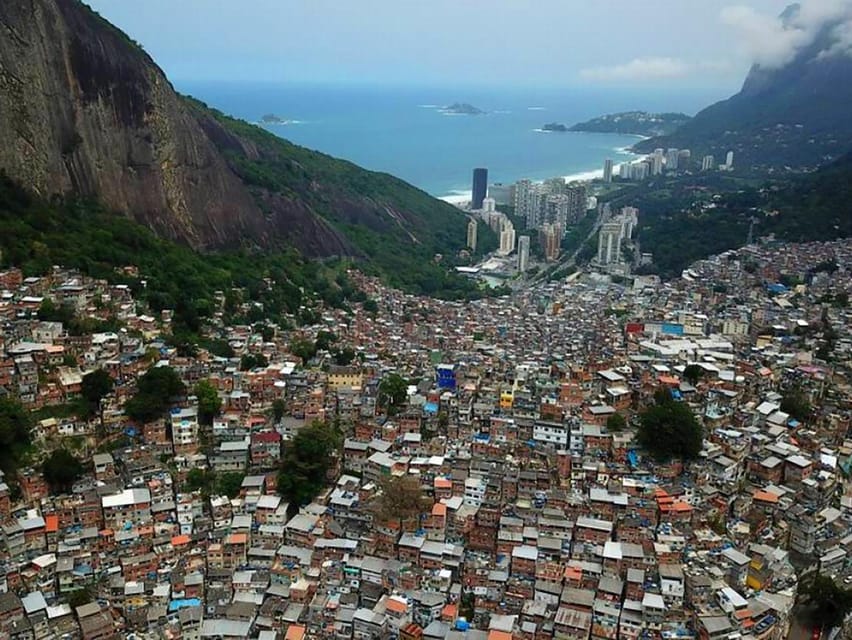
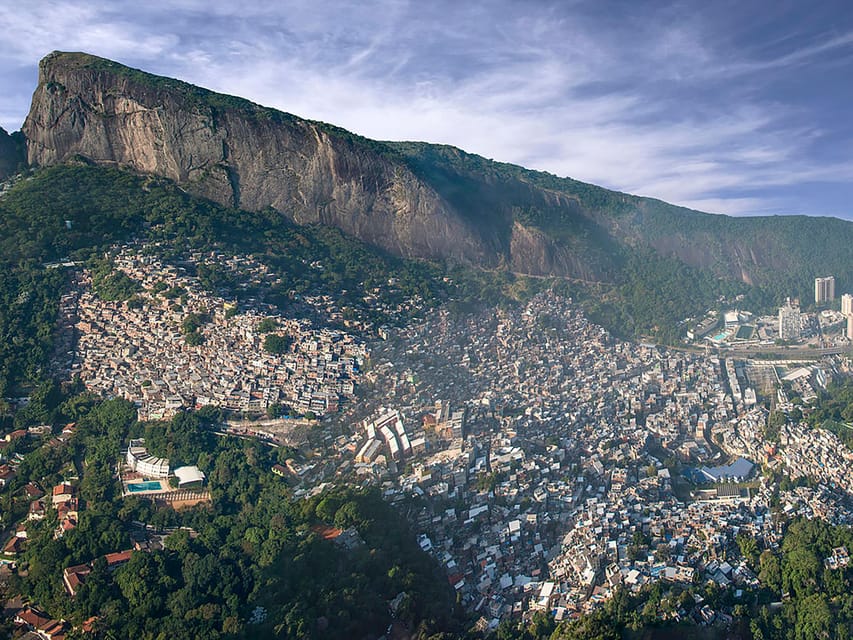
This tour starts with a big-picture moment: you begin from Rocinha’s highest point and look out across Rio. From there, you can spot major landmarks that most people only see from postcards or far-away viewpoints. Think Christ the Redeemer, Sugarloaf Mountain, and the Ipanema Lagoon all in the same wide scene.
What I like about this approach is that it reframes the favela right away. Instead of treating Rocinha as a side note to Rio, you get a “this is part of the city” perspective from the start. You’ll also see how the hills shape everything: the angles, the distances, and why walking streets feel like corridors that keep bending around homes.
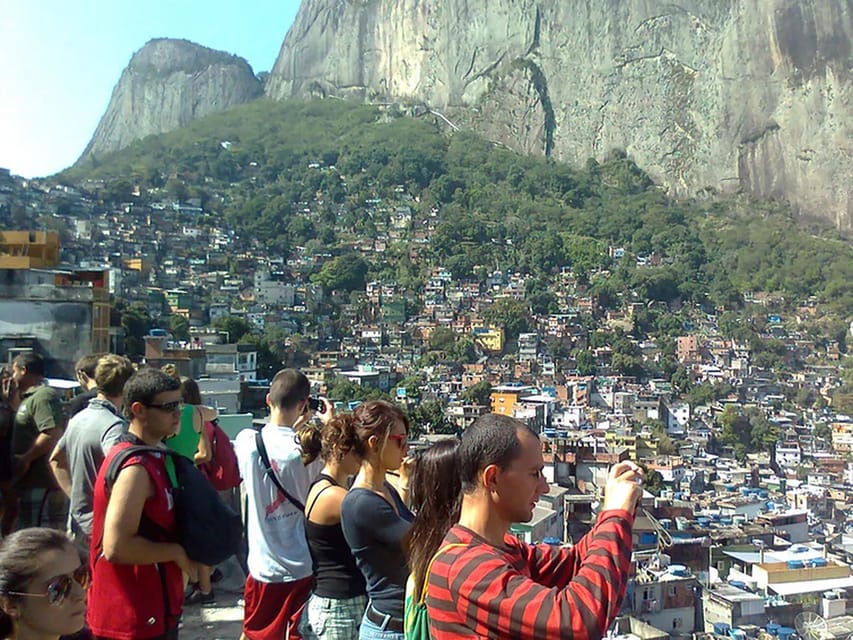
Expect the group to slow down for photos. This is the part where you’ll notice how the city layers on top of each other—ocean, hills, and dense neighborhoods—without the usual “look but don’t touch” vibe.
You can also read our reviews of more guided tours in Rio De Janeiro
Christ, Sugarloaf, and Ipanema: how the landmarks fit into the hillside reality
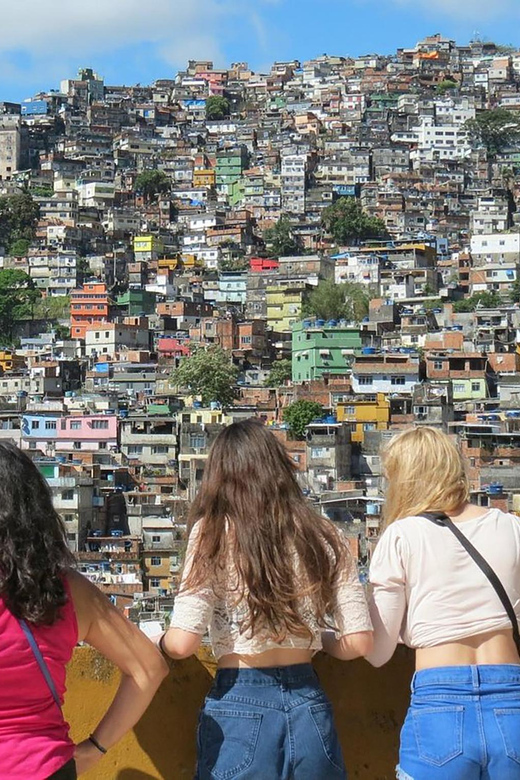
The best thing about the landmark viewing isn’t just that you recognize the names. It’s that you understand why they’re visible from here. Rocinha sits high enough that the skyline and coastline open up dramatically, and your guide helps you connect what you see to what you’re walking through.
When people visit Rio, they often do landmarks first and neighborhoods later. Here, the order is flipped. You start inside Rocinha’s setting and then the city landmarks become part of the same story—Rio as one place, not separate worlds.
I’d treat this section like an orientation round for your brain. Let yourself take it in before you head down into the tighter streets. If you want photos, this is also where you’ll do the first batch, because later you’ll be moving through alleys with different lighting and tighter angles.
The terrace photo stop: where the favela looks back at you
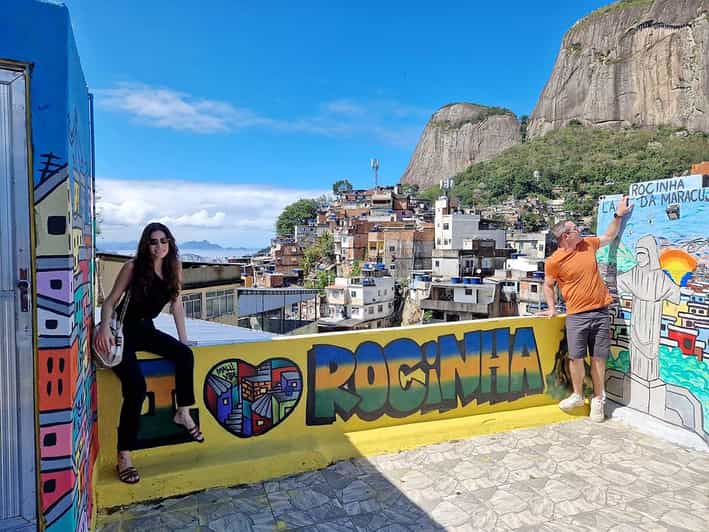
After the initial panorama, you head to one of Rocinha’s most celebrated terraces. This is your second big photo moment, and it’s timed so you can shoot the favela with the city backdrop.
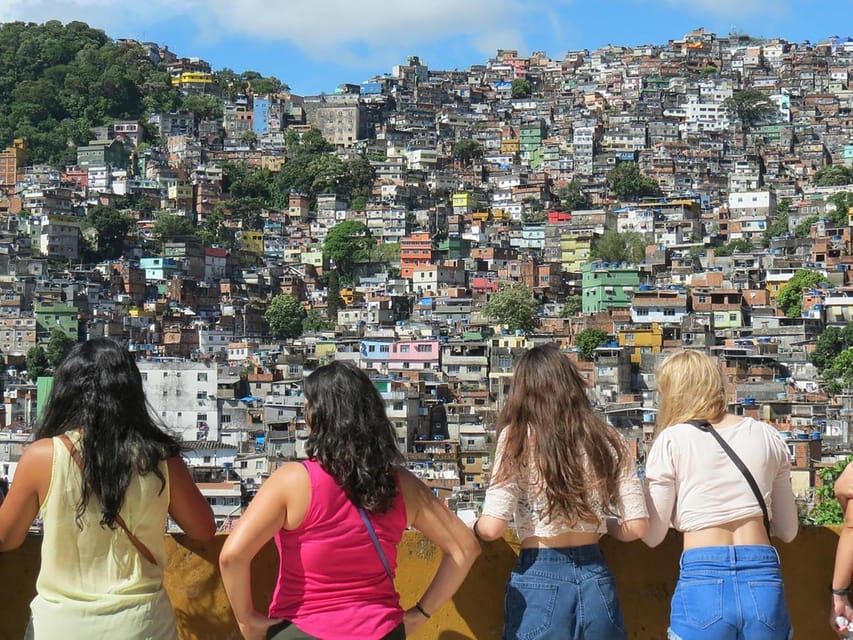
Terraces matter here because they reveal how Rocinha’s homes adapt to sloping land. You’ll see how space is used in layers—built up where the hill forces you to build. It turns the view into something architectural, not just crowded.
I find this stop is also when the tour starts feeling less like sightseeing and more like understanding. A terrace is a pause point. You look out, you look in, and you notice details you’d miss while rushing through streets.
Walking the alleys: colorful homes, murals, and real context
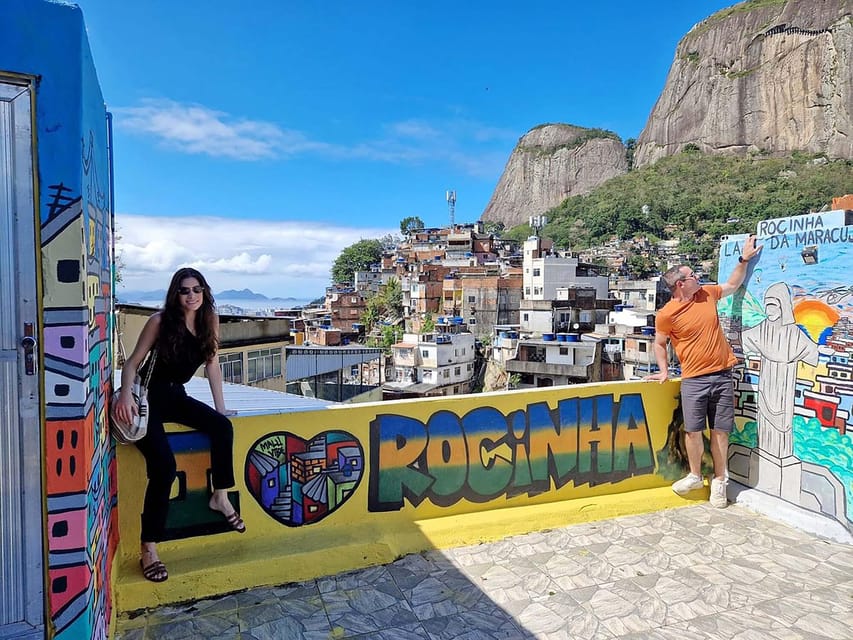
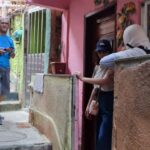
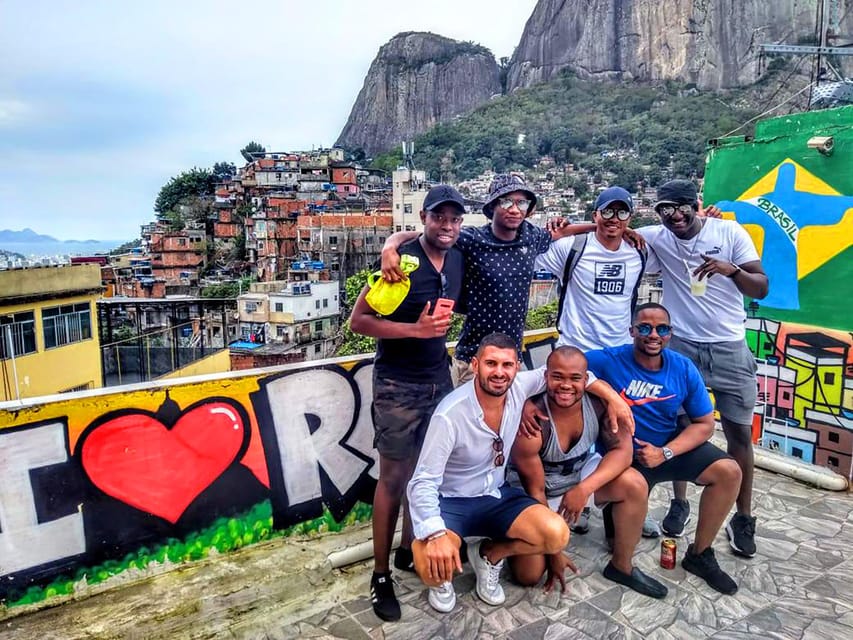
Now comes the part most people come for: wandering Rocinha’s labyrinthine alleys. This is where the tour becomes a guided walk instead of a quick drive-by. You’ll move through winding passages lined with colorful, tucked-away homes, and you’ll spend time on streets that feel like they twist and fold into the hillside.
Your guide also points out murals and graffiti along the way. The value isn’t the art itself—street art is everywhere. The value is what you learn about why certain pieces show up where they do, and what they’re tied to in daily life. That context helps the experience feel respectful, not voyeuristic.
And yes, you’ll likely get moments of direct interaction as part of the cultural exchange with local residents. This is the heart of the tour. It’s not just “here’s the favela.” It’s “here’s a place with people living their normal days,” and you’re learning how that reality works.
Practical note: alleys can be narrow, and walking surfaces may be uneven. Wear shoes you don’t mind getting a little dusty or worn in.
The motorbike climb (and why it affects your comfort)
One heads-up that matters: the climb is done by motorbike, and it costs 15 reais. On top of that, motorcycle taxis are listed as not included, which basically means don’t expect this to be bundled as a free ride every which way.
So what should you plan for? Think of the motorbike segment as part of how the tour reaches the right elevation quickly. It also means you need to be comfortable with a short ride before the viewpoint and walking portion.
This also explains why the tour isn’t suitable for wheelchair users. Even if you’re able to handle the walk, the vehicle and terrain make it hard to support in a way that would work for everyone.
If you’re prone to motion sickness, this is the one detail I’d take seriously. Bring water, sit comfortably when you can, and plan to take your time when you dismount.





Pickup, drop-off, and how the 3-hour format works
The tour is 3 hours total, shared rather than private, and it includes transport. Pickup is available from several central Rio areas: Flamengo, Ipanema, Copacabana, Leblon, Botafogo, and Lapa, with drop-off also returning you to these same areas.
That structure is great if you’re staying in the classic beach-and-boulevard neighborhoods. You don’t have to figure out a complicated route on your own. It also keeps the time focused—this isn’t a half-day commitment that eats your whole afternoon.
Because it’s shared, you’ll move at the pace of the group. That can be a plus if you like meeting other visitors, but it does mean you won’t get a fully custom, slow walk tailored only to you.
Price and value: what $59 buys you (and what it doesn’t)
At $59 per person, the value is mostly in three things:
1) A bilingual professional guide (the tour runs in English, Spanish, and Portuguese)
2) Transport to and from Rocinha
3) The guided route itself: viewpoints, terraces, alley walking, and the cultural exchange piece
What’s not included: food and drinks. So you’ll want to eat before you go or have a plan for after. This is also not a tour where you can count on long meal stops to break up the walking.
Also plan for the 15 reais motorbike cost during the climb. That’s the only clear extra fee mentioned, but it’s worth having a small amount of cash on hand.
Is it “cheap”? It’s not a bargain price. But compared to the time you’d spend piecing together transport and paying for separate guide time, it often makes sense—especially if you want the guided context and not just a photo run.
Language and guide style: what Giselle’s approach likely does for you
The guide name Giselle comes up with very specific praise: she was friendly, helpful, and explained life in the favela clearly. That kind of guide style matters because Rocinha is not something you can understand just by seeing it.
A good guide helps you avoid the common trap of turning everything into a stereotype. Instead, you learn how the space is used, how people navigate the area, and what the street art and views mean inside the community’s everyday rhythm.
This tour’s multilingual setup also helps. If you speak English, Spanish, or Portuguese, you can follow along without the experience feeling watered down or confusing.
Small but important considerations before you go
Here’s the straight talk checklist I’d follow:
- Bring a passport or ID card
- Wear sturdy shoes for uneven, winding streets
- Skip the idea of this being wheelchair-friendly
- Expect a shared experience, not private pacing
- Bring patience for the fact that this is a living place, not an attraction with perfectly staged angles
- Keep your expectations realistic about walking and photos: you’ll get great shots, but you won’t be parked in one spot for long
One more note: the tour does run rain or shine, and the tour day is chosen by you. So don’t book it and then hope the weather magically cooperates.
Who should book Get to Know Rocinha?
This works best for you if:
- You want a guided favela experience with real context, not just pictures
- You enjoy city views and want them from a perspective you won’t get from the usual Rio viewpoints
- You’re comfortable with basic walking and a short motorbike climb
- You like talking with guides who explain day-to-day life in plain terms
It’s probably not for you if you:
- Need wheelchair access
- Want a leisurely, very slow tour
- Are counting on food during the outing
- Are sensitive to motion or have limited comfort with motorbike rides
Should you book this Rocinha tour?
I think you should book it if your goal is to see Rocinha as part of Rio’s real geography and real daily life. The combo of high-point views, a celebrated terrace photo stop, and then the walk through alleys with murals and cultural exchange is the formula that makes it worth doing.
One last way to decide: if you’re excited to learn what you’re looking at—why the street art is there, how the homes fit the terrain, and how daily life works—this kind of tour will land well. If you’re mainly chasing landmark photos with no interest in context, you might feel it’s more than you need.
If you want the best experience, go with a respectful mindset, wear shoes ready for hills, and bring your curiosity. That’s the difference between seeing Rocinha and understanding what you’re seeing.
FAQ
How long is the Get to Know Rocinha tour?
The tour lasts 3 hours.
How much does the tour cost?
The price is $59 per person.
Is pickup included, and where does it pick up?
Yes. Pickup is included from Flamengo, Ipanema, Copacabana, Leblon, Botafogo, and Lapa. Drop-off locations include Lapa, Ipanema, Copacabana, Botafogo, Leblon, and Flamengo.
What is included in the price?
A bilingual professional tour guide and transport are included.
What languages are the guides available in?
The live guide speaks English, Spanish, and Portuguese.
Do I need to bring anything?
Bring a passport or an ID card.
Is the tour private?
No. It is not private; it is a shared tour.
Is food or drinks included?
No. Food and drinks are not included.
Is the tour wheelchair accessible?
It is not suitable for wheelchair users.
Is there any extra cost for the motorbike ride?
The climb is done by motorbike and costs 15 reais. Motorcycle taxis are listed as not included.