REVIEW · RIO DE JANEIRO
Rio de Janeiro: Favela Santa Marta Top Tour with Local Guide
Book on GetYourGuide →Operated by Favela Top Tour · Bookable on GetYourGuide
This is the favela tour that feels human. Santa Marta in Rio de Janeiro is the focus, with resident-guides showing you the places behind the headlines and the everyday life behind the walls. You’ll hit major pop-culture spots like Michael Jackson Square, then move into real neighborhood stories told on foot in context.
What I like most is that it’s run by residents of Santa Marta, not an outside crew parachuting in for photos. I also love the way the visit to Michael Jackson Square is treated as a neighborhood landmark, not a check-the-box stop.
One consideration: this is an active walking tour and it is not suitable for wheelchair users (and it’s not for babies under 1 year). Bring comfortable shoes and plan to spend real time on uneven, lived-in streets.
In This Review
- Key things that make this tour worth your time
- Santa Marta, explained by people who actually live there
- Where to start: Praça Corumbá and meeting the guide
- Michael Jackson Square: the photo stop with real neighborhood meaning
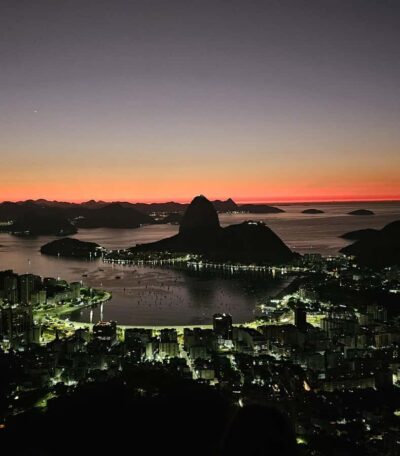
- Pointing your camera at Rio’s South Zone (and using the viewpoint properly)
- Samba in Santa Marta: listen first, join if you’re invited
- Fast & Furious 5 filming locations: when global media meets local streets
- Santa Horta and sustainable community work
- Tram ticket, Mirante Dona Marta, and how the pacing stays manageable
- Visiting residents’ spaces: why the guide’s home is a big deal
- Safety and respect: the balance that makes this work
- Price in context: why $28 can be good value here
- Who should book this tour (and who should skip)
- Should you book Favela Top Tour?
- FAQ
- How long is the tour?
- Where do I meet the guide?
- What languages are available for the live guide?
- What’s included in the tour?
- Is transfer included?
- Is it wheelchair accessible?
- What should I bring, and what is not allowed?
Key things that make this tour worth your time
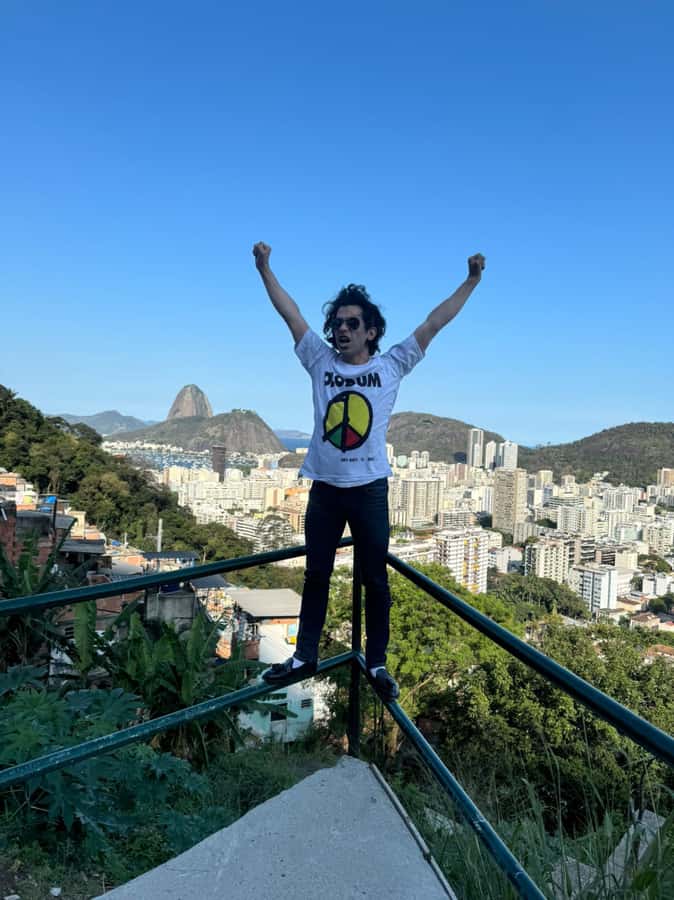
- Resident-led, community-first: guides come from Santa Marta and the company is local.
- A safe visit beyond the viewpoint: you’re not just outside looking in; you may visit a guide’s home.
- Michael Jackson Square on a local route: it’s connected to the neighborhood, not isolated.
- Roda de samba with locals: you get music as part of life, not a staged performance.
- Social impact stops: you’ll learn about community projects like Santa Horta (organic gardens).
- Optional football time: you might join a casual match with neighborhood kids.
Santa Marta, explained by people who actually live there
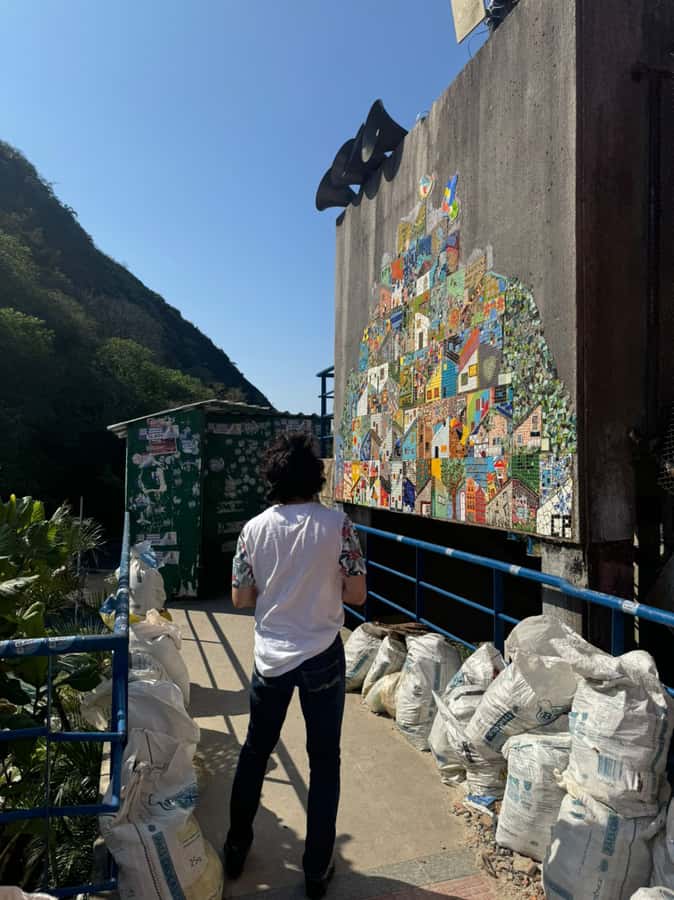
Most Rio “favela tours” teach you one thing fast: outsiders can package poverty and call it culture. This one flips the script by keeping leadership inside Santa Marta. You meet a local resident guide, and the vibe is practical from the start: you’re walking with someone who knows the alleys, the rhythms, and the rules.
That matters for two reasons. First, you get context. Santa Marta isn’t presented as a scary maze or a theme park backdrop. It’s explained as a community shaped by history, creativity, and day-to-day challenges. Second, you’re supporting a local company that puts money back into the neighborhood through residents, local projects, and small businesses.
The tour’s “star power” stops are fun, but the real value is the storytelling layer. You’ll hear why certain places became famous, how international films and music intersected with local life, and what the community thinks about being seen from the outside.
You can also read our reviews of more guided tours in Rio De Janeiro
Where to start: Praça Corumbá and meeting the guide
You begin at Praça Corumbá, at the Tourist Information Stand. It’s a helpful detail because you’re not trying to locate the first step of a complex local route on your own.
You’ll also have a transfer segment before you start walking in the community. Even though transfer isn’t listed as included, the tour timing is designed around getting you from the starting area to the neighborhood efficiently and then pacing the walking time. For many people, this takes the stress out of doing it solo—especially because public navigation can be tricky in areas like this.
A simple tip: treat the first minutes like orientation. Ask your guide how the route works, what the group should watch for, and how photo moments fit in. When the guide is from the community, you’ll often get clarity fast.
Michael Jackson Square: the photo stop with real neighborhood meaning
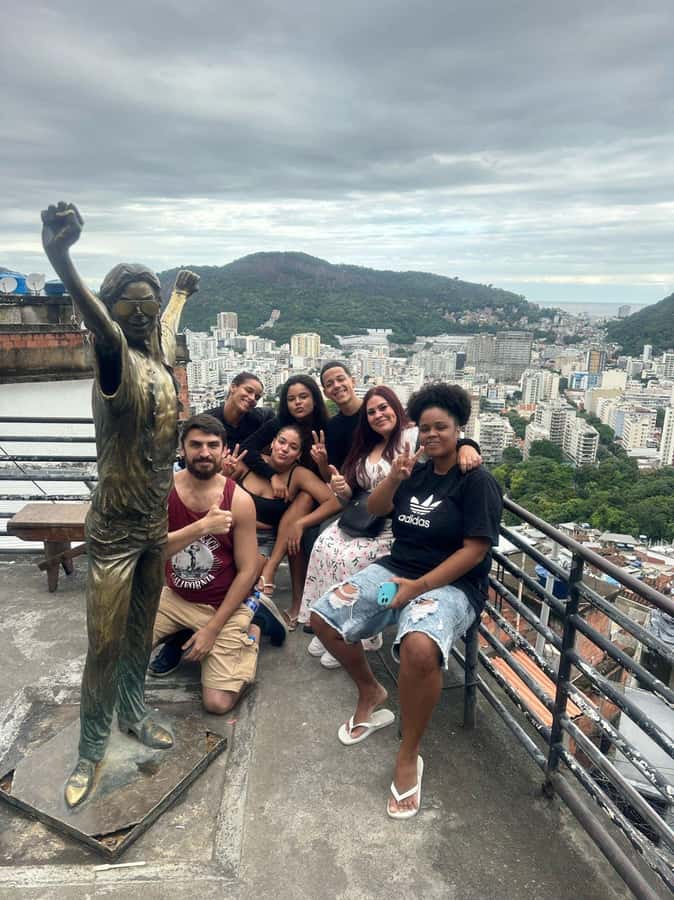
Michael Jackson Square is the headline moment for many visitors, and it’s treated accordingly. You’ll visit the Michael Jackson statue and get a guided walk that connects the landmark to the story behind it.
What makes this stop special is how it’s framed. Instead of a “look, it’s famous” pitch, you get local explanation—how and why the area became part of the global music moment tied to They Don’t Care About Us, and what it meant for the neighborhood. The statue isn’t just a souvenir photo; it’s a doorway into the bigger topic of representation.
Timing is also reasonable. You’re not stuck for hours. There’s a clear guided segment and then you move on, which keeps the tour from turning into one long standing line of tourists with phones.
One practical note: bring your camera, but also keep a little attention for what your guide is telling you. A lot of the best moments here are the “side stories” that get lost when everyone is only hunting for the perfect shot.
Pointing your camera at Rio’s South Zone (and using the viewpoint properly)
Before you get deep into Santa Marta, you’ll make a viewpoint photo stop and later visit Mirante Dona Marta. The viewpoint moments do two jobs.
They give you scale. Rio is huge, and from elevated spots you start to understand how neighborhoods link to the city’s geography and coastline. And they give you a quick visual break, which matters because the rest of the tour is more about walking and conversations.
Mirante Dona Marta in particular is a classic Rio-style vantage point, but here it’s not separate sightseeing. It’s part of the community route, so it feels connected instead of random.
My advice: take a few wide shots first, then zoom in. The wide views help you “place” what you’ll later see at street level. Your photos will make more sense later.
Samba in Santa Marta: listen first, join if you’re invited
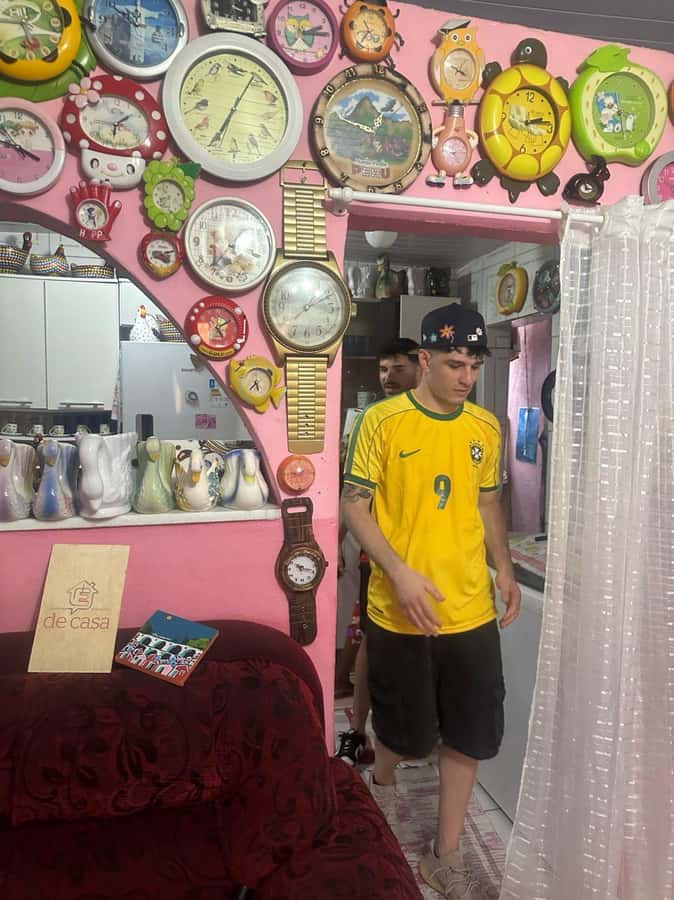
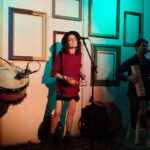
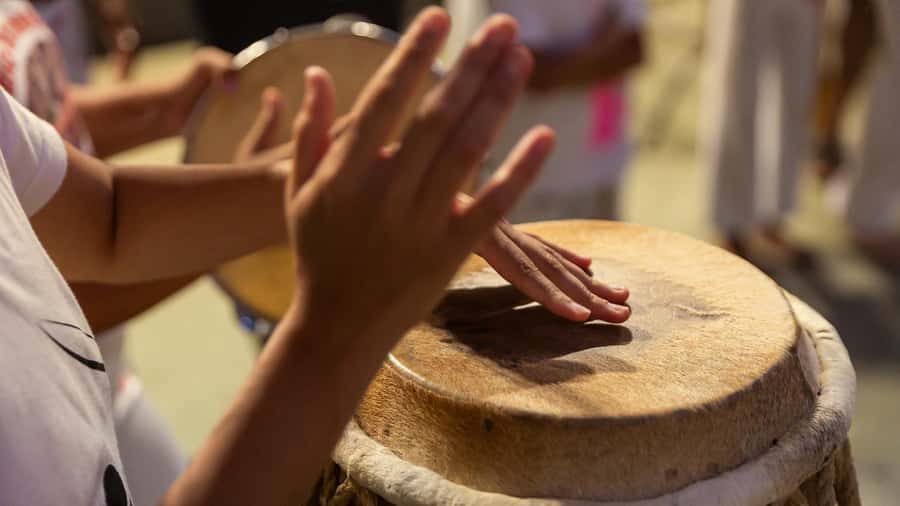
One of the tour’s best cultural components is the roda de samba performed by locals. This is where you get beyond the “you are here” explanation and into the community’s lived creativity.
Roda de samba works because it’s social. It’s not only about instruments and rhythm; it’s about interaction—people responding to each other, energy moving around the circle, and pride in the music. When locals play, you also get a sense of the community’s musical language rather than an interpreted performance for tourists.
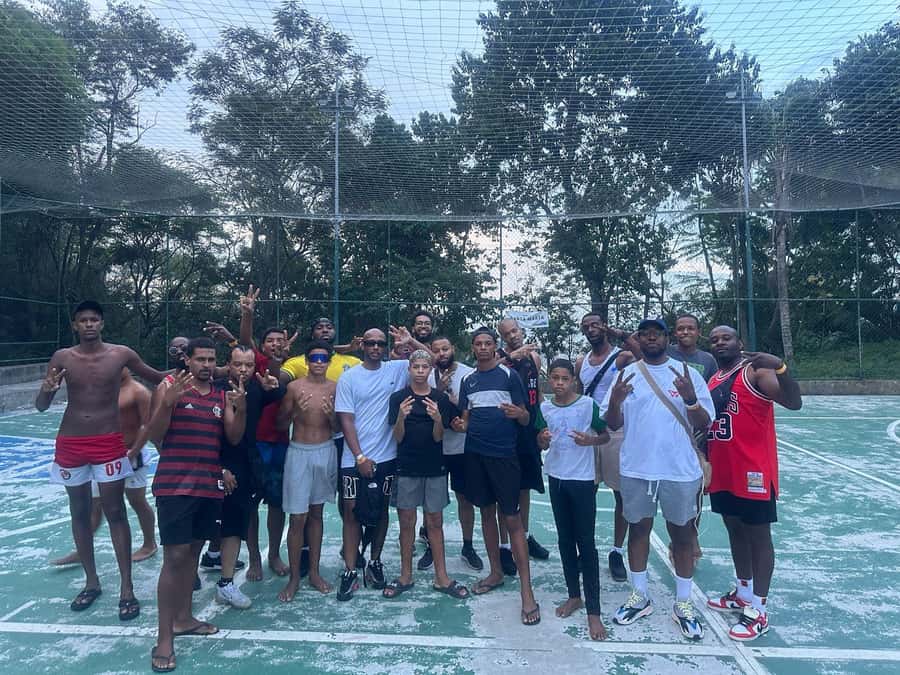
There’s also room for participation. You might even join a casual football match with neighborhood kids. That kind of moment is usually short and unscripted, but it’s often the one people remember because it’s real human connection, not staged entertainment.
If you’re thinking, Will this feel awkward? It shouldn’t, as long as you follow your guide’s cues. You’re there to learn and connect, not to treat the community like a background set.




Fast & Furious 5 filming locations: when global media meets local streets
Santa Marta has been used as a filming backdrop for major international productions, and the tour includes stops tied to Fast & Furious 5. You’ll see locations where international film crews came for the look of the streets and buildings, and you’ll hear how the neighborhood became part of that story.
This section is valuable because it gives you a more honest take on fame. Places get “used,” images get shared worldwide, and locals have to live with the results. Your guide’s perspective helps you understand the trade-offs—visibility versus control, outside attention versus local priorities.
Keep your expectations grounded. This is not a museum exhibit. You’re walking on the actual streets, so you’ll notice the difference between film framing and real-life texture. That contrast is often the point.
Santa Horta and sustainable community work
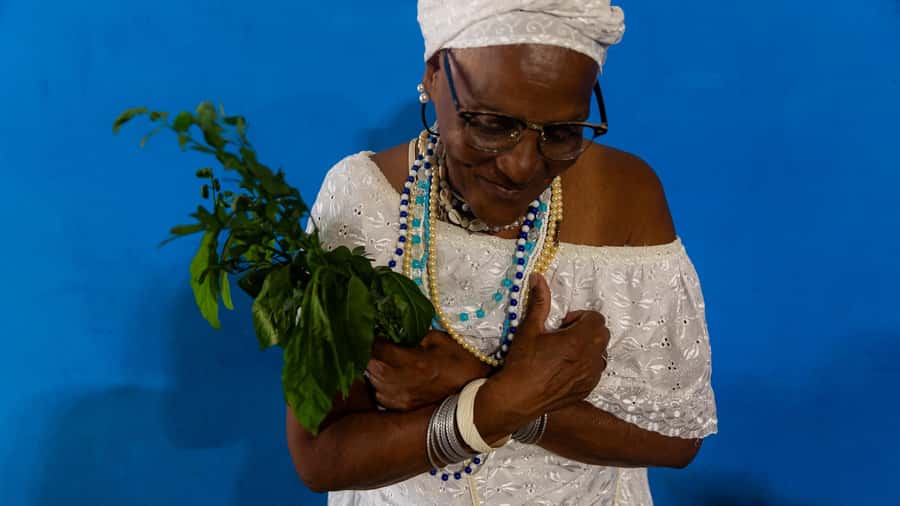
One of the tour’s strongest “learn something real” elements is a stop tied to Santa Horta. The project transforms former dump sites into community organic gardens, creating income, healthier food, and environmental education for residents.
This isn’t charity theater. It’s practical. Gardens change routines. Income changes choices. Environmental learning helps people think longer-term, not just day-to-day.
If you like travel that has receipts—where your money supports something concrete—this is the part that delivers. The tour is designed so community impact is not a slogan. You’re seeing projects that are already running, and you’re hearing why locals care about the outcomes.
And if you’re worried this will feel preachy, don’t. The tone tends to be grounded because it’s explained by the people living the work.
Tram ticket, Mirante Dona Marta, and how the pacing stays manageable
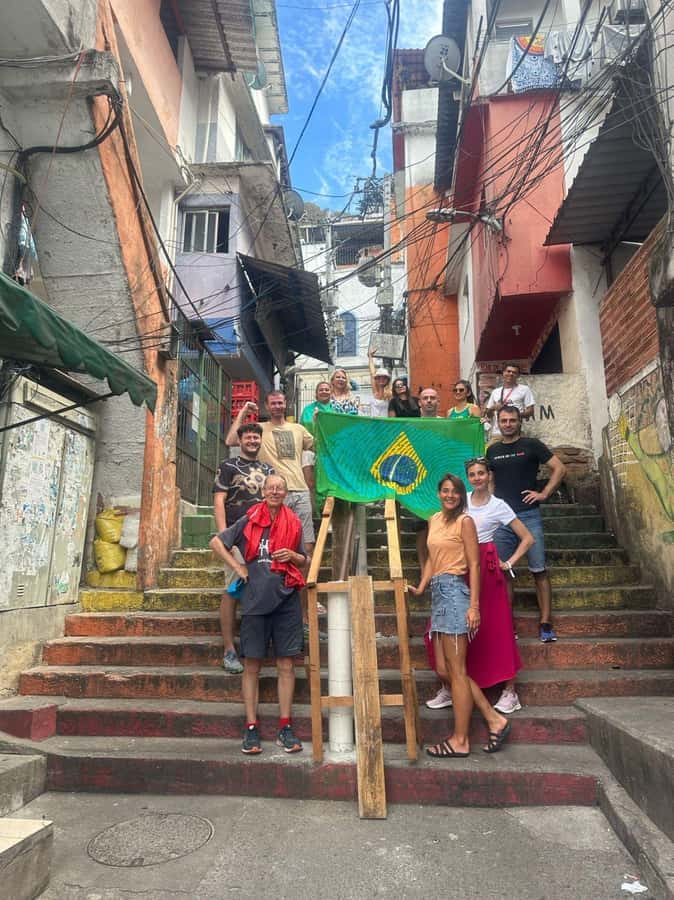
The tour includes a tram ticket, which helps with the physical side of the experience. Favela routes can involve steep or uneven walking, and the tram reduces how much you have to muscle through while still letting you keep your bearings.
You’ll also get a structured flow of stops:
- short guided segments in the community
- social-project visits
- a viewpoint moment at Mirante Dona Marta
- and a bit of time for local shopping
That shopping time matters more than most people expect. It gives you a chance to support small businesses without turning the whole tour into a marketplace. If you want a postcard, a small craft item, or a snack, this is a good moment—because you’re buying directly from people who live there.
What to bring again (seriously): water, sunscreen, hat, and comfortable shoes. Rio weather can do its own thing, and you’ll want the basics handled.
Visiting residents’ spaces: why the guide’s home is a big deal
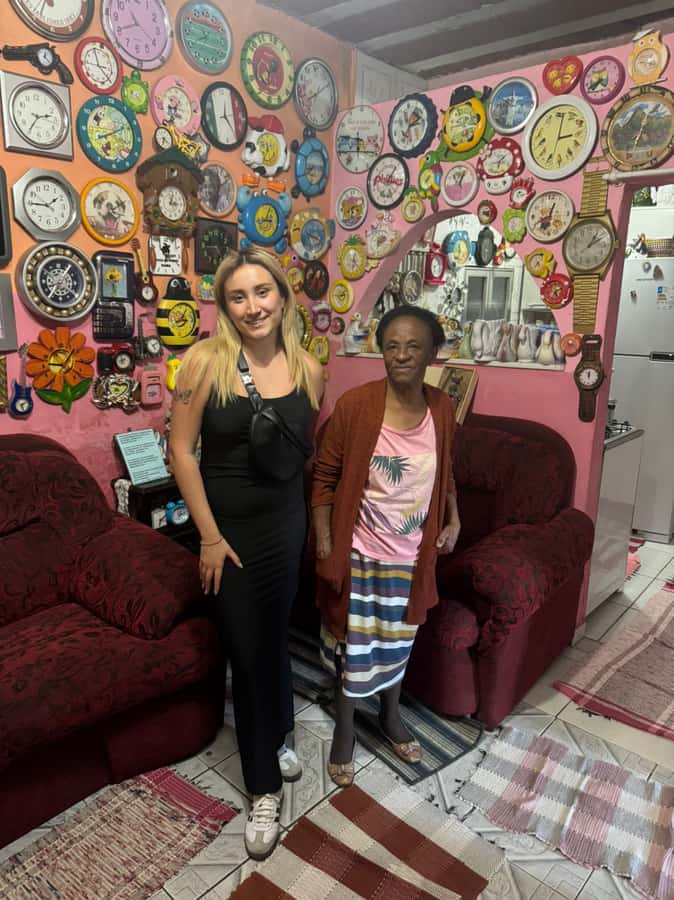
One of the tour highlights is a safe visit to a local guide’s home, with real connection. This is where the experience becomes more than sightseeing.
When a guide invites you into their lived space, you see how the neighborhood functions as a daily environment, not just a tour route. You also get a more personal education: how people organize their lives, what pride looks like, what stress looks like, and where hope shows up.
This is also where good sense matters. You’re walking into someone’s community life, so you keep your behavior respectful, listen more than you talk, and follow instructions about what’s appropriate to photograph.
If you want a favela experience that doesn’t feel exploitative, this home visit is the biggest signal that you’re being treated as a person, not a ticket.
Safety and respect: the balance that makes this work
Favela tours can go wrong when they are built on voyeurism or when visitors wander without guidance. Here, the approach is built around a known guide from the community, plus a company that emphasizes safety and local leadership.
In plain language, you’re not left to improvise. Your route is paced. Your guide knows people. You’re guided through meaningful stops, which reduces the “random wandering” risk that independent visitors sometimes take.
Still, use common sense. Dress like you’re walking around a neighborhood, not around an attraction. Stay with the group. Don’t smoke (smoking is not allowed). And ask your guide questions instead of trying to make assumptions.
A slightly humorous truth: the more questions you ask, the less you’ll rely on stereotypes. It’s a better use of your time.
Price in context: why $28 can be good value here
At about $28 per person for roughly 3 hours, the pricing feels attractive on paper. The deeper reason it can be good value is what’s included and what’s emphasized.
You’re getting:
- a guided tour by a local resident
- key landmark stops like the Michael Jackson statue
- visits connected to local social projects (including initiatives like Santa Horta)
- tram ticket
- a viewpoint at Mirante Dona Marta
- a stop at the Residents’ Association
You’re also paying for something that doesn’t show up on a receipt: local relationships. That’s what turns “a walk” into an explanation. When the guide is from Santa Marta, they can answer the messy questions—how daily life works, what people worry about, and why community solutions matter.
Could it be cheaper elsewhere? Usually, yes. But cheaper often means outside operations, less community control, and less impact on local initiatives. If your goal is ethical, grounded travel, this price-to-impact ratio is one of the best parts of the deal.
Who should book this tour (and who should skip)
This tour is a great fit if you:
- want a Santa Marta experience led by residents
- like culture that includes music and everyday stories (not only views)
- care about seeing local projects like Santa Horta
- enjoy small moments of participation, such as samba and casual football
It may not be the best fit if you:
- need wheelchair accessibility (it’s not suitable for wheelchair users)
- are traveling with very young babies (not suitable for babies under 1 year)
- want a very “slow and passive” sightseeing format
Language-wise, guides operate in English, Portuguese, and Spanish. From the variety of guide names you might meet—Mario, Luis, Marco, Caro, Raycca—there’s likely a guide who matches your language comfort.
Should you book Favela Top Tour?
If you want a favela visit that feels like learning and connection rather than a staged show, I think this is a strong booking. The tour’s core strength is simple: local leadership, plus real stops tied to culture and community projects.
Book it if your main goal is to understand Santa Marta through the eyes of someone who lives there. Skip it if you’re looking for a purely comfortable, sit-down itinerary. For the right traveler, this is one of the more meaningful ways to see Rio beyond the typical postcard loop.
FAQ
How long is the tour?
The experience lasts about 150 minutes, roughly 3 hours.
Where do I meet the guide?
You meet at the Tourist Information Stand at Praça Corumbá.
What languages are available for the live guide?
The local guide speaks English, Portuguese, and Spanish.
What’s included in the tour?
Included are: a guided tour by a local resident, visits tied to the Michael Jackson statue and filming locations, visits to local social projects, tram ticket, Mirante Dona Marta, and the Residents’ Association.
Is transfer included?
Transfer is not listed as included, even though the route includes a transfer segment during the experience.
Is it wheelchair accessible?
No. The tour is not suitable for wheelchair users.
What should I bring, and what is not allowed?
Bring comfortable shoes, a hat, camera, sunscreen, and water. Smoking is not allowed.