
REVIEW · RIO DE JANEIRO
Rio de Janeiro: 6-Stop Highlights of Rio with Lunch
Book on GetYourGuide →Operated by Rio Carioca Tours & Service · Bookable on GetYourGuide
Rio in one day sounds impossible, but this route makes it feel doable. You get big views first at Christ the Redeemer, then street-art style history at the Selarón Steps, and you finish with Sugarloaf’s cable-car payoff. Guides such as Juan or Ursula often add the kind of context that turns photo stops into a real sense of place.
I also love the pacing that mixes viewpoints with culture. You’ll learn how Rio thinks about football and samba from outside the Maracanã and the Sambadrome, then get a calmer moment inside the Metropolitan Cathedral’s stained glass. One drawback to plan for: this is a full day with traffic and lines in high season, so expect waiting and a tighter-feeling schedule.
In This Review
- Key Highlights Worth Prioritizing
- Getting Oriented Fast: Morning Pickup and Tijuca Forest Views
- Christ the Redeeder: The Corcovado Route and Photo-Ready Viewpoints
- Maracanã and Sambadrome: Football Passion and Carnival Rhythm from the Outside
- Selarón Steps: Jorge Selarón’s 250-Step Mosaic Story
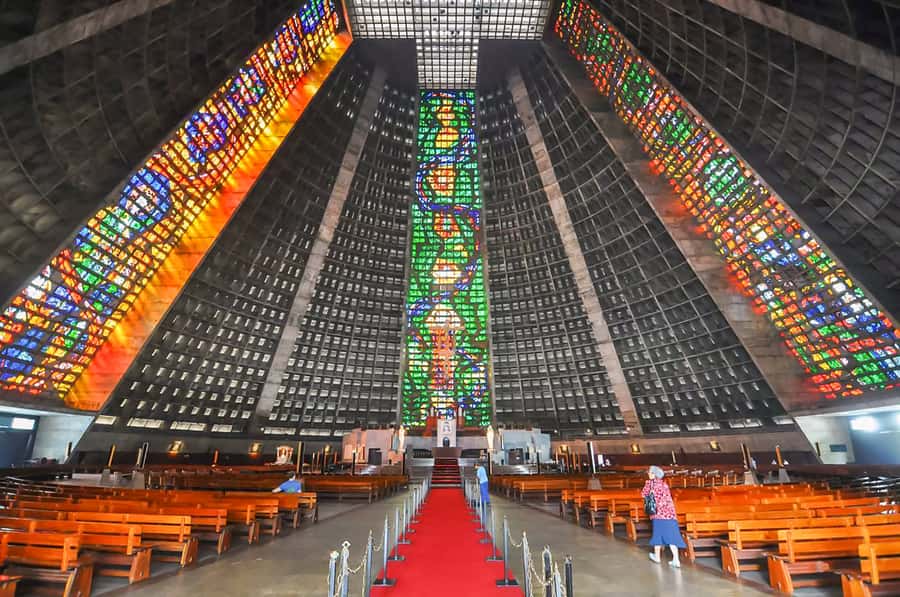
- Rio Cathedral Stained Glass: A Midday Reset You’ll Appreciate
- All-You-Can-Eat Lunch: Fuel for the Second Half of Rio
- Sugarloaf Mountain by Cable Car: 360 Degrees of Rio’s Coastline
- Price and Value: What $130 Buys in a Long Day
- Who This Tour Fits Best (and Who Should Rethink It)
- Should You Book This Rio Highlights Tour?
- FAQ
- How long is the tour, and when does it start?
- Where does hotel pickup happen?
- What attractions are included with entry tickets?
- Do you go inside Maracanã and the Sambadrome?
- What’s included for lunch?
- Is the tour outdoor only?
- Does the tour run in bad weather?
- What languages are available for the guide?
- What should I bring, and what’s not allowed?
- Is cancellation free, and can I pay later?
Key Highlights Worth Prioritizing

- Christ the Redeemer panoramic views after a minivan ride through Tijuca Forest
- Selarón Steps: a 250-step mosaic by Chilean artist Jorge Selarón
- Maracanã and Sambadrome outside visits that frame Rio’s sports + Carnival culture
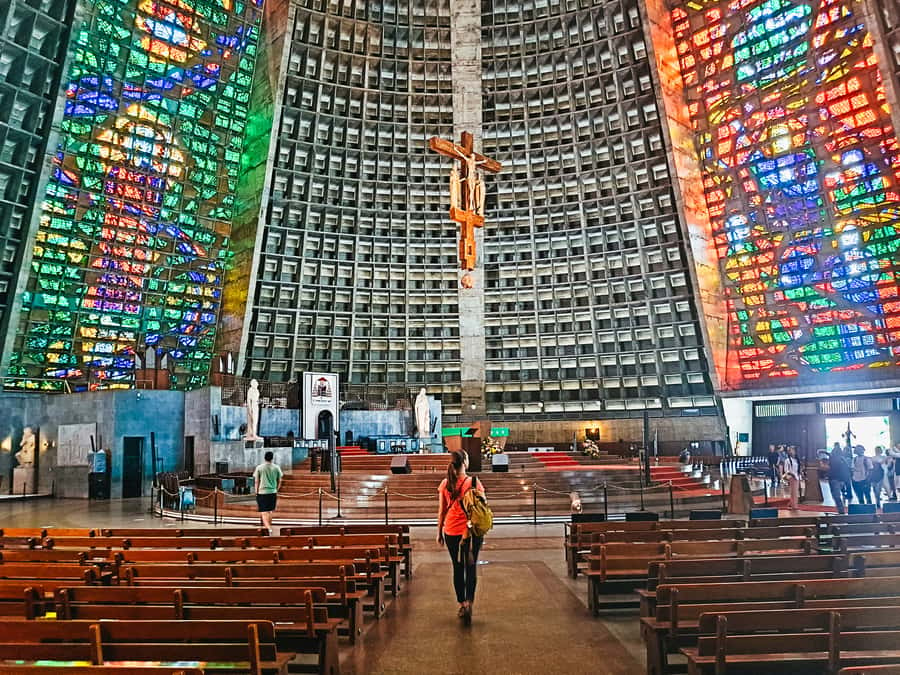
- Metropolitan Cathedral stained glass with biblical scenes inside
- Sugarloaf by cable car with a 360-degree view from the top
Getting Oriented Fast: Morning Pickup and Tijuca Forest Views
This tour starts early, with hotel pickup in Rio’s South Zone and central areas. Pickup usually lands between 7:45 and 9:30 AM, depending on where your hotel is. That early start matters in Rio: traffic and crowds can hit hard, and you’ll feel it more later in the day.
You’ll head out by minivan toward Corcovado. The route runs through the Tijuca Forest, so even before the famous statue, you get that jungle feeling—green everywhere, the city suddenly quieter, and the air cooler than the coastal bustle.
What you’re really buying with the morning start is time and momentum. You’re not just ticking boxes; you’re building a “Rio map in your head” while daylight is still clean for photos.
You can also read our reviews of more tours and experiences in Rio De Janeiro



Christ the Redeeder: The Corcovado Route and Photo-Ready Viewpoints

Christ the Redeemer sits on Corcovado Mountain, and the approach does a lot of the work for you. From the peak, the statue’s outstretched arms frame the city below, and the views are the reason this stop exists.
Expect sweeping panoramas—city blocks far beyond what you can see from street level, and a sense of how Rio’s hills and coastline shape daily life. The minivan ride plus the short time at the top is a good combo: it’s intense enough to feel like a highlight, but not so slow that you lose the day to logistics.
Practical note: the queue situation can be real in high season. The tour is structured to include the key access points, but no one can control crowding at the busiest viewpoint. Wear comfortable shoes, bring your camera gear (or phone) ready, and don’t overthink the perfect photo spot. Any angle usually looks like a postcard.
Maracanã and Sambadrome: Football Passion and Carnival Rhythm from the Outside

After the heights, you shift to a different kind of Rio energy: the roar of sports and the pageantry of Carnival. This tour keeps it practical by visiting outside Maracanã and the Sambadrome. Entrance tickets for those stadiums are not included, so don’t plan your day around going inside.
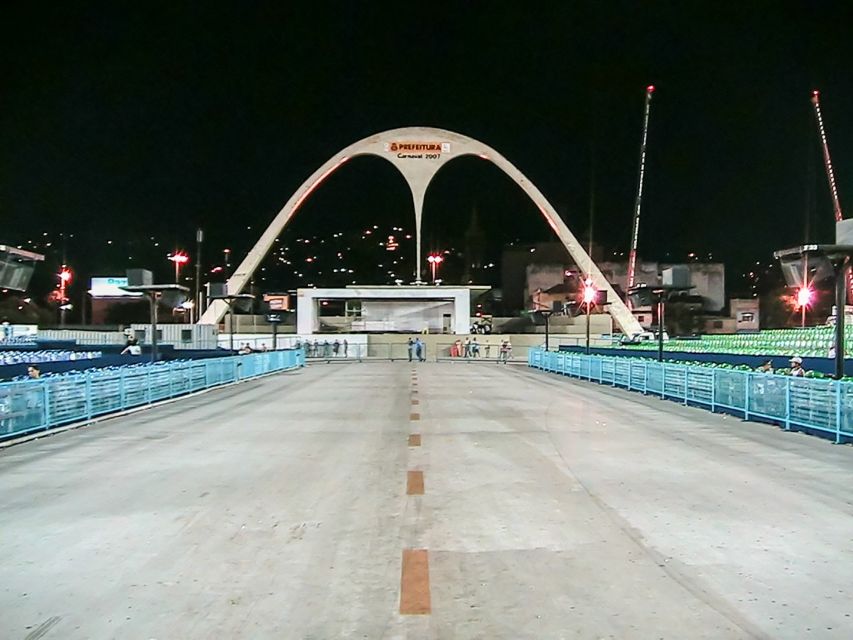
Still, an outside stop can be surprisingly informative. With a multilingual guide on board (English, Portuguese, French, German, Italian, or Spanish), you’ll learn how football fits into everyday Brazilian life and why Carnival feels like more than a party. The Sambadrome visit is especially tied to Rio’s biggest Carnival parade, so you’re seeing the “stage” even if you’re not stepping onto it.
One consideration: if your goal is stadium interiors—museum sections, locker areas, or deeper behind-the-scenes access—this won’t fully scratch that itch. But if you want the context plus a photo-friendly pass without extra ticket costs, it works well.
Selarón Steps: Jorge Selarón’s 250-Step Mosaic Story
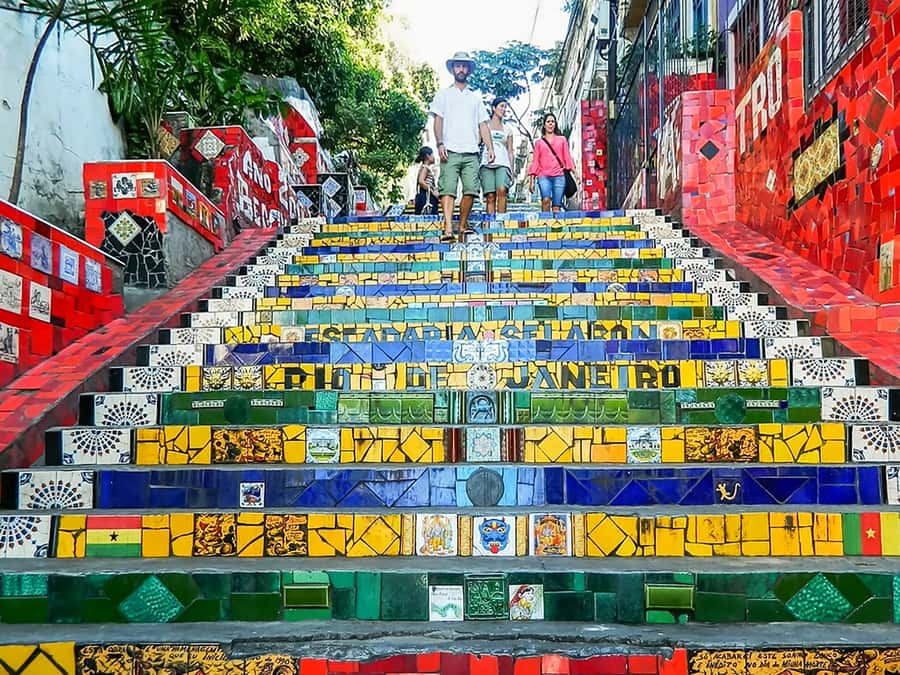
Then comes one of Rio’s most playful landmarks: the Selarón Steps. This gigantic mosaic staircase was created by Chilean artist Jorge Selarón, who began the project in the early 1990s. It’s built of colorful tiles, and the result feels both intimate and slightly chaotic—in the best way.
You’ll see the steps as a true monument, not just a wall of color. The thing that makes Selarón special is how it mixes art, personal devotion, and public space. It’s the kind of place where you notice new details every time you look down at the tile patterns.
Tip for your visit: move at a slow walking pace and plan for photos. The stairs pull you downward (and your feet will do the same), so comfy shoes matter. Also, don’t rush the stop. If you only glance and move on, you miss the charm: the tile colors, repairs, and the way the mosaic changes across the steps.
Rio Cathedral Stained Glass: A Midday Reset You’ll Appreciate
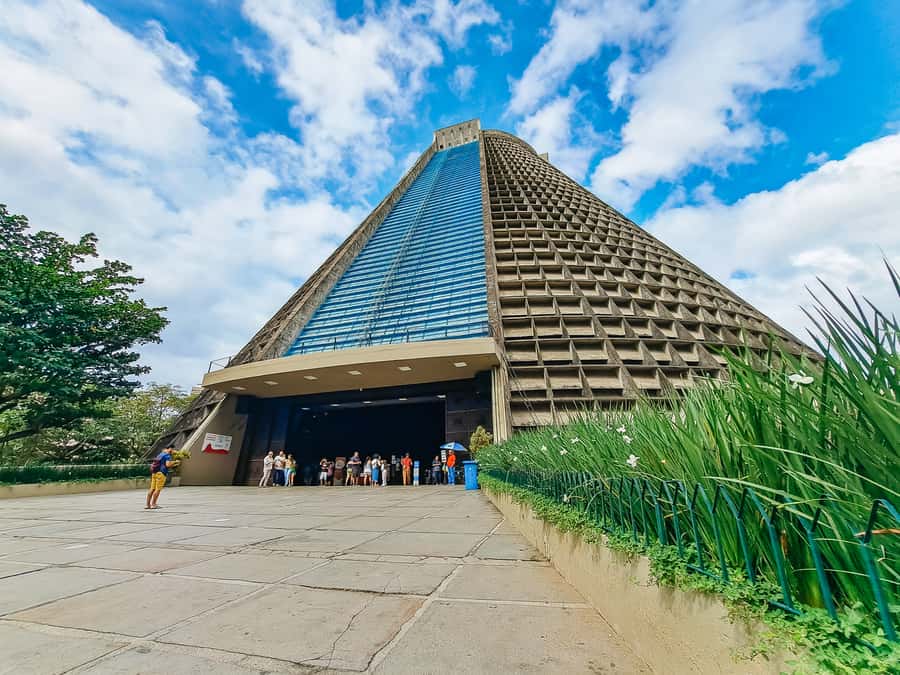
The itinerary includes a stop at the Metropolitan Cathedral of Rio de Janeiro, with entry to see the stained glass inside. This is a different mood from the outdoor noise and the hillside views. Inside, the light hits the stained-glass panels and the biblical passages create a calm, almost cinematic effect.
It’s a smart placement in the day. After Corcovado and the city sights, your brain needs a breather, and a seated, indoor visual stop does that. If you’re traveling with a group that loves photos, this also gives everyone something varied: wide views outside, then stained-glass detail inside.
Time note: the schedule can shift depending on weather and conditions. The tour runs rain or shine, and the order can change without notice, so don’t plan your day around a fixed minute-to-minute timeline.





All-You-Can-Eat Lunch: Fuel for the Second Half of Rio
Lunch is included, and it’s an all-you-can-eat buffet. Drinks and dessert are not included, so if you want soda, juice, or something sweet, you’ll likely pay extra.
Buffet-style lunches work well on a highlights tour because they reduce decision fatigue. You don’t have to find a restaurant, negotiate menus, or worry about whether you’ll eat in time. You can also sample without committing to one dish, which is useful when you’re eating in a new country and trying to keep the day moving.
One practical strategy: don’t overfill on the first plate. Sugarloaf is coming next, and you’ll be walking and standing for viewpoints. If you go heavy right away, your energy can drop right when you want to enjoy the cable car ride.
Sugarloaf Mountain by Cable Car: 360 Degrees of Rio’s Coastline

You’ll end with Sugarloaf Mountain in the Urca neighborhood, and the cable car ride is a big part of why this stop is memorable. The top sits about 220 meters above sea level, and the views are the kind that force you to look around and stop thinking in straight lines.
From up there, you can take in the 360-degree view: Rio’s city spread, Guanabara Bay, the city of Niterói across the water, and the blue waters of the Atlantic Ocean. This is where you really understand Rio’s geography. It’s not just hills and beaches—it’s a whole system of coastline, bays, and viewpoints.
Yes, there can be waits at Sugarloaf in peak time. The cable car is a popular draw, and that doesn’t change. But even with waiting, the payoff is strong because the view is immediate once you’re in position.
Price and Value: What $130 Buys in a Long Day

At about $130 per person for an 8-hour highlights day, the value is mostly convenience and coverage, not just sightseeing.
Here’s what you’re getting for that price:
- Hotel pickup and drop-off
- Paid entry to Christ the Redeemer, the Metropolitan Cathedral, and Sugarloaf
- A multilingual guide
- External visits to Selarón Steps, Maracanã, and the Sambadrome
- Lunch (all-you-can-eat buffet)
If you tried to piece this together on your own, you’d spend time coordinating transport between far-apart neighborhoods and you’d still have to pay separate entry fees. The guide also helps you understand what you’re seeing in the moment, which is where tours usually justify their cost.
Big caveat: traffic and crowds can stretch the day. In high season, tours can run longer because of the city’s volume. If you hate being rushed or stuck in lines, this is something to factor into your expectations.
Who This Tour Fits Best (and Who Should Rethink It)
This is a strong match if you:
- Want a first-time overview of Rio’s most famous sights
- Like learning the cultural side, not just taking photos
- Prefer not to plan transport across multiple neighborhoods
- Will enjoy a packed day with stops that blend viewpoints and landmarks
It may be less ideal if you:
- Want to go inside Maracanã or the Sambadrome (entrance isn’t included; visits are external)
- Need lots of slow, flexible pacing, since the day is tight by design
- Rely on mobility support: the information lists wheelchair accessibility, but it also states the tour is not suitable for wheelchair users and people with mobility impairments. If you’re in that category, contact the operator directly before booking.
Should You Book This Rio Highlights Tour?
If you’re doing Rio for a limited time, I’d lean toward booking this. It hits the big hitters—Christ the Redeemer, Selarón Steps, Cathedral stained glass, and Sugarloaf—with transport and entry fees handled, plus lunch included. It’s an efficient way to build your bearings fast, especially if you plan to explore more neighborhoods later.
Skip or adjust expectations if you’re chasing deep stadium access or you know you’ll struggle with crowds and wait times. In high season, you’ll feel the pressure. But if you can handle a full day and want a clear first pass over Rio’s most iconic sights, this tour is a practical choice.
FAQ
How long is the tour, and when does it start?
The duration is 8 hours. Pickup typically happens between 7:45 AM and 9:30 AM depending on your hotel location.
Where does hotel pickup happen?
Pickup is included from most hotels in the Leblon, Ipanema, Copacabana, Leme, Botafogo, Flamengo, and Centro areas.
What attractions are included with entry tickets?
Entry fees are included for Christ the Redeemer, the Metropolitan Cathedral of Rio de Janeiro, and Sugarloaf. Sugarloaf entry is also included.
Do you go inside Maracanã and the Sambadrome?
No. The tour includes external visits to Maracanã and the Sambadrome, and entrance tickets for those are not included.
What’s included for lunch?
Lunch is an all-you-can-eat buffet. Drinks and dessert are not included.
Is the tour outdoor only?
No. You’ll have a mix of outdoor viewpoints and an indoor visit to the Metropolitan Cathedral, where you can see stained glass inside.
Does the tour run in bad weather?
Yes. The tour takes place rain or shine.
What languages are available for the guide?
The live guide is available in French, Portuguese, English, German, Italian, and Spanish.
What should I bring, and what’s not allowed?
Wear comfortable shoes and clothes, and bring a passport or ID card (a copy is accepted). Luggage or large bags are not allowed.
Is cancellation free, and can I pay later?
Yes. You can cancel up to 24 hours in advance for a full refund. You can also reserve now and pay later.