REVIEW · RIO DE JANEIRO
More than a Pub Crawl: An Authentic Night Experience in Rio
Book on GetYourGuide →Operated by Free Walker Tours · Bookable on GetYourGuide
Rio’s Lapa is best understood after dark. This tour turns a simple night out into a guided route through real music, with cachaça shots and live samba built into the pace.
I especially like that the night is structured around local hangouts and short walking stretches, so you keep moving without feeling herded. The other big win is the energy from guides like Marx, Victor, and Bernardo, who push the group to dance and feel safe together. One thing to consider: it’s alcohol-forward, and you’ll be standing and moving through nightlife streets and venues for the full 4 hours.
In This Review
- Key takeaways
- Lapa at night: why a guide makes it better
- Meeting at Jurema Bar and starting with cachaça
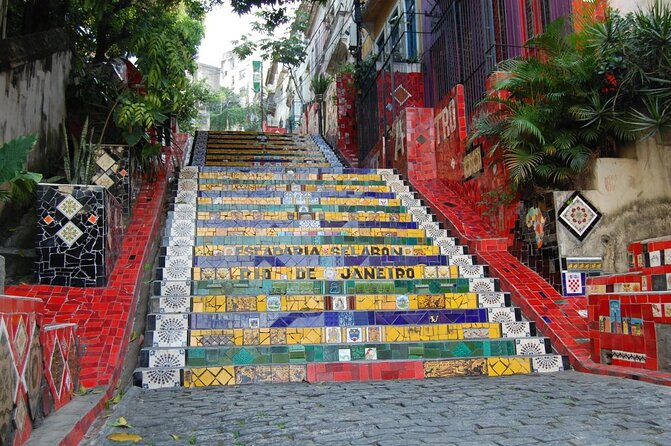
- Escadaria Selarón: the art stop that makes the area click
- The local bar stop: short visit, real atmosphere
- Samba class and the first big show block
- The second performance: concert and dance shows that keep rolling
- Finishing with a dance show: that last pull of momentum
- Walking between stops: easy movement, not a marathon
- The guide effect: language mix, group bonding, and feeling safe
- Forró rhythm meets samba energy: how you can participate
- Price and value: is $17 a good deal?
- Who should book this Lapa nightlife tour
- Should you book this Lapa nightlife tour?
- FAQ
- Where is the meeting point for the tour?
- How long is the tour?
- What is included in the price?
- Are additional drinks included?
- What should I bring?
- What languages are the guides?
- Is the tour suitable for wheelchair users or children?
- What is the cancellation and booking setup?
Key takeaways
- Welcome cachaça + free shots between stops and even while you queue
- Local-favorite bars instead of only the most tourist-aimed spots
- Escadaria Selarón gets more than a snapshot, with a guided arts-and-crafts stop
- Live samba and dance shows in multiple venues, paced in 50-minute blocks
- Solo-friendly group vibe, with guides known for mixing languages and keeping the group together
Lapa at night: why a guide makes it better
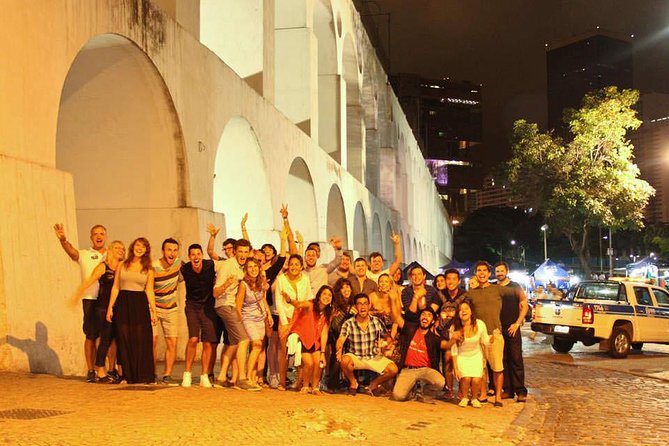
If you only show up to Lapa on your own, you’ll miss what makes it feel like Rio, not just a party street. Lapa is loud, social, and musical. But it also has a rhythm to it: where people gather, when music starts to pull you in, and how the night flows from one spot to the next.
This tour helps you catch that rhythm fast. You’re not spending time figuring out door policies or hunting for places that feel local. Instead, you start with a cachaça shot, then follow a guided path that mixes iconic sights with the kind of bars locals actually choose when they want music and conversation.
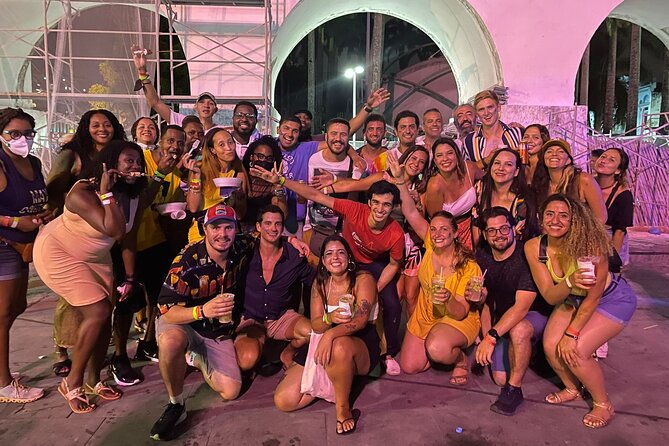
Also, it helps if you’re traveling solo. The group format is part of the product. You’ll meet people from around the world, and the guides actively create opportunities for you to connect rather than just follow at a distance.
You can also read our reviews of more evening experiences in Rio De Janeiro



Meeting at Jurema Bar and starting with cachaça
Your night starts at Jurema Bar (the operator location is listed as Jurema da Lapa Alimentos e Bebidas LTDA). This matters because Lapa nights move quickly. If you’re not sure where you’re supposed to be, you can lose momentum before the music even begins.
The tour keeps things simple: you check in, you get oriented, and you begin with a welcome shot of cachaça. That first shot isn’t only about getting drinks early. It’s a social cue. It lowers the awkward edge when you’re joining strangers, and it sets the tone for the queues and the next stop.
One practical tip: bring your passport or ID card. It’s required, and you don’t want to be stuck at check-in while the group waits.
Escadaria Selarón: the art stop that makes the area click
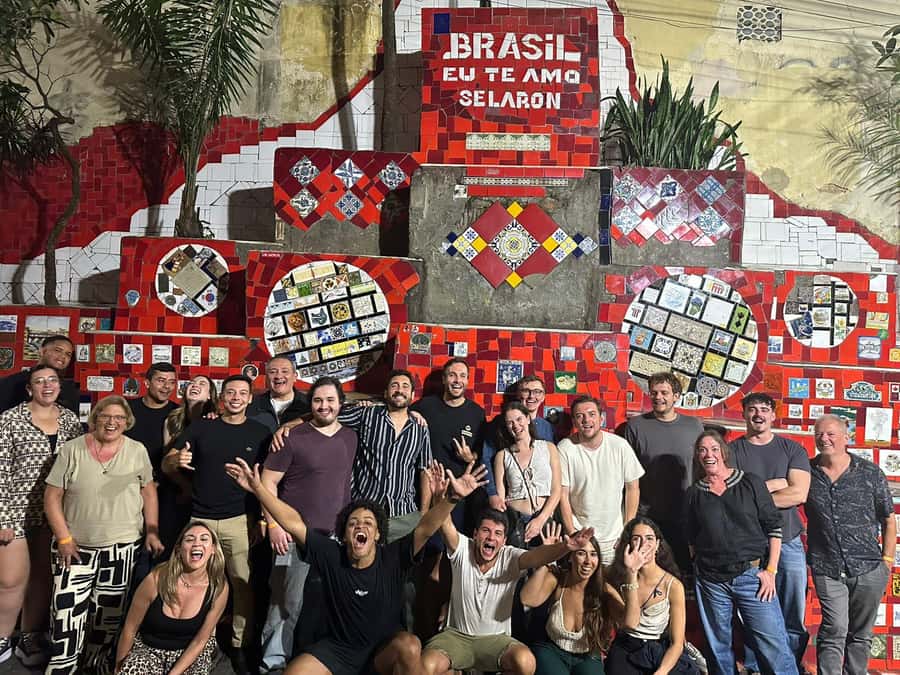
One of the best moments on this kind of night is when you see a landmark and suddenly understand why people care about it. Escadaria Selarón is famous for a reason, but the key is what you do with it. This tour includes a photo stop plus a guided look and a chance to browse an arts-and-crafts market for about 15 minutes.
Why that’s worth your time: it turns a “check the box” stop into a quick lesson in place. You get context before you head deeper into the nightlife blocks, so you’re not just wandering. You’re moving through Lapa with a sense of what you’re looking at.
The pace here is also realistic. Fifteen minutes doesn’t drag, but it gives you time to step back from the camera mode and actually read the vibe of the steps and the surrounding market energy.
The local bar stop: short visit, real atmosphere
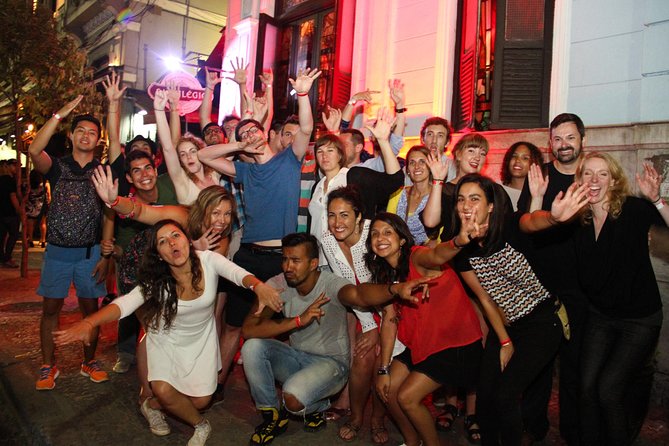
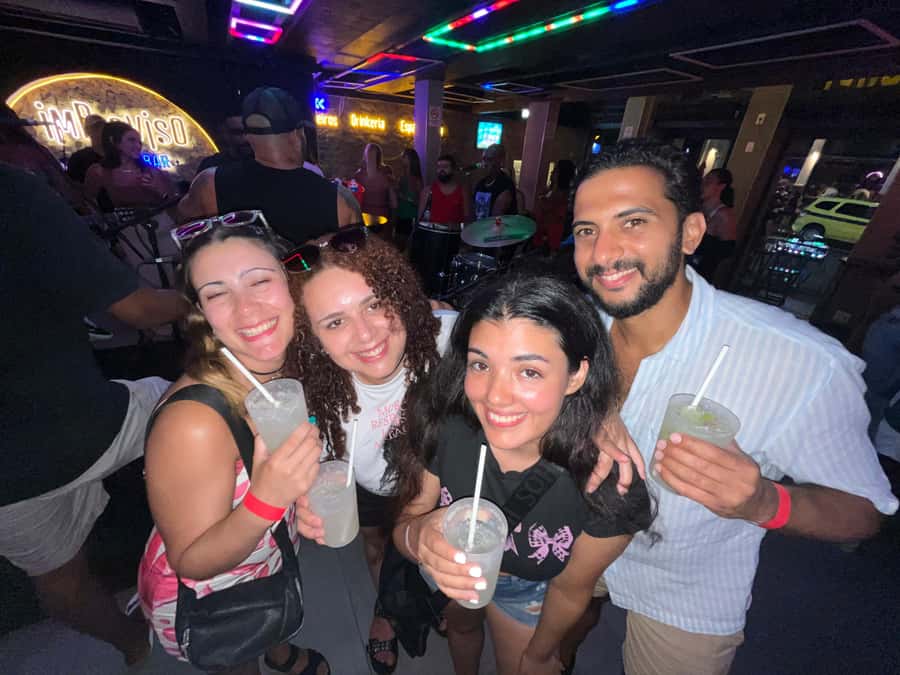
After a short walk, you hit a local bar for about 30 minutes. This is where the tour shifts from landmark sightseeing to nightlife behavior: how people order, how the room feels, and how music becomes the center of gravity.
The tour includes a photo stop and guided elements at this point, which helps if you’re new to Lapa and you want to know what you’re seeing. You get time to settle your nerves, talk to your group, and make sure you’re ready for the music-heavy portions that come next.
What I like here is the restraint. You’re not trapped in one place for the entire night. The short local bar stop gives you enough to feel the area while still keeping momentum toward live performances.
Samba class and the first big show block
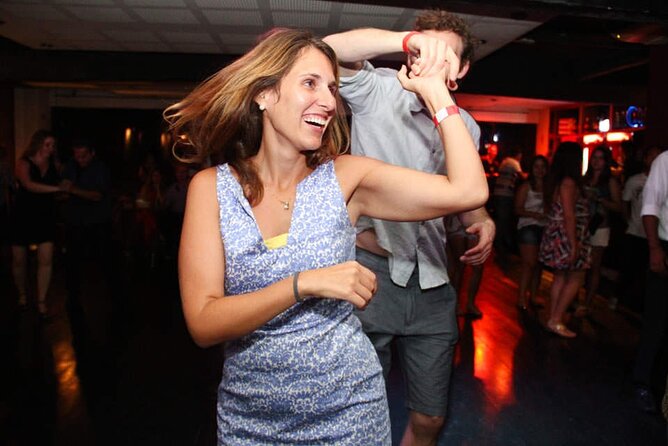
Then the night turns into structured performance time. You move into a sequence that includes a class/concert/traditional dance show for about 50 minutes.
This segment can be a lot of fun if you’re even slightly open to looking a little silly while you learn. A dance class works best when you don’t overthink it. The guides on this tour have a reputation for encouraging the group and teaching basic moves, so you’re not left to guess how to participate.
This also explains why people keep calling it more than a pub crawl. Yes, there are shots and club entrances. But a big part of the value is the cultural “how it works” piece: you’re learning how samba and dance energy show up in a live setting, not just photographing it from the edge.
You can also read our reviews of more nightlife experiences in Rio De Janeiro
The second performance: concert and dance shows that keep rolling
Next comes another 50-minute block with concert and dance show elements. This is where the energy stays steady instead of spiking for 10 minutes and then collapsing.
If you’re worried about fatigue, this pacing helps. The tour uses multiple 30- and 50-minute segments, and that lets you reset your body between venues. You’re also not stuck negotiating with the wrong kind of crowd or trying to figure out which bar has live music at that exact moment.
This is a good time to lean into being part of the group. If you’re traveling with friends, you’ll still have your fun. If you’re solo, this is where conversations naturally start because everyone has the same shared moment to react to.
Finishing with a dance show: that last pull of momentum
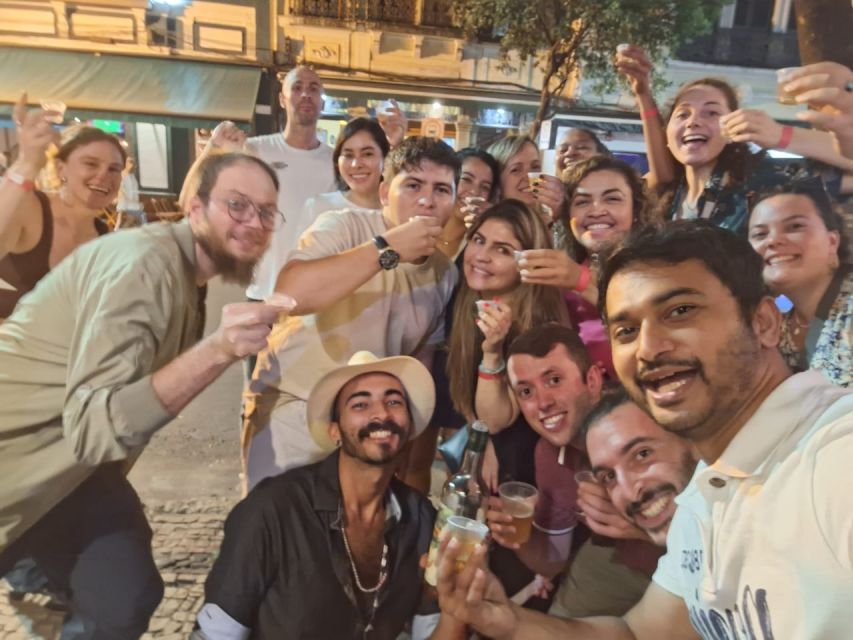
The final stop includes a 30-minute dance show. This ending matters. A lot of nightlife tours burn their best energy early, then limp out of the area. Here, you get one more performance that helps the night end on a high note rather than a slow fade.
You also get a chance to practice what you picked up earlier. The tour’s highlights mention joining in yourself, and the flow of shows supports that idea. Even if you’re not a dancer, you can still participate with timing, clapping, and body movement without needing full choreography.
Walking between stops: easy movement, not a marathon
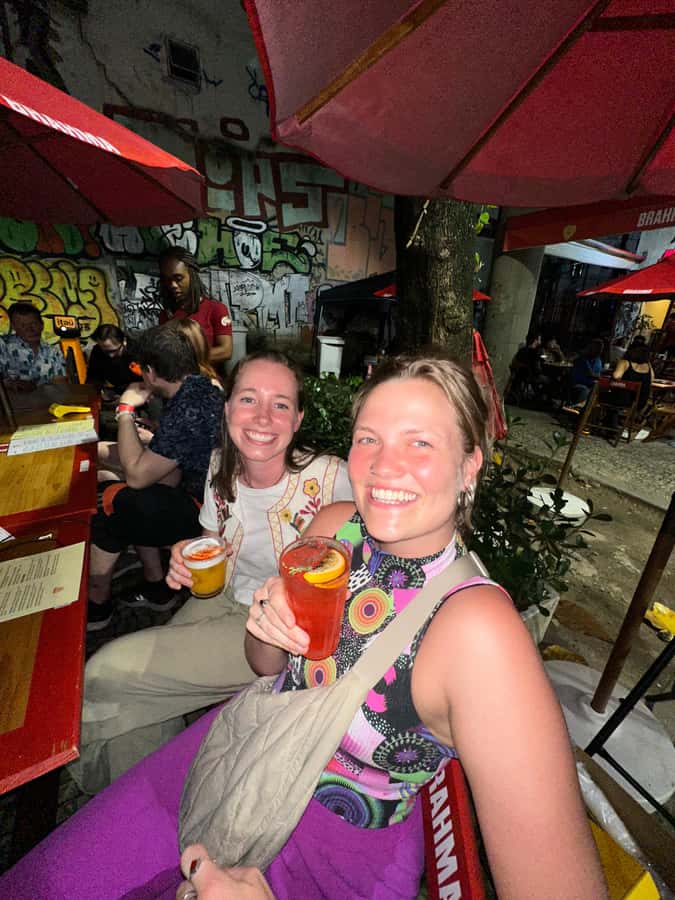
You’ll do short on-foot stretches between stops (for example, a brief walk of around 5 minutes between key parts). That’s a smart design choice for a nightlife experience. Longer walks can turn a fun night into “why did I wear these shoes.”
Short walking segments also keep you in the same emotional zone: you’re always near the action, and the night stays connected instead of breaking into separate plans.
Practical shoe advice: wear something you can stand in. Even with short walks, the venues and music moments mean you’ll likely be upright for long stretches.
The guide effect: language mix, group bonding, and feeling safe
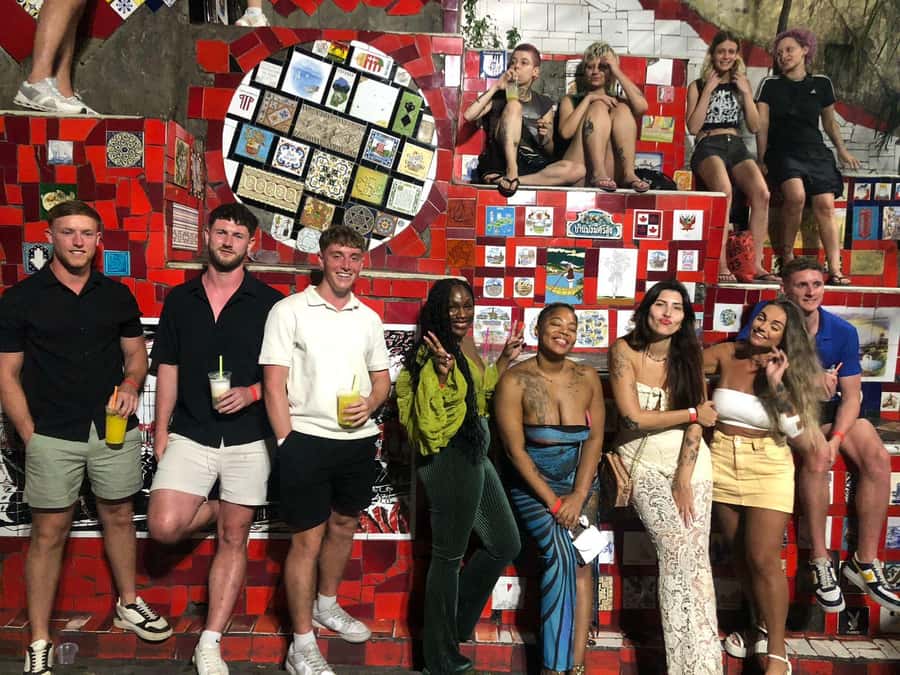
The guides are a huge reason this tour scores high. The names that come up a lot include Marx, Victor, Bernardo, Junior, and Julia, plus others like Will who help create energy. The common thread is attention: people describe guides as attentive, bubbly, and easy to follow.
Two things stand out for me as a practical traveler:
First, language. You can get guidance in English, Portuguese, or Spanish. That matters in Lapa, because a nightlife venue can feel chaotic if you can’t quickly ask simple questions. A guide who can switch languages keeps you from feeling lost.
Second, group care. Some participants specifically noted feeling safe with the group. I wouldn’t treat that as a blanket guarantee, but it does tell you the guides pay attention to keeping everyone together and moving in the same direction.
And for solo travelers, that’s everything. The tour gives you a ready-made social circle, and the guides help it happen.
Forró rhythm meets samba energy: how you can participate
The tour’s promise isn’t only samba watching. It also highlights the sway of forró, and it encourages you to join in. That blend is part of what makes the night feel like Rio rather than a single-style performance.
So what does participation look like in real life? You’ll likely be encouraged to take part in dance moments during the shows and potentially learn some basic samba steps from the guide team. You don’t need to be skilled. The goal is to get your body moving in time with the music and to enjoy the social side of it.
If you’ve ever felt nervous about dancing in public, here’s the useful mindset: follow the group’s energy first. Then copy what people around you are doing. You don’t have to invent your own moves from zero.
Price and value: is $17 a good deal?
At $17 per person for a 4-hour experience, the value comes from what’s included, not what’s excluded. Included items are meaningful here:
- Shots of cachaça
- Entrance at the clubs
- Guides
- Live samba
Not included: additional drinks.
So you’re paying for entry and organized access to nightlife venues plus alcohol shots that keep the social mood going. In many destinations, one club entrance plus one drink can cost close to the whole price—especially when you’re paying as an individual without a group arrangement. Here, you’re also getting structured time with shows, rather than paying only for “the right street.”
The other value angle is time. A guided route saves you mental effort. You don’t have to figure out where the music is when you arrive, or whether you’re dressed right for a specific place. You arrive, you check in, you go.
Who should book this Lapa nightlife tour
This tour fits best if you want a lively Rio night with guidance, music, and social energy. You’ll probably enjoy it if:
- You’re visiting Rio for the first time and want Lapa nightlife context
- You’re traveling solo and want to meet people without planning everything yourself
- You enjoy samba and don’t mind learning a few steps or joining in
- You want a night that mixes iconic Rio (Escadaria Selarón) with local bar energy
It may not be the right match if:
- You’re looking for a quiet cultural walk, museum-style pacing, or a chill low-alcohol night
- You need wheelchair access (it’s not suitable for wheelchair users)
- You’re traveling with kids or teens under 18 (not suitable)
Should you book this Lapa nightlife tour?
Yes, I think you should book it if your goal is a fun, social Rio night that feels grounded in local nightlife rather than only tourist stops. The biggest reasons to choose it are the structure (4 hours with multiple performance blocks), the included cachaça shots, and the fact that the guides seem to actively build group energy.
If you’re the type who hates standing around waiting for unclear plans, the guided flow here helps. And if you want to experience samba in a way that lets you participate, not just watch, the dance-show sequence is built for that.
One final reality check: it’s nightlife. You’ll be in energetic venues and moving through the area at night. If you can handle that, this is a strong value way to experience Lapa’s music and social pulse.
FAQ
Where is the meeting point for the tour?
You meet at Jurema Bar.
How long is the tour?
The tour lasts about 4 hours.
What is included in the price?
The price includes shots of cachaça, entrance at the clubs, live samba, and guided support.
Are additional drinks included?
No. Additional drinks are not included.
What should I bring?
Bring your passport or an ID card.
What languages are the guides?
The tour guide speaks Spanish, English, and Portuguese.
Is the tour suitable for wheelchair users or children?
No. It’s not suitable for wheelchair users, and it isn’t for children under 18.
What is the cancellation and booking setup?
Booking is required. Free cancellation is available up to 24 hours in advance for a full refund, and you can reserve now and pay later.