REVIEW · RIO DE JANEIRO
Rio De Janeiro: Half-Day Rocinha Favela Walking Tour
Book on GetYourGuide →Operated by LOCAL55 TRAVEL · Bookable on GetYourGuide
Rocinha isn’t a postcard. This half-day Rocinha favela walking tour focuses on real routines, explained by locals, with time for major Rio views and culture stops like capoeira. You’re walking through tight alleys and stairs with a group, so the experience feels personal and grounded instead of like a drive-by.
I especially like the tone: it’s designed to be non-intrusive, built around correcting the stereotypes that come from headlines and films. And I like that you’re not just collecting photos—you learn the history and the social and economic challenges that shape life in the community, plus you’ll hear stories directly from people who live there. One drawback to plan for: the route is physically demanding, and the tour is not recommended for knee problems or for guests with mobility issues.
In This Review
- Key Things That Make This Tour Worth It
- Rocinha On Foot: Why This Tour Feels Different
- Meeting at Copacabana: The Exact Start You Need
- What a 3-Hour Half-Day Really Gives You
- Inside Rocinha: Respectful Walking, Not a Drive-By
- History, Challenges, and How Daily Life Functions
- The Viewpoint Over Rio: When the City Looks Different
- Capoeira Stop: Culture You Can Watch Up Close
- Safety and Comfort: What to Actually Do
- Price and Value: Is $35 a Fair Deal?
- Who Should Book This Tour (and Who Should Skip It)
- Should You Book This Rocinha Half-Day Walk?
- FAQ
- How long is the Rio De Janeiro: Half-Day Rocinha Favela Walking Tour?
- Where do I meet for the tour?
- What’s included in the price?
- Are food and drinks included?
- What languages are the guides?
- Is hotel pickup included?
- Is this tour suitable for wheelchair users or people with mobility impairments?
Key Things That Make This Tour Worth It

- Local English-speaking guidance led by favela hosts who know how to explain life there with respect
- Walks in small groups instead of jeep-style “photo stops,” so you move at a human pace
- History and everyday challenges shared in plain language to connect cause and effect
- Panoramic Rio viewpoints where the city suddenly makes sense from the hill
- Capoeira culture stop that shows how art and training grow inside the community
- Your ticket includes a community contribution, so your visit has a built-in impact
Rocinha On Foot: Why This Tour Feels Different
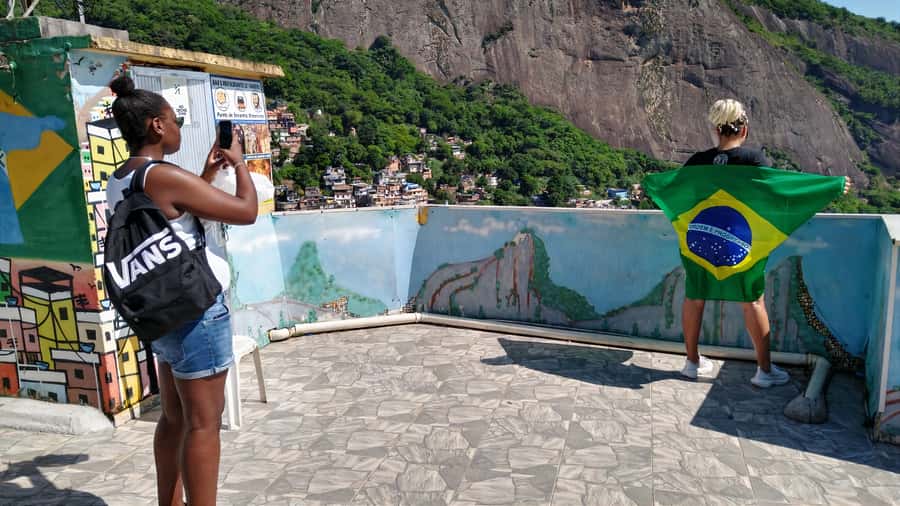
Rocinha is the biggest favela in Rio de Janeiro and one of the largest in South America. The point of this walking tour isn’t to sensationalize it—it’s to give you a clearer picture of how daily life works when you’re not watching from the outside.
Walking matters. When you move on foot through narrow alleys, you naturally slow down, ask questions, and notice details you’d miss from a vehicle. It also reduces the “zoo-tour” feeling because the interaction is more about conversation and context than about rushing past everything.
The biggest win here is how the tour cuts through the fog created by stereotypes. You’ll hear about Rocinha’s challenges and how residents navigate them, but you’ll also see community pride—people working, teaching, creating, and looking out for one another.
You can also read our reviews of more walking tours in Rio De Janeiro



Meeting at Copacabana: The Exact Start You Need
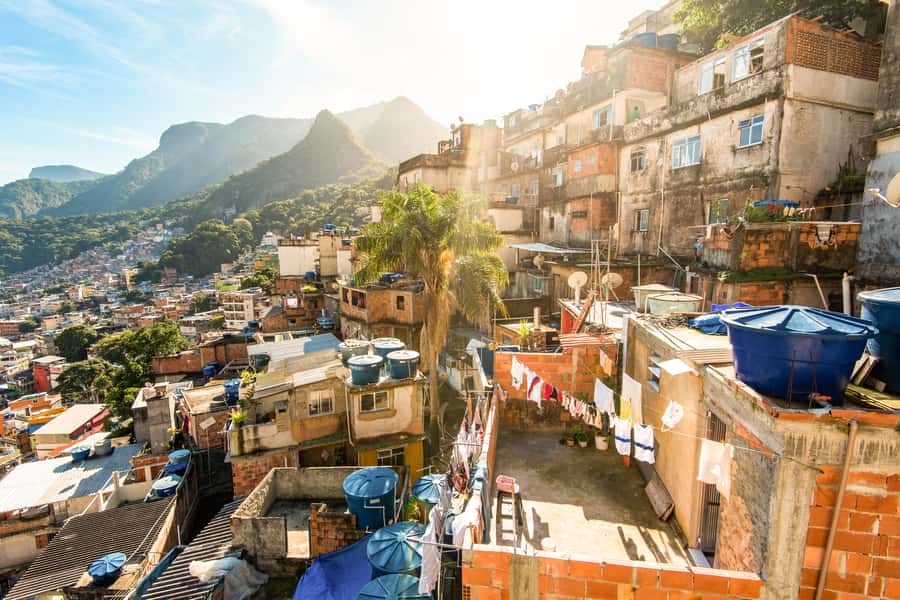
You’ll meet in front of the Belmond Copacabana Palace Hotel at 13:25 (that’s 1:25 pm). Stand next to the statue of journalist Ibrahim Sued in front of the main entrance, on the same sidewalk as the hotel.
This matters because it sets the pace for the whole afternoon. If you’re late or hunting for the right spot, you’ll feel rushed right from the start—exactly what you don’t want for a walking tour with tight streets ahead.
Bring your camera, but also keep it practical. In a place like Rocinha, you’ll want to avoid stopping in awkward spots or blocking foot traffic. Having comfortable clothes and good shoes on from the beginning will make the rest of the tour feel easier.
What a 3-Hour Half-Day Really Gives You

This tour runs about 3 hours, so it’s long enough to learn real context and still short enough to keep your energy for the stairs. The half-day format is ideal if you’re already spending time in Rio’s classic neighborhoods and want something that changes your perspective without swallowing your whole afternoon.
You should expect a sequence of experiences that builds: getting oriented, learning the history and pressures residents face, then moving toward viewpoints where Rio opens up. Many tours also include cultural stops that help you understand how music and movement—like capoeira—fit into everyday life, not just tourist programming.
A quick planning note: you’ll be walking through narrow alleys and stairs, so pace yourself. If you’re even slightly unsure about stamina, choose supportive shoes and plan for a slower rhythm than you’d use on flat ground.
Inside Rocinha: Respectful Walking, Not a Drive-By

The tour is organized by local, English-speaking guides and favela hosts, with a clear goal: respectful, non-intrusive contact. That means you’re not treated like an outsider gawking for entertainment, and you’re not expected to behave like you own the street.
You’ll walk in small groups. That’s a real quality-of-life factor because it helps keep the experience calm and easier to manage on crowded paths. It also makes it easier to hear explanations without shouting over a gap of people.
As you go, you’ll cut through the “headlines versus reality” gap. Many parts of Rocinha have been flattened in media storytelling, especially because of portrayals tied to films like City of God. A good guide will work to correct that with human details—how people organize daily life, what’s hard, what’s handled internally, and where community support shows up.
History, Challenges, and How Daily Life Functions

This tour isn’t just about what Rocinha looks like—it’s about why it looks that way. You’ll learn the history of the favela and the social and economic challenges that shape the neighborhood.
The practical value for you is perspective. In Rio, it’s easy to treat neighborhoods as separate worlds. Here, you’ll see how those worlds connect through inequality, opportunity, and the choices residents make to survive and improve life. That context makes everything you see during the walk click into place.
You’ll also hear stories that help explain local priorities. Some guides—people like Wellington and Alberto are mentioned by name in accounts of this tour—are described as calm, attentive, and deeply connected to the community. One guide story that stands out is how a host like Alberto has been described as showing his own house area and explaining what life is like from the inside. That kind of explanation is hard to fake, and it’s exactly why local guidance matters here.
You can also read our reviews of more tours and experiences in Rio De Janeiro






The Viewpoint Over Rio: When the City Looks Different
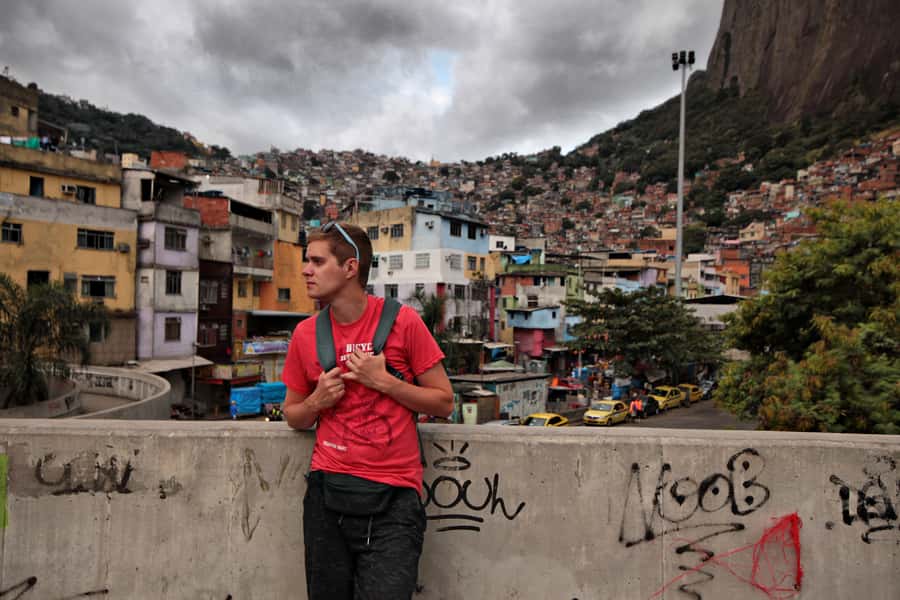
Expect a viewpoint moment. In some versions of this tour, you’ll reach a spot with panoramic Rio views—one referenced by visitors is Novo Visual Rocinha—and the contrast between the city’s different layers becomes obvious.
This stop is useful because it does more than provide photos. It gives you spatial understanding. When you’re standing higher on the hill, you can see why routes are steep, why neighborhoods cluster the way they do, and why daily navigation shapes everything from work to school to family life.
You might also have time around a rooftop bar setting where you can buy drinks. Food and drinks are not included in the tour price, so plan to pay separately if you want a caipirinha or something similar while enjoying the view.
Capoeira Stop: Culture You Can Watch Up Close
A major cultural highlight is capoeira. The tour often includes a visit to a capoeira school where you can watch local performers or a demonstration by kids and instructors. This isn’t just entertainment—it’s a window into how art, discipline, and community energy are passed along.
In multiple accounts, capoeira is described as a real highlight—impressive, lively, and tied to local giving back. If you see an option to donate, that fits the idea that this is a community space, not a stage built for tourists.
Keep your expectations grounded. You’re not just attending a show—you’re meeting part of the community that uses movement and music to teach identity and resilience. Even if you’ve never tried capoeira, you’ll understand why it’s so powerful here once you hear the context from the guide.
Safety and Comfort: What to Actually Do
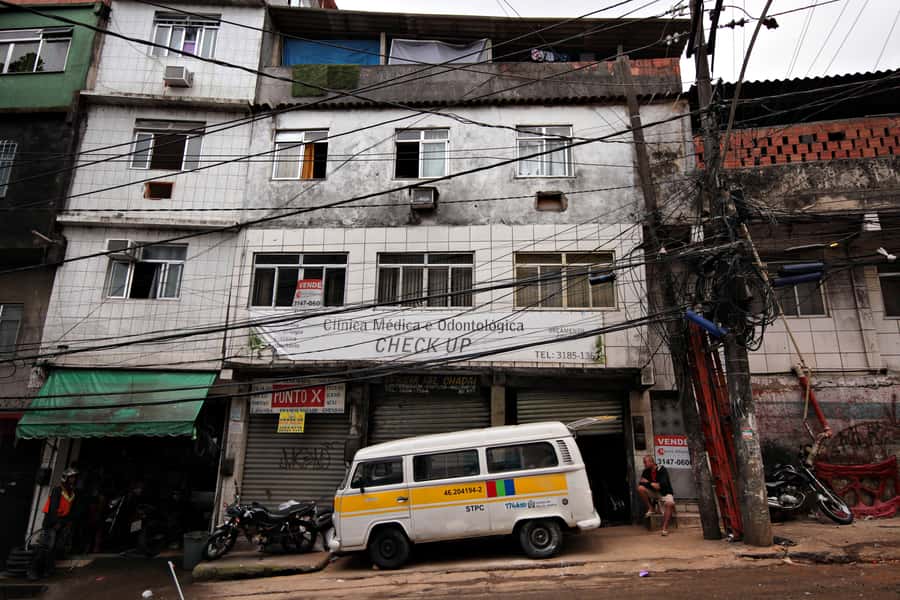
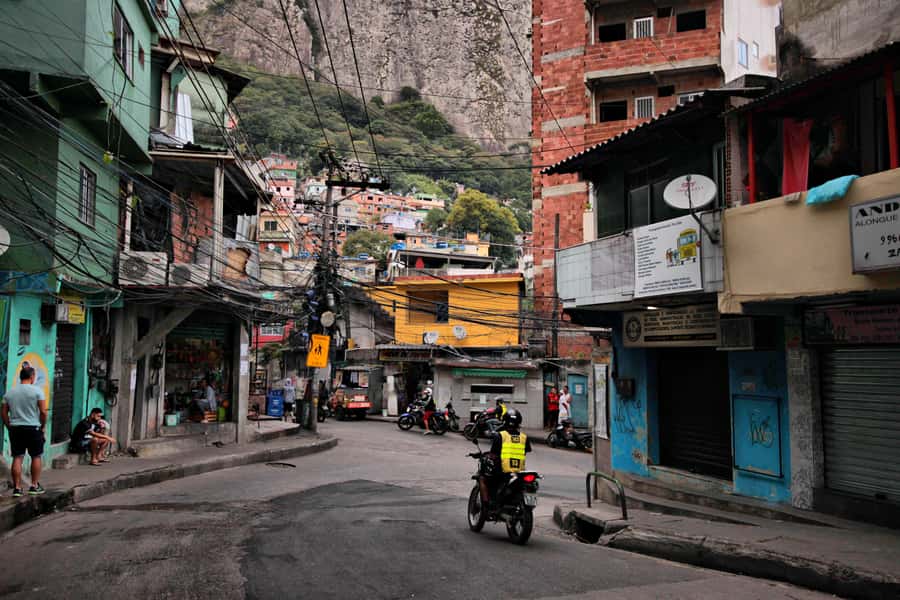
Rocinha is a neighborhood with real complexity. The key thing your guide controls is rhythm: where you walk, how long you stop, and how you move through narrow areas without turning the street into a spectacle.
The tour is repeatedly described as feeling safe when led by someone who lives in Rocinha. Guides like Wellington and Alberto are specifically named in positive accounts for making groups feel taken care of and for guiding calmly even when routes are considered more challenging.
Your part is simple:
- Wear comfortable shoes with solid grip.
- Follow the group and stay close—don’t drift ahead to take photos.
- Keep valuables secure and use your camera thoughtfully.
- If you feel slow, tell your guide early. They can help manage pace.
If you have knee problems, mobility issues, or you simply know stairs are hard for you, treat that as a signal. This tour isn’t just “a bit of walking.” It’s narrow alleys plus stairs, which is why the tour is explicitly not recommended for guests with knee problems or mobility limitations.
Price and Value: Is $35 a Fair Deal?

At $35 per person for about 3 hours, this is not a bargain in the “cheap” sense. It’s a fair price when you compare what you’re paying for: a local guide, a walking route into Rocinha, and cultural stops like viewpoint and capoeira depending on the day.
The value also comes from what’s included behind the scenes. The tour cost includes a monetary contribution to the favela community, which means your payment isn’t purely transactional. It supports the local effort of hosting, guiding, and maintaining the respectful structure of the experience.
What you should budget extra for: food and drinks aren’t included, and you might encounter small additional costs connected to viewpoint or capoeira donation norms (those details vary by stop and day). If you’re the type of traveler who plans for small add-ons so you can fully participate, this tour’s price-to-experience ratio feels strong.
Who Should Book This Tour (and Who Should Skip It)
This tour fits you if you want more than sightseeing. If you care about context—history, social realities, and culture—walking with a local guide like Wellington, Alberto, or others in the team makes your afternoon more meaningful.
It’s also a good fit if you prefer walking over jeep-style tours. The whole point is that you experience Rocinha by moving through it with people who can explain what you’re seeing.
Skip it if any of these apply:
- Children under 6
- Wheelchair users or people with mobility impairments
- People over 287 lbs (130 kg), plus other listed weight cutoffs in the same category
- People over 75 (and another listed cutoff over 70)
- People with recent surgeries
- Anyone with knee problems, since narrow alleys and stairs are part of the route
Basically: this is for guests who can handle stairs and steady walking on uneven, tight paths.
Should You Book This Rocinha Half-Day Walk?
If you’re visiting Rio and you want one activity that truly changes how you understand the city, I think this tour is a strong choice. The combination of local hosting, respectful access, viewpoint time, and capoeira makes it more than a photo excursion.
The main reason not to book is physical. If stairs are an issue, don’t force it. But if you’re steady on your feet and you’re comfortable asking questions respectfully, this is one of the most direct ways to cut through stereotype and see daily life in Rocinha with context.
FAQ
How long is the Rio De Janeiro: Half-Day Rocinha Favela Walking Tour?
The tour lasts about 3 hours.
Where do I meet for the tour?
Meet in front of the Belmond Copacabana Palace Hotel at 13:25. The meeting spot is next to the statue of journalist Ibrahim Sued.
What’s included in the price?
The tour includes a local guide and the walking tour.
Are food and drinks included?
No, food and drinks are not included.
What languages are the guides?
The live tour guide offers Spanish, English, and Portuguese.
Is hotel pickup included?
No, hotel pickup is not included.
Is this tour suitable for wheelchair users or people with mobility impairments?
No. It is not suitable for people with mobility impairments or wheelchair users, and it is also not recommended for people with knee problems due to narrow alleys and stairs.