
REVIEW · RIO DE JANEIRO
Surf lessons with local instructors in Copacabana/ipanema!
Book on GetYourGuide →Operated by Rio tours & activities · Bookable on GetYourGuide
First wave jitters in Rio feel oddly calming. In Copacabana and Ipanema, this surf lesson puts you with local instructors and aims you toward better waves beyond the break, with safety taught in plain, practical terms. My favorite part is how much fun you can have even if you spend the day falling and getting back up, but do keep one thing in mind: there’s an extra cash payment of 200 reais per person on the day, and you should contact the teacher on WhatsApp the day before so you don’t waste time searching.
This experience is built for beginners and for people who want real instruction, not just grabbing a board and hoping. You get stretching and first-contact coaching, then skill work on getting up, plus guidance on how to handle the ocean—where to go inside, when to go out, and how to return safely. Lessons run in groups or privately, and the staff offers optional photos and videos for an extra cost.
One practical drawback: a small number of bookings reported trouble locating the guide at the meeting point and having to pay again. The course still sounds fun and effective when it goes smoothly, but I’d treat communication as part of your prep, not an afterthought.
In This Review
- Key highlights worth planning for
- Copacabana and Ipanema: why the setting matters for beginners
- Before you ride: stretching, sand practice, and mental prep
- The one-hour surf lesson: pop-up technique you can actually use
- Going outside for better waves: safety and control are the real prize
- Group vs private lessons: choose your learning style
- Price and what you’ll actually pay in Rio
- Gear included: what you get and what you should bring
- The meeting point and WhatsApp rule that prevents stress
- Photos and videos: worth it or skip it?
- Who this surf lesson suits best
- Should you book this Copacabana and Ipanema surf lesson?
- FAQ
- FAQ
- How long is the surf lesson?
- Where does the activity take place?
- What is included in the price?
- Do I need to pay extra on the day?
- Can I book a group lesson or a private lesson?
- What language support is available?
- What should I bring to the lesson?
- Do I need to message the instructor before the lesson?
- Are photos and videos provided?
- Is this activity suitable for very young children?
- What if I need to cancel?
Key highlights worth planning for
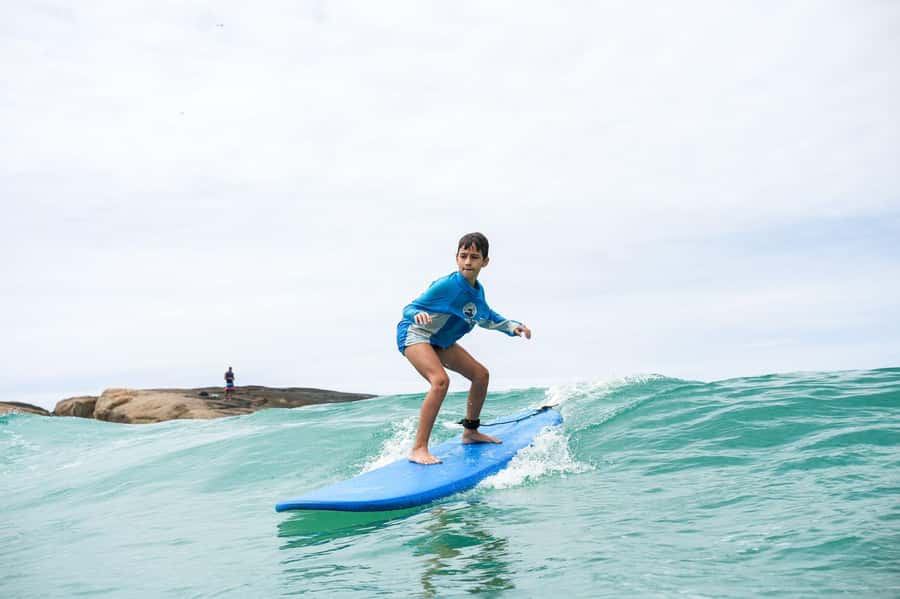
- Local instruction that focuses on real technique: pop-up basics, body control, and reading what to do next
- Safety coaching built into the session: how to manage inside/outside the break
- You get one full hour on the water (not just a quick demo), plus time for warm-up and preparation
- Group or private options: choose what matches your comfort level and pace
- Optional media: photos and videos are available if you want extra proof of your first rides
- Gear is included: surfboard, leash, and surf clothes are part of the deal
Copacabana and Ipanema: why the setting matters for beginners
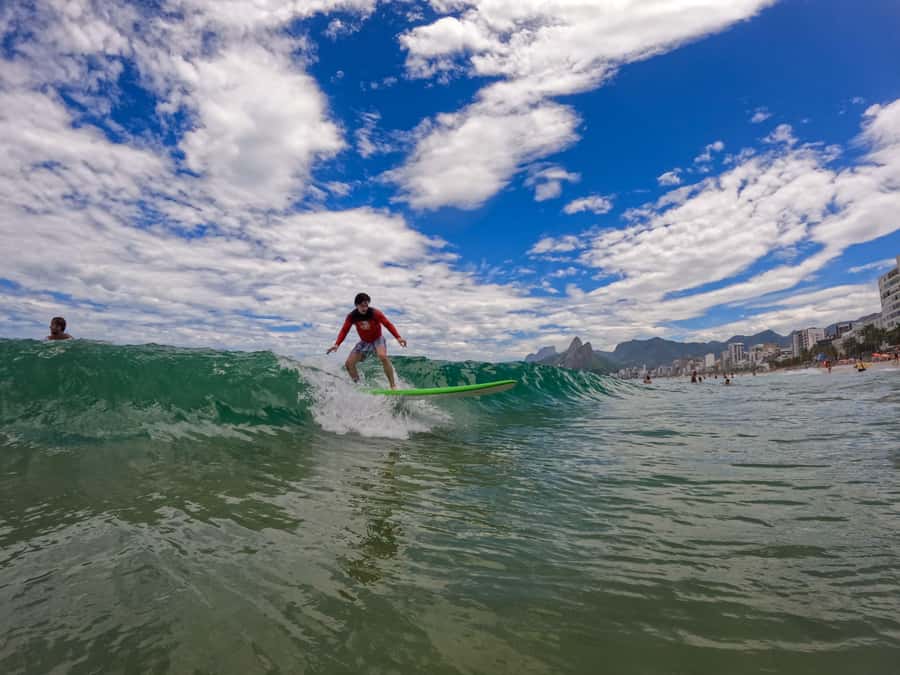
Surf lessons in Rio can feel magical, but the key for you is whether the instruction matches the water. Copacabana and Ipanema are busy, and currents can be tricky, so the value here is that the lesson isn’t only about balance—it’s also about learning how to behave in the sea.
You’ll also appreciate the ocean context. When you’re taught how to go out past the break and how to come back safely, your time on the board starts to feel less random. That’s how you turn a first surf day from a clumsy flop-fest into actual progress.
And yes, Rio’s coastline is visually impressive. But the real advantage is the teaching style: practical steps, repeated until your body understands them, and a strong focus on having fun while you learn.
You can also read our reviews of more tours and experiences in Rio De Janeiro



Before you ride: stretching, sand practice, and mental prep
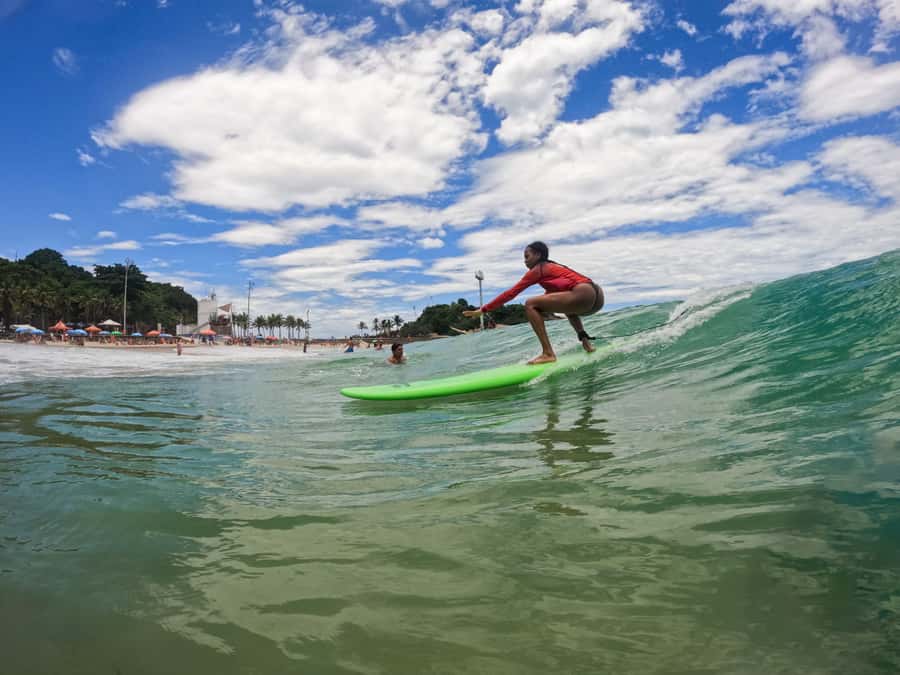
You start with the basics: scratching and getting your body and mind ready for first contact with surf. The goal is to protect your energy and your joints early, because surfing punishes you when you go in cold or tense.
Then comes the first big skill: how to get up on the board. For beginners, that usually means learning a sequence you can repeat. You practice getting into position on land (or near shore), and you build the idea of where your weight should go before you try it on a wave.
You’ll also get instruction on sea behavior, which matters more than people think. It’s not just about catching waves. You’re taught how to take care inside the sea, how to go outside to the break, and how to return.
That ocean-focused coaching is one of the reasons this works for first-timers. You’re not guessing. You’re being guided through the parts that make surfing safe and enjoyable.
The one-hour surf lesson: pop-up technique you can actually use
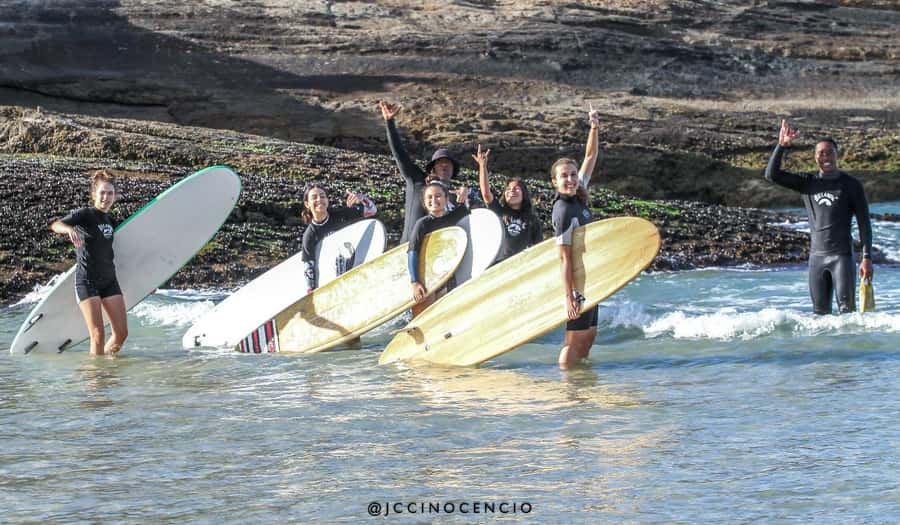
The core of the session is one hour of surf lesson. In that time, you should expect you’ll spend meaningful moments trying the skills, not just watching.
Here’s what you’re training for:
- How to position your body so the board moves under you
- How to get your legs under you for the pop-up
- How to manage balance once you’re standing
- How to keep your attention on what the ocean is doing next
The highlight promise is that you’ll enjoy it a lot, whether you’re getting up or falling. That’s not just marketing. For beginners, falling is normal, and the instruction is what helps you recover fast and try again without panicking.
Also, the lesson is described as full and rich, which usually means the coach doesn’t treat you like a spectator. You’ll get active guidance as you go—quick corrections, encouragement, and motivation to keep moving forward.
Going outside for better waves: safety and control are the real prize

One of the smartest pieces is the plan to go together to the outside to get the best waves, with safety always in mind. Many beginner experiences keep you too close to shore, where waves can be smaller or less consistent. Here, you’re guided to where the surf gets more interesting.
Once you’re outside, the instructors place surfers on the best waves and teach you how to come back in safety. That detail is huge for first-timers. Knowing how to return calmly to where you can stand or move is often the difference between feeling confident and feeling exhausted.
You’re essentially learning a mini system:
1) How to reach the better zone safely
2) How to handle the moments you’re waiting on the water
3) How to exit without turning your day into a struggle
If you only remember one thing from this lesson, make it this: learning to manage your position in the ocean is part of surfing, not just a “survival skill.”
Group vs private lessons: choose your learning style
This lesson can run in groups or privately. The group setup often works well if you want a social vibe, learn by watching others, and don’t mind sharing coaching time while still getting hands-on practice.
Private instruction can make sense if you’re anxious about getting it wrong, if you want faster correction, or if you prefer a calmer pace. Private sessions typically feel more tailored, especially for teaching the exact pop-up setup that works for your body.
Either way, you’ll be working with local instructors, and the session includes plenty of motivation. In practice, that “motivation” piece matters because surfing can be frustrating for the first 10 minutes. A good coach helps you keep trying with the right mindset.






Price and what you’ll actually pay in Rio
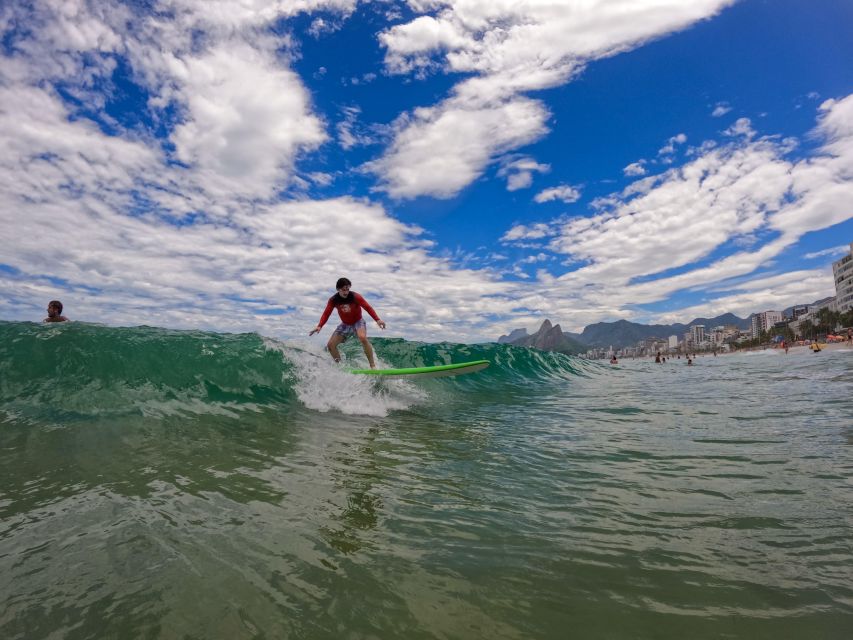
The advertised price is $10 per person, but the day-of payment is a separate item you should plan for. You’ll need to pay the teacher 200 reais per person for the lesson (equipment and instructor). Payment is said to be possible by cash in Reais and also by card, with an additional 5% if you pay by card at the meeting point.
So how do you judge value? Look at it like this:
- You’re paying for equipment and an instructor who takes you out to the best waves and teaches return safety. That takes time, not just gear.
- You also get 1 hour on-water instruction, plus prep and coaching before you ride.
- Optional photos and videos are extra, so consider whether you want that “first surf” documentation.
If you’re on a tight budget, it’s easy to get surprised. If you’re mentally prepared for the 200 reais per person payment, the overall value can make sense because the session targets real technique and ocean handling.
Also note the overall rating: around 3.6 out of 5 based on 31 bookings. That doesn’t mean it’s bad. It means the experience can be excellent when the on-the-ground details are handled well, and it can be frustrating if communication or meeting logistics fail.
Gear included: what you get and what you should bring
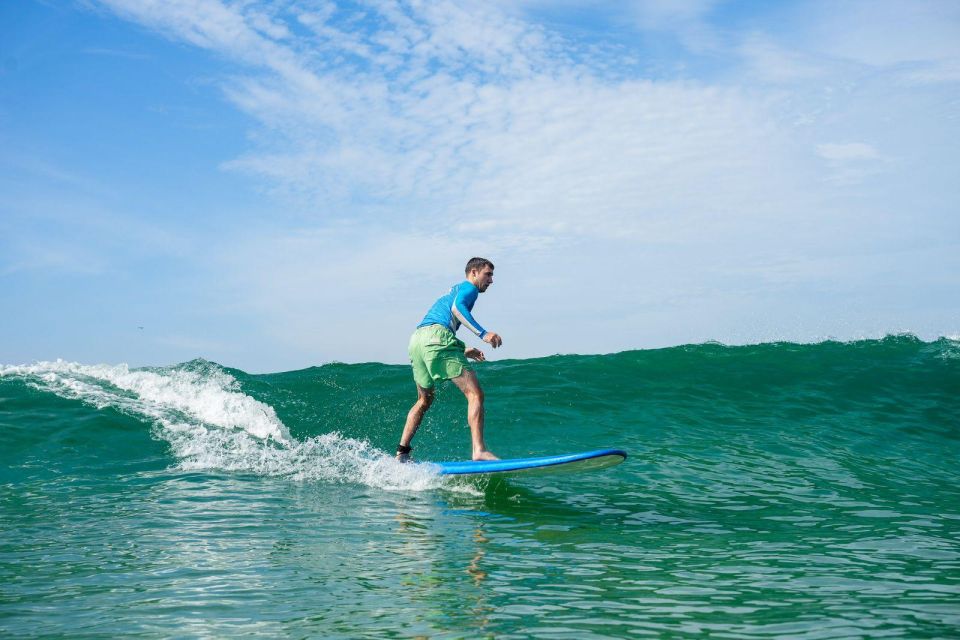
Included equipment covers the essentials: surfboard, leash, and surf clothes, plus a stand on the sand to store your bags. That’s helpful because you won’t waste your morning tracking down rentals or figuring out what “leash” means in practice.
What to bring is straightforward:
- Change of clothes
- Biodegradable sunscreen
- Beachwear
- Cash
The cash note matters because you may need to pay the teacher at the meeting point, and you’ll want to avoid awkward last-minute hunts for a payment method.
If you’re planning to stay for photos, pack smart. Bring what you need for a quick transition afterward, because your clothes will probably be damp for at least part of the ride back.
The meeting point and WhatsApp rule that prevents stress
You don’t get a detailed named meeting spot in your planning notes. Instead, you’re told the guide will be waiting at the meeting point, and you should send a WhatsApp message to the teacher one day before the lesson date to confirm the time.
That’s not just bureaucracy. It’s your best way to avoid the kind of problem that can wreck a morning: getting to a busy beach and realizing no one is there.
One booking described not finding the guide, with a lack of phone number and confusion about what the site represented versus what was on the ground. I can’t predict how your day will go, but I can tell you what reduces risk: message early, arrive on time, and be ready to show your booking info immediately.
Photos and videos: worth it or skip it?
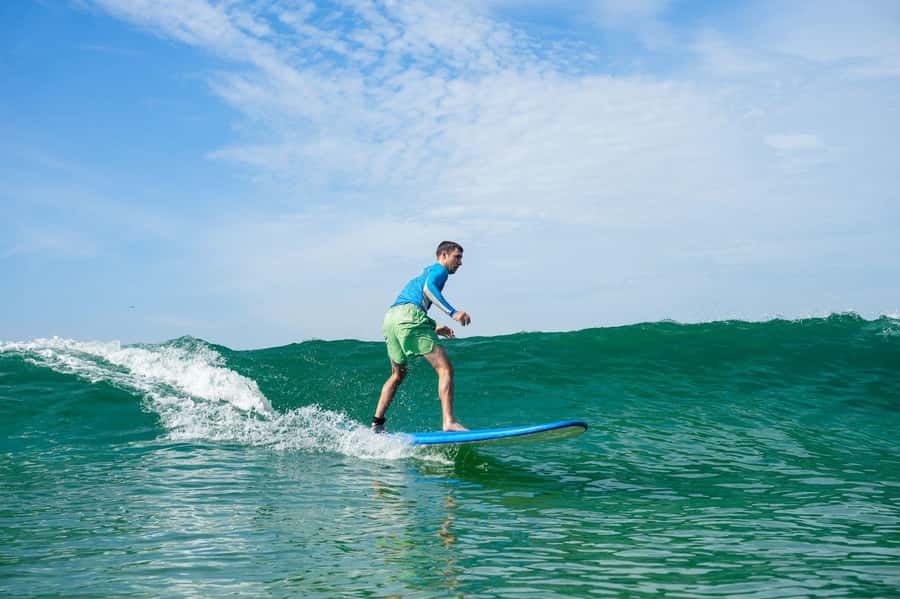
The experience includes the option for photos and videos from your classes if you want them for an extra payment. That’s a personal choice.
If you’re taking this as a milestone day—your first time standing up, first full ride, or a family or friends trip where you want proof—media can be a fun add-on. If you’d rather keep costs down, focus on doing the work. Your energy is best spent on waves, not on worrying about pictures.
Who this surf lesson suits best
This is a good fit if:
- You’re a beginner who wants structured coaching, not random board time
- You want an instructor-led experience that includes safety and ocean basics
- You like learning in a group but still want hands-on instruction
It may not be ideal if:
- You need everything extremely plug-and-play with zero extra steps. You’ll have that 200 reais per person payment and the WhatsApp confirmation step.
- You’re not comfortable paying on arrival, or you hate last-minute messaging
And it’s not suitable for babies under 1 year, so keep the age range in mind when planning family trips.
Should you book this Copacabana and Ipanema surf lesson?
If you want a beginner-friendly surf day in Rio with real technique practice and coaching that focuses on ocean safety, I’d say it’s worth booking—especially because you’re getting a full hour on the water and gear is handled for you.
But I’d book with your eyes open. Budget for the 200 reais per person payment and treat WhatsApp contact the day before as part of the experience, not extra work. If you do that, your odds of having a smooth morning jump a lot.
If you’re the type who gets stressed at busy meeting points, consider choosing the private option (if available to you) or messaging quickly so there’s no confusion about where to meet.
FAQ
FAQ
How long is the surf lesson?
The included surf instruction time is one (1) hour, with additional time for preparation before you get into the water.
Where does the activity take place?
It takes place in the Copacabana and Ipanema area of Rio de Janeiro.
What is included in the price?
Equipment is included, including a surfboard and leash, plus surf clothes and other basics like a stand to store your bags. Instructors are included, and you also get the one-hour lesson.
Do I need to pay extra on the day?
Yes. You are required to pay the teacher 200 reais per person for the lesson (equipment and instructor). Cash in Reais is possible, and card is also possible with an additional 5% if paying by card at the meeting point.
Can I book a group lesson or a private lesson?
The lesson is available in groups or private sessions.
What language support is available?
The host or greeter offers English, Portuguese, and Spanish.
What should I bring to the lesson?
Bring change of clothes, beachwear, biodegradable sunscreen, and cash.
Do I need to message the instructor before the lesson?
Yes. You should send a WhatsApp message to the teacher one day before to confirm the time of your lesson.
Are photos and videos provided?
Photos and videos are available if you want them, but they are not included and require an extra payment.
Is this activity suitable for very young children?
It is not suitable for babies under 1 year.
What if I need to cancel?
You can cancel up to 24 hours in advance for a full refund. There is also a reserve-now-pay-later option so you can book without paying immediately.