REVIEW · RIO DE JANEIRO
Rio de Janeiro: Favela Santa Marta Tour with Resident Guide
Book on GetYourGuide →Operated by Favela tour Santa Marta Turismo Comunitário e Social · Bookable on GetYourGuide
A favela tour that feels like a neighborhood welcome. In Santa Marta, a local guide named Gilson Fumaça turns Rio’s stereotypes into something you can see, hear, and understand—through stories, everyday life, and community projects. It’s not just sightseeing; it’s a guided walk with social and cultural context, plus a few famous landmarks tied to music and history.
Two things I especially liked: the resident guide angle (you’re led by someone born and raised there, with deep ties), and the chance to understand how the community is building education and sustainability projects from the inside. One consideration: this experience involves stairs/uneven paths, so it’s not suitable for wheelchair users or people with mobility impairments, and even some able-bodied folks may find the walking more intense than expected.
In This Review
- Key highlights you should know
- Why Santa Marta works better with a resident guide
- The opening meet-up and the short safety briefing
- Cable car and viewpoints: practical Rio angles, not just photos
- Walking Santa Marta: photo stops, community spaces, and daily life
- A local restaurant break (and why it’s part of the value)
- Michael Jackson Square: pop culture with local context
- The most praised part: home visit and family stories
- The community purpose behind your ticket price
- Price and time: is $27 actually good value?
- Who should book this tour (and who should skip it)
- Should you book Favela Santa Marta with Gilson Fumaça?
- FAQ
- FAQ
- What’s the meeting point for the tour?
- How long is the Favela Santa Marta tour?
- Is there a live guide, and what languages are offered?
- What’s included in the tour price?
- Does the tour include cable car travel?
- Are there viewpoints or photo stops during the tour?
- Is this tour suitable for wheelchair users or limited mobility?
- What kind of purpose does the tour support?
Key highlights you should know
- Meet Gilson Fumaça, a credited local guide involved in community work for decades
- Responsible “walk-and-learn” format, focused on social, cultural, and environmental purpose
- Cable car ride + viewpoints, with photo stops and big Rio skyline angles
- Cultural stops that include Michael Jackson Square, plus time to shop and take a break
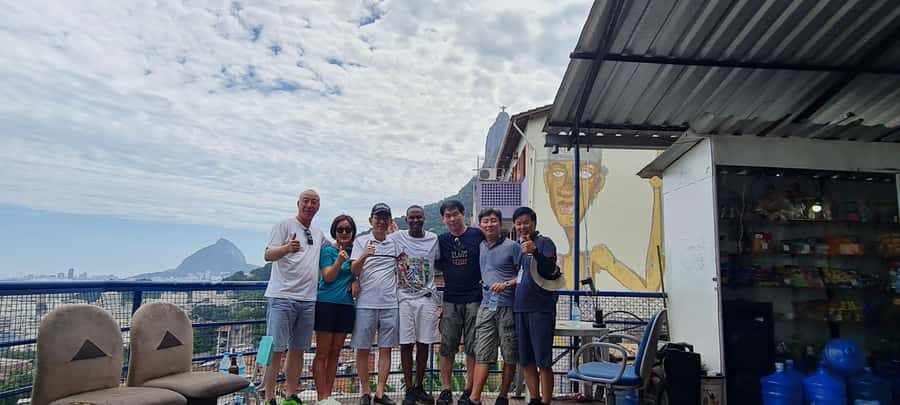
- A home visit experience, including a family space with a standout collection and social-gathering rooftop views
Why Santa Marta works better with a resident guide
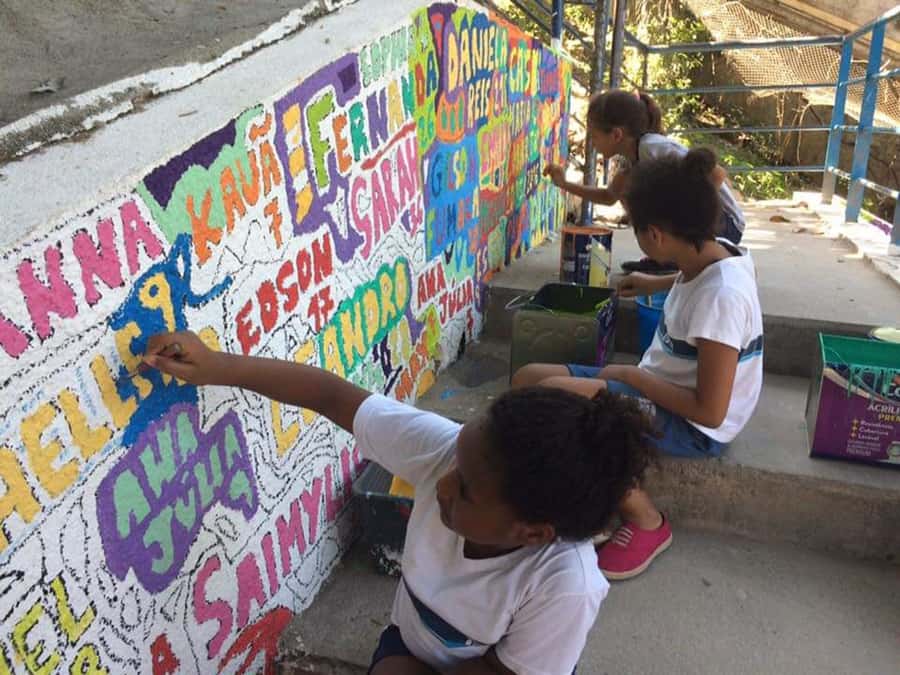
Rio’s favelas are talked about like they’re only one thing—crime, danger, or a backdrop for photos. This tour gives you a different starting point: Santa Marta as a living community shaped by struggle, creativity, and local leadership.
That’s where Gilson Fumaça matters. He’s not just a guide for hire. He’s described as a community leader who’s worked on social and community initiatives for more than 30 years, and he’s involved in educational projects through his institute. On this tour, he’s also your filter for what you see. Instead of generic explanations, you get the kind of context that only comes from growing up there: how the neighborhood changed, what residents worry about, and what they’re proud of.
You also get a more human scale. The walk isn’t presented like a museum exhibit. It’s described as a real day of community life—time for conversation, interaction, and small moments that help you understand what “normal” looks like in Santa Marta.
You can also read our reviews of more guided tours in Rio De Janeiro

The opening meet-up and the short safety briefing
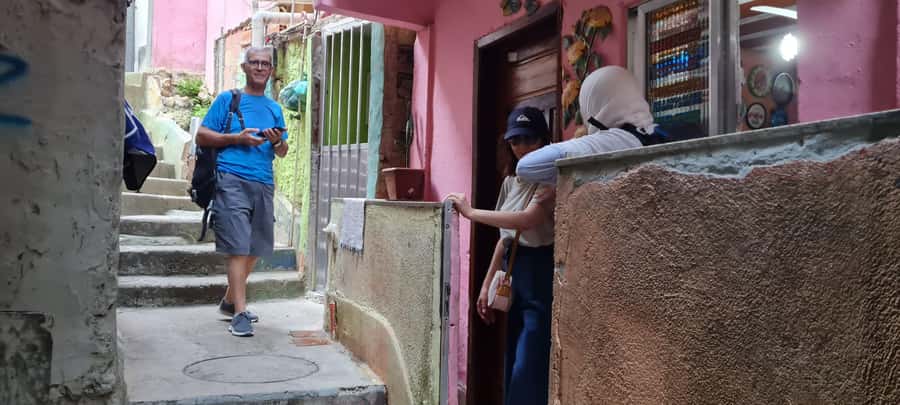
You start at R. São Clemente, 320, at the tourist information area. From there, you’ll head into the favela with a brief safety briefing included early in the experience. The goal is simple: you stay together, follow the guide’s instructions, and keep things respectful as you move through a residential space.
If you’re coming from the more touristy parts of Rio, this beginning matters. It sets expectations fast. You’re not going in blind, and you’re not meant to treat this like a thrill ride. You’re meant to observe, ask questions, and understand local rules of the road—literal and social.
Language support is a plus: the tour is offered in English, Spanish, and Portuguese with a live guide. That usually means you can ask follow-up questions without losing the thread.
Cable car and viewpoints: practical Rio angles, not just photos
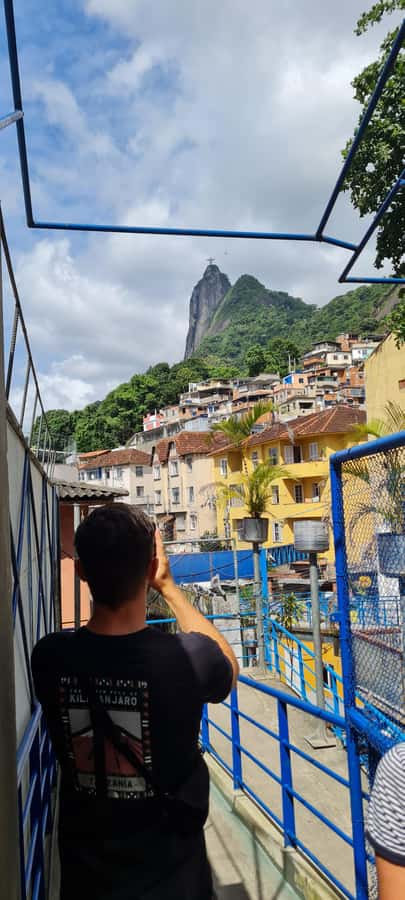
One of the most useful parts of the route is the cable car segment. It adds comfort compared to walking the entire time, and it also changes your perspective. From up above, Rio stops looking like just “streets and walls” and starts looking like a city of layers—hills, neighborhoods, and viewpoints that explain why Santa Marta sits where it does.
After the cable car, there’s a viewpoint photo stop with time to pause. This isn’t only about snapping a picture. It helps you orient yourself so the rest of the walk makes sense: you understand where you are on the hill, what you can see from here, and why the views matter to residents too.
You’ll also notice how the tour balances “movement” with short breaks. It’s paced enough to keep the experience conversational, not rushed.
Walking Santa Marta: photo stops, community spaces, and daily life
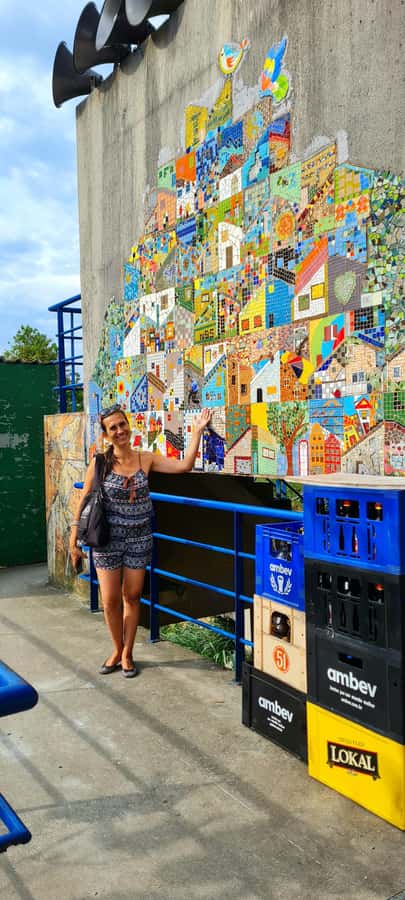
After the viewpoints, the tour continues through the heart of Santa Marta with a mix of stops and short visits. One stop includes R. da Paciência, 4, which is part photo-and-scene time and part visit time. This is where the experience becomes personal in a way most favela tours don’t manage.
This is also where you may see how the neighborhood’s physical layout connects to family life and community projects. The description emphasizes that Gilson knows the community well—“each corner” and the people—so you’re not just moving between buildings. You’re moving through a social map.
The tour also includes a stop called Favela Scene, which is time set aside for cultural viewing. That kind of stop is important because it gives you a chance to learn what’s being promoted locally—education, inclusion, and sustainability—without turning every moment into a lecture.
You might also get glimpses of how residents spend time. The guide’s approach is described as including everyday “leisure” moments—things like playing football with kids, simple street games, and community music rhythms. In particular, multiple accounts mention football play as a memorable interaction, so if you like sports and don’t mind getting briefly involved, bring a flexible mindset.
A local restaurant break (and why it’s part of the value)
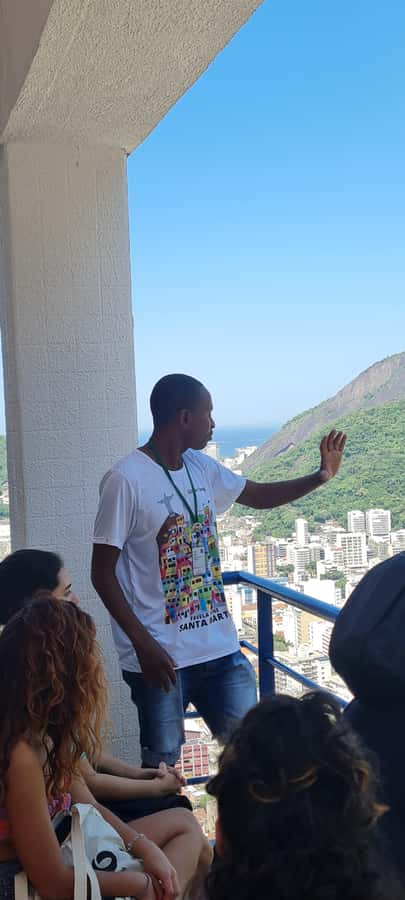
Midway through, there’s time for a local restaurant visit with a break. This matters more than it sounds. Food stops help the tour feel less like a checklist and more like a shared day.
You’ll have about 20 minutes here. It’s not long, but it’s enough to regroup, cool down if you need to, and have a real reset between the more active sections.
If you’re sensitive to heat and steep terrain, plan your expectations around this. This tour includes a mix of walking and climbing, and one common theme in feedback is that the route can be physically demanding. If your idea of a “2-hour tour” usually means flat ground and lots of sitting, Santa Marta will feel different.






Michael Jackson Square: pop culture with local context
No, you’re not there for a celebrity photo op only. Michael Jackson Square is included as a break time and shopping time, and it’s tied directly to one of the most famous musical references connected to Santa Marta: the They Don’t Care About Us video (mentioned as recorded there in 1996).
That connection changes how you experience the square. Instead of seeing it as a theme park stop, you’re seeing how global attention has intersected with local identity. The tour frames this with local history—like the mention of the Queen’s visit in 1968—and with stories about what it meant for residents to host big moments.
There’s also free time here. That’s your chance to slow down, look around, and decide what feels comfortable to you—whether that’s buying something small, taking photos, or just watching daily life in the open space.
The most praised part: home visit and family stories
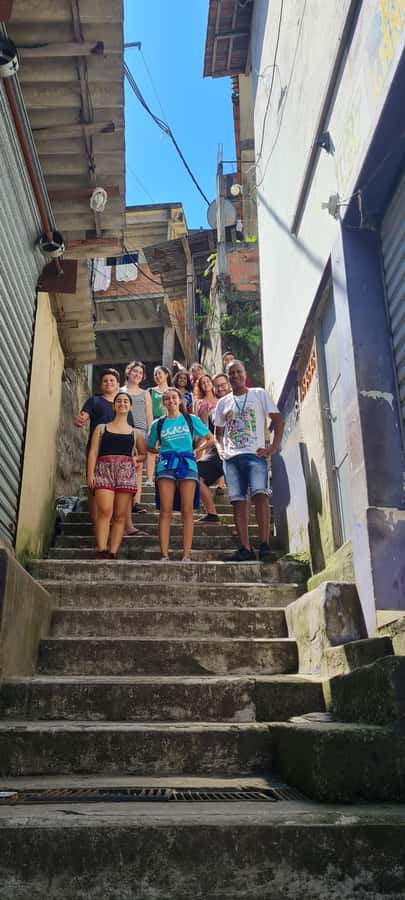
One of the best-known features of this tour is the visit that includes Gilson’s home, including time to meet the family. The details shared in the description are specific: his mother Maria Helena is said to have a collection of over 400 watches, and the home is described as having multiple floors and a rooftop social space.
It’s not just “come in for a photo.” The emphasis is on learning what life looks like inside the community and understanding how architecture, daily routines, and family spaces connect to the neighborhood. The rooftop is described as a social gastronomic space with a view that includes landmarks like Cristo Redentor and Pão de Açúcar.
From a traveler perspective, this is the reason this tour often earns top ratings. When it’s done well, a home visit turns stereotypes into reality. You see a family, you hear a personal story, and you understand that the favela is not a separate world—it’s part of Rio.
The community purpose behind your ticket price
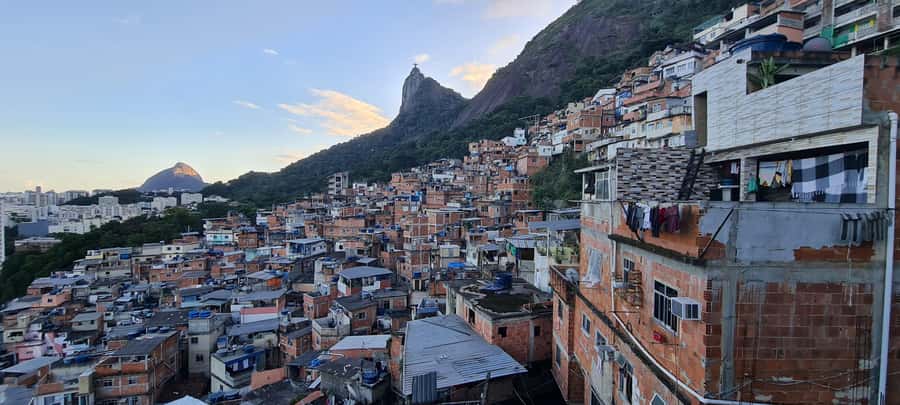
This is where the tour separates itself from the purely sightseeing-style “favela tour” model.
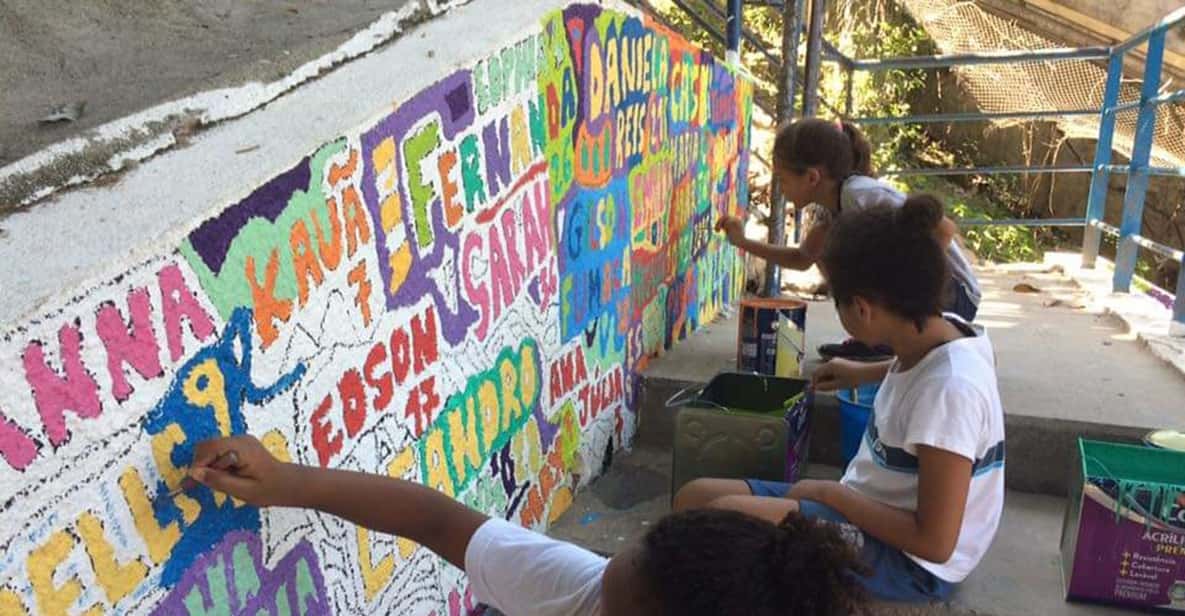
The experience is positioned with social, cultural, and environmental purpose, and the language around it is direct: your visit supports community dreams and projects. A major element is the Instituto Gilson Fumaça, described as an educational space developed by guides and residents with projects in areas like language learning and environmental initiatives.
In plain terms: you’re not only paying for movement through streets. You’re paying for access to a local network and an ongoing set of programs that aim to create opportunity. That doesn’t make the tour charity-blind or perfect—no community project is. But it does change the “why” behind the visit.
You also get context on how inclusion is approached locally through arts and education, and the tour’s narrative includes how Gilson has participated in wider events tied to media attention and high-profile visits. That context helps explain why community leadership can matter on more than one level.
Price and time: is $27 actually good value?
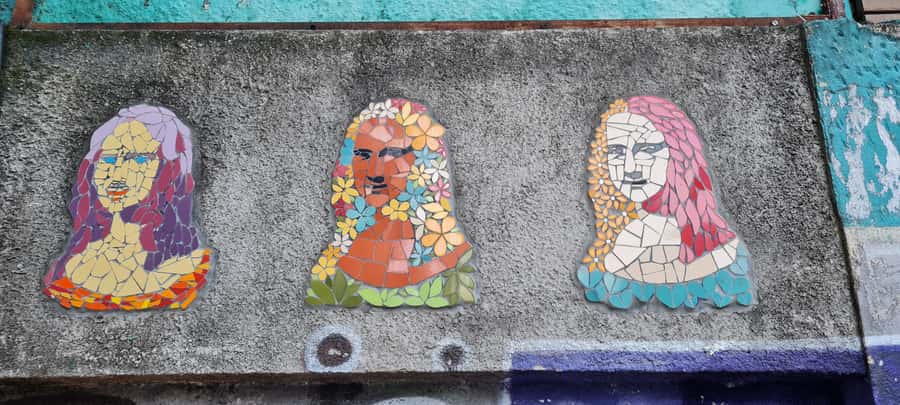
At $27 per person for roughly 2 hours to 150 minutes, the pricing sits in the mid-range for Rio tours, but the value depends on what you want.
If you want a quick scenic stop with generic history, you can probably find cheaper. If you want a guided experience with a resident leader—someone tied to education projects and recognized as a tour guide by the tourism ministry—then the cost looks more reasonable. You’re paying for:
- bilingual live guiding (English/Spanish/Portuguese)
- local access that’s hard to replicate on your own safely or respectfully
- included bottled water
- route elements that mix a cable car and multiple stops
The time length is just long enough to cover viewpoints and key cultural points without turning the day into an all-day physical ordeal. Still, you should assume the pace includes hills, stairs, and some uneven terrain.
In other words: it’s good value if you treat it as a learning experience with real stakes for the community. If you treat it like a quick photo safari, you’ll miss what you came for.
Who should book this tour (and who should skip it)
This tour is a strong fit if you:
- want a resident-led perspective on Rio beyond the usual skyline postcard
- like meaningful conversation and stories tied to specific places
- are curious about how education and community projects work on the ground
- don’t mind a route that includes stairs and some walking intensity
It’s also a good choice if you’re the type of traveler who cares about how experiences impact real communities—especially when the tour is described as created and led by residents rather than outsiders.
Skip it if you:
- use a wheelchair or need mobility support that can’t be accommodated
- want a fully flat, low-steps walking experience
- get uncomfortable in mixed residential spaces without a lot of structure
Should you book Favela Santa Marta with Gilson Fumaça?
If you’re deciding between a “see it from the outside” tour and a “learn how it works” experience, I’d lean toward booking this one—with a clear mindset.
Book it if you want context, not just views. Book it if you appreciate the idea of being hosted by a community leader like Gilson Fumaça, and if you want the tour to connect you to education projects such as those run through Instituto Gilson Fumaça. The repeated emphasis on feeling safe, being welcomed, and learning from real stories is exactly the kind of feedback that matters for this kind of visit.
I’d only think twice if you know you’ll struggle with physical stairs or heat, because this route includes walking and uneven terrain. And if your goal is only a famous “Instagram stop,” you may find the emotional and educational parts take center stage.
FAQ
FAQ
What’s the meeting point for the tour?
You meet at R. São Clemente, 320, at the tourist information spot. The exact starting point can vary depending on which option you book.
How long is the Favela Santa Marta tour?
It runs about 2 hours to 150 minutes total.
Is there a live guide, and what languages are offered?
Yes. The tour includes a live guide in English, Spanish, and Portuguese.
What’s included in the tour price?
The tour includes a local guide and bottled water.
Does the tour include cable car travel?
Yes. A cable car segment is part of the route.
Are there viewpoints or photo stops during the tour?
Yes. There’s a viewpoint photo stop and other photo/scenic stops along the way.
Is this tour suitable for wheelchair users or limited mobility?
No. It’s not suitable for people with mobility impairments and wheelchair users.
What kind of purpose does the tour support?
The tour is described as having social, cultural, and environmental purpose, including visits tied to inclusion and sustainability projects (including work through Instituto Gilson Fumaça).