REVIEW · RIO DE JANEIRO
Rio: Olympic Boulevard, Museum of Tomorrow & History Tour
Book on GetYourGuide →Operated by C2RIO TOURS & TRAVEL · Bookable on GetYourGuide
Rio’s future and past share one route. This half-day tour threads together Valongo Wharf UNESCO context and a ticketed visit to the Museum of Tomorrow, then layers in major photo stops like Eduardo Kobra’s mural and the Rio 2016 cauldron. I love how the route works like a story: waterfront roots, street art, sci-tech in the Olympics-era corridor, then back to baroque and empire-era Rio. One drawback to consider is that you’ll cover a fair amount of walking and you’ll feel it if the group gets a late start, since transport and timing are tightly linked.
The best versions of this tour come down to the guide. In positive write-ups, guides like Emma, Pedro, and Emanuella were praised for friendliness and for keeping the historical thread clear, and one review even noted the Museum of Tomorrow worked at your own pace once you’re inside. On the flip side, there are also reports of guides like Marilia getting lost or rushing between stops, and one issue with a pickup/drop-off mismatch tied to Gabriela—so I’d go in with realistic expectations and keep an eye on where the group is headed.
If you want a compact way to see Downtown Rio without stitching together six separate tickets and directions, this is a solid format.
In This Review
- Key Highlights You’ll Actually Use
- Downtown Rio’s 4-Hour Reality Check (and Why It Works)
- Start at Valongo Wharf: UNESCO Context Before the Photos
- Eduardo Kobra’s Mural: A Street-Art Stop That’s Easy to Love
- Olympic Boulevard to the Museum of Tomorrow: Future-Think in a Real Building
- Monastery of Saint Benedict: Simple Outside, Baroque Gold Inside
- Rio 2016 Olympic Cauldron and Praça XV: Two Anchors for Modern and Imperial Rio
- Confeitaria Colombo: Art Nouveau Café Time (What to Order)
- Price, Group Size, and Getting Around Without Stress
- Guide Quality Can Change the Experience: What to Watch For
- Who This Tour Suits Best (and Who Might Prefer Something Else)
- Should You Book This Rio Olympic Boulevard, Museum of Tomorrow & History Tour?
- FAQ
- How long is the tour, and when does hotel pickup happen?
- What’s included in the $67 price?
- Is food and drinks included during the stop at Confeitaria Colombo?
- Is Confeitaria Colombo open every day?
- How much walking should I expect?
- Are there any age restrictions?
- Is there free cancellation?
Key Highlights You’ll Actually Use
- Valongo Wharf (UNESCO) sets up the African influence story before you move into art and architecture
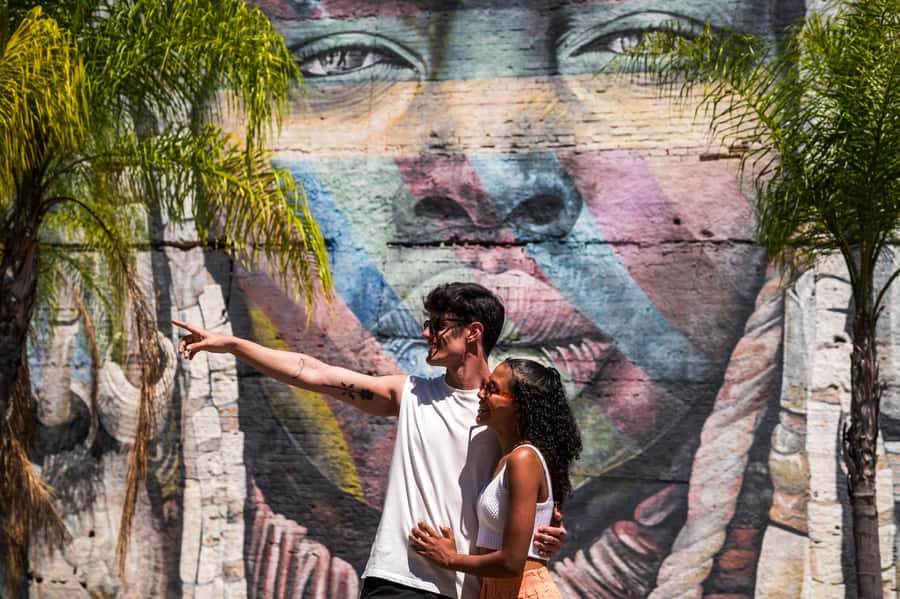
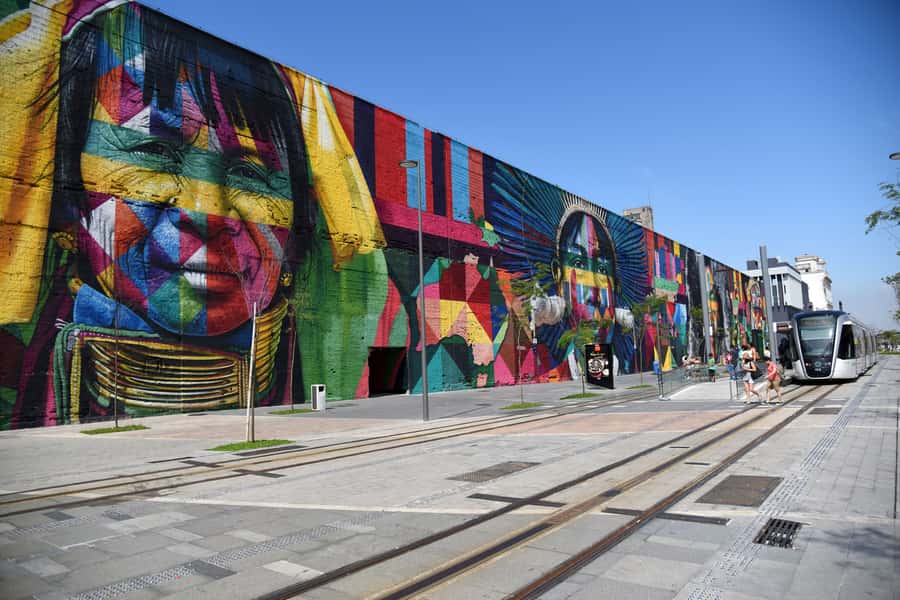
- Eduardo Kobra’s mural gives you a huge, instantly recognizable street-art photo wall with five ethnic groups
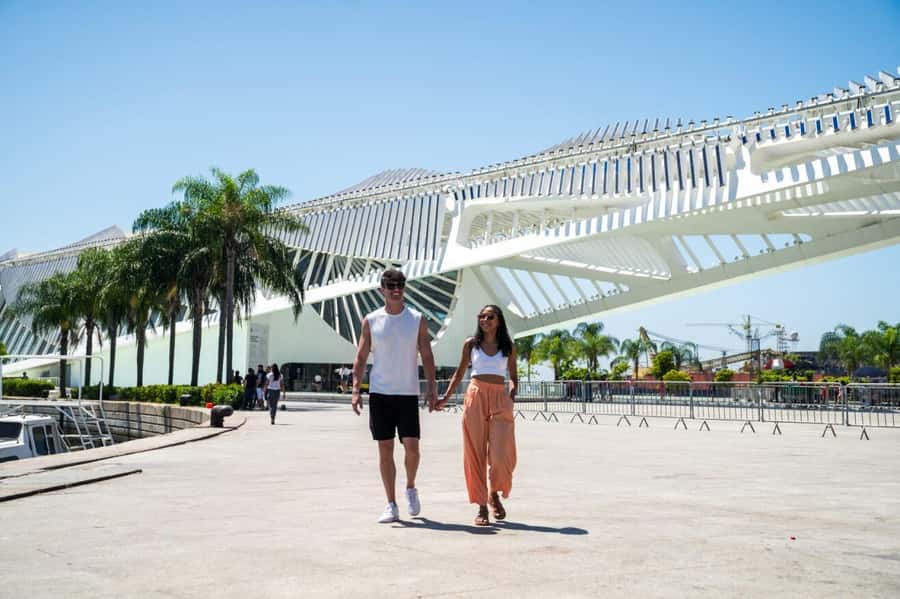
- Museum of Tomorrow includes your ticket and focuses on questioning the future of the planet and mankind
- Monastery of Saint Benedict flips the mood with a simple exterior and a gold-detailed Baroque interior
- Rio 2016 Olympic Cauldron by Anthony Howe adds a modern “Games” landmark you can see and interpret quickly
- Confeitaria Colombo is a classic café stop with art nouveau details, plus optional snacks like coxinha or brigadeiro (not included)
Downtown Rio’s 4-Hour Reality Check (and Why It Works)
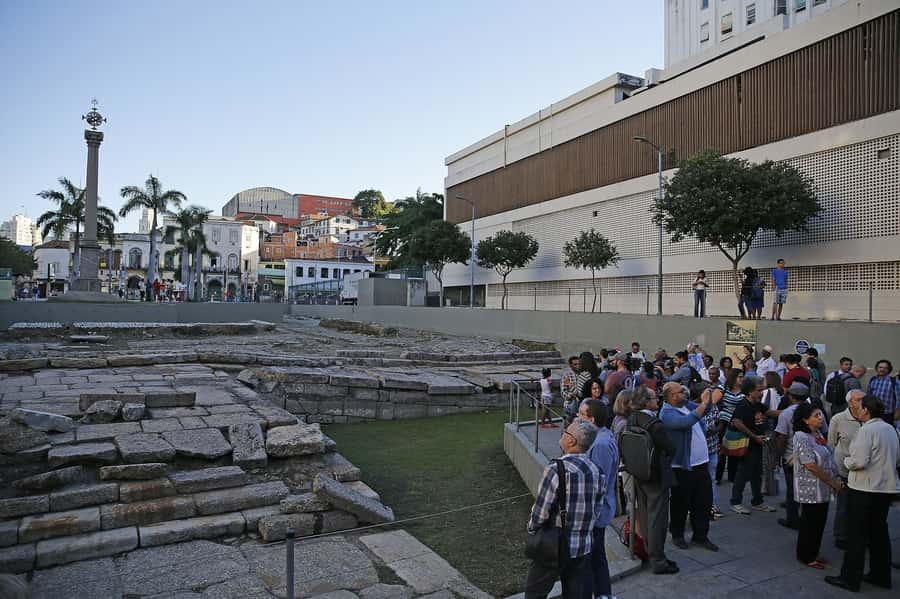
This tour is built as a 4-hour Downtown Rio circuit with hotel pickup in the South Zone (Copacabana, Ipanema, Leblon, and Leme). The promise is not deep study—it’s guided orientation, strong visuals, and a sequence that helps you connect places instead of seeing them as separate postcards.
The value is in the included stuff: hotel pickup/drop-off, an air-conditioned van, and Museum of Tomorrow tickets are all part of the $67 price. That matters because this isn’t just a casual stroll; it’s a morning plan that would be harder (and more expensive in time and tickets) if you tried to DIY it all.
The main thing to plan for is movement. You’ll be walking a moderate amount, and the tour runs rain or shine, so comfortable shoes aren’t optional if you want to enjoy yourself.
You can also read our reviews of more historical tours in Rio De Janeiro

Start at Valongo Wharf: UNESCO Context Before the Photos
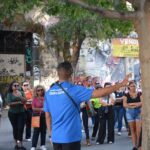
You begin at Valongo Wharf, the latest UNESCO World Heritage site in Rio. The tour framing here is practical: it gives you a historical lens on the African influence in Brazil before the route starts hitting architecture, street art, and the sleek science future next.
This is one of the smartest parts of the itinerary because the rest of the day can otherwise feel like a list of pretty stops. When you understand why the waterfront matters, later conversations about Rio’s identity make more sense—even if you only catch the essentials during a guided segment.
Also, don’t treat this as a quick glance. Spend a minute or two looking around and letting the guide’s explanation anchor what you’re seeing—then you’ll actually feel the “before and after” of the day.
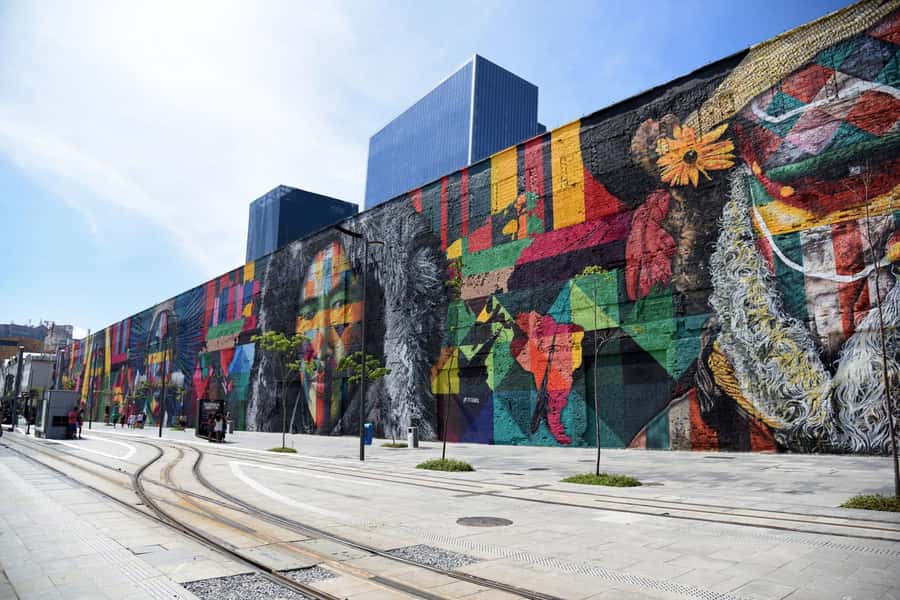
Eduardo Kobra’s Mural: A Street-Art Stop That’s Easy to Love
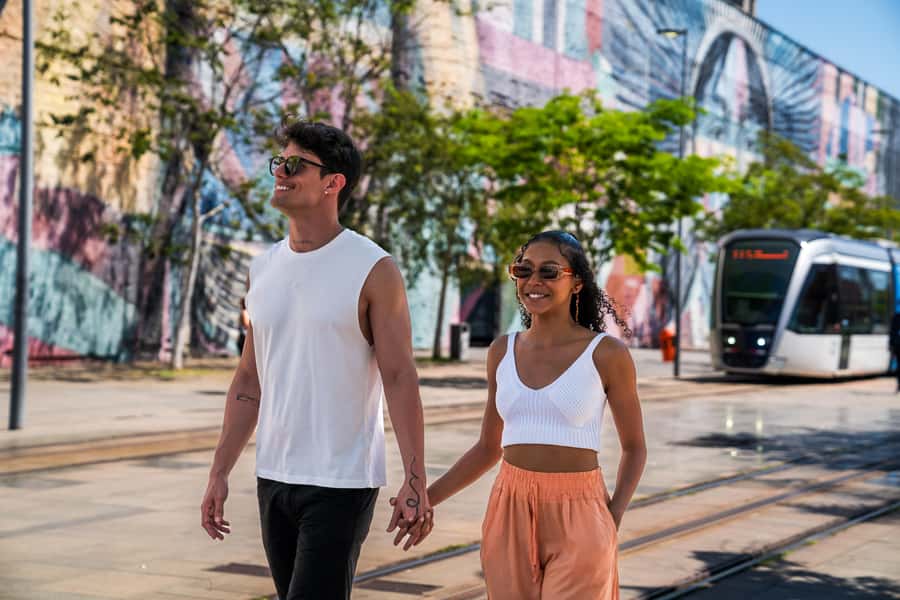
After Valongo Wharf, you head to the Kobra Mural, created by Brazilian artist Eduardo Kobra. This is one of those rare murals that’s both huge and readable from a normal walking pace—featuring five ethnic groups inside a colorful geometric background.
What I like about this stop is how it breaks the day’s tone. You’re not just sitting in explanations; you’re moving, taking photos, and seeing a modern Rio expression that still connects to identity themes from earlier.
If you care about getting good pictures, wear something comfortable and keep your phone ready. You’ll have a moment to grab photos before you continue toward the Olympic Boulevard corridor.
Olympic Boulevard to the Museum of Tomorrow: Future-Think in a Real Building
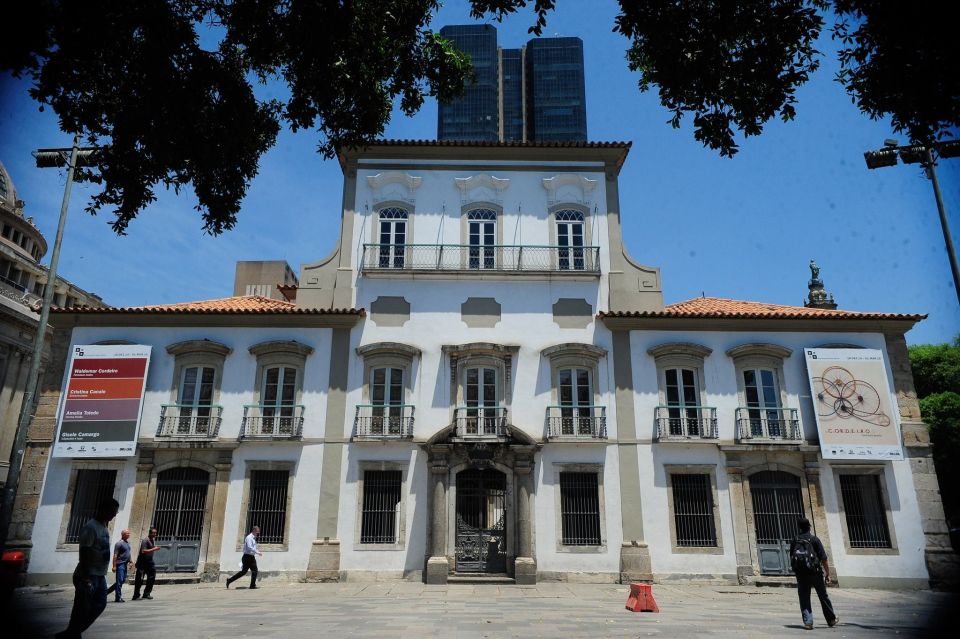
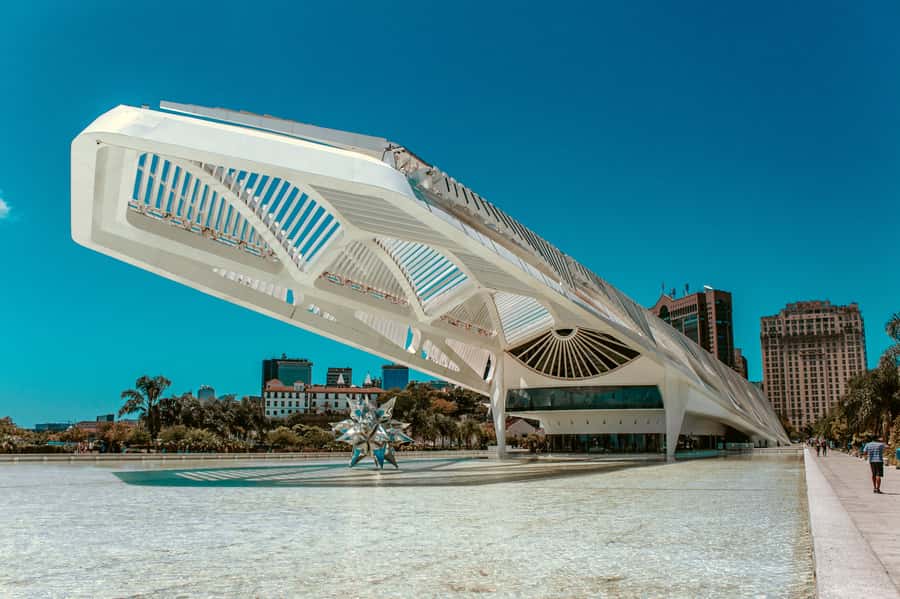
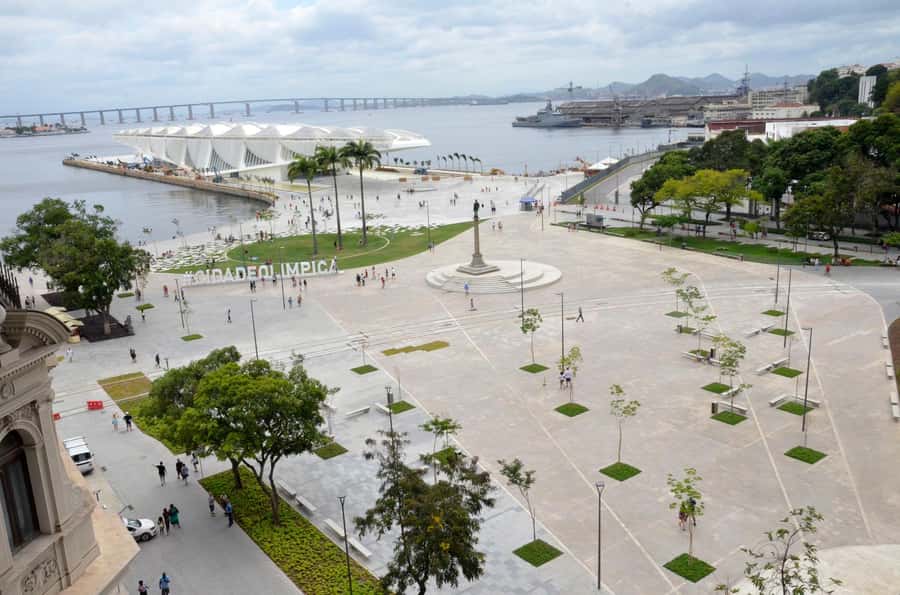
From the mural, the route shifts toward the Olympic Boulevard and the Museum of Tomorrow. This museum isn’t trying to be quiet or traditional; it’s a modern, technology-forward science museum dedicated to exploring and questioning the possibilities for constructing the future of the planet and mankind.
This stop is the centerpiece for most people because the ticket is included. In one positive note, the Museum of Tomorrow visit allowed flexibility to move at your own pace, which is how it should be—some exhibits need a slower read, while others are best as quick inspiration.
Two practical tips: first, bring your attention. The museum’s theme is ideas, not just objects. Second, keep some energy for after—because the itinerary doesn’t slow down here.
If the exterior strikes you as striking, that’s intentional. The point isn’t only looks; it’s setting a futuristic tone right in the middle of Downtown Rio’s historic storytelling.
Monastery of Saint Benedict: Simple Outside, Baroque Gold Inside
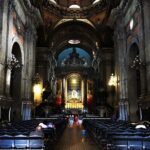
After you’ve done the science future, the day jumps to the past at the Monastery of Saint Benedict. The contrast is the whole trick: a simple façade outside, then an interior covered with golden ornaments that reflects the Baroque period.
This is a relief break for your brain. You go from questions about mankind’s next steps to a space designed to awe you through craftsmanship and ornamentation. Even if you don’t memorize every detail the guide shares, you’ll still “get” the contrast.
If you’re the type who usually skips religious sites, this one is worth considering because it’s not just about architecture—it’s about the experience of surprise. Arrive with the mindset of looking up, not just taking photos straight-on.
You can also read our reviews of more museum experiences in Rio De Janeiro




Rio 2016 Olympic Cauldron and Praça XV: Two Anchors for Modern and Imperial Rio
Before the day’s historical streets get busier, you’ll see the Rio 2016 Olympic Cauldron created by American artist Anthony Howe. The reflective-kinetic-sphered structure is more than a leftover from the Games; it acts as a visual reminder of the event and of how Rio staged modern global attention.
From there, you reach Praça XV, where you’ll spot one of the former headquarters of the Brazilian empire. This is one of the places where the guide’s ability matters—because the “why it matters” turns a square into a context point for Brazilian history.
What makes these stops useful is their placement. You’re not only looking backward at monuments; you’re also seeing how Rio has layers—imperial power in one place, Olympic-era modern identity not far away.
Confeitaria Colombo: Art Nouveau Café Time (What to Order)
Your last stop is Confeitaria Colombo, one of Rio’s must-see cafés internationally. It’s known for its opulent art nouveau decoration, including huge stained glass, tiles, and mirrors imported from France, Portugal, and Belgium.
A key detail: food and drinks aren’t included. But this is still a great ending because you’re not stuck with just photos and walking—you get a chance to sit down and soak up a classic Rio interior.
Check the menu and choose based on your energy level. If you want something traditional, the tour mentions tasting coxinha de frango and dessert options like brigadeiro. If you’re traveling with picky eaters, it’s worth knowing you can treat this as a flexible snack stop rather than a formal meal.
One practical caution: Confeitaria Colombo is closed on Sundays, so if you’re planning your trip for a Sunday, confirm whether your date still works.
Price, Group Size, and Getting Around Without Stress
At $67 per person for about 4 hours, the big question is value. For me, the included ticket to the Museum of Tomorrow plus hotel pickup and drop-off in the South Zone is what makes the price feel reasonable, not just “a guide fee on top.”
Group size is capped at 19 passengers, which is comfortable for walking and staying together. It’s also why the guide can keep the flow moving without trying to herd a crowd.
Transportation is in an air-conditioned van, which helps if you’re doing this in hot or humid conditions. The trade-off is that timing can feel tighter than a freeform day—so wear comfortable shoes and keep your pace steady.
Guide Quality Can Change the Experience: What to Watch For
This is where the reviews show the range. Positive experiences highlighted guides like Emma (friendly, with flexibility for the Museum of Tomorrow pace), Pedro (dedicated to Brazilian history), and Emanuella (story-focused and enthusiastic).
Negative experiences weren’t about the sights—they were about execution. There are reports of a guide getting lost (with Marilia mentioned), rushing between locations, and even a situation where the driver left for drop-off and the group had to wait while the company corrected it (tied to Gabriela).
You can’t control a guide’s navigation in advance, but you can protect yourself a bit:
- Go in knowing this is a guided schedule, not a laid-back lunch tour.
- If something feels off early, communicate calmly and confirm the next stop while you’re still together.
- Keep your phone charged for quick check-ins if the group gets split during transport.
Who This Tour Suits Best (and Who Might Prefer Something Else)
This tour fits best if you like structure and you want a guided map of Rio’s Downtown without juggling multiple tickets and directions. It’s a good match for first-timers who want UNESCO context, street art, a major museum, and a classic café in one morning.
It also works well for people who enjoy contrast: African influence at Valongo Wharf, modern science at the Museum of Tomorrow, Baroque interior at Saint Benedict, and then back to café life at Confeitaria Colombo.
If you dislike walking in crowds or you need lots of quiet time, you might find the pace a bit fast. It’s still manageable with decent shoes—but it’s not built for slow wandering.
Should You Book This Rio Olympic Boulevard, Museum of Tomorrow & History Tour?
Book it if you want an efficient way to see Museum of Tomorrow plus Downtown Rio’s strongest story points, and you value included logistics like tickets and hotel pickup. I’d also lean toward booking if you enjoy guided context that helps you interpret what you’re looking at—especially at places like Praça XV and Valongo Wharf.
Think twice if you’re highly schedule-sensitive or you’re traveling with someone who struggles with walking. Since the tour runs rain or shine and depends on smooth navigation, a slightly delayed start can feel more annoying than on a fully independent plan.
If you do book, set yourself up for a better day: wear comfortable shoes, plan on photo stops, and come ready to follow a guide through multiple “time zones” of Rio—past, present, and future—without losing your footing.
FAQ
How long is the tour, and when does hotel pickup happen?
The tour lasts about 4 hours. Pickup from hotels in the South Zone (Copacabana, Ipanema, Leblon, and Leme) is between 8:10 AM and 8:55 AM, depending on your area.
What’s included in the $67 price?
The price includes a guided Downtown Rio walking tour, Museum of Tomorrow tickets, professional live commentary in English/Spanish/Portuguese, all taxes and fees, and hotel pickup and drop-off in the South Zone using an air-conditioned van.
Is food and drinks included during the stop at Confeitaria Colombo?
No. Food and drinks are not included, though you can purchase items at Confeitaria Colombo.
Is Confeitaria Colombo open every day?
No. Confeitaria Colombo is closed on Sundays, so plan accordingly if your travel dates include a Sunday.
How much walking should I expect?
There is a moderate amount of walking involved, so comfortable shoes are strongly recommended.
Are there any age restrictions?
Unaccompanied minors are not allowed. Children must be accompanied by an adult, and children under 5 go free if they do not occupy a seat.
Is there free cancellation?
Yes. Free cancellation is available up to 24 hours in advance for a full refund.