REVIEW · RIO DE JANEIRO
Rio de Janeiro: Little Africa Heritage Walking Tour
Book on GetYourGuide →Operated by Sou Mais Carioca · Bookable on GetYourGuide
Samba has a birthplace in Rio. This walking tour guides you through Little Africa’s African roots, with rooftop views over Mauá Square and Guanabara Bay and key stops tied to samba. Two things I’d prioritize here are the story-led stops like Pedra do Sal and the Afro-Brazilian figures you can actually see honored in the streets. One drawback: it’s a 150-minute outdoor walk in sun and rain, so you’ll want solid shoes and to plan around the heat.
I like that it starts with context: colonial-era history that helps the neighborhood’s later story make sense, instead of treating the sights like a photo scavenger hunt. You also get a real sense of place through a tight route in the port area—ending at Valongo after stops that connect food, dance, and music to the African presence in Brazil. Guides such as Luana, Nathalia, Marina, Ryane, and Eddie show up with the same clear goal: explain the past without sugarcoating it, but keep the walk understandable and human.
If you’re the type who reads plaques, asks questions, and wants the why behind Rio’s culture, you’ll probably love this. Just note it’s in English, and the tour is not designed for very young kids.
In This Review
- Key highlights worth showing up for
- Starting at Museu de Arte do Rio: context that makes the streets click
- Why I think this opening is strong
- Rooftop views: Mauá Square and Guanabara Bay in one breath
- Morro da Conceição: getting oriented before the deeper stops
- Largo da Prainha: African influence you can taste and recognize
- Small consideration
- Pedra do Sal: the samba birthplace stop that hits harder than you expect
- Mercedes Baptista and Afro dance: seeing a legacy in bronze
- Jardim Suspenso do Valongo and Cais do Valongo: the ending that changes the whole walk
- Time check
- Guides make the difference: Luana, Nathalia, Marina, Ryane, Eddie
- Price vs. value: why $40 can feel fair
- What to bring (so the tour feels good, not grueling)
- Who should book this walk—and who might skip
- Should you book Rio’s Little Africa Heritage Walk?
- FAQ
- Where does the tour start?
- How long is the tour?
- How much does it cost?
- Is hotel pickup included?
- What language is the tour offered in?
- Does the tour run in rain?
- What should I bring?
- Is it suitable for young children?
- Will the guide wait if I’m late?
- Can I cancel for a refund, and can I pay later?
Key highlights worth showing up for
- Rooftop panorama at Museu de Arte do Rio for Mauá Square and Guanabara Bay views
- Pedra do Sal, widely described as the place where samba was born
- Mercedes Baptista statue stop, honoring a forerunner of Afro dance in Brazil
- Largo da Prainha connections between African influence and Brazilian gastronomy
- Oldest continuously-inhabited black neighborhood in Brazil, centered in the port region
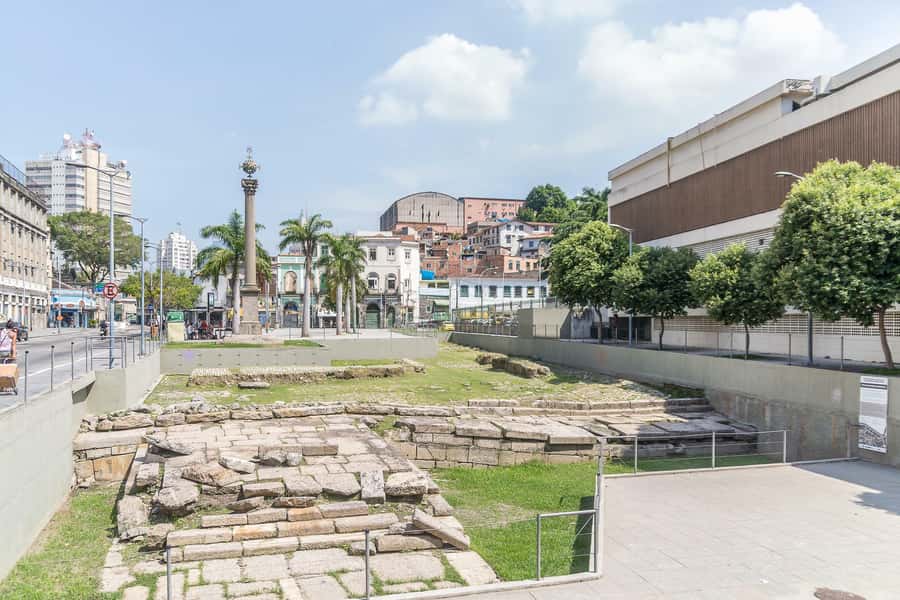
- Jardim Suspenso do Valongo (Hanging Garden) plus the Cais do Valongo area to close the story
Starting at Museu de Arte do Rio: context that makes the streets click
The tour meets at the Museu de Arte do Rio (Rio Art Museum). If you want the day to feel smooth, show up about 5 minutes early. The guide can wait only 15 minutes if you’re delayed, which is a very normal rule for a walking tour—so don’t bank on a late arrival.
Before you even start moving, the guide sets the tone with colonial-era background. That matters more than you might think. A lot of Rio tours hit the “pretty parts” first: views, architecture, music. This one explains the bigger picture—how Brazil’s colonial period and later changes shaped who ended up where, and why. When the walk reaches the port neighborhoods, you’ll understand it as a lived history, not just a collection of monuments.
You’ll also get a break during the time at the museum area (about 10 minutes). It’s useful, because the rest of the tour is mostly outside. Bring water early, not “when you start feeling thirsty.”
You can also read our reviews of more walking tours in Rio De Janeiro



Why I think this opening is strong
It gives you a mental map. You’ll be able to connect what you see in the streets to the themes you hear from the guide: forced migration, resistance, community survival, and cultural creativity that didn’t disappear when laws changed.
Rooftop views: Mauá Square and Guanabara Bay in one breath
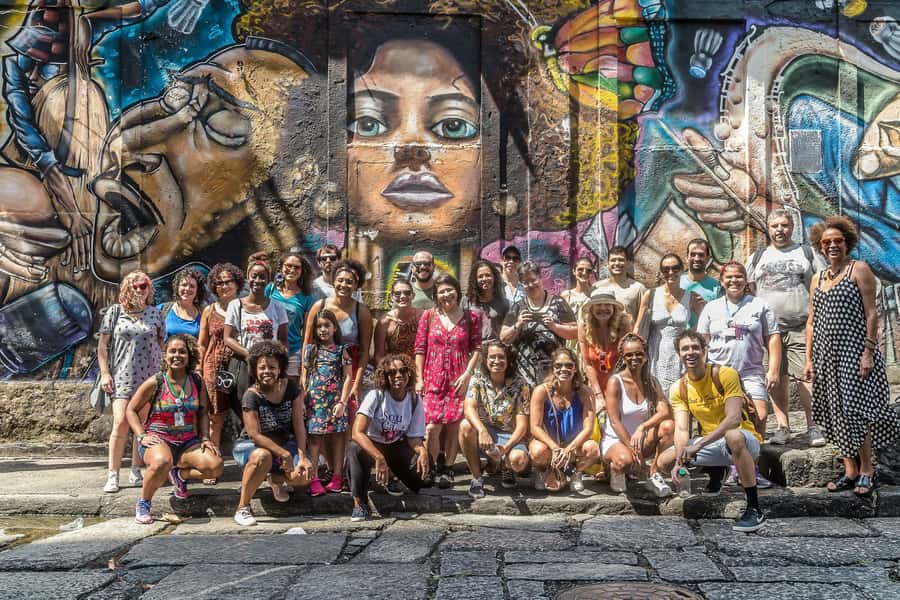
One of the first “wow” moments comes from a rooftop view from the Rio Art Museum. You’ll get panoramic sight lines over Mauá Square and Guanabara Bay—the kind of view that makes the port region feel real.
This isn’t just a scenic stop. It’s used like a teaching tool. From up high, you can better picture how this area functioned as a gateway—where people arrived, where goods moved, where the city’s power concentrated. Then, as the tour moves street-by-street, those views stop being background and start acting like context.
A practical tip: rooftop air can shift quickly. Even if the day looks calm at street level, you may feel it more up there. Sunscreen and water still matter.
Morro da Conceição: getting oriented before the deeper stops
After the museum portion, you’ll walk toward Morro da Conceição. Expect a guided walk (around 20 minutes) rather than a quick drive-by. This is where you start noticing details that you’d normally miss: street layout, how people move through the neighborhood, and how the guide ties physical space back to the cultural narrative.
What I like here is the pacing. Instead of jumping straight to the biggest named sites, the guide helps you adjust to the area. It also reduces the chance you’ll feel overwhelmed once the tour starts covering heavy topics around slavery and racial dynamics.
Largo da Prainha: African influence you can taste and recognize
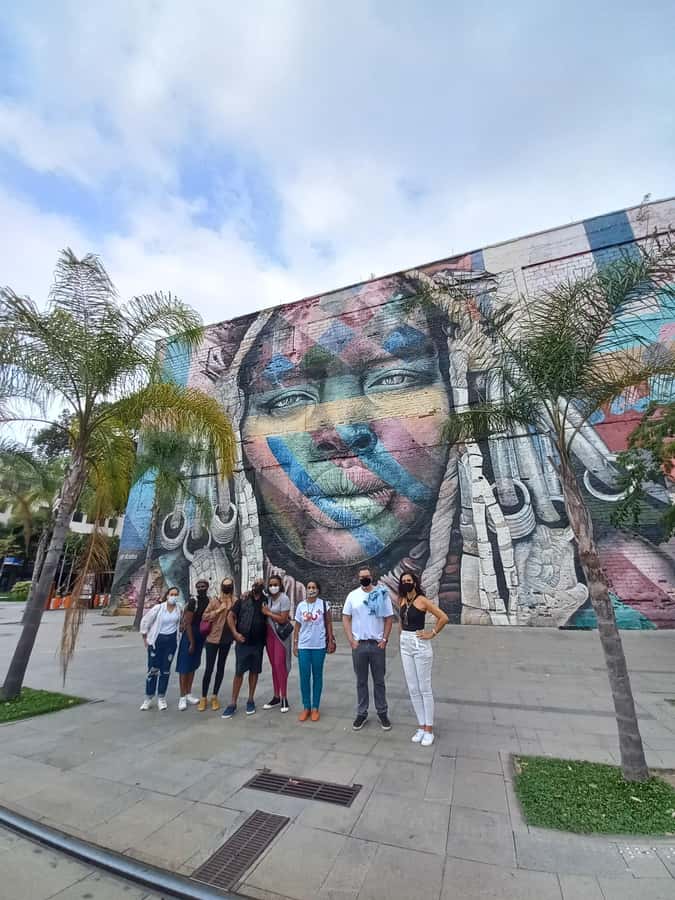
Next comes Largo de São Francisco da Prainha. Here you learn about African influence in Brazilian gastronomy, with guided explanation built around the neighborhood’s cultural imprint. This is a smart choice because it links heritage to everyday life. Food is one of the easiest ways for you to connect emotionally, even while the tour stays historically grounded.
This stop is shorter (about 20 minutes), which keeps the momentum. Still, it’s a key moment if you like culture that shows up in daily habits—ingredients, cooking methods, and the way communities shaped what Brazil eats and celebrates.
You can also read our reviews of more historical tours in Rio De Janeiro




Small consideration
Because the tour covers several outdoor areas, keep an eye on shade. There isn’t any promise that every stop will have a cool pocket. If you’re sensitive to heat, plan to slow down your pace slightly and take the water break seriously.
Pedra do Sal: the samba birthplace stop that hits harder than you expect
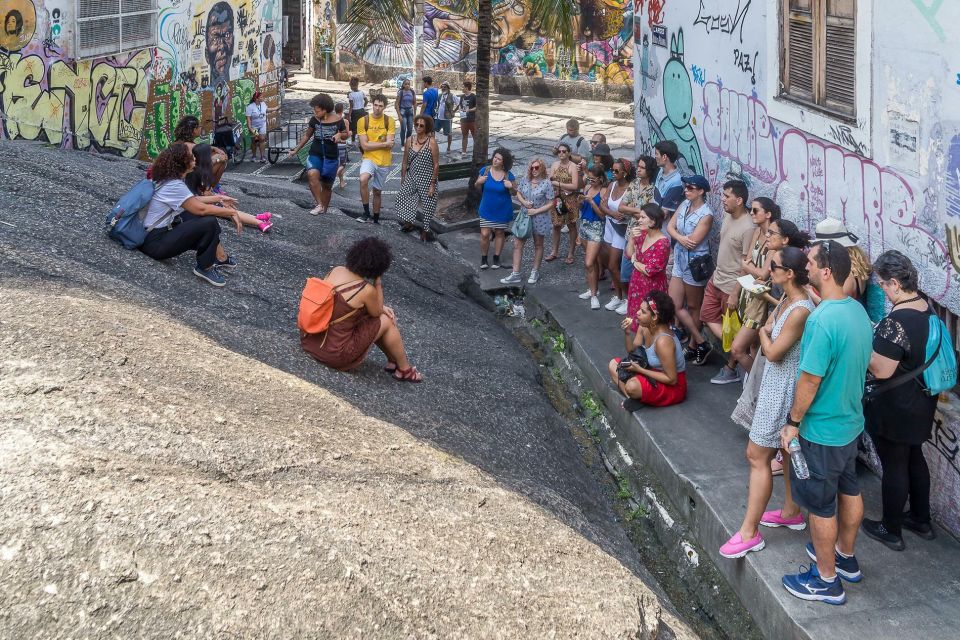
Then you reach Pedra do Sal, described as the place where samba was born. The area is also highlighted as the oldest continuously-inhabited black neighborhood in Brazil—a fact that changes how you look at the stones, the streets, and the community presence right now.
This is one of the tour’s most praised moments for a reason. It’s not just “history as trivia.” The guide connects samba to community life, music-making, and cultural continuity. Even if you already know samba as a worldwide symbol, this stop gives it a more grounded origin.
In practice, you’ll likely feel a mix of awe and heaviness here. The story around enslaved Africans and their descendants isn’t softened. But the guide’s job is to show how creativity and community pushed through that reality.
Mercedes Baptista and Afro dance: seeing a legacy in bronze
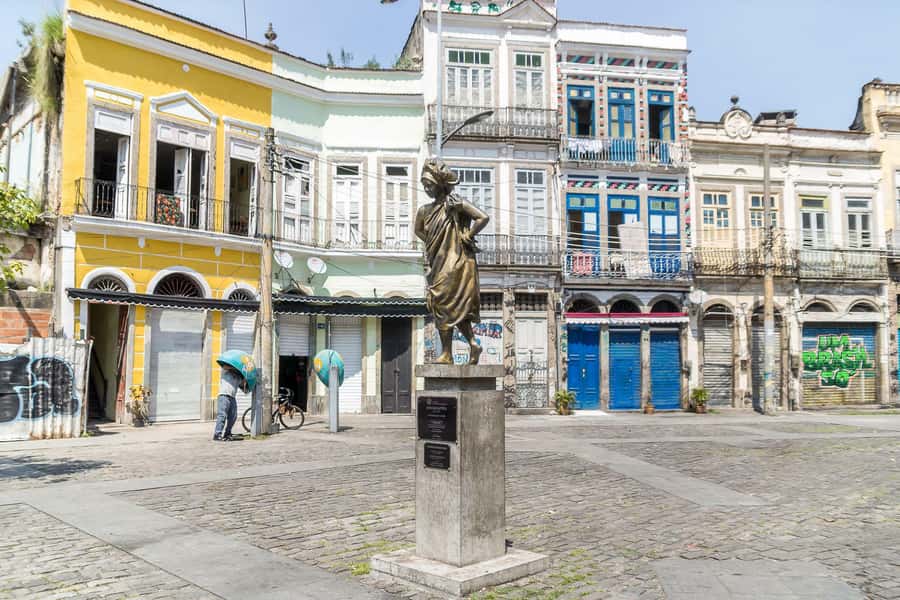
A standout stop for many visitors is the statue of Mercedes Baptista. The guide explains her as a forerunner of Afro dance in Brazil, and also notes she was the first black dancer at the Municipal Theater in Rio de Janeiro.
This is where the tour does something rare: it treats dance and performance as history. You’re not only hearing about music; you’re learning how formal stages and public recognition intersected with racial barriers—and how performers carved out space.
If you like when art history meets street-level storytelling, this stop will feel especially satisfying. You can look at the statue and then hear how her achievement connects to larger struggles and cultural survival.
Jardim Suspenso do Valongo and Cais do Valongo: the ending that changes the whole walk
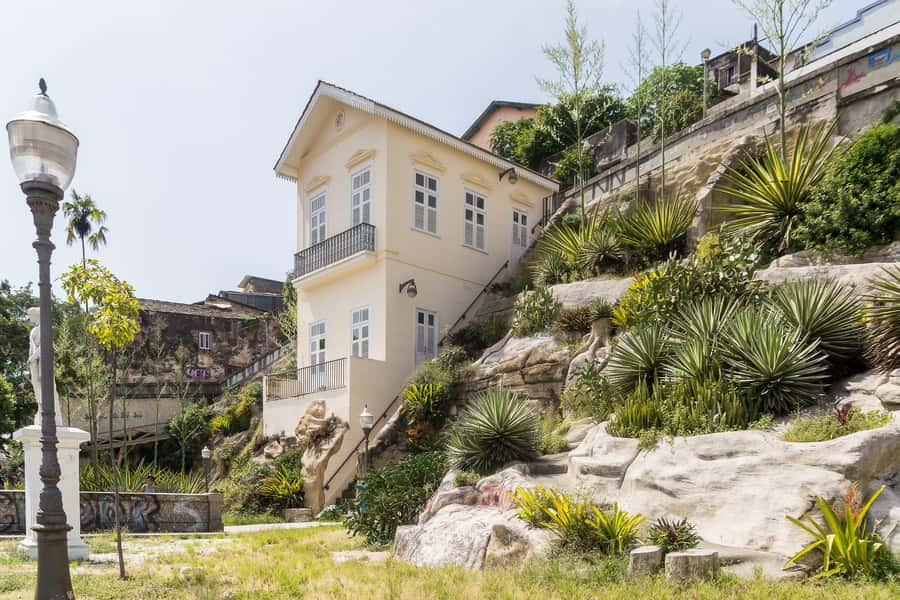
The tour finishes at the Jardim Suspenso do Valongo (Hanging Garden of Valongo) and ends at the Valongo area, including the Cais do Valongo (Valongo waterfront).
These stops matter because they point to where the city’s port history becomes personal and painful. The guide links the ending to the larger story you heard at the start: how the slave trade became illegal in Brazil, yet freed people still remained in the area working and rebuilding community life.
You’ll also get the sense that the tour is closing a circle. The beginning offered colonial context. The middle showed cultural expression in samba and dance. The end returns to place—Valongo’s waterfront—and asks you to hold both cultural joy and historical reality at once.
Time check
The walk back ends again near Museu de Arte do Rio. By this point, you’ll have been outside for most of the roughly 2.5 hours, plus the short museum break. Plan for tired legs, and celebrate that you earned it.
Guides make the difference: Luana, Nathalia, Marina, Ryane, Eddie
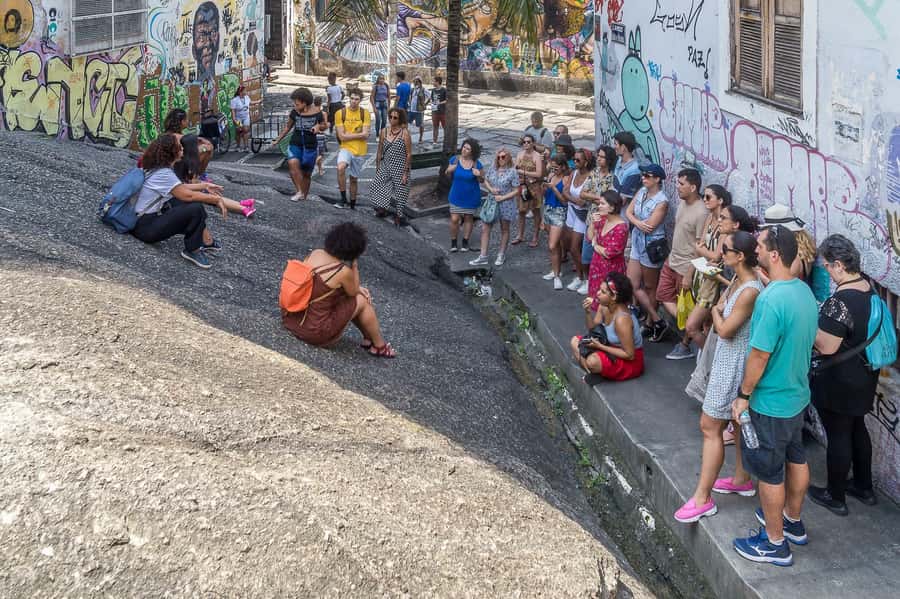
Across many bookings, the most consistent praise is how the guides tell the story. Names that show up often include Luana, Nathalia, Marina, Ryane, and Eddie—and the pattern is the same: energetic delivery, patience with questions, and a careful balance when the topics get sensitive.
One reason this tour feels worth it is that guides don’t just recite facts. They’re described as charismatic, engaging, and willing to spend time explaining. Some guides even use performance-style gestures or acting to help make key points land. You’ll also notice that the best guides use humor carefully—so the tone stays human without turning serious topics into a joke.
If you care about a tour that actually helps you understand Brazil’s racial history (not just skim over it), this is a strong choice.
Price vs. value: why $40 can feel fair
At $40 per person for about 150 minutes, the cost isn’t “cheap,” but it’s also not inflated. You’re paying for several things that add up:
- a focused route in the port area, not scattered stops
- a guide who connects culture (food, samba, dance) to historical forces
- English narration for the full walking duration
- rooftop viewing time and multiple named heritage sites, including Valongo waterfront areas
If you’re choosing between a generic city walk and something story-driven, the value here comes from interpretation. You’re not only seeing places—you’re leaving with a framework for why Rio looks the way it does and why culture formed the way it did.
What to bring (so the tour feels good, not grueling)
This walk is rain or shine. Pack like you mean it:
- Comfortable shoes (you’ll be on foot for most of the tour)
- Water
- Sunscreen
- Comfortable clothes
If it’s hot when you arrive, treat that as a planning signal: start hydrating early. If it rains, keep your shoes in mind. Wet pavement and uneven ground can turn a “short walk” into an unpleasant one fast.
Who should book this walk—and who might skip
This tour is a great match if:
- you want Rio’s culture explained through African heritage
- you’re interested in samba’s origins beyond the performance side
- you like guides who ask questions and bring the story to life
You might consider skipping (or at least adjusting expectations) if:
- you hate walking in sun or rain—because this is outdoors for about 2.5 hours
- you prefer light sightseeing only—this tour includes serious themes related to slavery and racial dynamics
- you’re traveling with very young kids (it’s not suitable for children under 5)
If you’re in Rio for a short stay and want one experience that adds real depth fast, this is also a strong candidate.
Should you book Rio’s Little Africa Heritage Walk?
I’d book it if you want your Rio day to mean something. The combination of rooftop views, samba origin context at Pedra do Sal, and the Valongo ending makes it more than a normal walking tour. The strong, repeat praise for guides like Luana, Nathalia, Marina, Ryane, and Eddie also matters: delivery style and sensitivity are a big part of whether this kind of tour lands well.
If you’re flexible with timing and can handle a steady outdoor walk, this is one of the better ways to understand Rio’s African heritage in a way that sticks.
FAQ
Where does the tour start?
You meet in front of Museu de Arte do Rio. Arrive about 5 minutes early since the guide can wait up to 15 minutes for delays.
How long is the tour?
The tour lasts about 150 minutes (including a short break).
How much does it cost?
It costs $40 per person.
Is hotel pickup included?
No. There is no hotel pickup or drop-off included.
What language is the tour offered in?
The tour is offered in English.
Does the tour run in rain?
Yes. The tour takes place rain or shine.
What should I bring?
Bring comfortable shoes, sunscreen, water, and comfortable clothes.
Is it suitable for young children?
No. It is not suitable for children under 5 years.
Will the guide wait if I’m late?
The guide can wait 15 minutes in case of delays, so aim to arrive about 5 minutes before the start.
Can I cancel for a refund, and can I pay later?
You can cancel up to 24 hours in advance for a full refund. You can also reserve now & pay later to keep your plans flexible.