REVIEW · RIO DE JANEIRO
Rio de Janeiro: Brazilian Cooking Class in Rio de Janeiro
Book on GetYourGuide →Operated by Gregtur Tourism · Bookable on GetYourGuide
Your kitchen smells like Rio. You get hands-on with Brazilian comfort food in Copacabana, guided by Chef Simone.
I really liked cooking yourself (not watching from the sidelines) and the warm, social vibe of a small group where you learn recipes and techniques at a comfortable pace. You’re working through favorites like feijoada or seafood moqueca, plus sides, drinks, and dessert, then sitting down to taste what you made with the instructor.
One thing to plan for: transportation isn’t included, so you’ll need your own way to get to the studio in Copacabana and back.
The class runs about 3 hours, and the teaching format focuses on mastering a set of classic recipes and flavors you can realistically recreate later at home.
In This Review
- Quick reasons to like this Brazilian cooking class
- Copacabana cooking: what makes this class feel different
- Moqueca Mondays and feijoada Saturdays: your main dish plan
- The hands-on meal: everything you’ll actually cook
- 1) Fried cheese with spicy guava jam
- 2) Fried sausage slivers (a small snack-style dish)
- 3) Lime caipirinha (you’ll mix it)
- 4) Batida de coco (coconut drink)
- 5) Pork and beans feijoada or seafood moqueca (your day-specific main)
- 6) Banana farofa with flavored rice
- 7) Surprise dessert using exotic fruits or classic sweets
- Toasting your work: how the class actually feels
- Price and value: is $220 reasonable for a 3-hour class?
- Who should book this cooking class (and who might not)
- Should you book Rio’s Brazilian cooking class in Copacabana?
- FAQ
- How long is the cooking class?
- Is transportation included?
- How many people are in a class?
- What dishes will I cook?
- What drinks are included?
- Do I need cooking experience?
- What languages is the instructor available in?
- What’s included in the price?
- Is there a free cancellation option?
Quick reasons to like this Brazilian cooking class
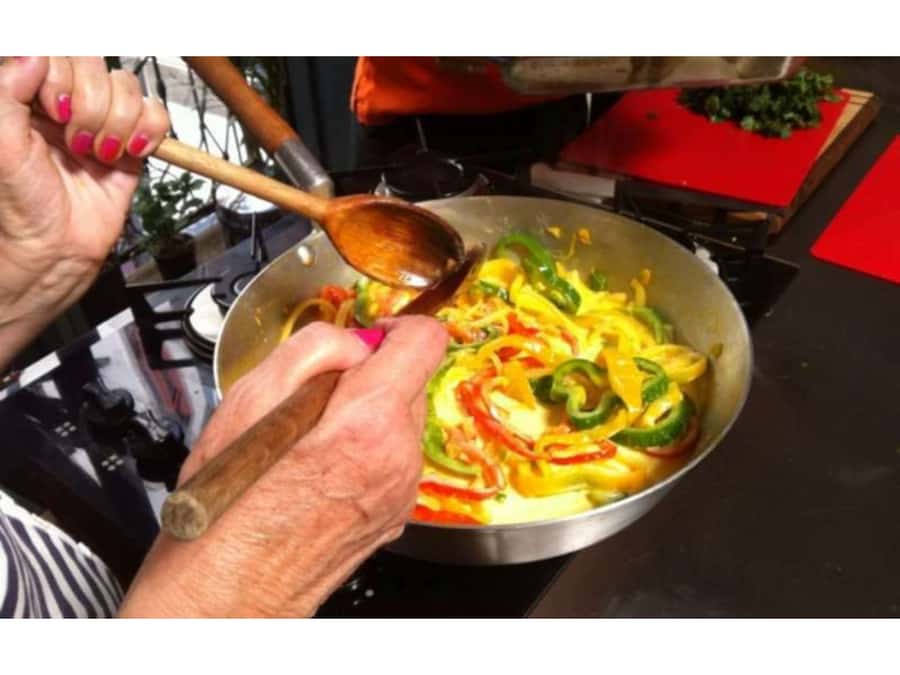
- Small group size (max 7) means you get more personal guidance while you cook
- Chef Simone’s teaching style mixes technique, food history, and real conversation
- Day-of-week menu: moqueca on Mon/Wed/Fri, feijoada on Sat
- You make drinks too, including lime caipirinha and batida de coco
- Cassava sticks plus two alcoholic drinks pair with the main meal
- Dessert is a wildcard, based on what the chef has on hand
Copacabana cooking: what makes this class feel different
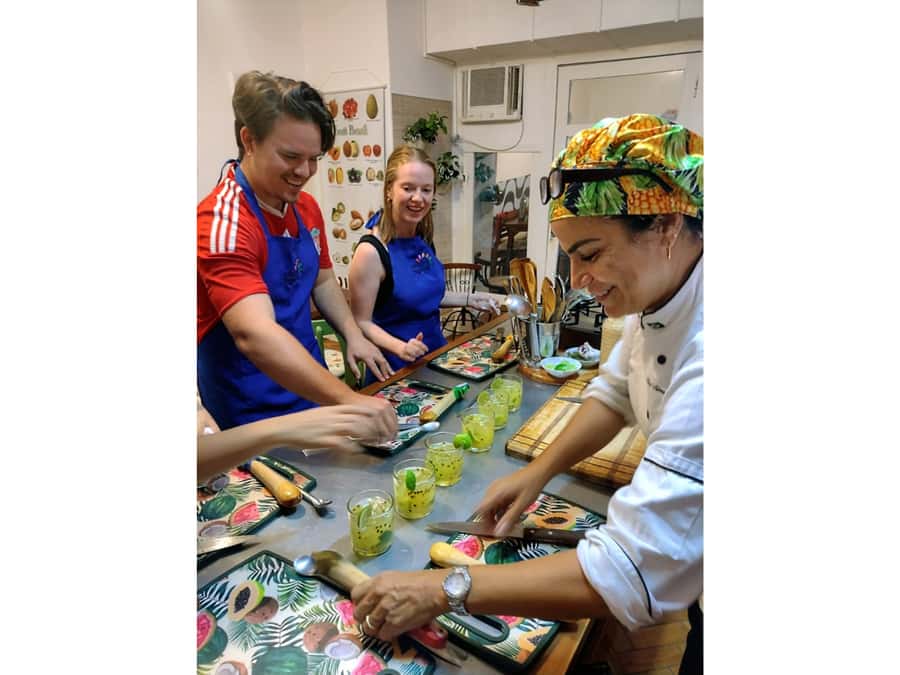
Rio is big on food culture, and this class gets you into it the practical way. Instead of a food tour where you sample a bite and move on, you’re at a workstation learning how Brazilian dishes are built: ingredient by ingredient, then technique by technique. You end up understanding why the flavors work together, not just copying a recipe.
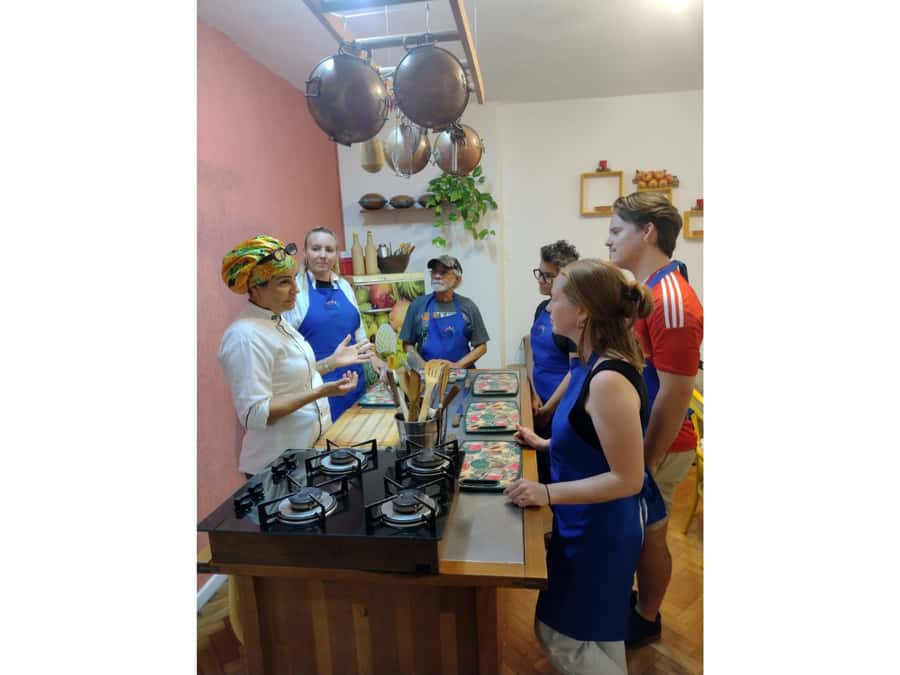
The setting matters, too. You’re based in the Copacabana region, which is convenient if you’re staying near the beach. The studio format is designed for doing, not crowding. And with private-group style limited to 7 people, the chef can actually notice what you’re doing and correct small things before they ruin your sauce or seasoning.
Also, the class doesn’t treat Brazilian food like a museum exhibit. Chef Simone’s approach brings in the story behind dishes and ingredients while you’re actively cooking. That’s a big deal, because it helps you remember what you did and why. When you return home, you’ll have more than a list of ingredients. You’ll have the method in your head.
You can also read our reviews of more cooking classes in Rio De Janeiro
Moqueca Mondays and feijoada Saturdays: your main dish plan
The main event is scheduled by day, so decide what matters more to you: seafood flavors or the hearty comfort of black beans.
- Mon, Wed, Fri: Seafood moqueca
- Sat: Feijoada (black beans and pork)
Both days feature a full Brazilian plate with sides and drinks, but the main changes the feel of the meal. If you go on a seafood day, you’ll be learning how moqueca gets its character through seasoning and the way it’s handled. If you go on Saturday, you’ll be focused on feijoada, the kind of dish that tastes like it’s meant for long conversations at the table.
Two other details help your planning. First, you’re served with cassava sticks as part of the meal. Second, every class includes two alcoholic drinks, so you’re not just cooking food—you’re mixing part of the Brazilian ritual.
The hands-on meal: everything you’ll actually cook
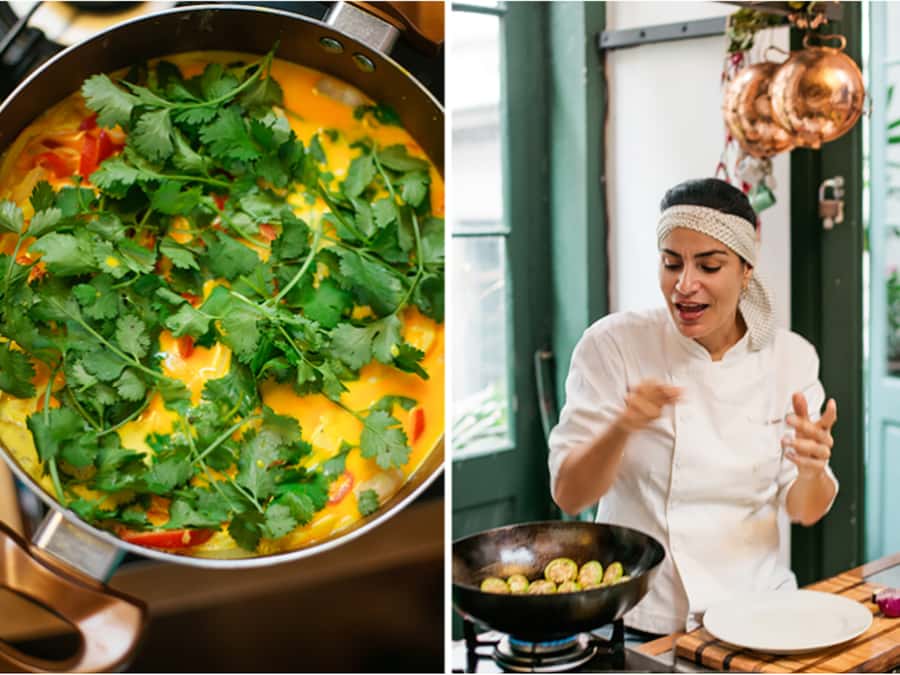
This class is structured around a multi-course menu, with you doing the hands-on work and learning technique as you go. You’re also given all ingredients and equipment, so you’re not showing up to improvise.
Here’s the typical flow of what you’ll make:
1) Fried cheese with spicy guava jam
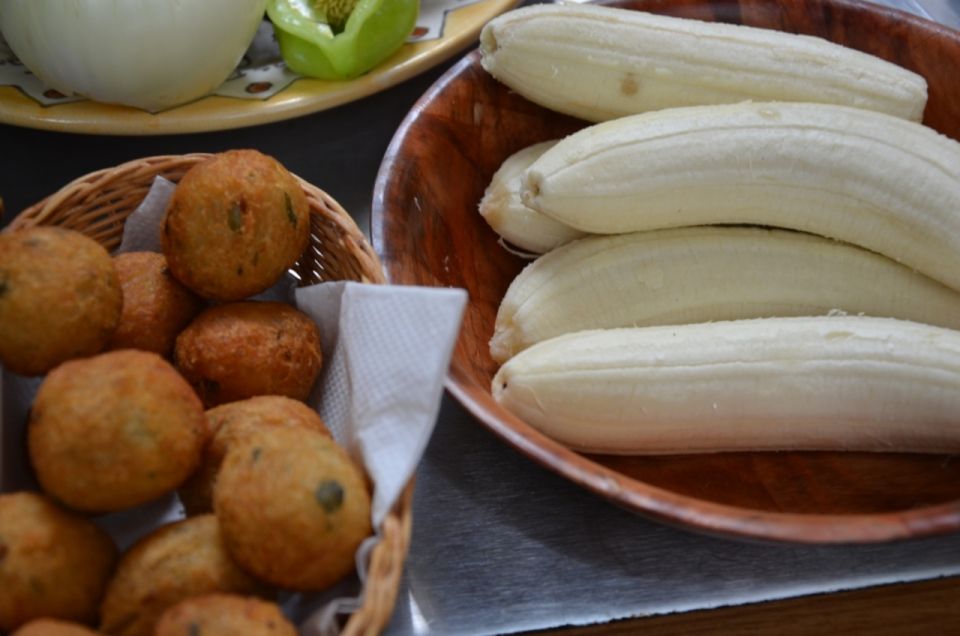
This is a great starter because it teaches you about texture. Fried cheese wants to be crisp outside and tender inside. Then the spicy guava jam adds a sweet-heat contrast that keeps the plate from feeling one-note. It’s also a dish you can picture serving at home because the components are straightforward.
2) Fried sausage slivers (a small snack-style dish)
Next comes something that feels like a Brazilian bar-food cousin. You’ll work with sausage in a simple format—cut, cook, and season—so you learn how to handle savory flavors without overcomplicating the process. It’s the kind of dish that makes you realize seasoning is doing a lot of the work.
You can also read our reviews of more tours and experiences in Rio De Janeiro






3) Lime caipirinha (you’ll mix it)
Caipirinha isn’t just a drink. It’s a technique lesson. You’ll learn how lime, sweetness, and muddling-style handling create the balance. The important part for you: you’re not just handed a cocktail. You make it, so you can recreate it later.
4) Batida de coco (coconut drink)
This pairs well with the heavier, savory parts of the meal. Coconut adds softness and body, and it’s a useful counterpoint to the sharper lime notes and the richness of the main dish. If you like tropical flavors, this will likely be a repeat at home.
5) Pork and beans feijoada or seafood moqueca (your day-specific main)
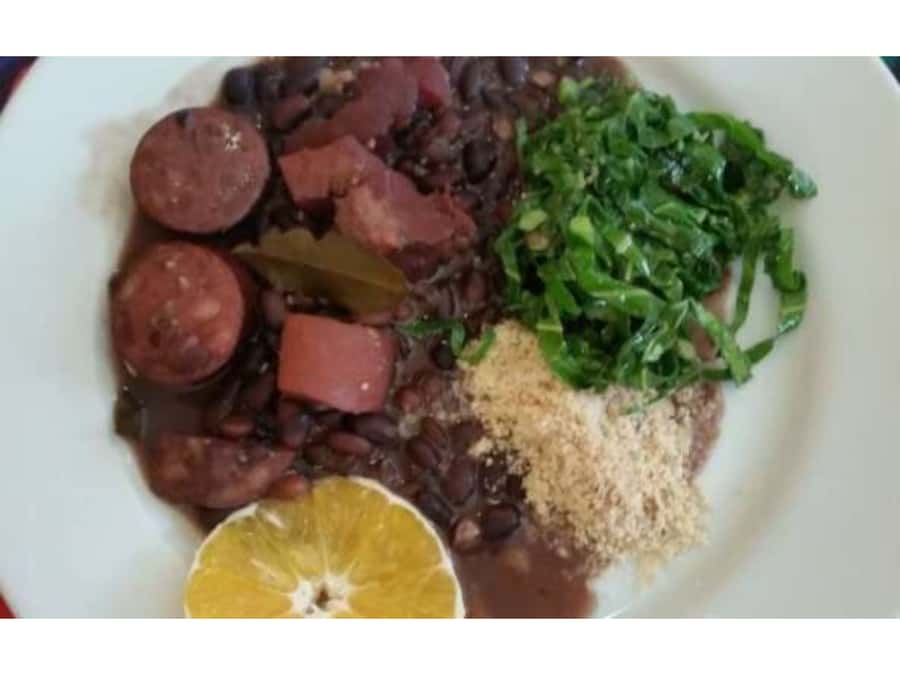
Now you cook the showpiece. On Saturday, it’s feijoada: black beans with pork, built for comfort and depth. On seafood days, it’s seafood moqueca, which focuses on getting the right balance so the seafood tastes like itself, not like a bland afterthought.
Either way, the class format means you’re not just tasting a finished dish. You’re involved in the process that builds the final flavor. That’s what makes this class more than a meal.
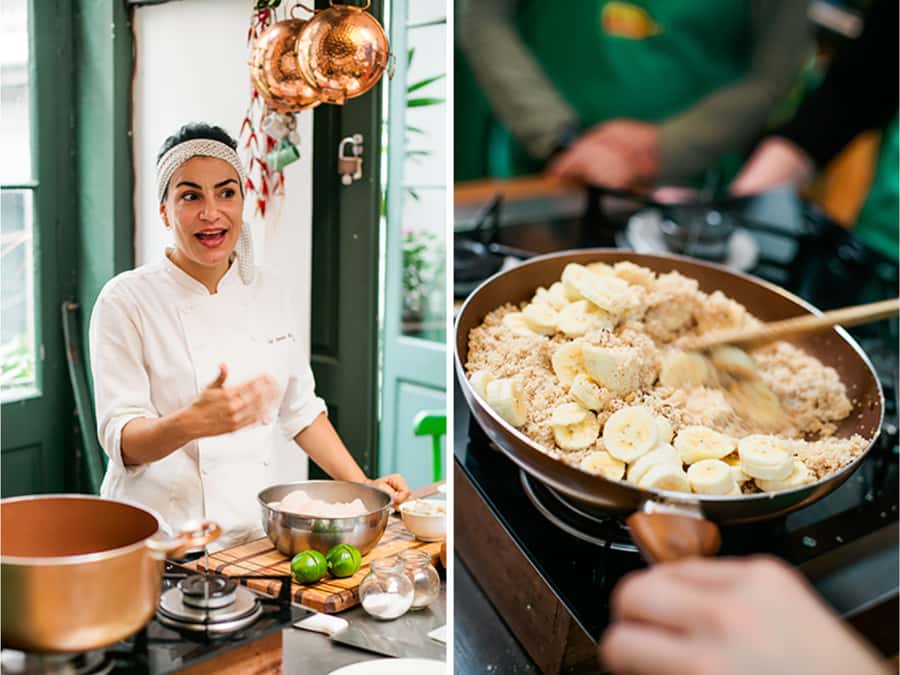
6) Banana farofa with flavored rice
Farofa is one of those Brazilian sides that can make a meal feel complete. It’s crunchy, savory, and often brings that toasted flavor that keeps you going back to the plate. Pair it with flavored rice and suddenly you’ve got the two side elements that absorb sauces and keep the main dish from feeling too dense.
7) Surprise dessert using exotic fruits or classic sweets
The dessert changes based on what’s available, and that’s part of the fun. Sometimes you’ll see something made with exotic fruit. Other times, the chef might use classics like brigadeiro or doce de leite. You don’t walk out with the same generic ending every time, which also means you learn how to adapt a Brazilian dessert idea to what you can actually find locally.
Toasting your work: how the class actually feels
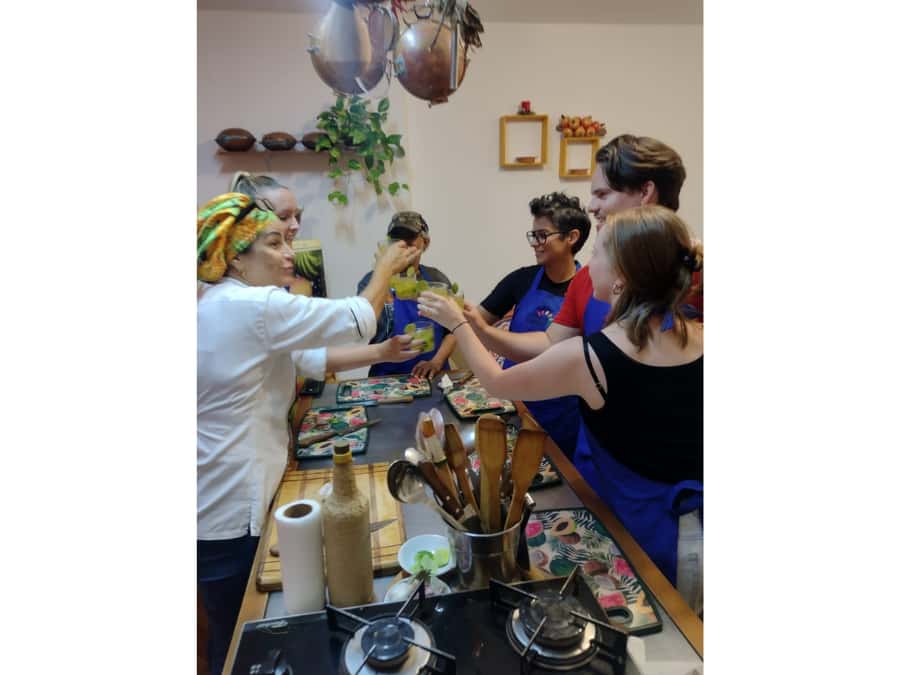
One of the most praised parts of this experience is the tone in the kitchen. Chef Simone creates a safe, welcoming environment, and the class feels social in a good way. You’re not forced into deep small talk, but it’s easy to chat because you’re working side-by-side with others.
There’s also a nice rhythm after cooking. When your meal is ready, you sit down with the instructor. You toast your efforts and taste what you made, with the drinks already on the table. That might sound simple, but it changes the whole experience. You get closure, not just a finish line.
In the background, the team structure is also friendly. Chef Simone is often assisted by her daughter, which adds a family, hands-on energy to the kitchen. You’ll also hear the history and food context behind what you’re making, so you come away knowing a bit more than technique.
If you’re the kind of person who worries about understanding a recipe, this class helps you relax. You’re guided through each part, and you learn the logic as you go.
Price and value: is $220 reasonable for a 3-hour class?
At $220 per person, this isn’t a budget snack. But you’re also not paying for a tasting menu with a guide. You’re paying for an instructor-led cooking session with:
- all ingredients and equipment
- two drinks included
- a multi-course meal you cook and then eat
- taxes included
The cost also needs to be weighed against the fact that this is a small private group (max 7). In bigger classes, you can get crowded and lose personal attention. Here, the format is designed for you to actually do the cooking.
Still, do be honest with yourself. If you just want to eat, you might find cheaper ways to sample Brazilian food in Rio. If you want skills, confidence in flavor-building, and a meal you can recreate, then the price starts to make sense fast.
One more practical angle: you’re not paying for transportation. If you’re staying far from Copacabana, plan your commute cost and time so you don’t get surprised later.
Who should book this cooking class (and who might not)
This class fits best if you check at least one box:
- You like cooking or want to learn without feeling lost.
- You’re curious about Brazilian food beyond names and photos.
- You want an experience that feels social, but not chaotic.
- You want a meal plus drinks, and you enjoy learning techniques you can repeat later.
It’s also a solid match for couples and small groups because the max 7 setup keeps things personal.
Who might skip it? If you don’t want to cook at all—if you only want to watch and take photos—this setup will feel like work. Also, if getting to Copacabana and back is hard for your schedule, you’ll need to handle that yourself since pickup and drop-off aren’t included.
Should you book Rio’s Brazilian cooking class in Copacabana?
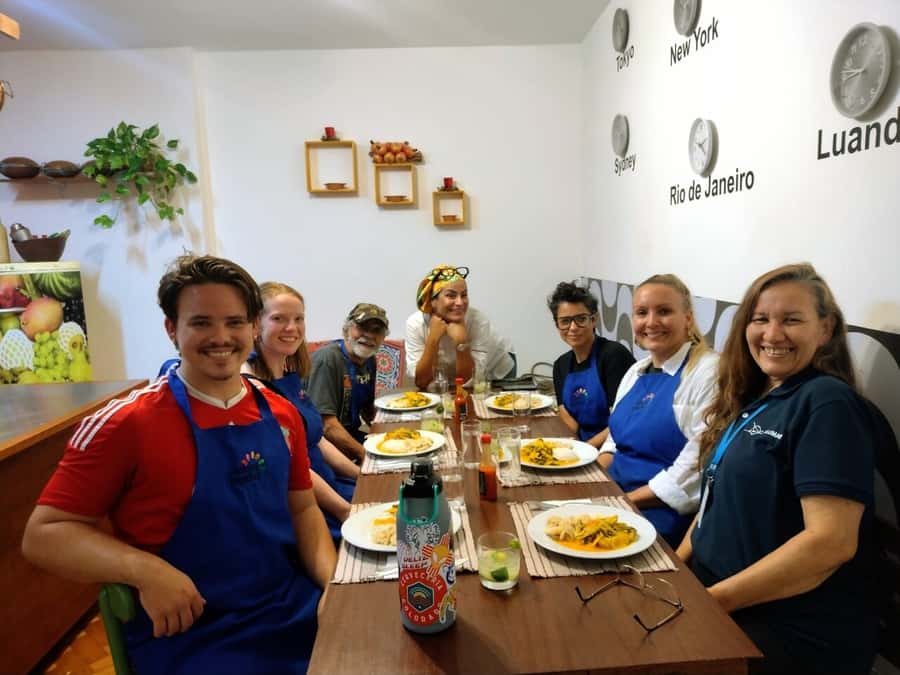
If your goal is hands-on learning with a real, friendly chef, I think this is a smart booking. The biggest reasons: you cook your meal, you get day-specific variety (moqueca or feijoada), and you leave with a clear idea of how to build Brazilian flavors at home. Chef Simone’s teaching style, including the family-team feel and the emphasis on food context, makes the class more than just a cooking task.
Book it if you’ll actually enjoy being active in the kitchen. Skip it if you want a low-effort food stop. And do plan your own ride to and from Copacabana so the day stays stress-free.
FAQ
How long is the cooking class?
The class duration is listed as 3 hours.
Is transportation included?
No. Transportation, including pick-up and drop-off, is not included.
How many people are in a class?
The class is limited to a maximum of 7 participants.
What dishes will I cook?
You’ll cook items from the sample menu. The main dish depends on the day: seafood moqueca on Mondays, Wednesdays, and Fridays; black bean feijoada on Saturdays. Other menu items include fried cheese with spicy guava jam, fried sausage slivers, banana farofa with flavored rice, and a surprise dessert.
What drinks are included?
Two drinks are included with the class, including lime caipirinha and batida de coco (coconut drink).
Do I need cooking experience?
No experience is required.
What languages is the instructor available in?
The instructor speaks Portuguese, English, and Spanish.
What’s included in the price?
Included are the cooking class, 5 dishes, 2 drinks, all ingredients and equipment, and VAT/taxes/handling charges.
Is there a free cancellation option?
Yes. You can cancel up to 24 hours in advance for a full refund.