
REVIEW · RIO DE JANEIRO
Rio de Janeiro: Brazilian Cooking Class with Hotel Pickup
Book on GetYourGuide →Operated by Rio Carioca Tours & Service · Bookable on GetYourGuide
Cooking in Rio starts with dinner plans.
This hands-on class in Copacabana comes with hotel pickup and a real chef-led dinner that you’ll cook and eat. I especially like the pre-class choice between feijoada or seafood moqueca, and the way you also practice classic sides and drinks so you leave with more than one recipe. The only downside is timing: in high season, traffic can stretch the 4-hour window a bit.
What makes it feel practical is that you’re not just watching. You’re chopping, cooking, and tasting while the chef explains why each dish matters, from ingredients to technique. If you’re short on time in Rio or hate kitchens with a bit of heat and noise, plan your afternoon carefully.
In This Review
- Quick hits
- Choosing Feijoada vs. Moqueca: How the Class Gets Personal
- Afternoon Hotel Pickup and the Trip to the Chef’s Kitchen
- The Cooking Part: What You Actually Make, Step by Step
- Main course: feijoada or seafood moqueca
- Side dishes that teach technique
- Drinks: caipirinha and coconut shake
- The Chef Experience: Learning the Stories Behind the Food
- Eating Together: Why the Meal Part Feels Like More Than a Ticket
- Price and Value: What $117 Gets You in Real Terms
- Timing Tips: Make This a Smooth Afternoon, Not a Rush
- Kitchen Comforts: Knives, Language, and What to Bring
- Who This Cooking Class Suits Best (and Who Should Think Twice)
- Should You Book This Rio Brazilian Cooking Class?
- FAQ
- Is hotel pickup included?
- What dishes can I choose from?
- What else will I cook besides the main dish?
- Are drinks included?
- How long is the experience?
- What languages are used during the class?
- Can I bring my own knives?
- Is cancellation free?
Quick hits
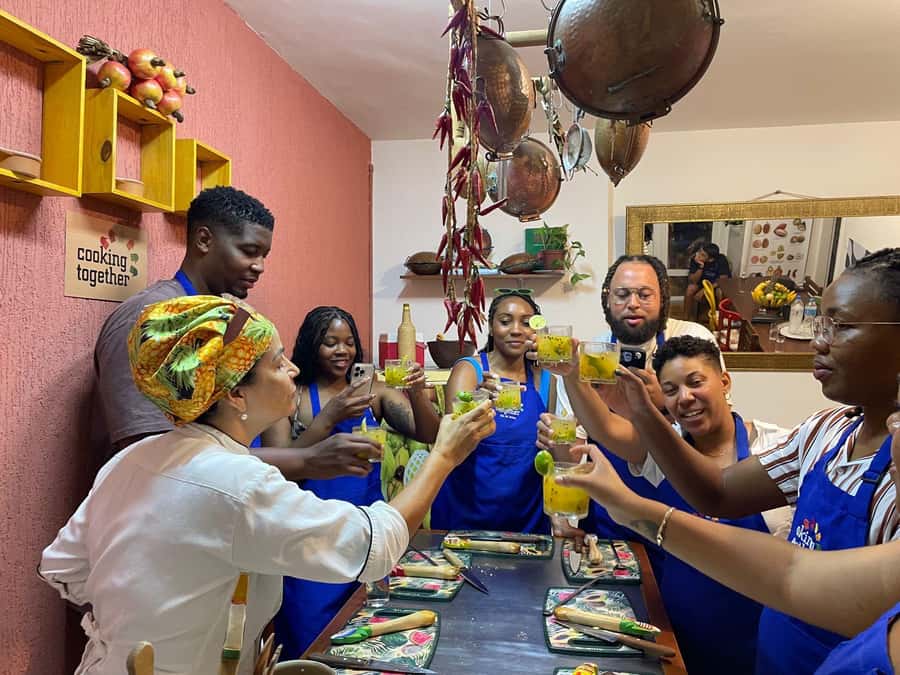
- Pick your main dish (feijoada or seafood moqueca) before you start cooking
- Hands-on sides you can actually recreate like coalho cheese with pepper jelly and brigadeiro
- Drinks are part of the session, including caipirinha and a coconut shake
- Chef-led culture talk so the food has context, not just flavor
- Round-trip transfer from many nearby hotel areas and the cruise port
- In one booking, it ran as a private class for two, so you may get a more personal pace
Choosing Feijoada vs. Moqueca: How the Class Gets Personal
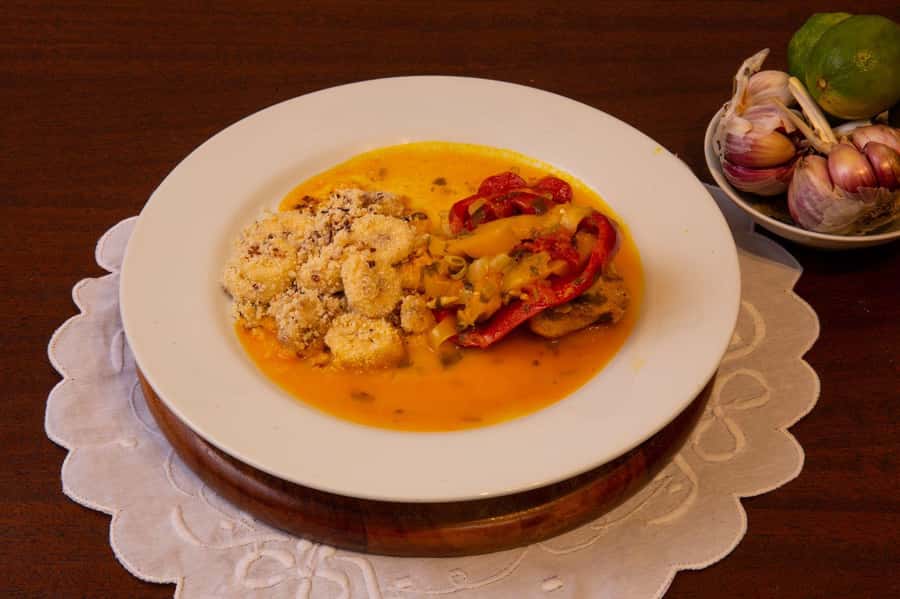
The biggest reason this tour works is simple: you choose what you’ll cook. Before the apron goes on, you select one iconic main—either feijoada or seafood moqueca. That choice matters because it sets the whole vibe of the lesson.
Feijoada is the heavy hitter of Brazilian comfort food: a hearty black bean stew with pork flavors built into the pot. If you want something deeply filling and very “Rio dinner,” this is the pick. It also gives you a chance to learn how the flavors build over time, not just how to assemble a dish at the last minute.
Seafood moqueca goes another direction. It’s a fish stew flavored with coconut milk, which means you’ll get practice with a different balance—richer, rounder, and more fragrant. If your instinct is to keep things lighter than a bean-and-pork stew, this option usually feels more forgiving for people who are sensitive to very heavy meals.
Either way, you’re not just getting a recipe. You’re getting the reasoning: the chef shares tips on selecting the best ingredients, plus the cultural significance behind what you’re making. That’s the difference between cooking as a performance and cooking as a skill.
You can also read our reviews of more cooking classes in Rio De Janeiro

Afternoon Hotel Pickup and the Trip to the Chef’s Kitchen
This class starts in the afternoon and includes round trip transfer. If you’re staying in Leblon, Ipanema, Copacabana, Leme, Botafogo, Flamengo, or Centro, pickup is available from most hotels there. It also works from the cruise port.
I like this setup because it removes one of the annoying parts of cooking tours: figuring out the route and timing. When you’re in Rio, traffic and neighborhood logistics can turn a “quick activity” into a stressful one. The driver handles the moving piece, so you can focus on the food.
Practical note: the class is listed as 4 hours, but high season can mean delays due to traffic and the number of people in the city. I’d treat 4 hours as a target, not a promise—especially if you have dinner reservations right after.
Also, if you enjoy getting your bearings, you’ll appreciate that the driver is easy to spot—at least one booking noted that the driver was simple to find and handled the safe ride without fuss.
The Cooking Part: What You Actually Make, Step by Step
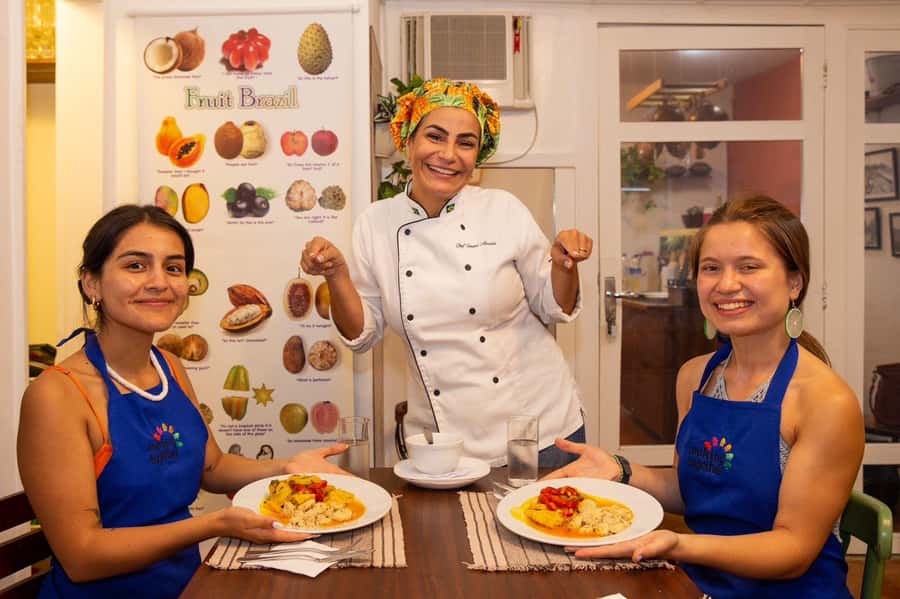
Once you arrive, you meet the chef and get introduced to what you’re making that day. Then you move into the hands-on work: prep, cooking, and tasting. The class isn’t just “watch then eat.” You’re doing real steps.
Main course: feijoada or seafood moqueca
After you choose your main, the chef presents the freshest ingredients and talks through selection—what makes a difference and what you can look for. That’s useful even if you cook at home, because ingredient quality is where many Brazilian dishes either shine or fall flat.
You’ll learn how the flavors come together for your chosen main and why the dish is treated the way it is in Brazil. You also get cultural context before the cooking process, which helps the instructions make more sense as you go.
Side dishes that teach technique
This is where the class earns its value. Instead of one lone recipe, you practice a spread of Brazilian staples. The lesson includes sides such as:
- coalho cheese with pepper jelly
This is a great practice dish because it’s more about getting texture and timing right. Cheese that’s handled well tastes like a specialty, not bar food.
- sausage with onion flambéed in cachaça
Flambé can be intimidating to attempt at home, but in a class you learn how it’s handled and what effect it creates. Even if you never flambé at home, you’ll understand how that alcohol flavor lifts the onion and makes the sauce taste sharper.
- brigadeiro
Brigadeiro is Brazil’s famous chocolate sweet. It’s also a practical lesson because you can see how the mixture thickens and changes texture as it cooks. It teaches patience, which sounds basic, but it’s exactly the kind of skill that makes homemade sweets work.
You can also read our reviews of more tours and experiences in Rio De Janeiro






Drinks: caipirinha and coconut shake
Food tastes better when you understand the pairing. In this class, you mix and taste caipirinha and a coconut shake. That matters for two reasons.
First, it shows you the flavor logic behind Brazilian meals: balance, citrus, sweetness, and creamy elements. Second, it gives you something you can replicate immediately once you’re back home, without hunting for obscure ingredients.
One review also mentioned that the class included cocktails and that they were delicious, which suggests the drink portion can feel like a real part of the menu, not just a token tasting.
The Chef Experience: Learning the Stories Behind the Food
A cooking class is only as good as the teaching. Here, the chefs bring both technique and explanation, and that’s a big reason the reviews land at the top score.
In particular:
- Carina was described as a fantastic chef and teacher who made learning fun and useful whether you cook often or not.
- Chef Simone was praised for explaining the cultural significance of the dishes before cooking, and for being thoughtful, engaging, and patient.
That combination matters. If you’re not a confident cook, you want a calm guide who can slow things down without judgment. If you are a confident cook, you still want meaning—why the dish is built the way it is—so you can adjust it in the future.
If you’ve ever cooked from a recipe with no context, you already know the downside: you end up following steps without understanding flavor logic. This class tries to fix that by pairing each cooking stage with “why this matters” commentary.
Eating Together: Why the Meal Part Feels Like More Than a Ticket
After cooking, you sit down and eat what you made. That meal isn’t just a reward; it’s a feedback loop. You taste, you notice what worked, and you connect the flavor to the method you used.
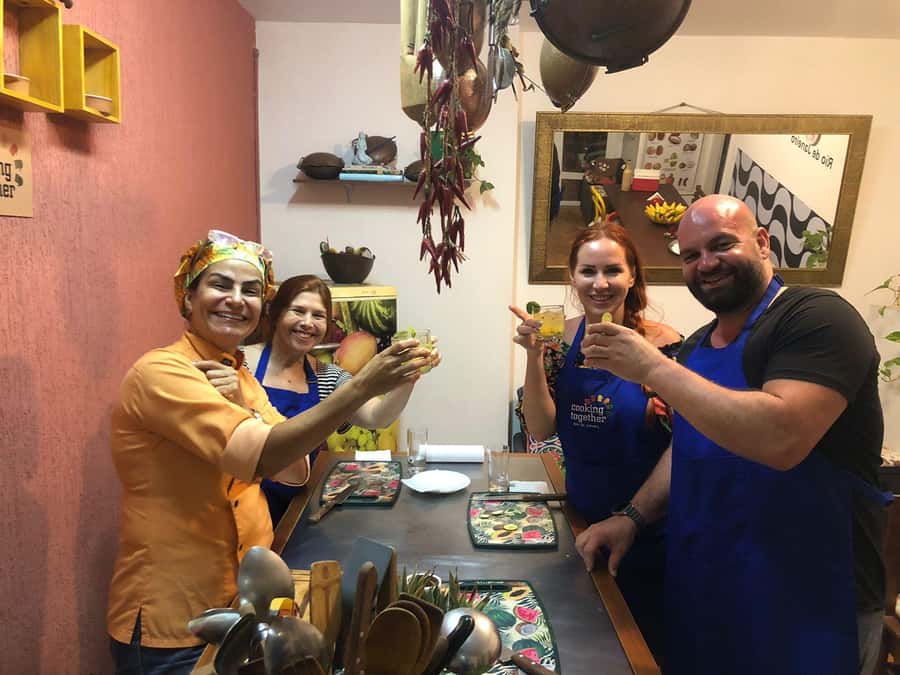
The atmosphere is described as convivial, and that fits the format: a small group, a shared kitchen experience, then everyone eating the results. You’ll also get a chance to share stories with fellow participants while you eat, which is part social, part cultural exchange.
One booking specifically noted a private hands-on class for two people (for a husband and wife). If you get that kind of smaller format, you’ll likely get more direct attention, and you can ask follow-up questions without waiting for the group.
Price and Value: What $117 Gets You in Real Terms
At $117 per person for about 4 hours, the price can feel mid-range to high, depending on how you compare it.
Here’s the value math that makes it make sense:
- You get round-trip transfer, which is not free in Rio when distances and traffic matter.
- You get the cooking instruction, not just ingredients.
- You get ingredients for all dishes (the main, sides, and the drinks you mix during the class).
What’s not included:
- Additional drinks
- It also lists dessert as not included. But brigadeiro is part of what the class teaches and you make it during the session. The safest way to interpret this is: extra dessert beyond what’s built into the class meal may cost extra.
When I look at a cooking class price, I ask a basic question: will I learn enough to repeat it at home? Here, the answer is better than average because the class covers a main + multiple sides + multiple drinks. You’re not buying one recipe; you’re buying a Brazilian meal workflow.
Timing Tips: Make This a Smooth Afternoon, Not a Rush
This runs in the afternoon, and you’ll be back at your hotel afterward. That’s ideal for a day when you want something more grounded than a sightseeing-only plan.
Two timing considerations:
- Plan a buffer after the tour in high season. Traffic can lengthen things.
- Choose the right day for your appetite. You’ll cook and then eat a full meal plus sweets and drinks. If you’re also planning something big that evening, don’t stack two “heavy food” events back to back.
If you tend to book tours without thinking about meal load, this is the one where you should pay attention. The class gives you multiple rich components, so you’ll be satisfied for hours.
Kitchen Comforts: Knives, Language, and What to Bring
You can bring your own set of knives if you want. That’s optional, not required, but it’s nice if you have a favorite tool and hate using someone else’s gear.
Language support is Portuguese, Spanish, and English, which helps a lot. If you’re more comfortable in one of those languages, you can feel confident you’ll follow instructions and cultural explanations.
If you have reduced mobility or wheelchair use, notify in advance. There’s also an adapted vehicle option listed as 100 USD or 500 BRL if needed.
And if you’re staying farther out—Barra da Tijuca/Recreio dos Bandeirantes—there’s an extra pickup fee of 10 USD or 40 BRL per person.
Who This Cooking Class Suits Best (and Who Should Think Twice)
This tour fits best if you:
- want a hands-on meal with real cooking steps
- like learning with context, not just instructions
- enjoy Brazilian flavors and want to broaden beyond one dish
- want a guided activity that’s simpler than self-planning in Rio traffic
It may not be ideal if:
- you dislike busy kitchens or you’re very time-tight in your schedule
- you’re expecting only one light recipe (this class is a full meal setup)
- you prefer tours that are mostly sightseeing with short stops
For couples and small groups, it can be especially good. One booking noted a private hands-on format for two, which suggests that smaller groups can happen.
Should You Book This Rio Brazilian Cooking Class?
If you want a genuinely practical food experience in Rio, I’d say yes, especially if you’re staying in the Copacabana/Leblon/Ipanema zone and want hotel pickup handled for you. The biggest win is the variety: main dish choice, multiple sides, plus drinks, all taught by a chef who explains both technique and meaning.
If your schedule is fragile because you’re hopping between lots of plans, give yourself buffer time for traffic in high season. And if you hate the idea of eating a full dinner you helped cook, skip it and go for a shorter tasting-style activity instead.
Bottom line: for the price, you’re buying an entire Brazilian dinner education—plus a meal you actually make. That’s the kind of souvenir that doesn’t sit in a drawer.
FAQ
Is hotel pickup included?
Yes. Round-trip transfer is included, with pickup available from most hotels in Leblon, Ipanema, Copacabana, Leme, Botafogo, Flamengo, and Centro, as well as from the cruise port.
What dishes can I choose from?
Before the class begins, you choose between feijoada (black bean stew with pork) or seafood moqueca (fish stew with coconut milk).
What else will I cook besides the main dish?
You’ll also make side dishes such as coalho cheese with pepper jelly, sausage with onion flambéed in cachaça, and brigadeiro.
Are drinks included?
You’ll mix and taste classic Brazilian drinks, including caipirinha and a coconut shake. Additional drinks are not included.
How long is the experience?
The duration is listed as 4 hours. Starting times depend on availability.
What languages are used during the class?
The instructor speaks Portuguese, Spanish, and English.
Can I bring my own knives?
Yes, you can bring your own knives if you want.
Is cancellation free?
Cancellation is free up to 24 hours in advance for a full refund.