REVIEW · RIO DE JANEIRO
Rio: Historical Walking Tour
Book on GetYourGuide →Operated by CARIOCA TROPICAL TOUR OPERATOR · Bookable on GetYourGuide
Rio’s downtown rewards slow walking. This 4-hour tour threads subway time into a guided walk through Cinelândia and the old city center, where the buildings tell you how power and style changed over time. I love the way the route spotlights Confeitaria Colombo (built in 1894) and gives you context you can’t pick up from a map alone. I also like that you get a true architectural walk: plazas, arches, churches, and cultural buildings are the main event.
One heads-up: it is not for everyone on foot. If you have walking difficulties, the long downtown stretch (including uneven sidewalks) can be tiring.
In This Review
- Key Things I’d Highlight Before You Go
- Subway-First Downtown Rio: How the Tour Gets You Oriented Fast
- Cinelândia Station to Largo da Candelária: French-Style Details You’ll Actually Notice
- Praça XV and Tiradentes Palace: When Rio’s Political Center Becomes Personal
- Confeitaria Colombo (1894): Why a Classic Tea-Stop Works on a History Tour
- From Travessa do Comércio to Carmen Miranda’s Former Residence
- Churches and Cultural Centers: Largo da Candelária, Post Office, and Candelária Church
- Passing Through Daily History: What Your Guide Adds (Lucien, Monique, Ernani, Mathilda)
- Price and Logistics: Is $79 Worth It for 4 Hours?
- Timing and Pace: What 4 Hours Feels Like on the Ground
- Where You’ll Go (and Why Each Stop Adds Something)
- Who Should Book This Tour (and Who Should Skip It)
- Should You Book Rio: Historical Walking Tour?
- FAQ
- How long is the Rio Historical Walking Tour?
- How much does the tour cost?
- What’s included in the price?
- What’s not included?
- Where does the tour start and where does it end?
- Do you visit multiple indoor places?
- Which languages is the guide available in?
- Is the tour suitable for people with mobility issues?
- What is the cancellation policy?
Key Things I’d Highlight Before You Go
- Subway to downtown means you skip the guesswork and jump straight into the historic core
- Cinelândia and Largo da Candelária are about architectural style, not just sightseeing photos
- Praça XV to Tiradentes Palace connects streets to the political story of Rio as a former capital
- Food-history stop at Confeitaria Colombo (1894) adds a human, everyday angle to the formal buildings
- Churches and cultural centers help you understand how Rio’s public life evolved
Subway-First Downtown Rio: How the Tour Gets You Oriented Fast
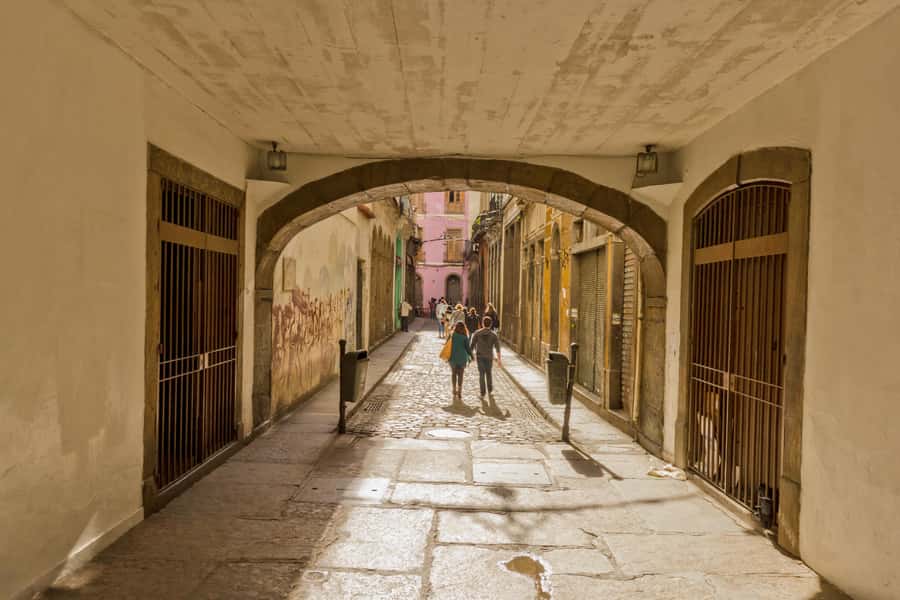
This is one of those smart tours that starts by moving you. You take the subway to the downtown area around Cinelândia, then the day becomes a guided walk where the city makes sense step by step. When you arrive with the route already stitched together, you spend less time figuring out where you are and more time noticing details.
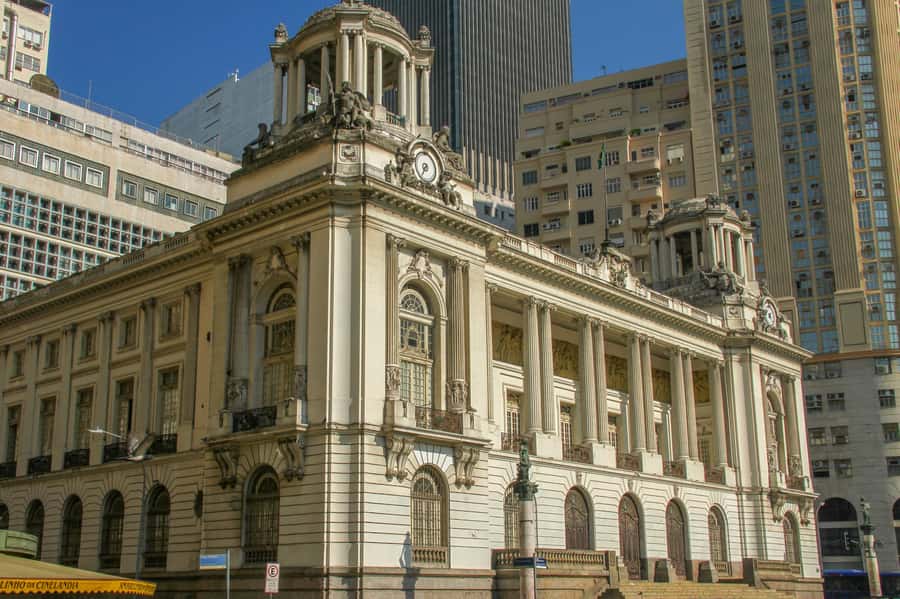
Cinelândia is a great starting point because it feels like a design statement. You’re in the part of downtown connected with French architectural influence, so even the street-level scene tells you something about what Rio’s leaders wanted the city to look like. If you’ve ever walked around a city center and thought, I see buildings, but what does it mean, that’s exactly the problem this tour helps you solve.
The small-group setup is another advantage. You’re not lost in a crowd, and the guide can slow down for questions without turning the day into a rush-job.
You can also read our reviews of more walking tours in Rio De Janeiro



Cinelândia Station to Largo da Candelária: French-Style Details You’ll Actually Notice

From the station area, you move into a neighborhood where the architecture carries its own clues. The tour route is built to help you connect blocks of buildings to the larger story of the former capital’s growth.
This part of downtown includes sights like the Naval Club and the Monastery Church of Santo Antônio, plus stops connected to the Ordem Terceira de São Francisco da Penitência. That sounds like a lot of names, but the guide’s job is to translate them into why they matter. You’ll learn what these institutions represent and how they fit into the city’s layout.
A big reason I like this section for first-timers is that it teaches you how to read the city. You’re not just looking at façades; you’re learning what to watch for—style cues, how buildings relate to plazas, and how religious and civic power show up side by side.
Praça XV and Tiradentes Palace: When Rio’s Political Center Becomes Personal
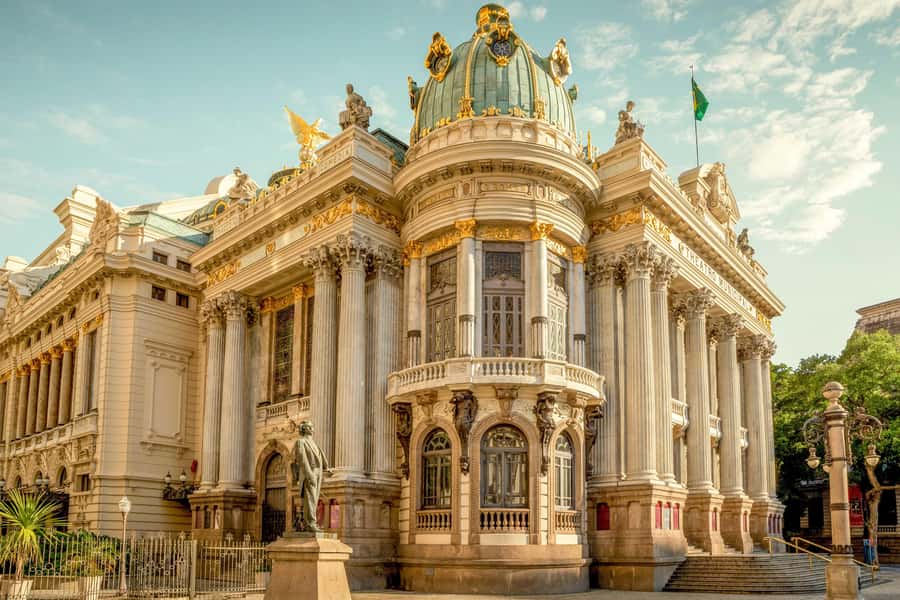
Next up is one of Rio’s classic centerpieces: Praça XV, with the Imperial Palace nearby. This is a place where you can almost feel the weight of decisions made here, even if you arrive without much background.
You also pass Tiradentes Palace (noted as the State Hall), which turns a walk into a timeline of civic authority. The guide helps you connect the architectural presence of these buildings to the idea that Rio was not just a city—it was the stage for governance and identity.
Two details that make this section more fun than a generic walk:
- The statue of General Osório, which adds a “who” to the “what” of plazas
- Mestre Valentim’s Fountain, which brings art and public space together in a way that feels very Rio
You’ll likely take a few extra photos here, but the real value is learning how the city’s layout supports the story. A plaza isn’t just open space—it’s where people gathered, watched, and organized life.
Confeitaria Colombo (1894): Why a Classic Tea-Stop Works on a History Tour
Then you hit a stop that surprises people who expect only churches and monuments. Confeitaria Colombo, built in 1894, adds a daily-life layer to the day. It’s a reminder that history isn’t only laws and buildings. It’s also the places where people met, talked, and built social habits.
Even if you don’t plan to buy anything, simply being there changes the tone of the walk. You can see the shift from formal government spaces to a classic Rio setting tied to everyday culture. That mix is part of why this tour works: it doesn’t let downtown become a single-note museum.
If you like architecture and human-scale details, this is one of the stops that makes the whole experience feel more balanced.
From Travessa do Comércio to Carmen Miranda’s Former Residence
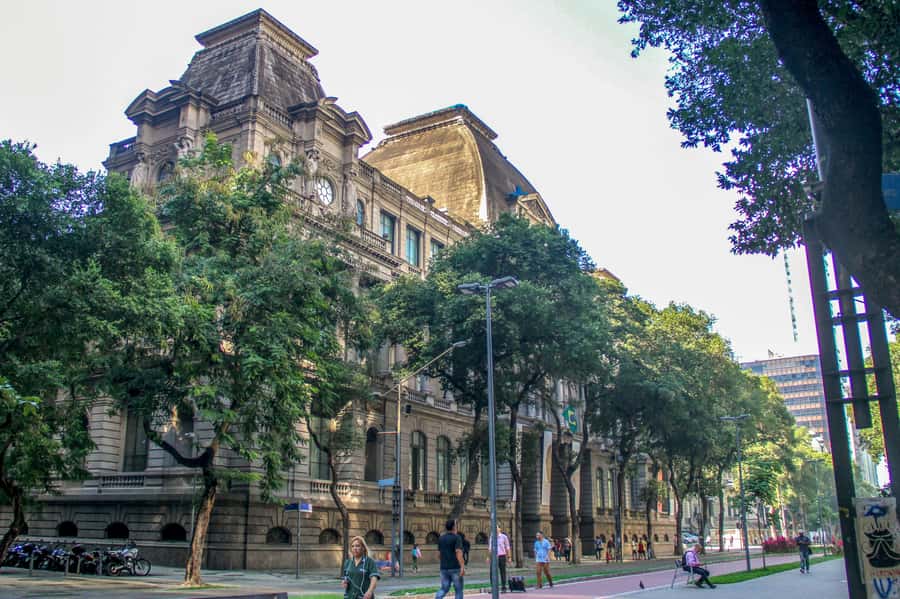
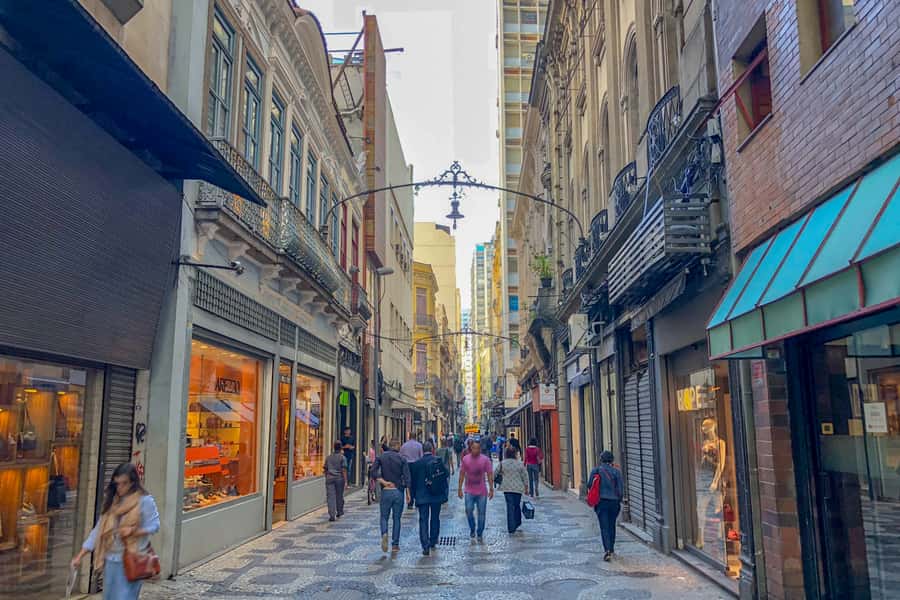
This section turns into a more intimate downtown experience as you reach Travessa do Comércio, a cobble-stoned street where the ground itself changes the feel of walking. Cobblestones slow you down in the best way; they force you to notice the street texture and the older street pattern rather than sprinting to the next photo.
The route also includes the former residence of Carmen Miranda. That’s a smart inclusion because it anchors the city’s history in culture and personality. If you only follow monuments, you miss how Rio’s creative identity grew. This stop gives you a quick connection between the grand center and the people who made Rio famous.
And since the tour is guided, you’re not just looking at a name. You’re getting the story behind the address and what it represents in Rio’s broader cultural memory.
You can also read our reviews of more historical tours in Rio De Janeiro



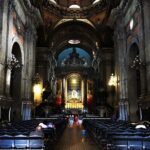

Churches and Cultural Centers: Largo da Candelária, Post Office, and Candelária Church
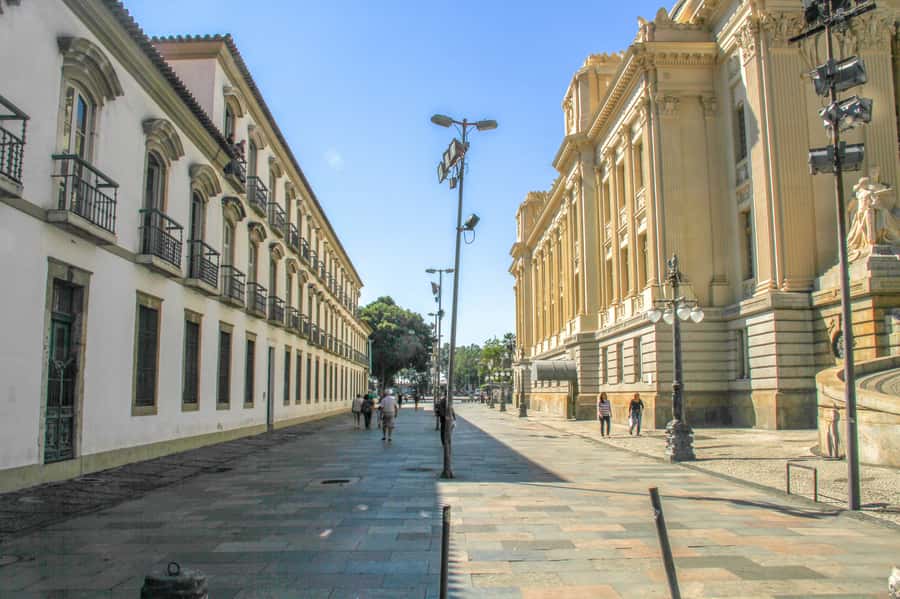
The walk keeps shifting between sacred buildings and public cultural spaces, which is exactly how downtown Rio feels. You pass and visit places such as:
- Church of Our Lady of the Merchants
- Post Office Cultural Center
- Bank of Brasil Cultural Center
- Candelária Church
- France-Brazil House when open
This is where the guide really earns their pay. Churches and cultural centers can look impressive but feel distant unless someone explains how and why they became part of the city. On this route, you get that connective tissue, plus local context that helps you understand Rio’s public life rather than treating each stop as separate trivia.
One practical consideration: some of these places are only visited when open, including France-Brazil House. So don’t plan your whole day around a specific photo inside a specific building. Instead, treat each open stop as a bonus and be ready to adapt if you’re there when something is closed.
Passing Through Daily History: What Your Guide Adds (Lucien, Monique, Ernani, Mathilda)
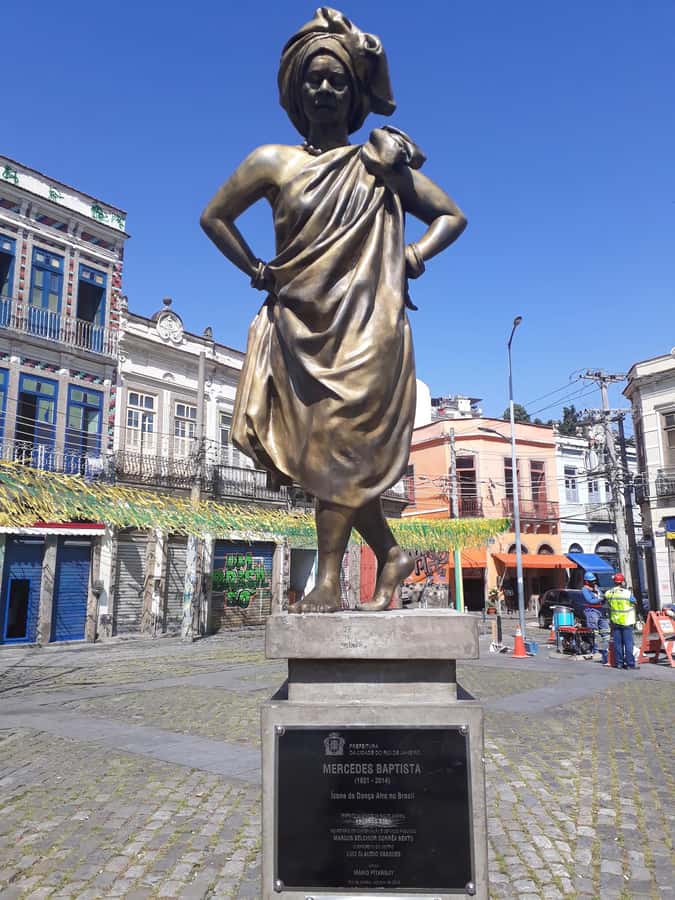
A standout theme in the tour’s reputation is the guide’s commentary. Past groups have praised guides such as Lucien, Monique, Ernani, and Mathilda for giving detailed cultural and historical explanations and for answering lots of questions.
That matters more than people think. Downtown Rio has a lot going on, and the risk of a walking tour is that you just hear dates you’ll forget. Here, the guide’s approach helps you make connections—between architecture, political life, and how different institutions shaped what you see on the street today.
I also like the flexibility factor reported in some experiences. When a guide can adjust based on what you want to focus on, you end up with a tour that fits your interests instead of a rigid script. It’s a small-group benefit that can make the difference between feeling walked-through and actually guided.
Price and Logistics: Is $79 Worth It for 4 Hours?
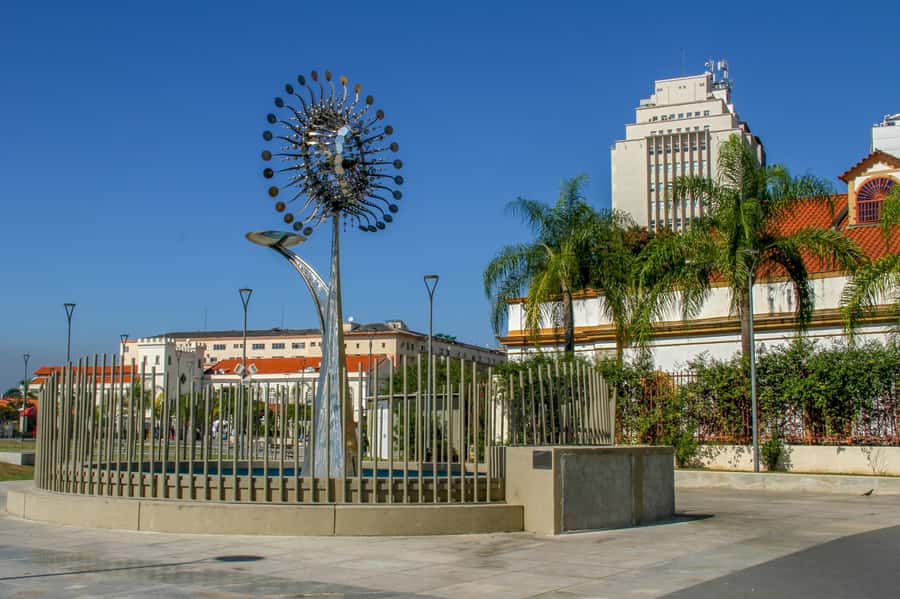
At $79 per person for a 4-hour guided tour, you’re paying for three core things: a professional guide, entrance fees, and subway transport as part of the plan. Drinks and meals are not included, so think of this as a walking and culture package, not a sit-down experience.
Here’s how I’d judge value:
- If you like understanding what you’re seeing, the guided layer makes the price easier to justify.
- If you prefer to wander without any structure, you might decide it’s better to DIY. But the big advantage of this tour is that it stitches together an efficient downtown route and gives you context for the major architectural stops.
- The small-group format helps with pacing and questions, which is often where tours justify their cost.
Also, the route is built around a focused time window. Four hours is long enough to feel like you did something meaningful, but short enough to keep your day from collapsing into exhaustion.
Timing and Pace: What 4 Hours Feels Like on the Ground
This is a walking tour, so pace matters. It’s not described as a light stroll, and it isn’t recommended for people with mobility limits. You’ll be on your feet in the downtown core, moving between major landmarks and stopping for explanations.
I suggest planning for a steady pace rather than a slow amble. Wear comfortable shoes and keep your water situation sensible. If you’re arriving from Copacabana, the subway portion helps you conserve energy for the walking part.
The tour ends back at Copacabana Palace, A Belmond Hotel, so you get a clean start-to-finish loop rather than ending in a random neighborhood and trying to get home.
Where You’ll Go (and Why Each Stop Adds Something)
To help you picture it, here’s the route in the spirit of a guided “story walk,” not a checklist:
- Cinelândia station area: sets up the French-influenced downtown character
- Along the way toward Carioca Square: you see major religious and civic buildings such as Santo Antônio and the Ordem Terceira church complex
- Confeitaria Colombo (1894): adds a cultural, everyday layer to all that architecture
- Tiradentes Palace and Praça XV: connects buildings to the political role of Rio as a former capital
- Imperial Palace, General Osório statue, Mestre Valentim’s Fountain: adds civic symbolism and public art
- Travessa do Comércio and Carmen Miranda’s former residence: shifts the vibe to street texture and cultural identity
- Church of Our Lady of the Merchants, Post Office Cultural Center, Bank of Brasil Cultural Center, Candelária Church: brings the tour into Rio’s public-and-sacred mix
- France-Brazil House when open: provides another architectural/cultural stop you can only count on if it’s operating
The guide’s job is to connect these into one coherent picture: how Rio’s identity formed in layers.
Who Should Book This Tour (and Who Should Skip It)
This tour fits best if you:
- Want a structured walk through downtown Rio without doing research beforehand
- Care about architecture and want the story behind the façades
- Like asking questions and getting answers during the tour
- Prefer small-group pacing over big-bus crowds
I’d skip it if you:
- Have trouble walking for extended periods
- Use a wheelchair or need accessibility accommodations, because it’s not suitable for people with mobility impairments or wheelchair users
- Want a low-effort “mostly stop-and-go” tour with minimal walking
If you’re comfortable walking and you enjoy historical explanations tied to real places, this is a strong use of your time.
Should You Book Rio: Historical Walking Tour?
I’d book it if you’re coming to downtown Rio with questions like: Why does this architecture look European? Why are there so many major churches here? What makes Praça XV matter?
The tour’s biggest strength is the combination of route efficiency and guide-led context. With a subway ride built in, entrance fees covered, and a professional guide focused on cultural and historical commentary, it’s a good way to get oriented fast and see more than the obvious highlights.
If you’re sensitive to walking distance or uneven ground, choose a different day plan. But if you can handle a few hours on foot, you’ll leave with a much clearer sense of what downtown Rio was designed to be—and how it still shows up in the streets today.
FAQ
How long is the Rio Historical Walking Tour?
The tour lasts 4 hours.
How much does the tour cost?
It costs $79 per person.
What’s included in the price?
The price includes entrance fees, a professional guide, a small-group tour, and transport by subway. Drinks and meals are not included.
What’s not included?
Drinks and meals are not included.
Where does the tour start and where does it end?
There are two starting options depending on what you book, and the tour finishes at Copacabana Palace, A Belmond Hotel. The meeting point may vary depending on the option you choose.
Do you visit multiple indoor places?
You visit several sites, including churches and cultural centers, and some stops (like France-Brazil House) are visited when open. Candelária Church and other listed places are also included when open.
Which languages is the guide available in?
The live tour guide is available in Spanish, English, and Portuguese.
Is the tour suitable for people with mobility issues?
No. It is not recommended for people with walking difficulties and is not suitable for wheelchair users or people with mobility impairments.
What is the cancellation policy?
You can cancel up to 24 hours in advance for a full refund.