REVIEW · RIO DE JANEIRO
Surf lessons: in Arpoador in Ipanema.
Book on GetYourGuide →Operated by Surf Matrix · Bookable on GetYourGuide
Surfing starts with less guessing.
I love the small-group setup (max 6) and the sand-first coaching that teaches you the moves and safety before you hit the water. One catch: you need to be a confident ocean swimmer when waves are up.
Praia do Arpoador sits right in Ipanema, and it’s known for holding steady surf—so your lesson has a real chance to feel worthwhile fast. You’ll meet at Praia do Arpoador at the yellow tent, then get walked through what to do on the shore before practice starts in the sea.
A big name that comes up in feedback is Rafael. People highlight his energy and clear teaching, and it’s easy to see why a good instructor matters when you’ve only got one hour to learn the basics. If weather and sea conditions don’t cooperate, the session may shift, so don’t plan your whole day like surfing is guaranteed.
In This Review
- Key highlights worth your attention
- Praia do Arpoador at Ipanema: the “why” behind this spot
- Finding the yellow tent: meeting point and what happens first
- Your one-hour flow: sand practice, then real waves
- Step 1: The sand portion (where good surf lessons save you)
- Step 2: The ocean portion (putting the sand lessons to work)
- Small-group coaching: what you gain with up to 6 people
- Instructor communication: Portuguese, Spanish, and English help a lot
- Equipment and what to bring (shorts are your main prep)
- Safety and your required comfort level in ocean waves
- Weather-dependent surf: why the schedule can shift
- Price and value: what $33 buys you in Rio
- Who this lesson suits best (and who should skip it)
- My take: should you book Surf Matrix at Arpoador?
- FAQ
- Where is the meeting point for the lesson?
- What’s included in the lesson?
- How long is the surf lesson?
- What should I bring?
- Do they teach beginners or only advanced surfers?
- Do I need to speak Portuguese to take the class?
- Is this safe for everyone?
- What happens if the weather or sea conditions are not good?
Key highlights worth your attention
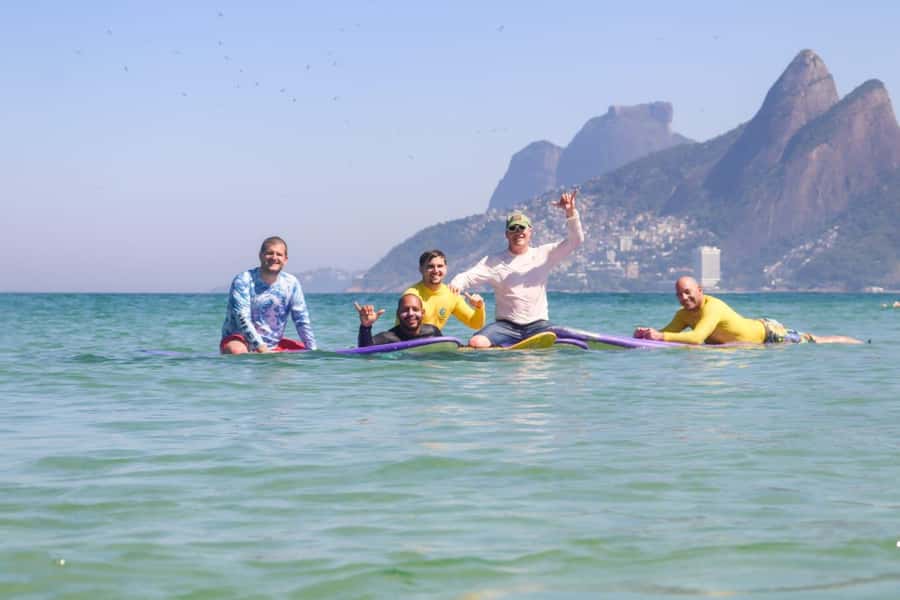
- Small group (up to 6): more time with the instructor and less waiting around.
- Sand-to-sea method: learn positioning, paddle, drop, and safety on land first.
- Arpoador waves in Ipanema: constant surf in a legendary Rio spot.
- Trilingual coaching (Portuguese, Spanish, English): easier to understand instructions fast.
- One hour, all equipment included: practical value for first-timers and improving surfers.
Praia do Arpoador at Ipanema: the “why” behind this spot
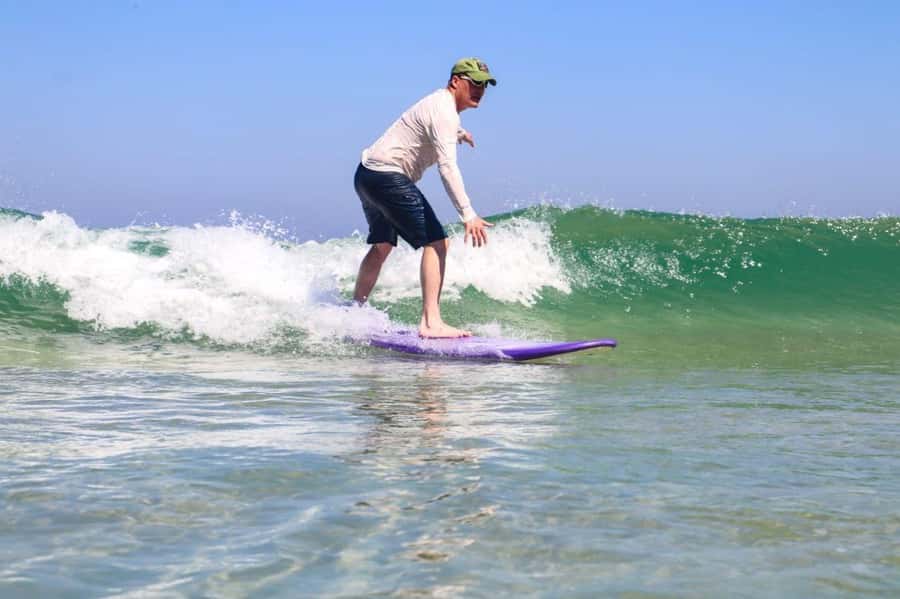
Arpoador is one of the reasons people fall for Rio’s ocean life. The beach is famous for relatively consistent waves, which is exactly what you want for a surf lesson. If you’re learning, you’re not chasing perfect conditions—you’re building the right habits in the water and learning how to read what the sea is doing right now.
This particular lesson is built around using the best conditions of the day for your level. That matters more than it sounds. Surf lessons work when they match your body to the water’s mood. Too rough and you’re scrambling. Too calm and you’re not learning timing and wave behavior. Arpoador’s steady character gives the instructors more options to work with.
And yes, there’s the bonus: Arpoador is also famous for sunsets. Even if you’re focused on your board, the setting helps. Rio surf isn’t just a workout—it’s an out-in-the-world experience, with ocean air and that big-sky energy that keeps you motivated.
You can also read our reviews of more tours and experiences in Rio De Janeiro



Finding the yellow tent: meeting point and what happens first
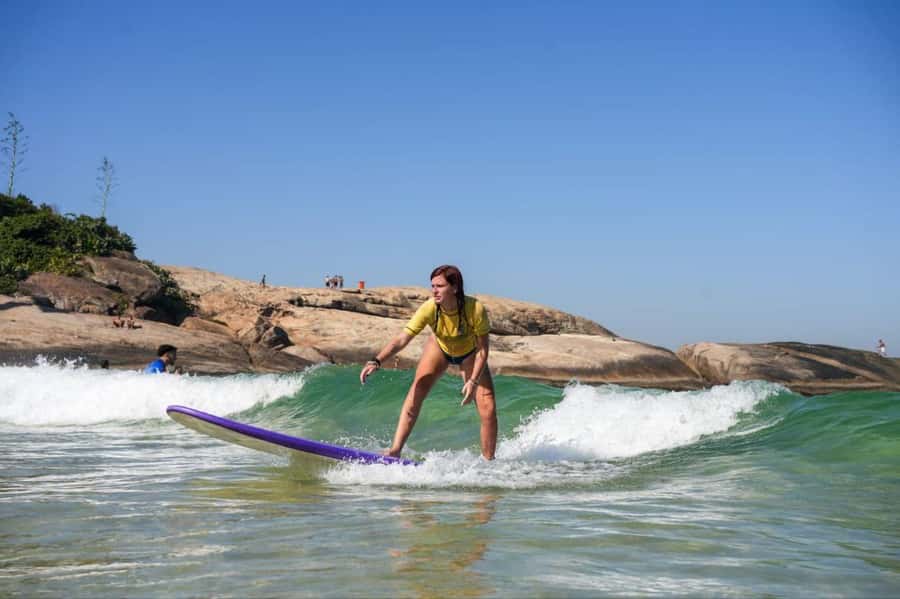
You’ll start at Praia do Arpoador in Ipanema. The instruction is simple: look for the yellow tent. They’ll try to contact you before class starts, but if that fails, just go straight to the yellow tent.
This meeting-point detail is more important than it sounds. When you’re arriving with wet gear questions (what to bring, where to stand, how to get your board), the last thing you want is confusion. A clear meeting point means you can get into the “learn mode” quickly.
Before you’re sent into the waves, expect a clear rundown of the basics and safety rules. The class is designed to move you from learning on sand to applying it in the ocean without dumping you into chaotic water first.
Your one-hour flow: sand practice, then real waves
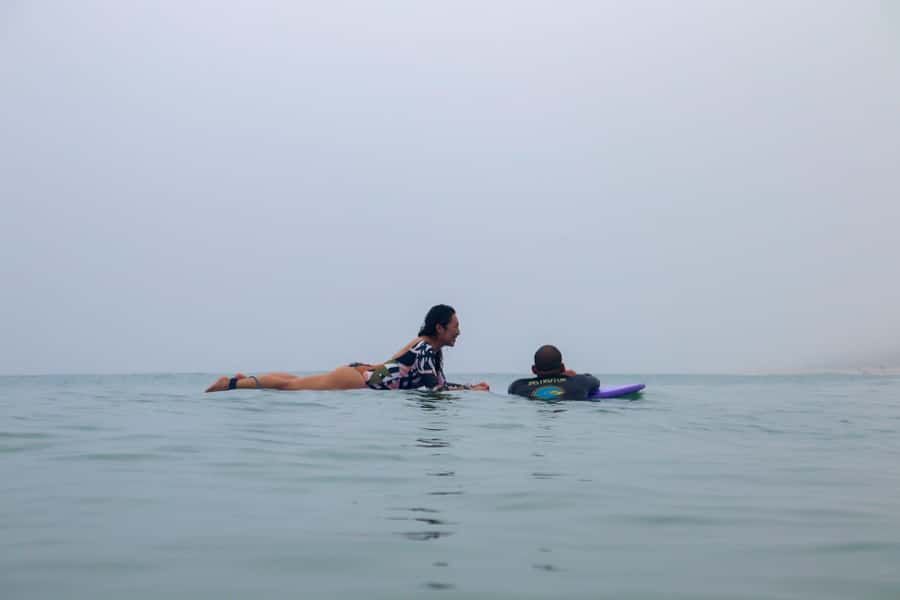
This lesson is one hour, split into two main parts: theory and technique on the sand, then practice in the water.
Step 1: The sand portion (where good surf lessons save you)
On shore, the instructor works through what you need to do before your board ever starts moving. You’ll go over:
- how to position yourself on the board
- how to paddle
- how and when to drop (the shift from waiting to trying to stand)
- how to enter and exit the sea safely
- core safety rules so you understand the ocean’s traffic and risks
Even if you’re brand new, this part is valuable. Surf can feel random until someone shows you the sequence. The sand drills help you build a mental checklist. When you’re in the water later, you’re not reinventing your basics under stress—you’re repeating what you practiced on land.
Step 2: The ocean portion (putting the sand lessons to work)
After the sand coaching, the class moves into the sea. This is where the goal becomes learning by doing. The instructors use the concepts from the sand drills and help you apply them during your session.
Arpoador’s constant waves give you a better chance to catch something that fits your level. You won’t just be standing around watching others. You’re there to practice the fundamentals—paddle, timing, and the basic transition to standing—within a controlled lesson format.






Small-group coaching: what you gain with up to 6 people
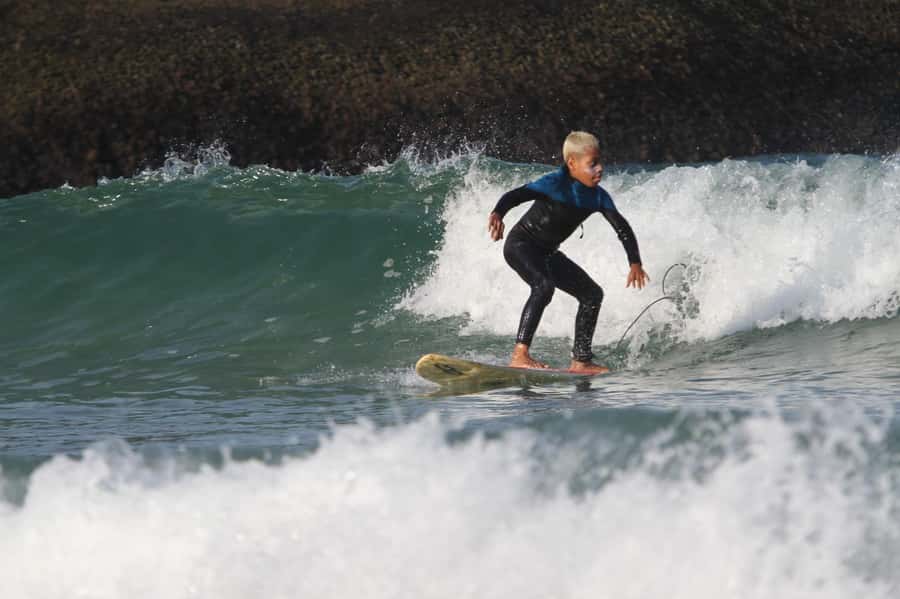
The lesson is limited to 6 participants. That number is a big deal. With a bigger group, you’d get one quick look from an instructor. With a small group, you’re more likely to get:
- corrections in real time
- safety guidance tailored to what you’re struggling with
- pacing that matches your energy and comfort level
Also, the lesson is customized by skill level. That doesn’t mean you’ll be treated like a robot. It means you should feel like the coaching is aimed at getting you closer to your next step, not just throwing everyone into the same challenge.
This is where feedback lines up with the lesson design. People specifically praise patience and energy from instructors like Rafael, and that’s exactly what you want for early learning. Surfing punishes guesswork. Good coaching replaces guessing with steps.
Instructor communication: Portuguese, Spanish, and English help a lot
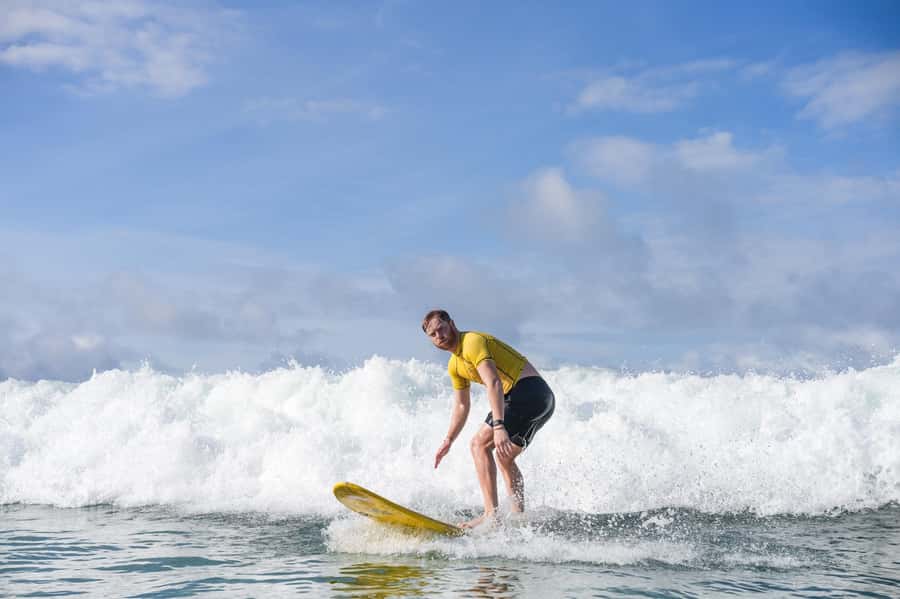
One of the practical advantages here is the trilingual instruction: English, Portuguese, and Spanish. If you don’t speak Portuguese fluently, it still feels manageable. Surf instruction includes lots of quick cues—where to look, what to do next, how to read a wave—so being able to understand the instructor clearly matters.
And the instructor quality shows up strongly in reviews. Rafael comes up repeatedly as someone with energy, strong English, and a supportive teaching style. That combination is perfect for a first lesson: you get clarity, and you don’t feel embarrassed when you’re still learning how to get up.
If you’re traveling solo, this also helps you connect. Language barriers are one more reason people hesitate in the water. Here, you’re more likely to get comfortable fast.
Equipment and what to bring (shorts are your main prep)
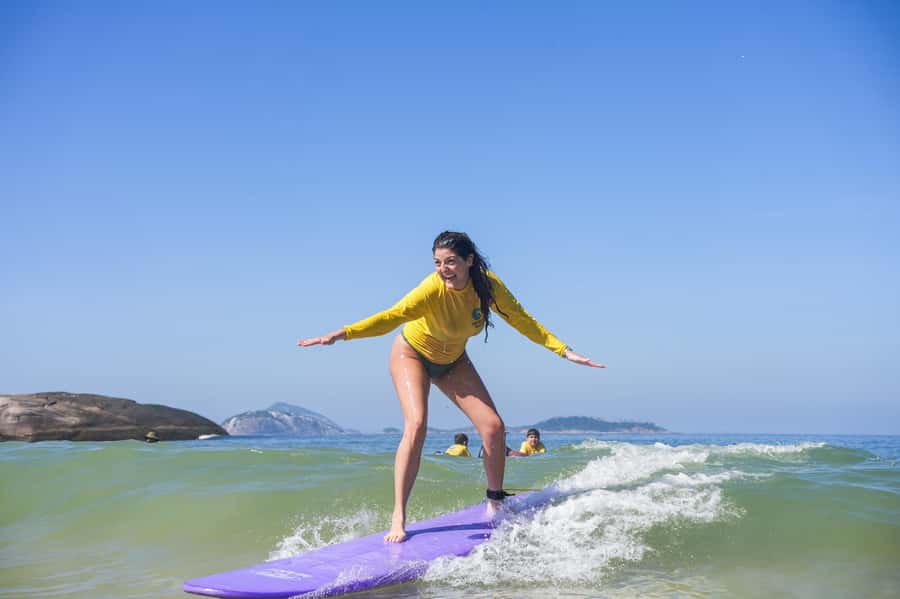
The lesson includes all equipment. That’s a money-saver and a hassle-saver. You don’t need to arrive hunting for a board, leash, or other gear.
What to bring is minimal: shorts.
That’s actually a good sign for value. Surf lessons often turn into a scavenger hunt of extra purchases and rentals. Here, the “get ready” list is short, so you spend more time actually surfing and less time preparing.
One more practical point: because the class is in the ocean, wear something you can move in and rinse off afterward. Shorts are mentioned for a reason.
Safety and your required comfort level in ocean waves
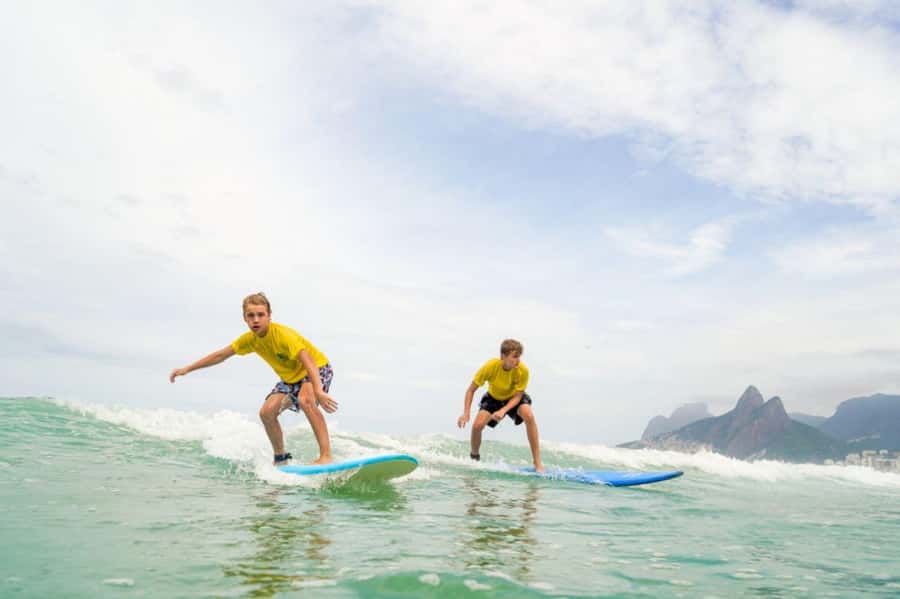
Surfing isn’t a land sport. Even a beginner lesson still involves water, currents, and waves. This activity requires that you’re confident swimming in the ocean with waves. It also needs a basic level of physical fitness.
So my advice is simple: don’t treat the requirement like a technicality. If waves make you tense, you’ll burn energy quickly and you may not enjoy the lesson. The class is designed to be safe and exciting, but safety depends on you being comfortable enough to follow guidance and move when needed.
This also helps you get more out of the instruction. When your body isn’t panicking, you can focus on paddle rhythm and timing—two things that make the difference between stuck-on-the-board and actually standing for a few seconds.
Weather-dependent surf: why the schedule can shift
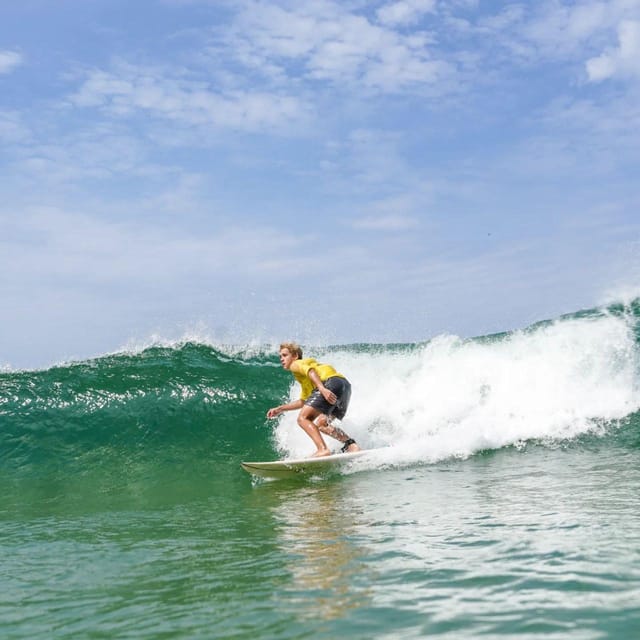
Surf lessons in Rio are dependent on weather and sea conditions. That’s not a marketing line—it’s reality. Even with great locations like Arpoador, the sea can change quickly: wind direction, swell height, and wave behavior can all affect whether it’s safe or fun for your level.
The good news: if the session needs adjustment, you’ll be offered a new date or receive a full refund. It’s a sensible policy for something that literally depends on the ocean.
My travel tip: don’t book a tight next activity immediately after your lesson. Leave some breathing room. If you’re going for the sunset vibe, remember the ocean doesn’t care about your calendar.
Price and value: what $33 buys you in Rio
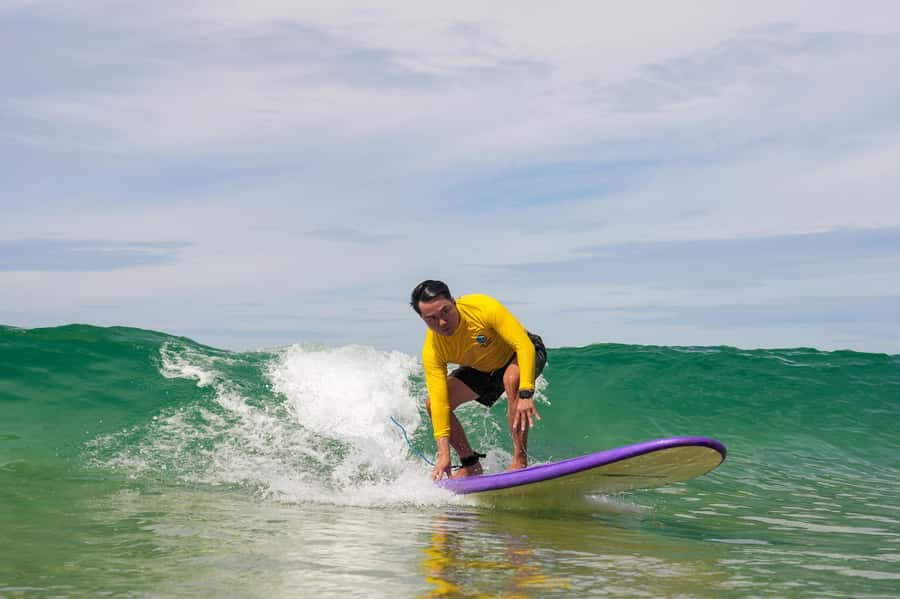
At about $33 per person, this is a very reasonable surf lesson for Rio. The value comes from a few key points, not just the number:
- equipment is included
- small-group coaching (up to 6)
- a full hour, not a token 20-minute introduction
- safety + technique instruction on sand
- trilingual instruction
For first-timers, the best value is usually in instruction quality and gear provided. If you had to rent equipment separately or pay for a larger group class, that $33 could stretch into something less appealing.
Is it a bargain because it’s cheap? Not really. It’s good value because it’s structured. The lesson is built to teach you the fundamentals you need to surf safely and with less frustration—especially important when you’re learning in a place like Arpoador where waves are real.
Who this lesson suits best (and who should skip it)
This is a solid fit if you:
- can swim confidently in ocean waves
- want a friendly intro to surf mechanics (paddle, positioning, drop)
- like learning through short coaching bursts plus practice
- prefer a small-group setting with active instructor support
It’s not suitable for:
- children under 5
- pregnant women
- people with pre-existing medical conditions
If you’re unsure whether you fall under those categories, trust the rules. Surf is fun, but it’s also an active ocean sport. Your body safety is the priority.
Also, if you’re expecting to ride nonstop all hour, recalibrate your expectations. The lesson is focused on basics and safety, and the time is short. The goal is progress and confidence, not a full-day surf career.
My take: should you book Surf Matrix at Arpoador?
If you’re in Ipanema and want an authentic Rio ocean experience without complicated planning, I’d book this. The small group, the sand-to-sea structure, and the trilingual instruction are the big reasons it works. You’re not just paying to get tossed into waves—you’re learning the sequence that helps you enjoy the water safely.
The main reason to think twice is comfort level. If waves make you uneasy and you’re not confident swimming with surf, you might not enjoy the lesson as much as you could.
If you’re ready to swim well and you want a focused, well-run first surf session in one of Rio’s best-known wave areas, this is a strong choice.
FAQ
Where is the meeting point for the lesson?
You meet at Praia do Arpoador in Ipanema, at the yellow tent. If they can’t reach you before class starts, just go directly there.
What’s included in the lesson?
The one-hour lesson includes all equipment and small-group instruction, with a trilingual instructor (Portuguese, Spanish, English).
How long is the surf lesson?
The lesson lasts one hour.
What should I bring?
Bring shorts. The rest is provided as part of the experience.
Do they teach beginners or only advanced surfers?
They customize classes based on your skill level, and the goal is to teach you the basics you need to surf safely.
Do I need to speak Portuguese to take the class?
No. The instructor speaks Portuguese, Spanish, and English.
Is this safe for everyone?
You must be confident swimming in the ocean with waves, and you should have a basic level of physical fitness. It’s not suitable for children under 5, pregnant women, or people with pre-existing medical conditions.
What happens if the weather or sea conditions are not good?
The activity depends on weather and sea conditions. If it’s canceled, you’ll be offered a new date or receive a full refund.