REVIEW · RIO DE JANEIRO
Favela Santa Marta: Walking Tour with local guide
Book on GetYourGuide →Operated by Tour by Foot · Bookable on GetYourGuide
Rio looks different from the top.
On the Favela Santa Marta walking tour in Dona Marta, you start with a ride up, then spend about 150 minutes moving through real neighborhood streets while a local guide explains daily life, local projects, and the history behind the colorful houses.
What I really like is the way the tour leans on people, not just photos. You’ll get official, local-guided storytelling and see community spaces like the arts and sports centers, plus street art that tells you far more than a quick viewpoint ever could.
The main thing to keep in mind is that this is not a light stroll. The route is physical, and if the Santa Marta cable car isn’t operating, you’ll have to walk up with your guide (or take a taxi, if you prefer), so wear comfortable shoes and plan for some stairs.
In This Review
- Key things that make this tour worth your time
- Getting to Dona Marta: funicular up, then a street-level reality check
- Walking streets with a local guide: history, projects, and what you stop expecting
- Dona Marta arts center and sports center: why the stop list matters
- Laje do Michael Jackson: the statue, the video connection, and mountain views
- Handicraft shops and the Residents’ Association: how the tour supports local life
- The community daycare stop: when it happens, and what to expect
- Price and value: is $34 a smart use of 150 minutes?
- Practical logistics you’ll actually care about
- Who this tour is best for
- Should you book Favela Santa Marta with a local guide?
- FAQ
- Where is the meeting point for the tour?
- How long is the Favela Santa Marta walking tour?
- What languages are available for the tour guide?
- What is included in the tour price?
- Is food included?
- What should I bring with me?
- What happens if the Santa Marta cable car is not operating?
- Can the tour run in bad weather?
- Is the tour suitable for people with mobility impairments?
- Is there a cancellation policy?
Key things that make this tour worth your time
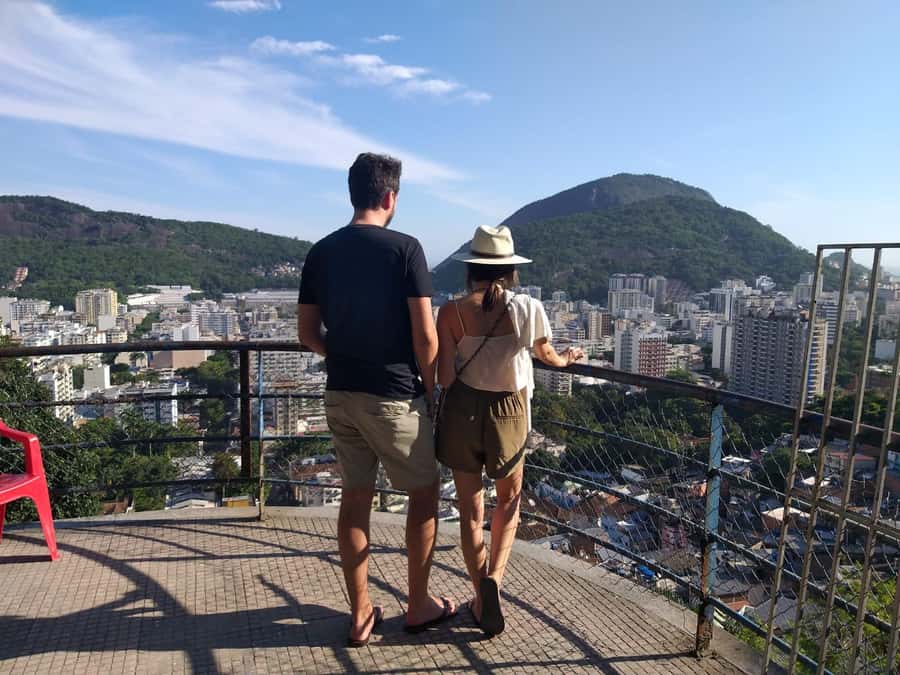
- Cable car first, then a proper walk up through Dona Marta, so you get both the view and the street-level story
- Local resident guide who points out what’s going on in the neighborhood beyond stereotypes
- Dona Marta arts and sports centers, plus educational projects that show how the community invests in kids and youth
- Laje do Michael Jackson viewpoint, tied to the They Don’t Care About Us video and backed by a mountain panorama
- Stops that support local life, including handicraft shops and the Residents’ Association
- Daycare visit when open, so you may catch community programming in action
Getting to Dona Marta: funicular up, then a street-level reality check
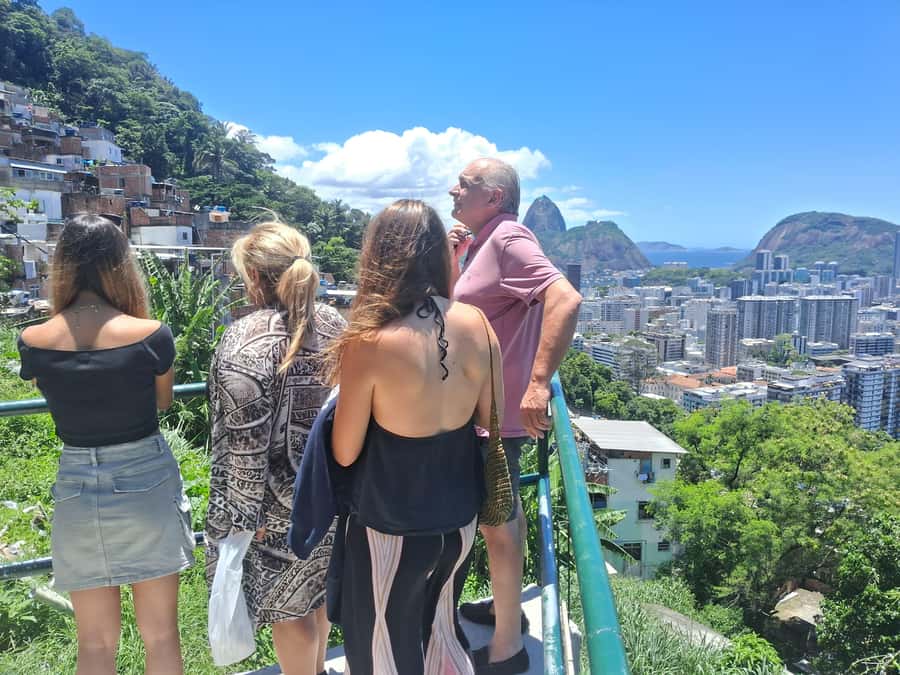
Most people come to Rio chasing big views. This tour gives you something else too: a first look at the favela from above, then the slow shift down into everyday street life.
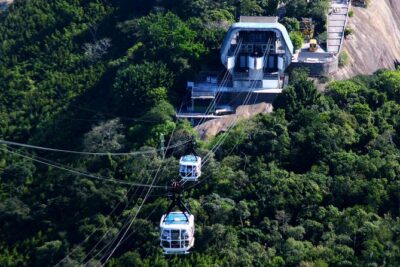
You start by taking the funicular up to the highest part of the favela. Even if you’re not usually into cable cars, this is a smart setup because it changes your perspective fast. From the top, you get context—how the buildings stack on the hillside—and you understand why the rest of the neighborhood has its own rhythm.
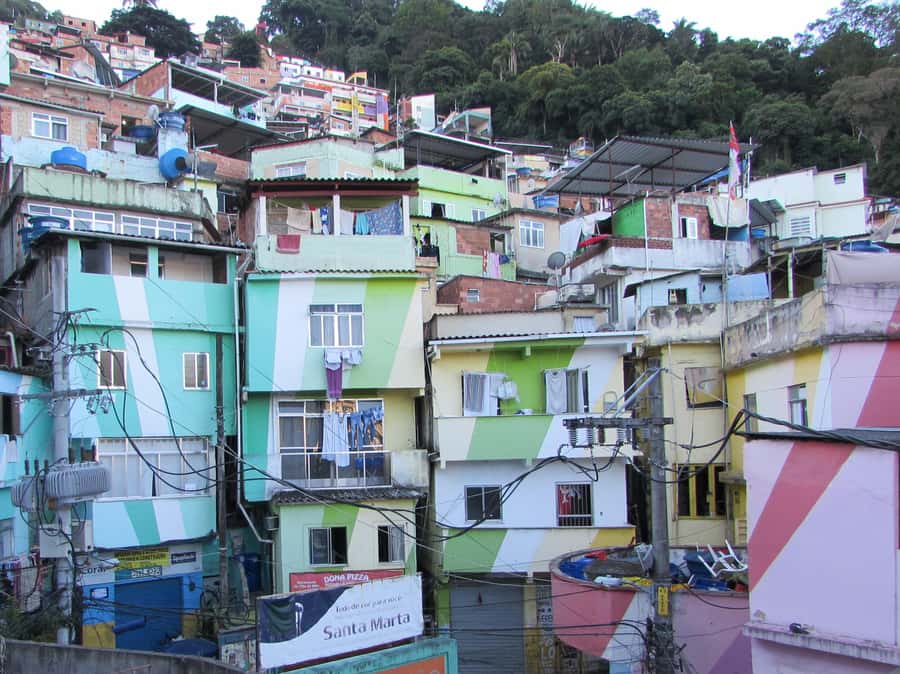
Then you transition into walking. This is where the tour becomes more than sightseeing. You’ll hear about the history of the neighborhood and see the homes up close, including the colorful houses that house roughly 8,000 residents. That number matters because it keeps the place from feeling like a theme park. It’s a real community with real neighbors.
If the Santa Marta cable car is not operating on your tour day, you’ll either walk up with your guide or use a taxi (about R$ 15). If you’re worried about the walk, plan to be honest with yourself about your stamina. This is not the kind of tour where you can fake it with sneakers and hope for the best.
You can also read our reviews of more walking tours in Rio De Janeiro



Walking streets with a local guide: history, projects, and what you stop expecting
The backbone of this experience is the official local guide who talks you through what you’re seeing as you go. The tone is practical: what life looks like here, how the neighborhood developed, and what people have built to support education and community life.
I love tours where the guide can correct your assumptions without sounding like a lecture. Here, the big goal is simple: any negative stereotypes tend to fade when you start seeing the work happening around you—especially the educational projects set up within the neighborhood.
You’ll also see street art murals and traditional-style houses along the way. The murals aren’t just decoration. They’re a visual language—sometimes political, sometimes cultural, often personal—and your guide helps you connect those walls to the people living behind them.
One review flagged a downside to consider: language and timing can vary depending on the guide assigned. In that case, the guide arrived late and French explanations were limited. That doesn’t mean it always happens, but it’s a reminder to arrive early at the meeting point and double-check that your booked language is confirmed. If you want the experience in French, English, Spanish, or Portuguese, don’t rely on wishful thinking—confirm it.
Dona Marta arts center and sports center: why the stop list matters
A lot of favela tours stop at viewpoints. This one builds in community spaces that help you understand how residents invest in daily opportunities.
You’ll visit the Dona Marta arts center and the favela’s sports center. Even if you don’t know much about Rio’s social projects ahead of time, these stops give you an immediate sense of priorities. Arts spaces and sports spaces tend to attract kids, teens, and adults who want structured activity, safe gathering points, and skills they can use beyond the favela.
You should also expect conversation, not just a quick pass-by. When the guide is strong, you’ll get explanations that link the murals, the centers, and the history into one coherent picture. One French-speaking guide named Marco was specifically praised for being friendly and speaking French very well, with enough background for people to truly understand origins and daily life.
There’s another practical detail to know: some activity schedules can affect what you see. One experience noted that a music school visit wasn’t included as expected, even though percussions could be heard, with the explanation that it was scheduled for later in the day. In other words, community programming isn’t always in perfect sync with your tour timing—so keep a flexible mindset.
Laje do Michael Jackson: the statue, the video connection, and mountain views
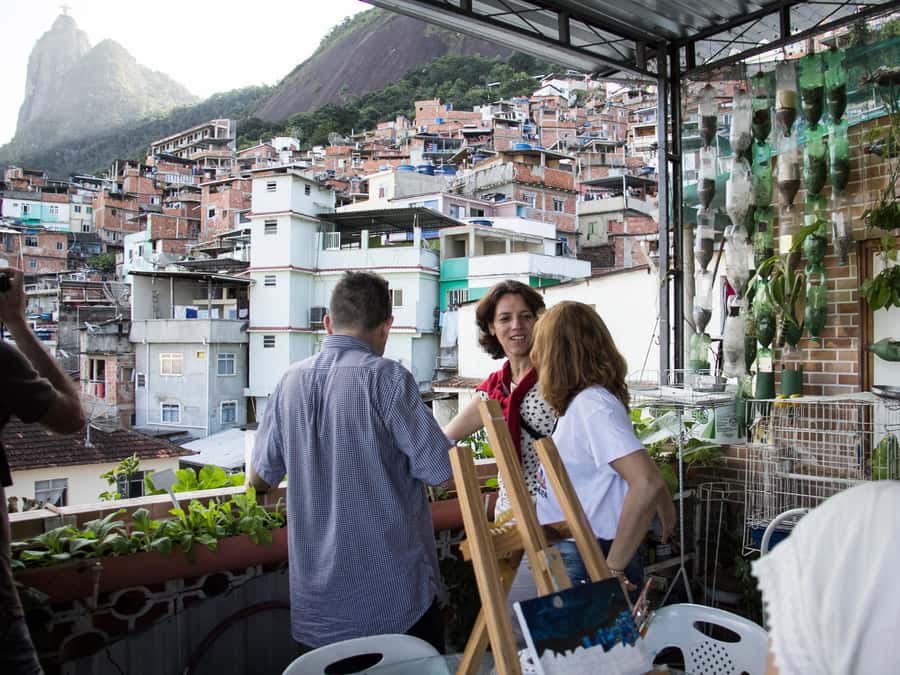
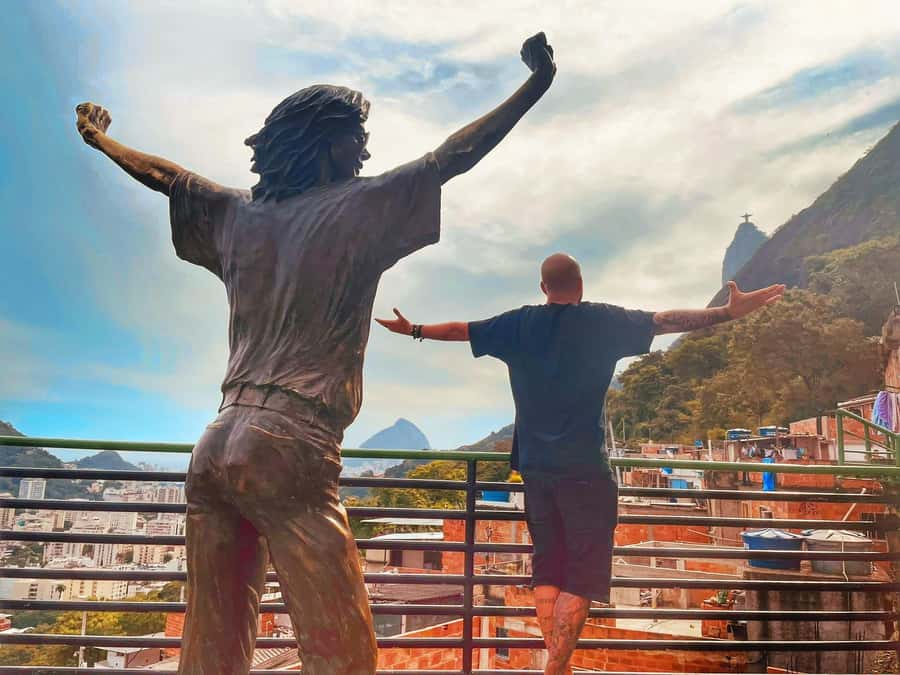
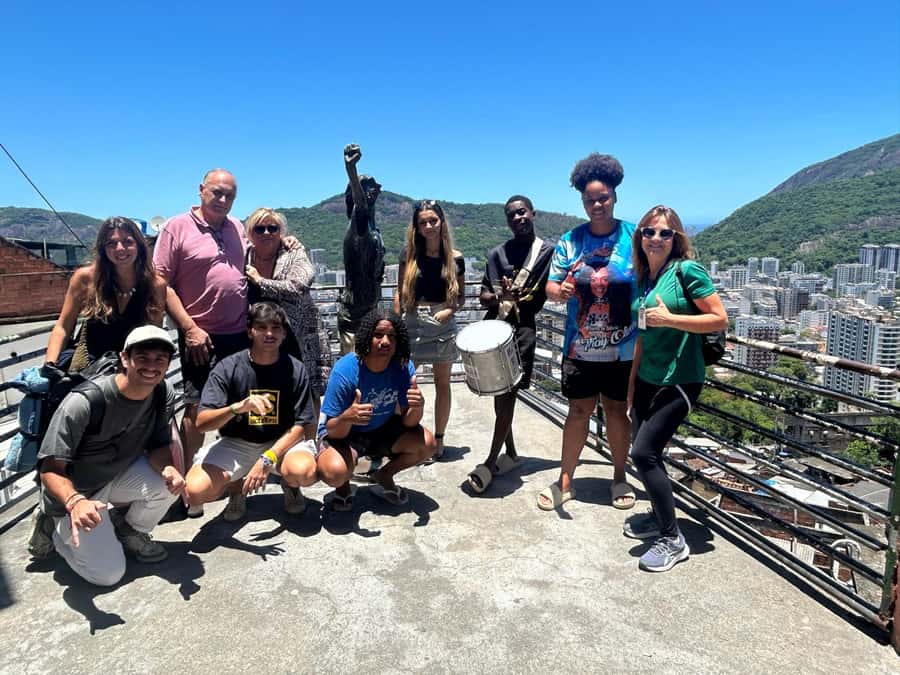
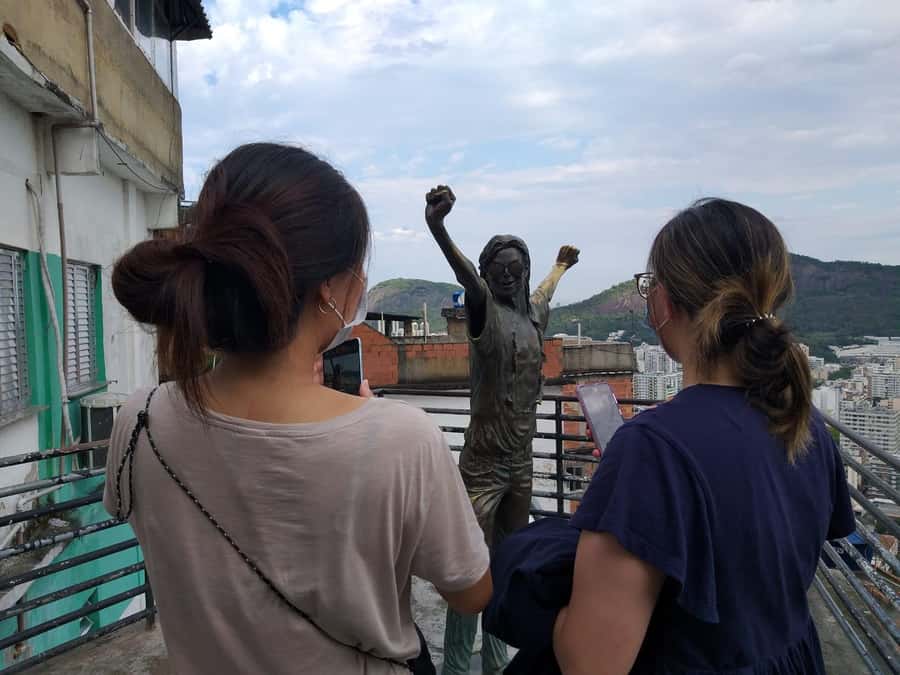
At some point, you’ll reach the Laje do Michael Jackson. This is one of those stops that works on two levels: a pop-culture hook that pulls you in, and a neighborhood viewpoint that makes the place feel larger than you expected.
The star here is the statue associated with Michael Jackson’s They Don’t Care About Us video. That detail alone creates curiosity, but your guide’s job is to connect the symbol to the neighborhood context—why that location became famous and what it means to the residents living there.
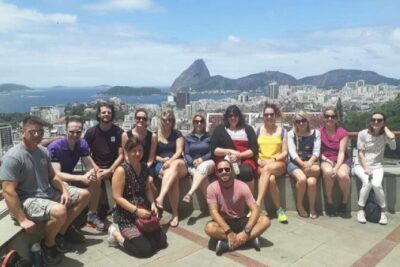
Then comes the part you can’t fake: the view. You’ll get a spectacular panorama across the region’s mountains, with enough elevation to see how the city spreads around the hills. It’s a reminder that these communities are not isolated. They’re part of Rio’s geography and daily life.
If you like your photos, you’ll do fine here. Just remember that you’re also standing in a neighborhood, not a set. Keep moving, respect people’s space, and listen while you shoot—your guide’s explanations add a lot after the cameras come out.
Handicraft shops and the Residents’ Association: how the tour supports local life
After the major sights, the tour turns toward practical everyday culture. You’ll visit handicraft shops and a stop at the Residents’ Association and social projects.
This part is valuable because it shifts the focus from murals and landmarks to systems: organizations that coordinate community activities and local initiatives. It helps you see the neighborhood as something run by people with roles, not just a backdrop shaped by outsiders.
There’s also a hands-on reason to pay attention. You’ll likely have a chance to buy souvenirs directly from local businesses. For that, the tour recommends bringing cash, since shops and small places can be hit-or-miss with card payments. If you want a thoughtful keepsake, this is where it makes sense to spend.
One more note: food is not included. You can buy your own food at a pub during the tour. If you’re someone who gets cranky when hungry, plan ahead and keep a little cash ready for a quick meal or drink.
You can also read our reviews of more guided tours in Rio De Janeiro



The community daycare stop: when it happens, and what to expect
The tour includes a visit to a community daycare (when open). This can be a meaningful stop because it shows how families and organizers create support for children in the neighborhood.
But it’s also subject to real-world schedules. Daycare opening times aren’t controlled by the tour operator. If it’s open, you’ll get a glimpse of everyday life and community support. If it isn’t, you’ll still cover the other included stops, but you might not see the daycare in action.
So if you’re booking with a specific expectation about seeing the daycare, go in with flexibility. Your best move is to bring a friendly attitude and accept that some doors open and some don’t.
Price and value: is $34 a smart use of 150 minutes?
$34 per person for about 150 minutes can feel like a lot until you think about what’s included. You’re paying for:
- an official local resident guide
- time walking in an area that takes effort to reach and navigate
- visits to community spaces like arts and sports centers
- stops at the Residents’ Association, social projects, and handicraft shops
- a possible daycare visit, depending on opening hours
If your goal is only photos and a quick story, you could do a cheaper option. But if you want the neighborhood context—why the educational projects exist, how residents organize, and what you’re seeing beyond the stereotype—this price can make sense.
One of the strongest signals from the feedback is that people left feeling they learned something real, especially when the guide was skilled with explanations. If you’re careful about language expectations and you’re ready to walk, the value tends to land well.
Practical logistics you’ll actually care about
Here’s what matters on the ground.
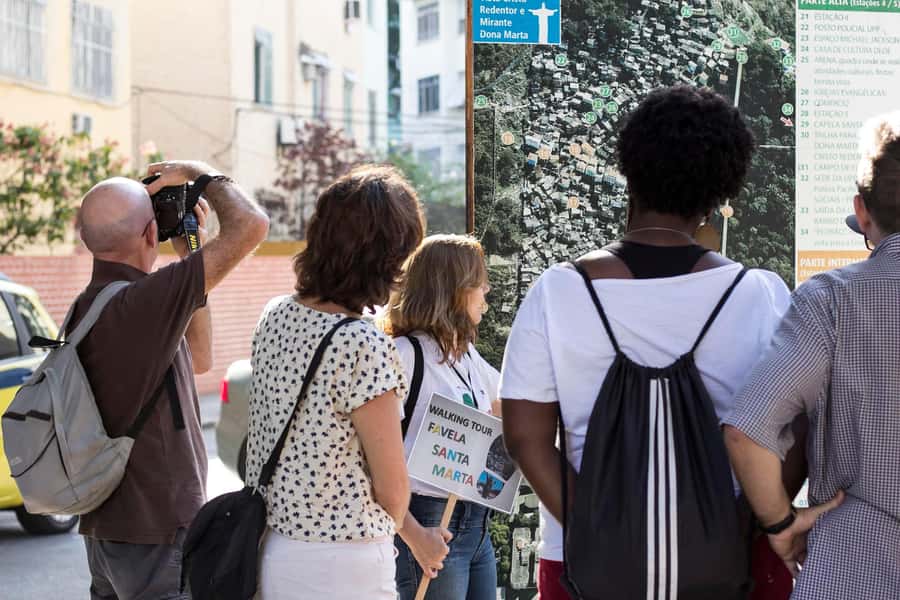
Bring what you need. The tour asks for a passport or ID card, plus comfortable shoes. Since you may want to buy souvenirs or drinks, carry some cash.
Dress for light rain. The tour can run in light rain, so bring something that keeps you comfortable without slowing you down.
Plan for mobility limits. This experience is not suitable for people with mobility impairments. The route is walking-heavy and includes climbs, especially if the funicular isn’t operating.
Meeting point varies. Your meeting point can change depending on which option you booked. Check your confirmation carefully so you’re not searching around in the wrong spot 20 minutes before start.
And if you’re trying to get the tour in a specific language, treat it like a real language booking. One experience mentioned the guide only spoke a few words in French and the experience felt like a basic walk with limited explanation. You can’t control who you’re assigned, but you can control how early you arrive and how clearly you expect the language to be supported.
Who this tour is best for
This is a strong fit if you want a more human Rio than the usual postcard loop.
You’ll enjoy it most if you:
- like walking tours with real local context
- want street art plus community projects, not just viewpoints
- care about learning what day-to-day life looks like
- can handle a physical route and comfortable shoes
You might not love it if you:
- need a low-mobility, minimal-walking route
- expect a perfectly fixed schedule for community activities
- need guaranteed long explanations in a specific language and can’t accept any variability
Should you book Favela Santa Marta with a local guide?
I’d book it if your priority is learning the neighborhood from the inside, with community spaces and a local guide doing the explaining. The guide quality seems to make a big difference, and when it clicks, you walk away with a stronger understanding of Rio that you can’t get from a quick photo stop.
Book it too if you’re interested in the Laje do Michael Jackson viewpoint but also want the story behind it, plus the street-level context around it. This tour balances the pop-culture curiosity with the reality of where the statue sits.
Skip it if you’re mobility-limited or if walking uphill and around uneven streets would be stressful. In that case, you’ll spend more time managing discomfort than enjoying the tour.
If you’re flexible, wear good shoes, bring some cash, and show up ready to listen, this one can turn out to be a genuinely memorable slice of Rio—one where the neighborhood tells its own story.
FAQ
Where is the meeting point for the tour?
The meeting point may vary depending on the option booked. You should check your booking details for the exact location.
How long is the Favela Santa Marta walking tour?
The duration is 150 minutes (about 2 and a half hours).
What languages are available for the tour guide?
The tour is available with live guides in English, French, Spanish, and Portuguese.
What is included in the tour price?
Included items are the favela walking tour, a local resident guide, a visit to community daycare when open, handicraft shops, and a visit to the Residents’ Association and social projects.
Is food included?
Food is not included. There is a pub where you can buy your own food during the experience.
What should I bring with me?
Bring a passport or ID card, comfortable shoes, and some cash (for souvenirs, food, or drinks at local stores).
What happens if the Santa Marta cable car is not operating?
If the cable car isn’t operating, you will have to walk to the top of the favela with your guide. Alternatively, you can take a taxi (about R$ 15).
Can the tour run in bad weather?
Yes. The tour can take place in light rain, so you should dress accordingly.
Is the tour suitable for people with mobility impairments?
No, it is not suitable for people with mobility impairments.
Is there a cancellation policy?
Yes. You can cancel up to 24 hours in advance for a full refund.