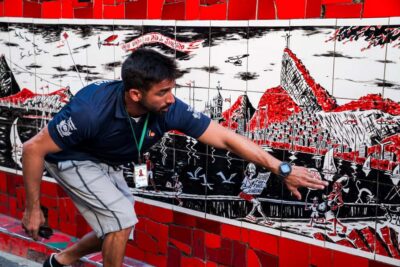
REVIEW · RIO DE JANEIRO
Rio de Janeiro: Downtown Walking Tour
Book on GetYourGuide →Operated by Rio Carioca Tours & Service · Bookable on GetYourGuide
Downtown Rio tells its story on foot. This 4-hour walk strings together 500 years of Rio history through the streets of Downtown Centro, where old walls and new towers sit side by side. It is a practical way to understand Brazil’s shift from monarchy to republic without getting stuck in a classroom mode.
I like two things a lot. First, the route hits landmark after landmark that you can actually spot: XV de Novembro Square, Paço Imperial, and do Carmo Convent, then it moves to Candelária Church and onward. Second, the guides tend to be strong at clear explanations in multiple languages, with names like Angelica (Italian), Lavinha (patient, thorough), Antonio (passionate storyteller), and Renato (Spanish, punctual) showing up in the mix.
One drawback to keep in mind: in high season, crowds and traffic can stretch the day and make the pace feel slower than you expect.
In This Review
- Key points before you go
- Walking Rio Centro’s monarchy-to-republic storyline
- Meeting point and real timing in the Centro crush
- XV de Novembro Square to Paço Imperial: where Brazil’s eras show up in stone
- Arcos dos Teles and the winding side streets you’ll remember
- Candelária Church: the moment the story turns from buildings to meaning
- CCBB (Brazil Bank Cultural Center): an easy break that adds context
- Cinelândia Square and the cluster of national institutions
- Colombo’s Bakery snack stop: worth it, not just a tourist detour
- Ending at the subway: how to use this tour as a launchpad
- Multilingual guides: what to expect from the human part of the tour
- Price and value: what $47 buys you (and what it doesn’t)
- Who this Downtown walking tour suits best
- The quick decision: should you book?
- FAQ
- How long is the Rio de Janeiro Downtown Walking Tour?
- Where do I meet the tour guide?
- What languages are offered for the guide?
- Is hotel pickup included?
- Is there a subway ticket cost?
- What is included in the price?
- What should I bring with me?
- Does the tour run if it rains?
- Is there anything I’m not allowed to bring?
- Can I cancel for a refund?
Key points before you go
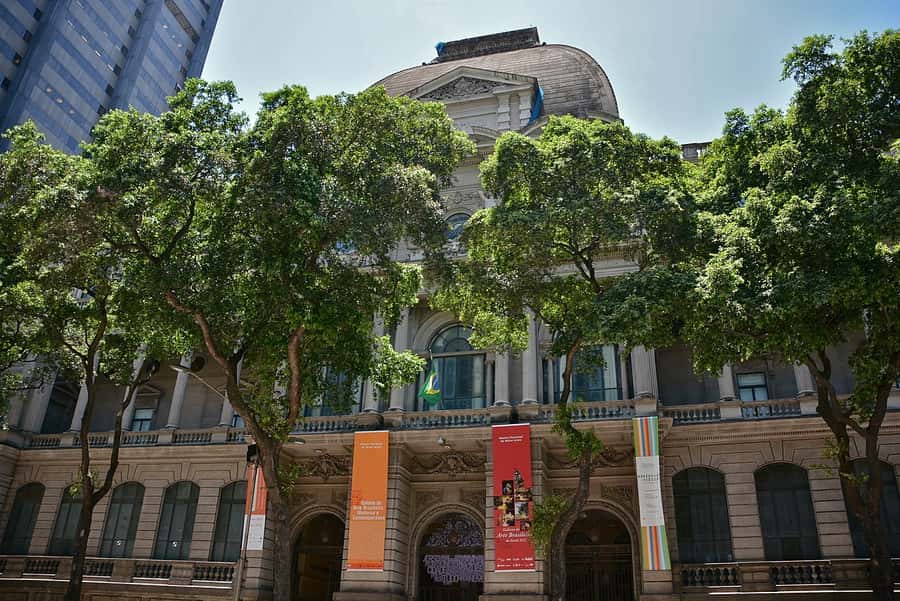
- Monarchy-to-republic route: You move through major turning points in Rio’s story, not random sightseeing.
- Architecture contrasts up close: Old churches, historic buildings, and modern cultural space sit on the same walking line.
- CCBB is a highlight stop: The Brazil Bank Cultural Center (CCBB) is a smart break in the middle of the walking stretch.
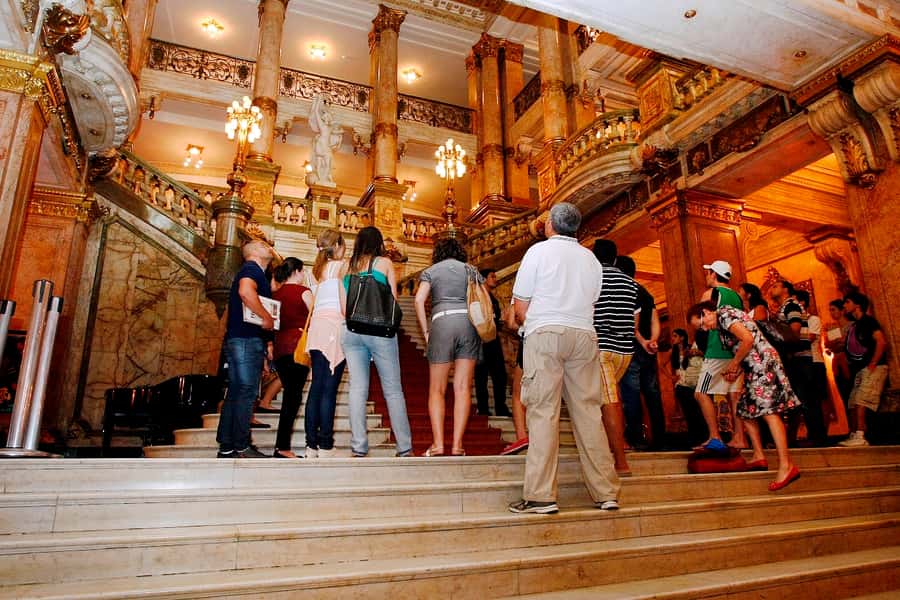
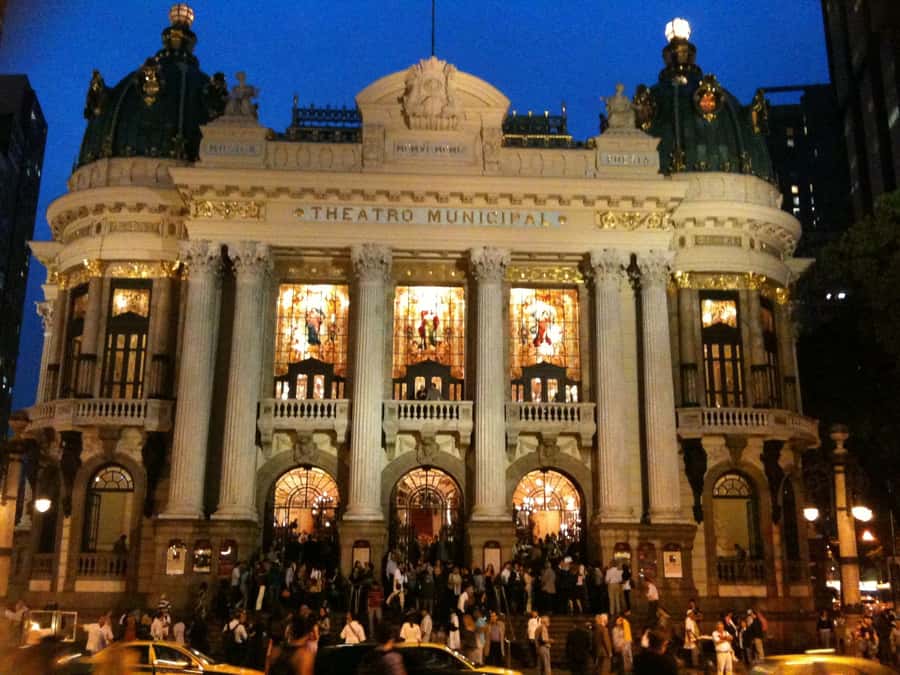
- Cinelândia cluster of big institutions: Municipal Theater, National Library, National Museum of Fine Arts, and City Council are packed into one area.
- Plan for a proper walk: Comfortable shoes matter, and there is no luggage allowed.
Walking Rio Centro’s monarchy-to-republic storyline

This tour is built like a guided timeline you can walk. You start in Downtown Rio and move through the historic center, where centuries-old roads and buildings mark different chapters in Brazil’s development. Expect stops that connect politics, religion, and culture, with architecture doing a lot of the teaching.
Instead of only pointing at famous names, the best part is how the route keeps shifting your perspective. You’ll see grand historic facades, then you’ll get pulled along to smaller streets and arches that make the city feel lived-in. If you enjoy turning corners and realizing the next building has a story tied to a bigger historical moment, this fits your style.
And yes, you will walk. It is not a ride-and-look tour. That’s the point, because Rio’s Centro reads best at street level—standing in front of a landmark and then walking to the next one where the city’s vibe changes again.
You can also read our reviews of more walking tours in Rio De Janeiro



Meeting point and real timing in the Centro crush
The meeting point is the Atlantico Business Hotel at Rua Senador Dantas, 25 – Centro. Arrive about 15 minutes early so you are ready when the guide calls your name at the meeting spot.
Hotel pickup and drop-off are not included. That sounds obvious, but it matters: you are responsible for getting yourself to Centro before the tour begins. If you’re staying farther out, give yourself extra buffer time. In high season, the schedule can run longer due to traffic and the number of people in Rio.
Also note the tour runs rain or shine. So pack with that in mind, even if the forecast looks friendly. Comfortable shoes are the smart move, because you’ll be on foot for the full 4 hours.
XV de Novembro Square to Paço Imperial: where Brazil’s eras show up in stone
One of the strongest parts of this walk is the way it frames early Rio history as something you can physically see. You start with a focus on major historic zones around the center, and then you head to XV de Novembro Square. From there, you’re in a part of town that helps explain the long arc of Brazilian history—moving from monarchy-era references to the republic that followed.
After XV de Novembro Square, you’ll look at several major structures tied to different periods, including the ALERJ building and Paço Imperial. Paço Imperial is a name you’ll hear often when people talk about old political power and government life in Rio, and the way it sits in the center makes it feel less like a museum and more like a landmark that still anchors the neighborhood.
You also visit do Carmo Convent. Convents can feel like one-note sightseeing if a guide glosses over them. But when you stop and listen, it becomes easier to understand why religious institutions were so central to city life: they shaped communities, not just skylines.
From a practical standpoint, this section is where good footwear pays off most. You’ll be close enough to the buildings to notice details, but still moving steadily enough that you can’t lounge. If you like your history with movement and visuals, this is the sweet spot early in the tour.
Arcos dos Teles and the winding side streets you’ll remember
After the big anchor buildings, the tour adds texture with dos Teles Arch and the winding alleyways around it. This is the part where Centro starts to feel less like an itinerary and more like a neighborhood you could get lost in on purpose.
Arches like dos Teles can look simple until you’re told what they helped enable—street flow, pedestrian movement, and how the center developed over time. The alleyways nearby add a different kind of energy: narrower paths, more street-level detail, and a sense of everyday life alongside official monuments.
If you’re the type who likes to photograph streets and transitions (not just grand buildings), you’ll probably enjoy this stretch a lot. It also helps you shake off any early-tour fatigue before you head into larger cultural stops.
Candelária Church: the moment the story turns from buildings to meaning
Candelária Church is a key teaching stop. This tour doesn’t treat it as just another historic facade. You learn why it matters to the city—its role in Rio’s identity and how it fits into the broader pattern of how religion and civic life have interacted over time.
For many people, churches are a routine stop. Here, the value is in the explanation of importance. When your guide connects the structure to the city’s story, the building stops being a photo and starts being a reference point you can carry into the rest of the day.
You’ll also get the rhythm of the tour right here: you move from one cluster of landmarks to another, and each cluster has its own focus. That keeps things from feeling repetitive and helps you process what you’re seeing.




CCBB (Brazil Bank Cultural Center): an easy break that adds context
Then comes one of the most practical stops: the Brazil Bank Cultural Center, known locally as CCBB. It’s a smart waypoint in the tour because you get a chance to reset while still staying in the historic center conversation.
What makes CCBB especially useful on this route is the contrast theme the walk keeps returning to. You see older structures earlier, and then you reach a cultural center that helps show how Rio layers functions and eras in the same area. Even if you’re not stopping for a specific exhibit (the tour’s details don’t promise one), the architecture and setting alone help you understand how modern cultural life fits into a historic district.
If you need a short snack pause later, this mid-route segment is often where you’re best positioned to spot nearby options. You won’t be handed a long meal break, but having a cultural stop around the halfway mark makes the schedule feel more reasonable.
Cinelândia Square and the cluster of national institutions
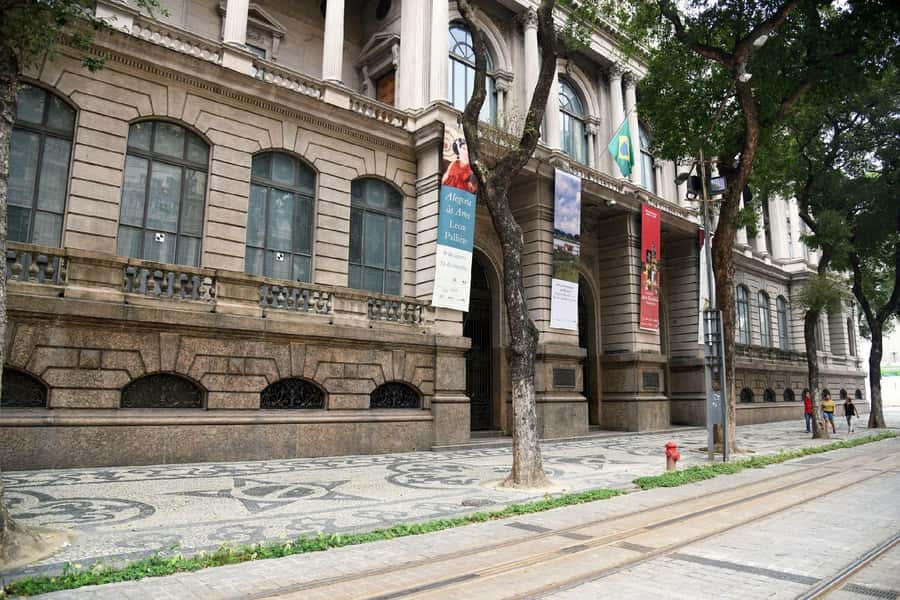
After CCBB, you head to Cinelândia Square, where the contrast between old and modern becomes easier to spot. This is a big grid of famous Rio institutions, and the tour uses Cinelândia to show how the city organizes political and cultural power.
You’ll spend time around:
- Municipal Theater of Rio de Janeiro (a major cultural landmark)
- National Library of Brazil
- National Museum of Fine Arts
- City Council of Rio de Janeiro
This cluster is great because you can compare structures side by side. It’s also a good place to pay attention to how the guide frames what each building represents. Theater, library, museum, and council all point to different forms of public life, and the tour’s flow makes it easier to see that these aren’t isolated attractions—they connect.
A practical note: this is also where crowds can build. If you’re traveling in peak periods, expect slowdowns around the most photographed spots. If you like people-watching, it’s part of the atmosphere. If you dislike crowds, bring patience and keep your pace steady.
Colombo’s Bakery snack stop: worth it, not just a tourist detour
Toward the end, the tour points out Colombo’s Bakery, one of the city’s main landmarks. You’ll have a snack there, which is genuinely useful on a walking tour this long.
This isn’t just a random food stop. It’s a way to ground what you’ve learned in something sensory. A bakery break helps you stay energized for the final stretch, and it lets you recharge before you head to the finish point.
If you plan to keep exploring after the tour, this stop also helps you refuel without having to go hunting. Just remember that food and drinks are not included, so budget for your snack choice.
Ending at the subway: how to use this tour as a launchpad
The tour finishes at a subway station in Downtown Rio. From there, you can return to your hotel or keep exploring on your own.
I like this design because it avoids the common problem of being dropped somewhere that is inconvenient. Ending near public transport gives you flexibility. You also get a natural stop point after a structured route—good for your feet, and good for your brain.
If you want to build your own mini-itinerary afterward, the Centro area is dense with sights. You’ll be better oriented to choose your next moves because you’ll have just walked through the city’s key historic zones.
Multilingual guides: what to expect from the human part of the tour
This is a multilingual guided experience. You can tour in Portuguese, Spanish, English, Italian, or French. That matters because the quality of the storytelling is the main difference between a walk that feels like facts and a walk that feels like understanding.
The guides behind the tour have a real variety of styles and language strengths. Examples include Angelica, who can work in excellent Italian and comes across as friendly and eager to share culture. Lavinha is noted for patience and for explaining thoroughly at each stop. Antonio is praised for connecting historical themes and keeping the atmosphere welcoming. Renato is described as properly punctual and able to deliver in Spanish with historical and cultural input.
One caution, based on what some people request: if you want extremely detailed dates and tightly specific facts for every single facade, you might want to supplement with your own reading later. Most of the experience seems to focus on making the big picture clear and memorable.
Price and value: what $47 buys you (and what it doesn’t)
The price is $47 per person for a 4-hour guided walk. For a route that covers a large chunk of Downtown Rio—plus a snack stop and multiple major landmarks—that can be solid value if you enjoy walking and you want structure.
Here’s what you should factor in:
- Included: the multilingual guide
- Not included: subway ticket if necessary (BRL 15 roundtrip per person), plus food and drinks
You’ll also need to think about what you’re giving up: you’re not paying for hotel pickup, and you are walking with limited baggage rules. No luggage or large bags are allowed.
This price is most worth it if you don’t want to spend your limited energy figuring out what each building means. The tour’s strength is interpretation: you see the sights, then you understand why those sights belong to the city’s bigger story.
Who this Downtown walking tour suits best
This one fits best if you:
- Like city walking tours with historical context
- Want a guided route through Centro without navigating alone
- Enjoy architecture and how buildings reflect politics, religion, and culture
- Prefer a mid-day break with CCBB and a snack at Colombo’s Bakery
It may not fit if you:
- Need wheelchair access or have mobility limits, because it is not suitable for people with mobility impairments or wheelchair users
- Want a mostly seated experience, because this is a continuous walking format
- Don’t like crowds at peak times, since high season can slow things down
The quick decision: should you book?
Book it if you’re spending limited time in Rio and want a guided way to understand the heart of Centro—from major squares and churches to Cinelândia’s national institutions. The tour gives you a coherent route, a multilingual guide, and built-in pacing with CCBB and a snack stop at Colombo’s Bakery.
Skip or rethink it if you want full independence with no public-transport or walking considerations, or if mobility is an issue. Also consider supplementing on your own if you’re the kind of traveler who demands exact dates and event-by-event specifics for every monument.
If your goal is to leave Downtown Rio with a clearer mental map and a better grasp of how Brazil’s eras shaped the city you’re standing in, this tour is a strong match.
FAQ
How long is the Rio de Janeiro Downtown Walking Tour?
The tour lasts 4 hours.
Where do I meet the tour guide?
You meet at Atlantico Business Hotel, Rua Senador Dantas, 25 – Centro. Arrive 15 minutes early, and the guide will call you by your name at the meeting point.
What languages are offered for the guide?
Portuguese, Spanish, English, Italian, and French.
Is hotel pickup included?
No. Hotel pickup and drop-off are not included.
Is there a subway ticket cost?
A subway ticket may be necessary. If so, it costs BRL 15 roundtrip per person and is not included.
What is included in the price?
A multilingual guide is included.
What should I bring with me?
Bring comfortable shoes and a passport or ID card. A copy of your ID is accepted.
Does the tour run if it rains?
Yes. The tour runs rain or shine.
Is there anything I’m not allowed to bring?
Luggage or large bags are not allowed.
Can I cancel for a refund?
Yes. Free cancellation is available up to 24 hours in advance for a full refund, and you can reserve now and pay later.