
REVIEW · RIO DE JANEIRO
Rio Culture and History through the Art of Traditional Foods
Book on GetYourGuide →Operated by Gregtur Tourism · Bookable on GetYourGuide
Rio food in motion beats a restaurant-only day. This guided walk from Lapa to Santa Teresa pairs real tastings like pão de queijo with a tram ride over the Lapa Arches aqueduct. You get the city views as part of the meal plan, not as a side note.
I also like the way the tour frames food as culture, with a local expert connecting what you eat to Rio’s everyday rhythms and family traditions. The only real downside is the price: at $198 per person for six hours, it’s worth it only if you want lots of tastings (not just a quick snack).
In This Review
- Key moments that make this Rio food tour different
- The big idea: food history you can actually taste
- The itinerary feel: guided walking plus one great tram segment
- Colombo confectionery: where sweets and snacks both steal the show
- Santa Teresa and Lapa: trendy streets with a food lens
- The food lineup: classic bites and ingredients with a purpose
- Ruinas Park and city views: when the tram ride does more than transport you
- Drinks and cachaça culture without the “tour-bus bar” vibe
- Guides matter: what makes Romayne and Camila memorable
- Price and value: $198 for six hours of tastings and transport
- Practicalities that actually affect your comfort
- Who should book this tour (and who should skip it)
- Should you book Rio Culture and History through the Art of Traditional Foods?
- FAQ
- What time does the tour start?
- How long is the tour?
- How much is the tour?
- What is included in the price?
- What is not included?
- How much walking is involved?
- What languages are offered?
- What should I bring, and what can’t I bring?
- Is the tour refundable if my plans change?
Key moments that make this Rio food tour different
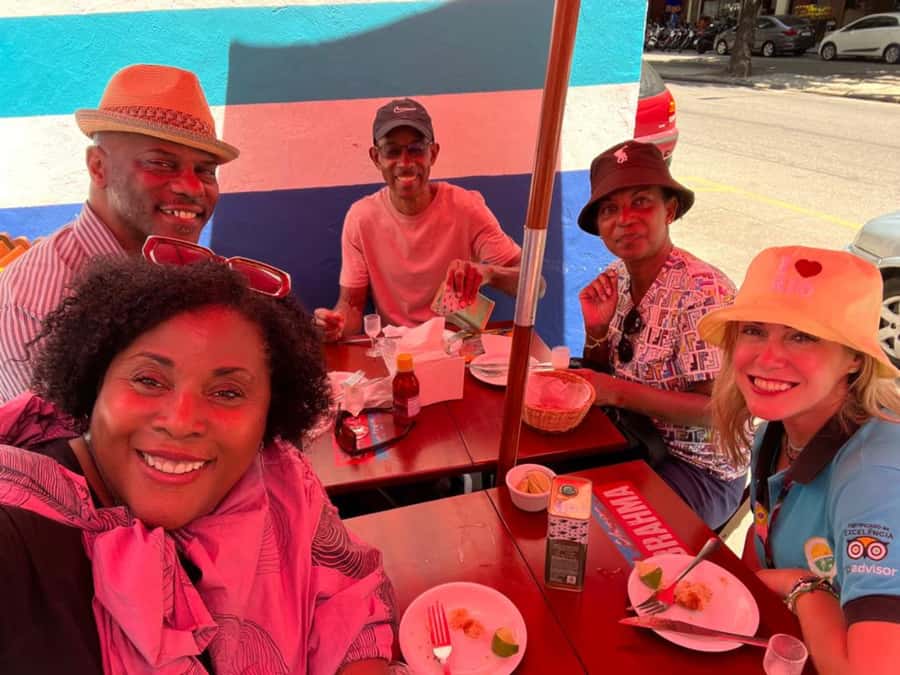
- Colombo confectionery stop: get lost among both sweet and salty favorites at a renowned Rio sweets shop
- Lapa Arches tram ride + Ruinas Park views: ride the aqueduct route and earn panoramic sight time on the way up
- Traditional ingredients you can name: açai, tapioca, and manioc flour show up as more than menu items
- A cachaça and beer route: local spirits and drinks are built into the tasting flow
- Santa Teresa and Lapa neighborhood context: you’re not just eating; you’re seeing the parts of Rio that shaped the tastes
- Guides with real city connections: guides like Romayne and Camila are known for making visits feel personal and well-timed
The big idea: food history you can actually taste
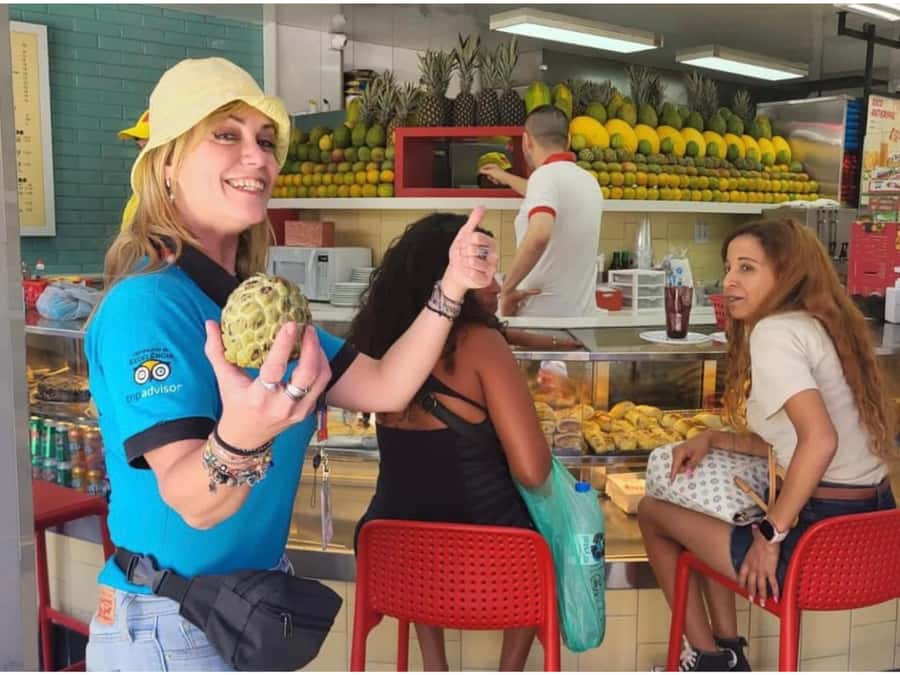
This isn’t a generic sample-and-skip tour. The whole format is built around eating through Rio’s food story: what people grew, what households made, how neighborhood culture shaped flavors, and where you can still find those traditions today. You’ll walk through Santa Teresa and Lapa, then use a tram to connect you to the upslope views that make the neighborhoods feel like their own little world.
At the center are tastings of classic Brazilian foods and ingredients. You’ll see the same building blocks again and again—things like manioc flour, tapioca, and açai—so the day starts to make sense even if you’ve never studied Brazilian cuisine before. And you’ll also get the fun stuff: salty snacks, sweets, and drinks that locals take seriously.
You can also read our reviews of more historical tours in Rio De Janeiro



The itinerary feel: guided walking plus one great tram segment

The tour runs for about 6 hours, starting at 10:45 a.m. after check-in at 10:30 a.m. You’ll want to arrive at the meeting point about 10 minutes early so the group rolls out on time. You’re walking about 1 mile, which keeps the pace realistic for most fitness levels, and it’s split into food stops rather than one long haul.
The tram ride is a highlight because it gives you a sense of place. You’ll go over the Lapa Arches aqueduct, and the route passes by Ruinas Park, where you get panoramic views of the city. That matters because it breaks up the day and gives you a visual reset between tastings—useful when you’re sampling enough food that your taste buds start voting for dessert.
Colombo confectionery: where sweets and snacks both steal the show
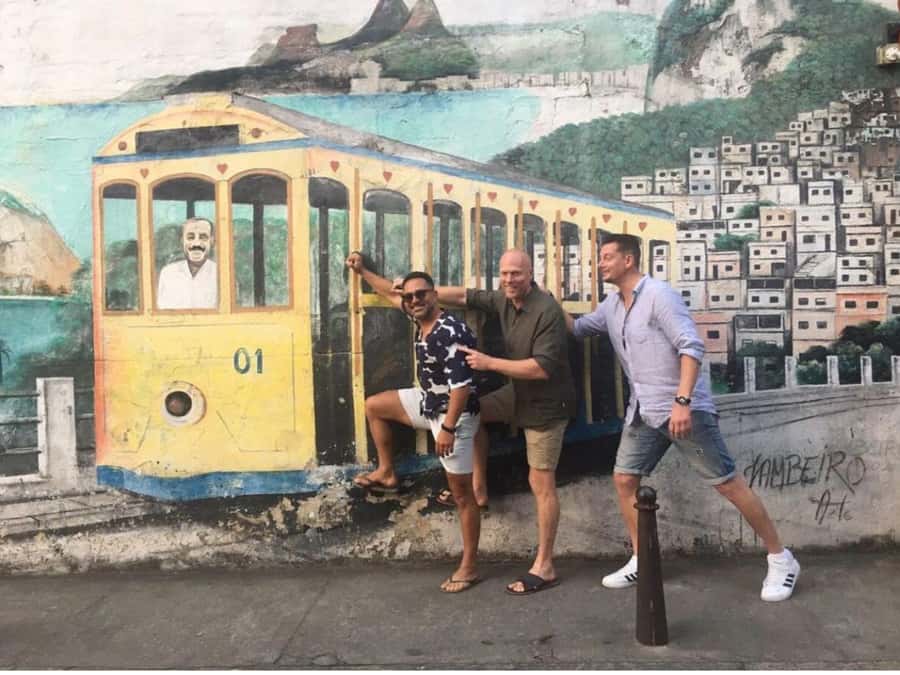
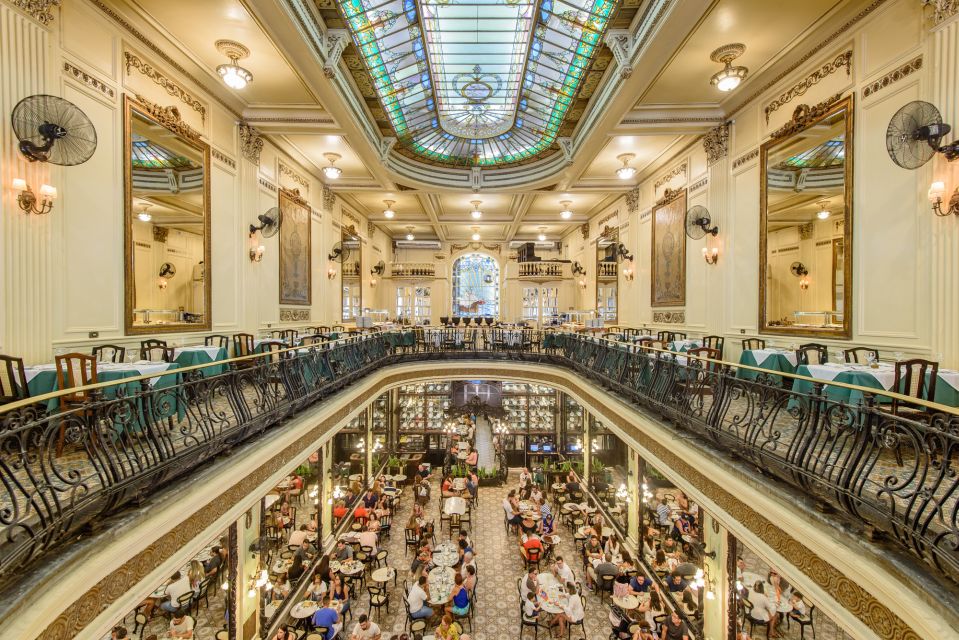
One stop is basically made for people who enjoy variety. The tour includes time at Colombo, a well-known Rio confectionery. The goal here isn’t just sugar. It’s the idea that Brazilian snack culture runs both sweet and savory, and you learn to notice the difference between a treat you eat out of habit versus something made for tradition.
In a single visit you’ll likely move through different textures and styles—think crisp fried bites alongside creamy or syrupy sweets—so you leave with a better sense of how Rio balances comfort and flavor. If you usually skip dessert because you feel too full, this is still a smart stop. The tour spaces things out so you’re not doing a sugar crash right after a salty overload.
Santa Teresa and Lapa: trendy streets with a food lens
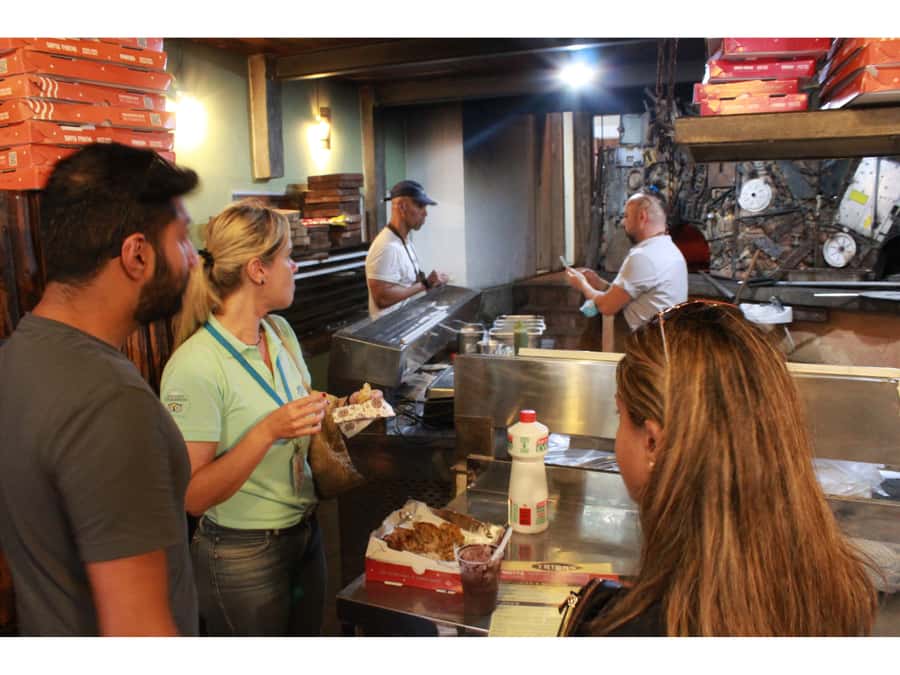
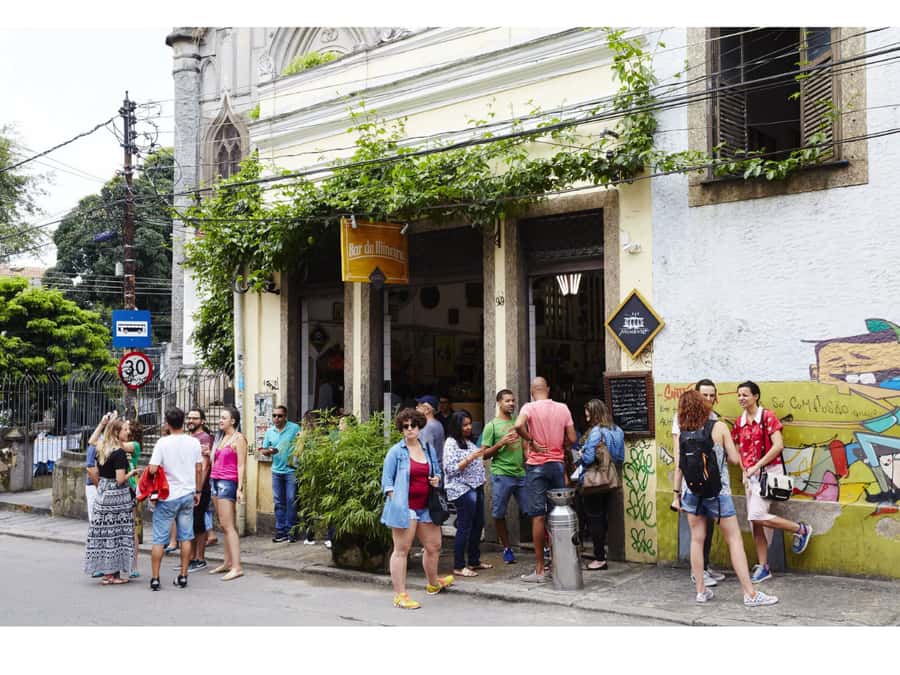
The tour uses Santa Teresa and Lapa as living classrooms. These neighborhoods have their own pace: Lapa’s busy energy and Santa Teresa’s uphill, artsy vibe. As you walk, you’re also getting context for why certain foods show up where they do—how local routines, neighborhood identity, and family habits shaped what people sell and what people crave.
You’ll spend time admiring the neighborhoods’ atmosphere, including the bar and restaurant scenes that make the areas feel very Rio. The point isn’t to turn it into a nightlife recommendation list. It’s to help you understand why these foods belong here.
The food lineup: classic bites and ingredients with a purpose

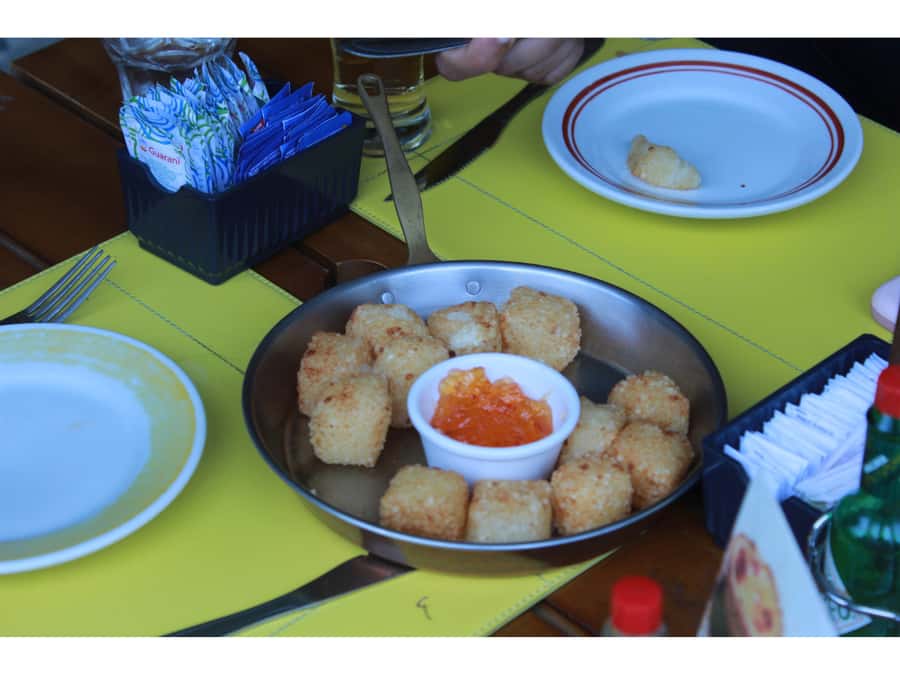
This is where the tour earns its value. You’re not limited to one type of cuisine. The tastings cover authentic local products, including items like pão de queijo and coxinha. Those two alone tell you a lot: cheese-forward comfort food and a popular fried format that shows how Rio loves handheld satisfaction.
You’ll also encounter ingredients that are major players in Brazilian cooking, including açai, tapioca, and manioc flour. Knowing those names in advance helps. Even if you don’t plan to cook, it changes how you read menus afterward. You start to recognize that the same ingredient base can lead to very different textures—from chewy or starchy bites to drinks and sweet applications.
On the drink side, local beverages are part of the plan, not an optional add-on. Expect tastings that include cachaça and local beer, and you may also run into classic Brazilian mixes like caipirinhas during the day’s stops. The spirit-focused element is important because cachaça isn’t just a drink here; it’s woven into social life and celebrations.






Ruinas Park and city views: when the tram ride does more than transport you
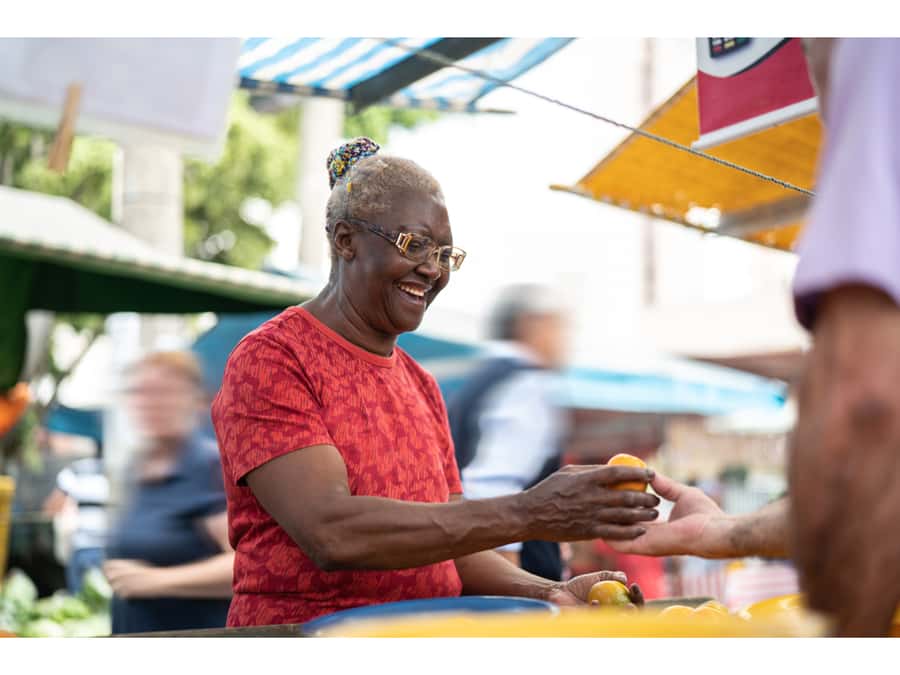
The tram ride over the Lapa Arches aqueduct is pretty, sure. But the useful part is the timing and the viewpoint. The route passes Ruinas Park, and you’re given a chance to look out over Rio as you move from downtown up toward Santa Teresa.
This breaks the day into two moods: food and city. If you’ve only visited Rio from street level, this view angle gives your brain a map. After that, the neighborhood streets feel less random because you understand how the city stacks and slopes.
Drinks and cachaça culture without the “tour-bus bar” vibe
Rio tours often treat alcohol like an add-on. Here, it’s built into the route. The tasting includes cachaça, and you’ll also have beer along the way. That means you get to learn what’s going on with flavors and traditions while you’re actually sampling them, rather than listening to a lecture in between food stops.
If you like to understand what you’re drinking, you’ll appreciate the guide’s explanations. There’s a strong cultural angle: not just what the drink is, but why it shows up with particular foods and in specific parts of Rio.
Guides matter: what makes Romayne and Camila memorable
A food tour is only as good as its guide. This one clearly benefits from guides with long experience and strong relationships around town. Names that come up include Romayne and Camila, both described as energetic, personable, and deeply connected.
What I find especially useful for your day: strong guides tend to create smoother timing and better access. In practical terms, that can mean you reach each food stop at the right moment and get staff attention that makes tastings feel more like a conversation than a rushed check-box. A good guide also answers questions in real time, so if you want to know what you’re tasting or why a certain ingredient is common, you get direct answers instead of vague generalities.
You’ll also see why storytelling makes a difference. When your guide links food to family traditions and neighborhood life, the tastings stick. You remember the flavors, but you also remember the reason those flavors exist.
Price and value: $198 for six hours of tastings and transport
Let’s talk money plainly. At $198 per person for 6 hours, this costs more than a casual self-guided snack walk. The value only shows up if you actually use what’s included.
Here’s what’s part of the deal: a professional guide, tastings and food samples, a tram ticket, entrance fees, and the walking tour itself. That bundling matters in Rio, where small transport and entry costs add up fast. Also, the day includes more than one neighborhood plus that tram ride—so it’s not just eating, it’s structured sightseeing through food.
If you’re the type who likes trying lots of different things—salty snacks, sweets, and local drinks—this price starts to make sense. If you only want a light taste of a couple items, you might feel it’s heavy for six hours.
Practicalities that actually affect your comfort
This is a walking tour, but it’s not extreme. You’ll walk about 1 mile, and the pace is built around stops. Still, you should dress for sun and outdoor time: bring sunglasses and a sun hat, plus comfortable clothes. Outdoor footwear helps more than you’d think when you’re moving between neighborhoods.
One practical rule: no luggage or large bags. That’s important if you’re traveling with a lot of stuff. Plan on traveling light.
Also note the language options: the live guide is available in English or Spanish. Check which language is running when you book, especially if you want the guide’s explanations to fully land.
Who should book this tour (and who should skip it)
You’ll love this if you want a Rio de Janeiro food tour that ties tastings to neighborhood culture, and you’re excited by classics like pão de queijo, coxinha, and Rio sweets. The cachaça and beer portion also suits people who like drinks with context.
You might skip it if you’re allergic to alcohol or avoid spirits and you know you won’t enjoy multiple tastings. Also, if you prefer totally free-form wandering with no fixed schedule, this guided structure could feel limiting.
Should you book Rio Culture and History through the Art of Traditional Foods?
I’d book it if you want one efficient day that combines food, neighborhood sighting, and a tram ride with views, all with a guide who knows what you’re eating and why it matters. It’s especially good for first-time Rio visitors who want more than the usual beach-and-bustle routine.
I’d think twice only if the price feels high for you and you’re not sure you’ll use the tastings fully. If you can go in hungry and curious, you’ll get your money’s worth in variety and in the way the day helps you read Rio like a foodie.
FAQ
What time does the tour start?
Check-in is at 10:30 a.m., and the tour departs at 10:45 a.m. You should meet the guide at the designated meeting point at least 10 minutes early.
How long is the tour?
The duration is 6 hours.
How much is the tour?
The price is $198 per person.
What is included in the price?
The tour includes a professional guide, tastings and food samples, a tram ticket, entrance fees, and the walking tour.
What is not included?
Hotel pickup and drop-off are not included, and additional food and drinks beyond the itinerary are not included.
How much walking is involved?
The distance walked is about 1 mile, which is suitable for most fitness levels.
What languages are offered?
The live tour guide is available in English and Spanish.
What should I bring, and what can’t I bring?
Bring sunglasses, a sun hat, comfortable clothes, and outdoor clothing. Luggage or large bags are not allowed.
Is the tour refundable if my plans change?
The tour offers free cancellation up to 24 hours in advance for a full refund.