REVIEW · RIO DE JANEIRO
Rio de Janeiro: Afrobrazilian Heritage & Black History Walk
Book on GetYourGuide →Operated by Rio Encantos Experiences · Bookable on GetYourGuide
Rio’s downtown carries big stories. This walking tour follows the threads of the transatlantic slave trade and Rio’s African-descended communities through street-level sites, music culture, and living religious traditions. I love that it’s led by an expert guide of African descent from Rio, and I also love that it connects history to what you can still see and hear today, especially around Pedra do Sal. One thing to consider: it’s a real walk in the center city for about 150 minutes, and it runs rain or shine—so pack for weather and keep your shoes comfortable.
You’ll start near Museu de Arte do (MAR) in Praça Mauá and move through historic downtown corners like Cais do Valongo, Praça Mauá, and Largo São Francisco da Prainha. The tour’s tone is serious, but not heavy in a way that leaves you stuck—your guide keeps the focus on people, faith, art, and survival. I’d flag one practical downside: food and transfers aren’t included, so plan your day around that.
In This Review
- Key highlights you should care about
- Entering Rio’s story at Praça Mauá and MAR
- Cais do Valongo: the UNESCO stop that changes how you see the city
- Reading downtown squares: Praça Mauá, Largo São Francisco da Prainha, and the urban clues
- Pedra do Sal: samba roots at the center of Little Africa
- Candomblé, Umbanda, and the gods of nature you can actually name
- What happens between stops: expert guidance plus city-practical tips
- Price and timing: why $64 for 150 minutes can be a smart deal
- What to bring (and what to skip) for a comfortable walk
- Who this walk is best for
- Should you book Rio Encantos’ Afrobrazilian Heritage & Black History Walk?
- FAQ
- Where does the tour meet?
- How long is the walk?
- What languages are offered?
- Is the tour wheelchair accessible?
- Does the tour include food?
- What should I bring?
- What if it rains?
- Are pets allowed?
Key highlights you should care about
- UNESCO Valongo Wharf access in a walkable route to the heart of the transatlantic slave trade memory
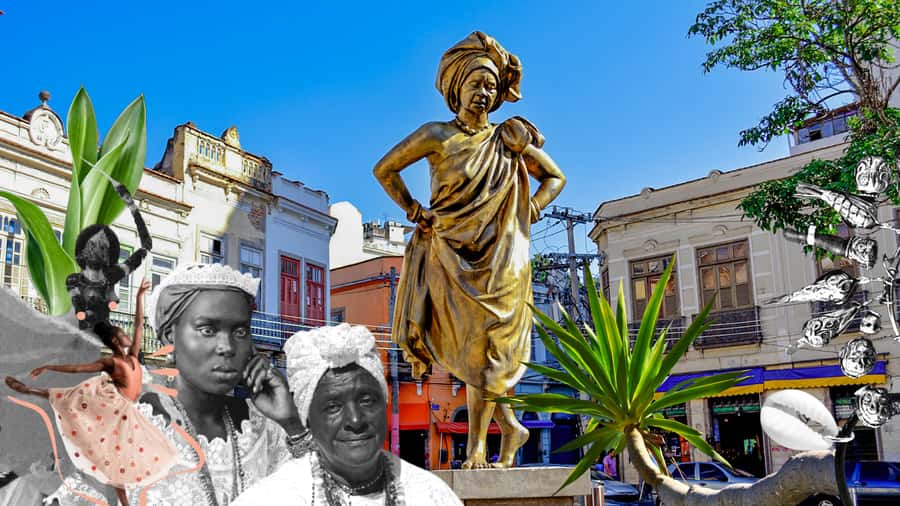
- Pedra do Sal (Little Africa), tied to samba origins and the spirit of early Carnival bloc culture
- Afro-Brazilian religions explained in plain language, including how Candomblé and Umbanda connect and blend with Christianity
- Religious ancestors you can name, with orishas and African spiritual systems such as nkisis and voduns
- Downtown murals and historic squares that help you read the city like a living map
- A guide who brings both research and personal cultural context, with English, Spanish, and Portuguese options
Entering Rio’s story at Praça Mauá and MAR
The tour begins under the trees in front of the MAR Museum at Praça Mauá, a good launch point because it puts you where Rio’s past and present rub shoulders. You get a live guide speaking English, Spanish, or Portuguese, and you’ll use the walking route to build a mental map quickly—no museum ticket required to start learning.
You might also see a second start option tied to the Saúde area. Either way, the guiding idea stays the same: you’re not just passing landmarks, you’re reading them. That matters, because the locations you visit are tightly connected to how African-descended communities formed in Rio.
Before you head out, think like a field-notes traveler. Bring a reusable water bottle, a hat, and rain gear. The tour is wheelchair accessible, but it still involves walking and city sidewalks, so comfort is your friend.
You can also read our reviews of more walking tours in Rio De Janeiro



Cais do Valongo: the UNESCO stop that changes how you see the city
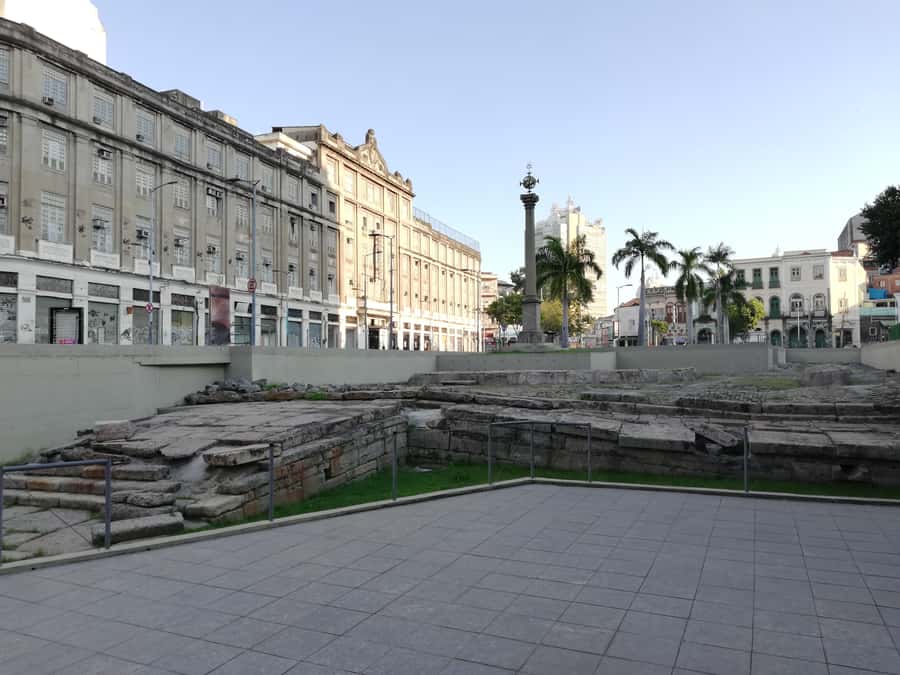
One of the strongest moments is the visit to Cais do Valongo, part of the UNESCO World Heritage Site for the memory of the transatlantic slave trade. This is the place that anchors the tour’s timeline: enslaved Africans arriving in huge numbers to be sold, exploited, and stripped of identity.
What I like about a walking approach here is that the meaning sticks to the ground. You’re not looking at slavery history from behind glass—you’re watching how the city has been layered, rebuilt, and reinterpreted over time. The guide helps you understand what happened without turning the story into a blur of dates.
You’ll also spend time around Praça Mauá and nearby downtown stops such as Largo São Francisco da Prainha. Together, these places help explain why Rio became a central node in Atlantic trafficking—and why African cultures didn’t disappear. They transformed, adapted, and shaped new Brazilian identities.
A practical tip: this is the segment where your questions matter most. If you’re curious about how Portuguese colonial systems worked, or how African traditions survived under pressure, ask your guide. The best tours give you room to think, not just facts to memorize.
Reading downtown squares: Praça Mauá, Largo São Francisco da Prainha, and the urban clues
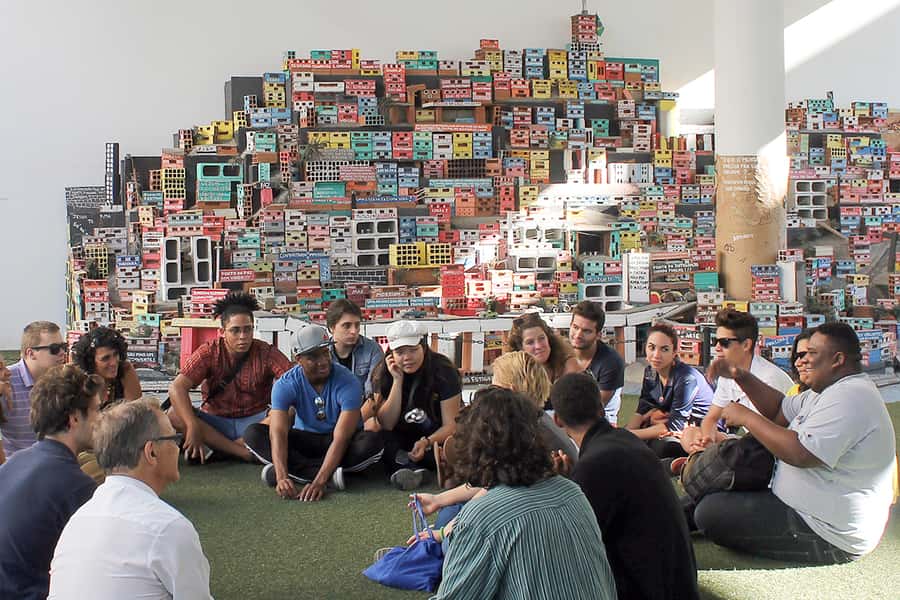
After Valongo, the route keeps moving through downtown Rio, where the streets act like an open textbook. Largo São Francisco da Prainha is one of the key stops, and it’s a strong contrast to the Valongo area: the city feels more familiar on the surface, but the guide keeps the historical lens on.
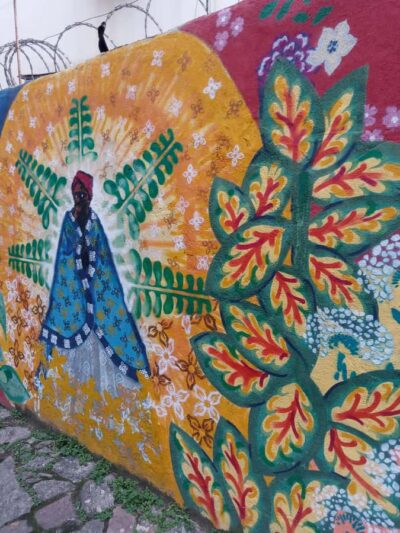
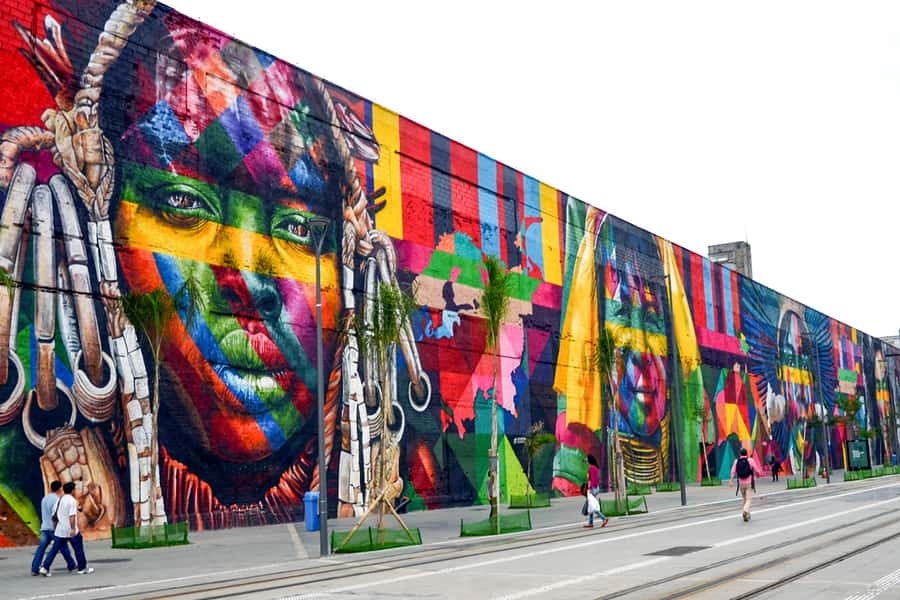
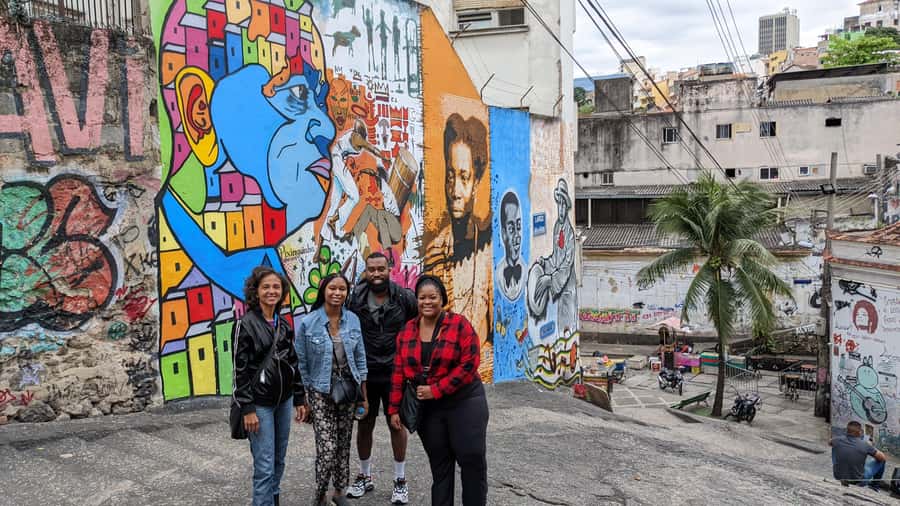
You’ll also pass or visit Etnias, a mural area at Estúdio Kobra. It’s a visual reminder that cultural memory shows up in modern street art. The point isn’t the mural as decoration; the point is that African-descended histories are now being claimed and displayed in public space.
I like tours that make you pay attention to what’s around you—small details like street-level landmarks, squares, and building edges. This walk does that in a steady way, so you’re not just traveling from stop to stop. You start noticing patterns: where communities formed, where public life happened, and where cultural signals still show up.
Drop-off locations can include Cais do Valongo, Etnias (the mural area), and Largo São Francisco da Prainha. That can be handy if you’re planning to keep exploring downtown afterward.
Pedra do Sal: samba roots at the center of Little Africa
Then comes the heart of the cultural side: Pedra do Sal, often called the Rock of Salt. The area is tied to Rio’s “Little Africa,” where community life and music traditions gathered.
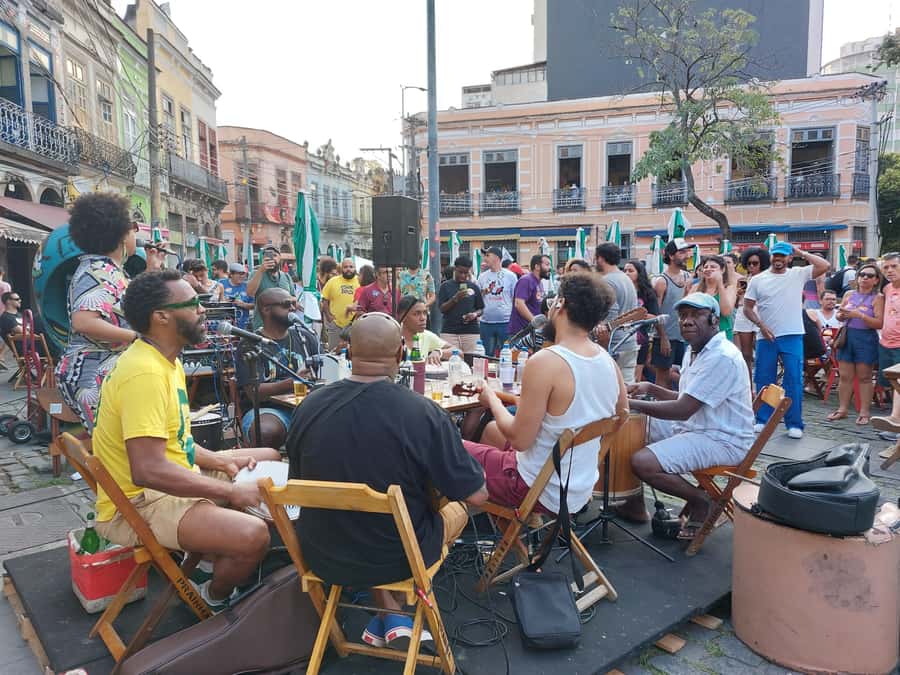
Here’s what you’ll learn that makes the stop feel more than scenic: Pedra do Sal is considered a birthplace of samba for musicians who met to sing and dance. The guide also connects it to Carnival history, including the early bloc parties and parades. And the tradition is not just museum-grade nostalgia—there are still rodas de sambas that keep the weekly rhythm going.
I love this part because it changes your understanding of what “heritage” means. Heritage isn’t only about remembering tragedy. It’s also about art forms built out of community effort—music as social glue, dance as storytelling, and public gatherings as survival.
You’ll also get context that connects samba to spiritual and cultural life. Afro-Brazilian religions and music in Rio aren’t separate worlds. They often share symbols, rhythms, and community spaces—even when the names and forms shift across generations.
If you’re a first-time visitor to Rio, this is the stop that helps you stop treating Afro-Brazilian culture as a side note. You start seeing it as one of Rio’s core languages.
Candomblé, Umbanda, and the gods of nature you can actually name
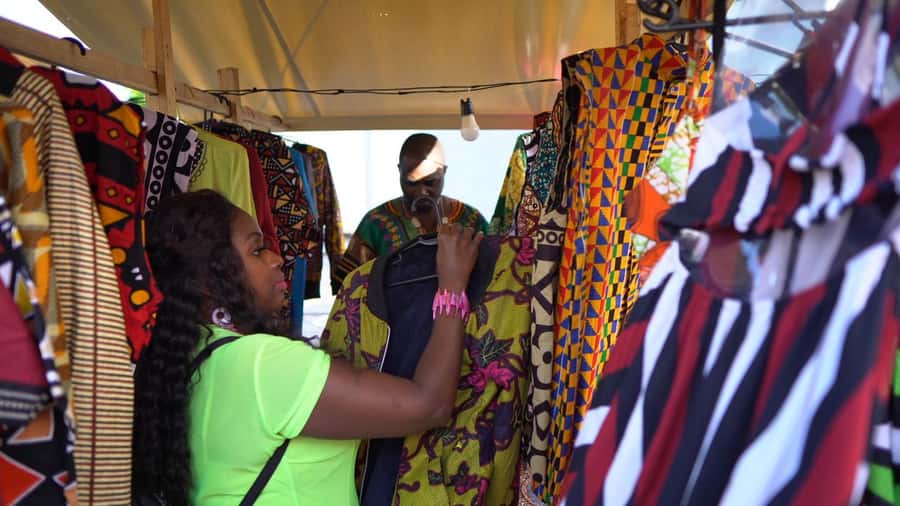
One of the most compelling parts of the tour is the explanation of Afro-Brazilian religions, especially Candomblé and Umbanda. The guide explains origins and, importantly, how these traditions relate to Christianity through sincretism. That’s a key concept in Brazil: spiritual practices often carried African roots while also adapting to the religious systems forced onto enslaved people and their descendants.
You’ll also learn about Brazilian ancestral gods and goddesses connected to nature. The tour frames these figures as living parts of belief and community—not just mythology. And you’ll get references to African spiritual systems such as orishas, nkisis, and voduns, with the idea of shared or parallel structures across traditions.
This section can land differently depending on your background. If you know little about Afro-Brazilian faith, it won’t feel like an encyclopedia dump. The guide’s role is to translate the concepts into something you can understand while walking through the city where these ideas mattered.
One practical note: because this is a walking tour, you’ll want to keep your attention steady even when the conversation turns spiritual. If you tend to get distracted, focus on the meaning behind the names. The point isn’t memorizing lists. The point is grasping how belief systems helped communities hold onto identity in a hostile world.
You can also read our reviews of more historical tours in Rio De Janeiro



What happens between stops: expert guidance plus city-practical tips
A big value add is that you get guidance beyond the main sites. The tour includes tips on local programming: music, art, museums, restaurants, and the local scene. That’s not a throwaway line. If you use it well, it saves you time and helps you avoid the generic Rio itinerary.
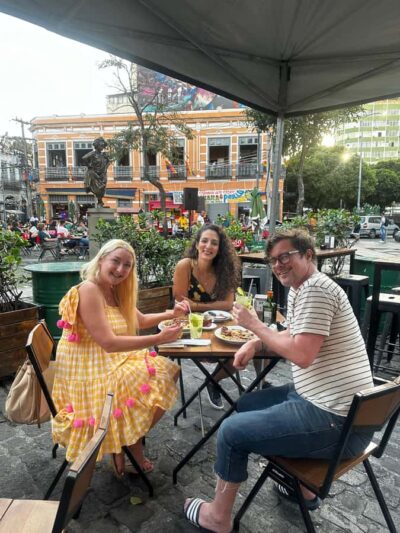
In particular, the cultural emphasis can help you find where to go for sound, not just sight. One example mentioned by English-speaking visitors is a recommendation to dine and then check out a samba jam session at a town square. That kind of tip makes the tour keep working after you finish walking.
The guide’s tone also matters. Past participants described guides such as Kelly and Jaíse as passionate and deeply informed, with research that shows up in how clearly they explain complicated topics. I’d treat that as a good sign for your own experience: you want someone who doesn’t rush.
Price and timing: why $64 for 150 minutes can be a smart deal
At $64 per person for about 150 minutes, this is not a bargain bargain. But it also isn’t overpriced for what you get. You’re paying for three things that add up quickly in Rio: (1) a focused, guided walking route, (2) a UNESCO World Heritage Site visit centered on the transatlantic slave trade memory, and (3) cultural interpretation that ties history to samba and living faith.
Transfers aren’t included, and food isn’t included either, which affects your total budget. But the guide often helps you time the rest of your day. If you already planned to eat nearby, the food gap is just a small planning issue, not a deal breaker.
Also remember this is a rain-or-shine tour. You’re paying for an active day, not a museum ticket with dry hallways. If you show up prepared, 2.5 hours feels like enough time to learn without getting worn out.
What to bring (and what to skip) for a comfortable walk
The tour gives you clear “pack for it” instructions, and you should take them seriously. Bring:
- A reusable water bottle
- Comfortable clothes and walking shoes
- A hat
- Rain gear
The tour does not allow pets. Assistance dogs are allowed.
If you’re the type who likes to be ready for weather and uncertainty, the extra step is worth it: message the organizer on WhatsApp for faster communication if you need clarification. The tour is straightforward, but a quick note can help if weather changes plans or timing.
If you’re traveling with travel insurance, keep your details handy. It’s not required, but it’s recommended when you’re doing outdoor walking.
Who this walk is best for
This experience is ideal if you want Rio with context. If you like your sightseeing to include real social history, cultural roots, and the way faith and music survived and evolved, this fits. It’s also a strong choice if you enjoy guided interpretation rather than wandering alone with a map.
You might particularly love it if:
- You’re interested in Afro-Brazilian heritage and the history of slavery in Brazil
- You want samba origins explained with place-based details
- You’re curious about Candomblé/Umbanda and how syncretism works in practice
You might skip it if:
- You only want light, entertainment-first sightseeing
- You don’t do well with walking in busy downtown streets for a bit over two hours
Should you book Rio Encantos’ Afrobrazilian Heritage & Black History Walk?
If you’re even slightly curious about Rio’s roots, I think this is a smart booking. The best reason is the way it connects three parts that are often separated in travel: transatlantic slave trade history, samba culture, and Afro-Brazilian religions. It’s not only “what happened,” it’s also “what remains” in music, community identity, and spiritual life.
The main reason to pause is practical: bring rain gear, wear good shoes, and budget food separately. If you do those things, the price feels fair for a guided route that hits meaningful sites and gives you city guidance you can actually use.
Book it if you want Rio with depth, but delivered in an easy walking format. Pass if you want only postcard stops and minimal talking.
FAQ
Where does the tour meet?
Meet under the trees in front of the MAR Museum (Rio Art Museum), Praça Mauá.
How long is the walk?
The tour lasts about 150 minutes.
What languages are offered?
The live tour guide is available in English, Spanish, and Portuguese.
Is the tour wheelchair accessible?
Yes, it is listed as wheelchair accessible.
Does the tour include food?
Food is not included. The walking route includes a regional food stop, but you should budget separately for meals.
What should I bring?
Bring a reusable water bottle, comfortable clothes, a hat, and rain gear.
What if it rains?
The tour runs rain or shine.
Are pets allowed?
Pets are not allowed. Assistance dogs are allowed.