REVIEW · RIO DE JANEIRO
Rio de Janeiro: Tijuca National Park Tour
Book on GetYourGuide →Operated by Urban Jungle · Bookable on GetYourGuide
Rainforest walks right out of Rio. I love how Tijuca National Park mixes big-city convenience with real trail time, and I really like that you get both waterfall stops and a cave visit instead of just quick photo moments. Guides like Thalles put the forest in context by pointing out plants and animals as you go. One consideration: you’ll be on uneven paths and it’s not suitable for wheelchair users or visually impaired people, so comfy support shoes matter.
This tour is built as a smooth morning escape: hotel pickup at 7:30 AM, transport into the park area, and a bilingual local guide (English, Portuguese, Spanish, French) keeping the pace friendly. You also get photos and videos, which is a big help when you’re busy watching for wildlife and don’t want to juggle your camera the whole time.
In This Review
- Key points you’ll care about before you go
- Tijuca National Park: Rio’s rainforest that feels impossible
- The day’s rhythm: pickup at 7:30, rainforest focus, back by early afternoon
- Viewpoints on the drive: your first taste of the Rio-forest contrast
- Cascatinha Taunay: the waterfall stop that sets the tone
- Center of Visitors: where the guide turns paths into a story
- Cachoeira das Almas, A Floresta, and the pace-friendly breaks
- Gruta dos Morcegos cave: the stop that adds mystery to the rainforest day
- Wildlife spotting: what to expect, and how to increase your odds
- What to pack: water, snacks, shoes, and mosquito repellent
- Price and value: is $79 per person a fair deal?
- Who should book this tour, and who should think twice
- Should you book the Tijuca National Park tour with Urban Jungle?
- FAQ
- How long is the Rio de Janeiro: Tijuca National Park tour?
- What time is hotel pickup?
- Is transportation included?
- Which languages are available for the guide?
- Are photos and videos included?
- Is lunch or drinks included?
- What should I bring for the hike?
- What sights are included inside the park?
- Is the tour wheelchair accessible?
- What cancellation and reserve options are available?
Key points you’ll care about before you go
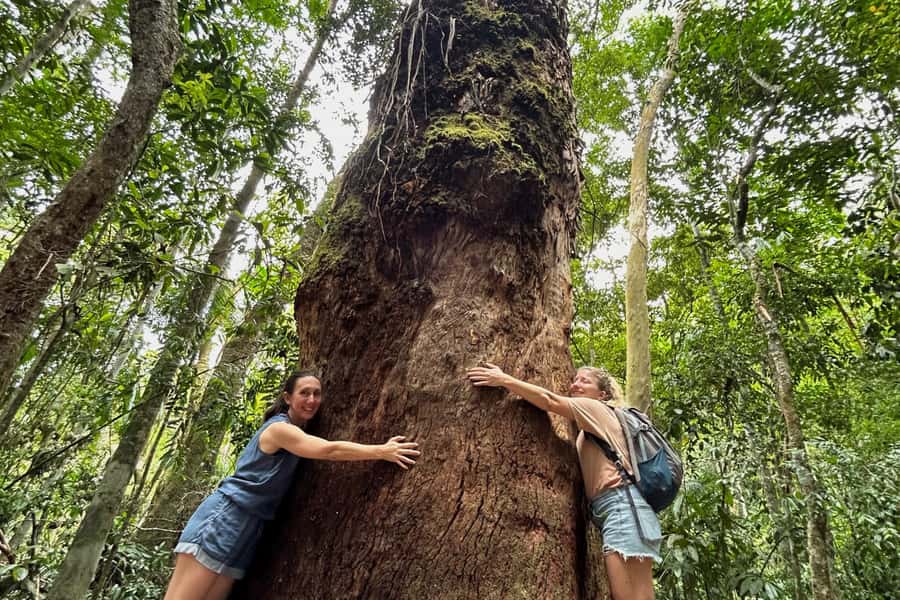
- Big urban jungle feel, real trail time: Tijuca is famous for being rainforest right inside the city.
- Two named waterfalls plus more stops: Cascatinha Taunay and Cachoeira das Almas anchor the morning.
- Gruta dos Morcegos cave: you’ll go inside, not just look at it from outside.
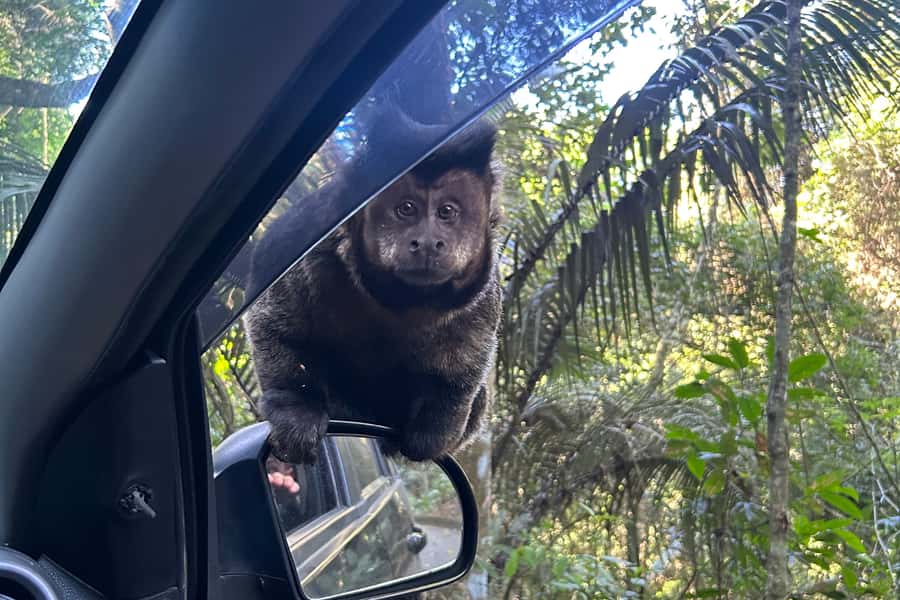
- Wildlife spotting focus: guides actively help you see ants, birds, monkeys, coatis, and butterflies when conditions allow.
- Guides who make photos easier: several guides are noted for helping with memorable shots.
- Pack for a hike: plan on bringing at least 2L of water plus quick snacks.
Tijuca National Park: Rio’s rainforest that feels impossible
Tijuca National Park is the kind of place that makes you stop and blink. You’re in Rio de Janeiro, then within minutes you’re breathing in forest air and walking beneath a canopy that doesn’t feel like it belongs next to traffic.
That’s why this tour works so well for first-time visitors. You don’t need to master local bus routes or design your own half-day route. Instead, you’re guided through the “urban jungle” experience—rainforest trails, waterfall breaks, and viewpoints that show how close the city really is to the green.
The other thing I like is the way the guide turns scenery into learning. When Samuel explains what you’re looking at—plant adaptations, forest behavior, and the reason certain animals appear—you start noticing details you’d normally miss. It changes a “pretty hike” into a real understanding of the place.
You can also read our reviews of more tours and experiences in Rio De Janeiro.



The day’s rhythm: pickup at 7:30, rainforest focus, back by early afternoon
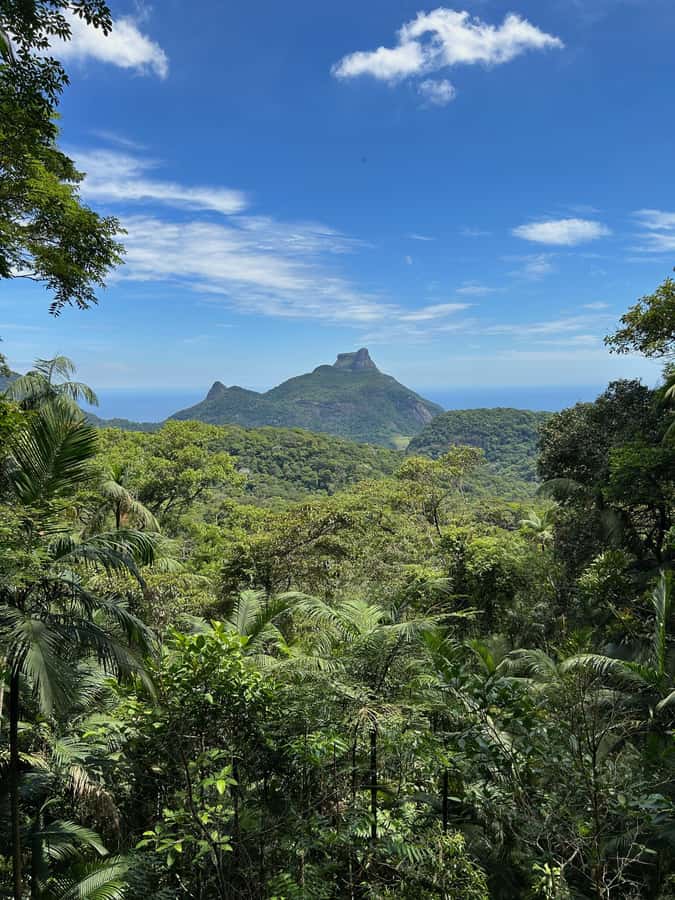
The schedule is set up to maximize your morning in the forest without dragging the day. You’ll have a hotel pickup at 7:30 AM, then travel into the Tijuca area with viewpoint stops along the way (roughly 7:30–8:15 AM).
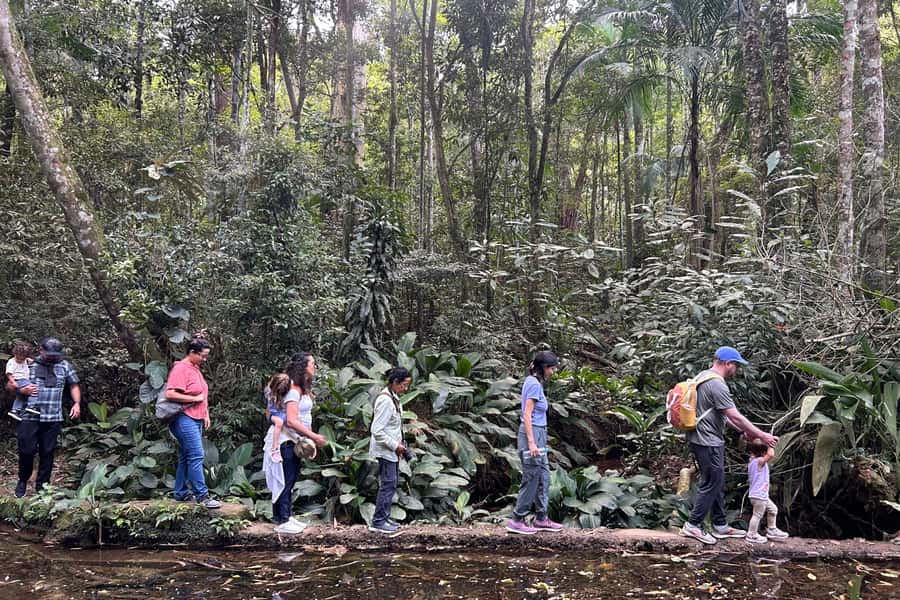
The main guided walk and attraction time runs about 8:15 AM–12:15 PM. After that, you transfer back to your hotel, typically with drop-off around 12:15–1:00 PM. The total listed duration is 270 minutes, which lines up with a compact half-day: enough time to feel like you left the city, not so long that you’re exhausted before lunch.
This pacing matters because Tijuca can feel busy with heat and humidity during the day. Going early helps you move while the forest is still cool enough to be comfortable, and it gives your guide more time for stops and explanations.
Viewpoints on the drive: your first taste of the Rio-forest contrast
Before the trails, you’ll stop at viewpoints on the ride into the park sector. This is more than sightseeing filler. It’s your orientation—suddenly you understand what you’ll be walking through and why people come here for those dramatic edges where forest meets coastline and city.
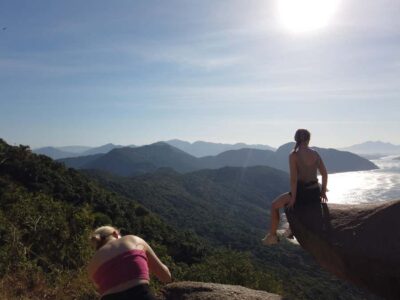
I like this part because it gets your camera ready and your eyes trained. You’ll see layers of green stretching away, then the city breaks the horizon in the distance. It’s the visual hook that makes the later waterfall and cave stops feel even more rewarding.
Practical tip: keep your phone or camera easy to grab on viewpoint stops. You’ll likely want quick shots before you’re back in the car.
Cascatinha Taunay: the waterfall stop that sets the tone
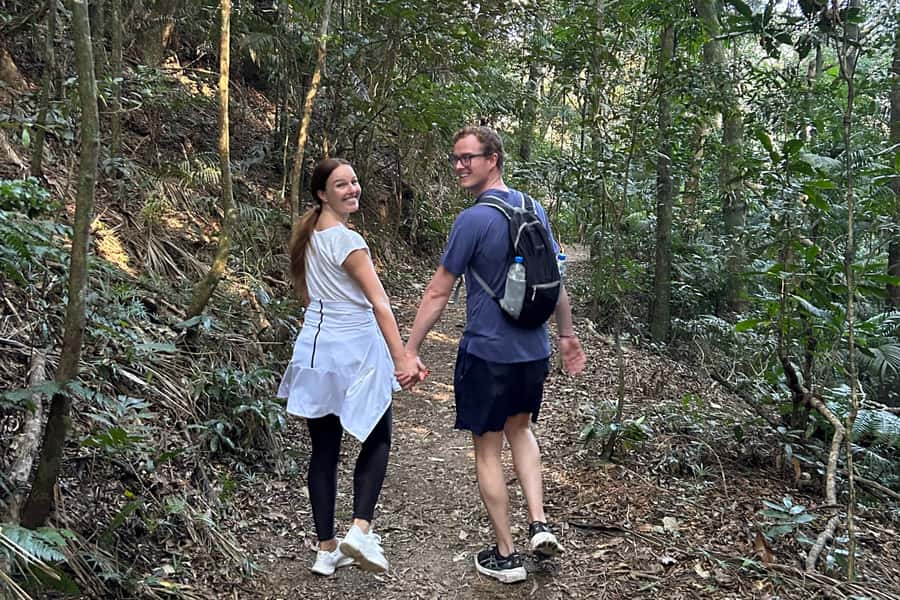
The morning walk begins in the main Tijuca Woods area, and one of the first named highlights is Cascatinha Taunay. Expect a classic rainforest-waterfall moment: lush surroundings, cool mist, and a pause that feels like a reset.
This stop also sets expectations for the rest of the tour. The paths aren’t just flat sightseeing corridors—you’re walking in a living environment. The guide’s narration often helps you notice what’s growing, what’s clinging to surfaces, and what signs of wildlife look like in the forest (like tiny movement in leaf litter).
If you’re hoping for that “nature relief” feeling after days of city walking, this waterfall moment usually delivers.
Center of Visitors: where the guide turns paths into a story
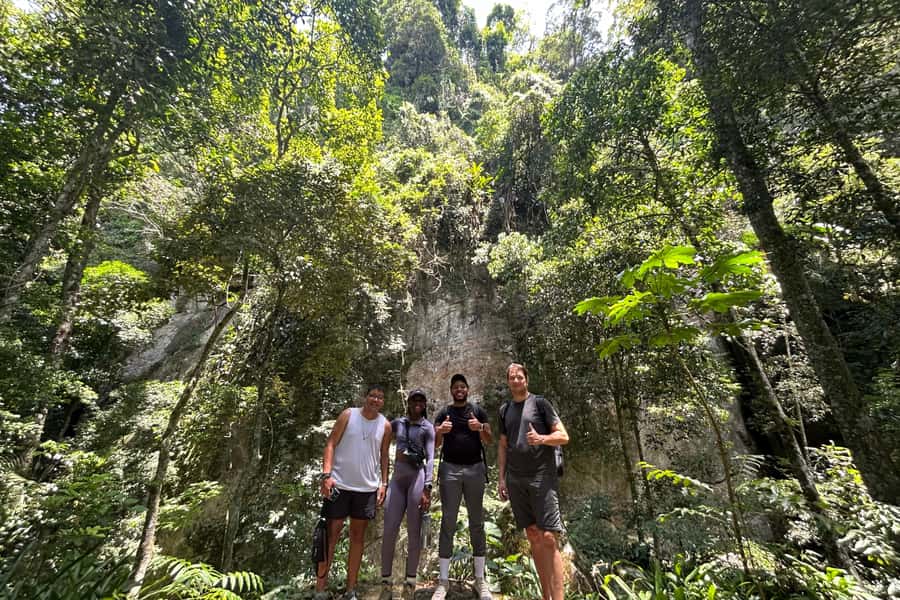
Next comes the Center of Visitors. I see this as the tool that makes the hike click. Even if you’re not a big museum person, it helps to get context before you go deeper: what the park is protecting, what kinds of plants and animals call this area home, and why Tijuca matters in the bigger Rio picture.
This is also where the best guides shine. In the experiences I’m drawing from, guides like Dudu and Sylvio are praised for sharing plenty of practical details—how to spot wildlife and how to read small forest clues. It’s the kind of explanation that makes your next stop feel less random.
If you’re the type who loves asking questions, this is a good moment to do it. The guide can point you toward what to look for on the trail.






Cachoeira das Almas, A Floresta, and the pace-friendly breaks
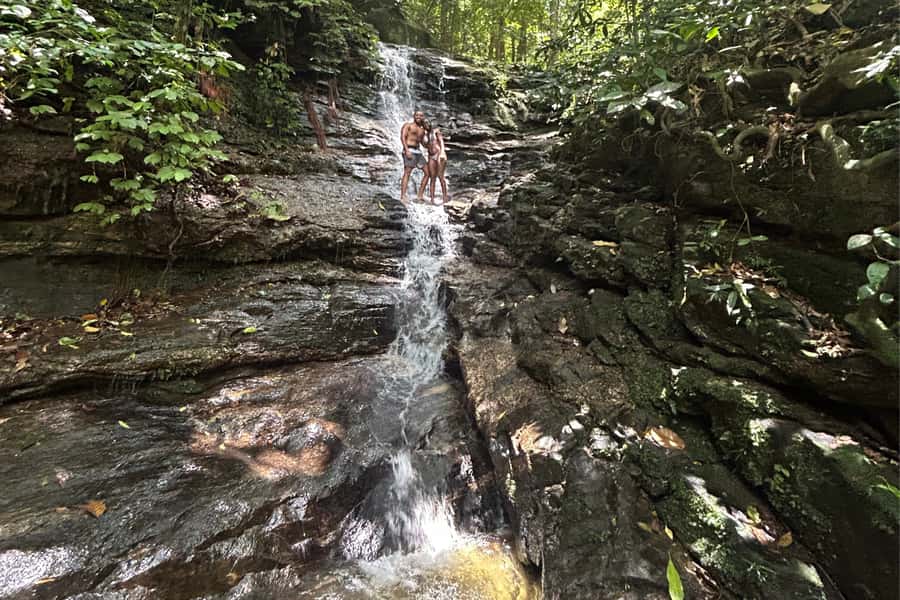
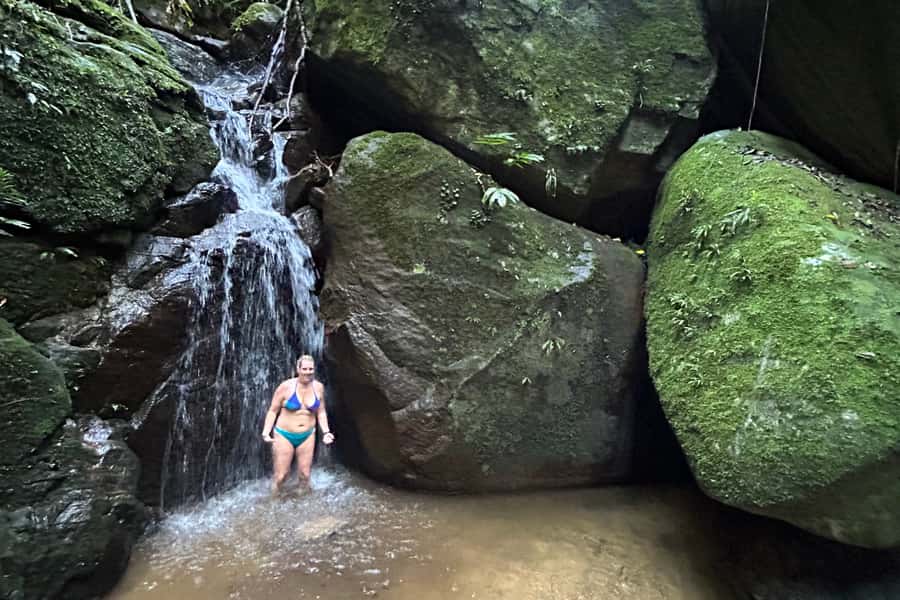
After the visitor stop, you’ll move toward more waterfall time at Cachoeira das Almas. Expect another chance to enjoy the rainforest soundscape: water moving through rocks, dripping leaves, and the feeling of stepping into a quieter world.
Between major stops, the tour also includes the A Floresta heritage building (the name you’ll see associated with the site). Think of this as a heritage pause inside the day—an architectural stop that reminds you the park isn’t only about nature, it’s also about how humans have interacted with this place over time.
One helpful element here: breaks are part of the structure. Some people push hard on hikes, then hate the later part because they’re tired. This route spreads out the “wow” moments, so you don’t feel like you’re sprinting from attraction to attraction.
Gruta dos Morcegos cave: the stop that adds mystery to the rainforest day
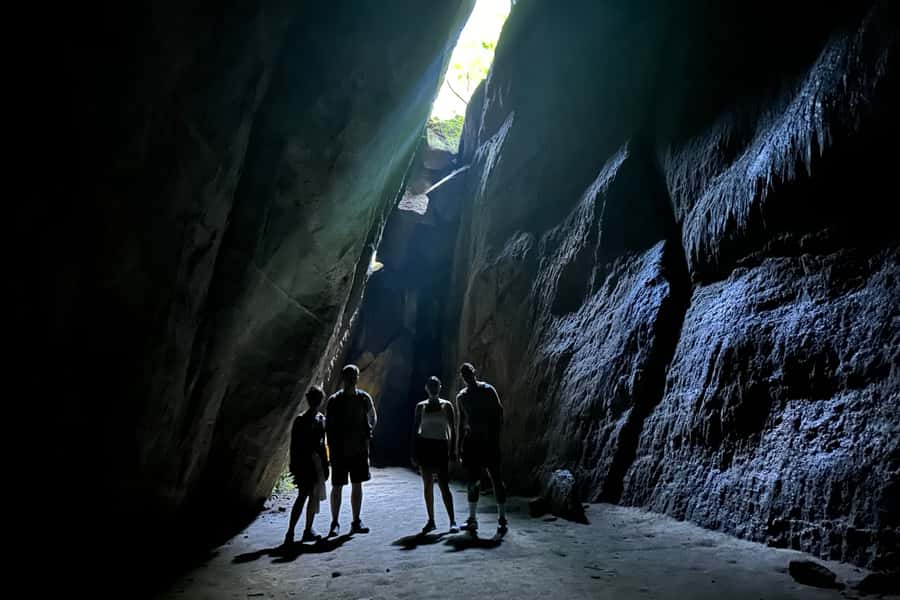
Then comes the cave visit: Gruta dos Morcegos. This is a different kind of thrill than a viewpoint or waterfall. Indoors, you’re dealing with dimmer light and a shift in atmosphere, which makes the whole day feel more varied.
In the experiences I’m reflecting on, the cave time is often remembered because it’s a change of pace. If you like variety—sunlight outside, shaded rocks inside—this is the contrast that keeps the tour from feeling repetitive.
Tip: wear shoes with solid traction. Even when surfaces look manageable, cave areas can feel slick or uneven depending on moisture.
Wildlife spotting: what to expect, and how to increase your odds
Tijuca is full of life, but it doesn’t behave like a zoo. You’re not guaranteed a monkey at every turn or a butterfly hovering on cue. What you can count on is that a good guide will help you find movement, interpret signals, and slow down at the right moments.
The most praised parts of this tour involve wildlife and insect spotting. You may see things like:
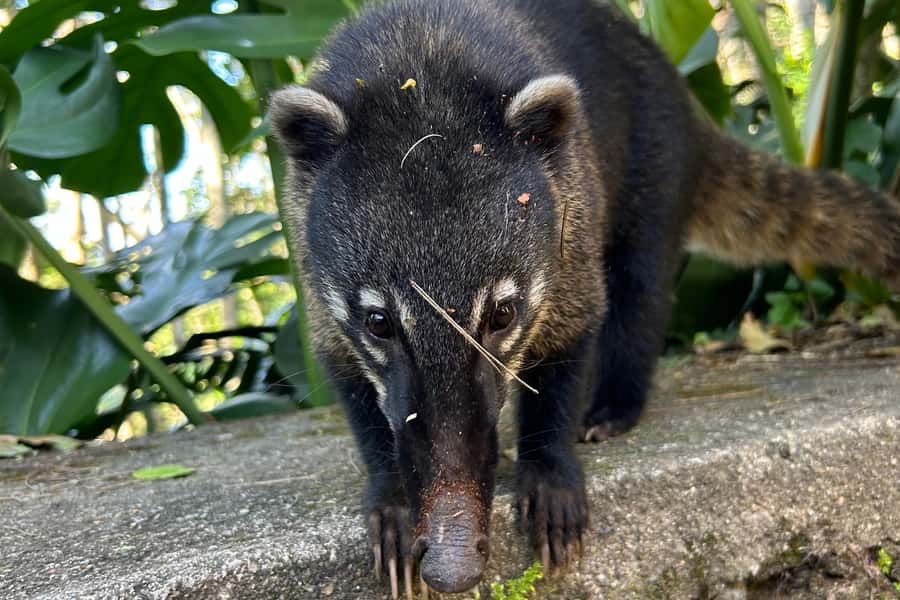
- coatis getting curious around the trail areas
- birds and hummingbirds in the right light
- monkeys in the trees
- butterflies, including blue morpho
- ants and other small forest activity
- even sightings like a green vine snake, when the timing and conditions cooperate
The best strategy is quiet focus. Walk steadily, stay aware of where the guide points, and don’t rush ahead. Guides such as Thalles, Samuel, and Dudu are repeatedly credited for helping people notice wildlife without turning it into frantic searching.
And if you’re someone who loves photography, you’ll probably appreciate that the tour includes photos and videos. You don’t have to turn every moment into a manual capture mission.
What to pack: water, snacks, shoes, and mosquito repellent
This is a hike-and-waterfall morning, so packing is not optional. The tour asks you to bring:
- hiking shoes or shoes with grip
- at least 2L of water per person
- quick snacks (sandwich, protein bars, nuts)
- weather-appropriate clothing
- a camera or smartphone
A practical add-on: bring mosquito repellent. At least one guide-led experience specifically calls this out, which makes sense in rainforest edges where insects can be persistent.
Also remember basic travel items: personal identification and any travel documents you need. You may also want extra money for lunch since drinks and lunch aren’t included.
Price and value: is $79 per person a fair deal?
At $79 per person, you’re paying for a guided half-day that includes transportation, a bilingual local guide, and photos/videos. You’re also getting multiple named stops in a protected rainforest area—viewpoints, waterfalls, a visitor center, a heritage building, and a cave.
Is it cheap? Not exactly. But it’s good value if you want:
- a plan already built for you
- a guide to point out wildlife and forest details
- hotel pickup so you don’t burn time figuring out transit
- a day that ends mid-day so you can still enjoy Rio’s afternoon
If you’re traveling with limited time in the city, this kind of guided structure is often what turns a “maybe I’ll do it” idea into a real experience.
Who should book this tour, and who should think twice
This tour is a strong match for you if you want nature without logisitical stress. It suits people who enjoy walking, don’t mind humidity, and like learning as they go.
It also makes sense for wildlife and photography fans. The guide help with spotting and the included photos/videos mean you can stay present instead of treating the walk like a nonstop photo shoot.
It’s not the right fit if:
- you need wheelchair accessibility
- you’re visually impaired (the tour is listed as not suitable)
- you want a totally flat walk with no uneven ground
If you’re somewhere in the middle—okay with a hike but not a tough one—the route is still manageable for many visitors. Just be honest with your shoe choice and your energy level.
Should you book the Tijuca National Park tour with Urban Jungle?
If you’re in Rio and you want one guided half-day that actually gets you into the rainforest, I’d say book it. This tour gives you the essentials that matter: forest walking, real waterfall stops, the cave experience at Gruta dos Morcegos, and a guide who helps you notice wildlife rather than just pass by trees.
You might skip it only if you dislike any kind of hiking on uneven terrain or you’re in a situation where the tour’s physical demands won’t work for you. Otherwise, for many people it’s one of the cleanest ways to experience Tijuca without spending your whole day planning.
If you do book, pack like it’s a real hike: good shoes, water, snacks, and repellent. Then show up ready to slow down—Tijuca rewards attention.
FAQ
How long is the Rio de Janeiro: Tijuca National Park tour?
The duration is listed as 270 minutes.
What time is hotel pickup?
Pickup starts at 7:30 AM.
Is transportation included?
Yes. Transportation throughout the day is included, with pickup and drop-off at selected Rio areas.
Which languages are available for the guide?
The tour offers a live guide in English, Portuguese, Spanish, and French.
Are photos and videos included?
Yes. Photos and videos are included.
Is lunch or drinks included?
No. Lunch and drinks are not included.
What should I bring for the hike?
Bring hiking shoes or shoes, at least 2L of water per person, quick snacks, weather-appropriate clothing, and a camera or smartphone. Personal identification and any needed travel documents are also recommended.
What sights are included inside the park?
You’ll visit stops including Cascatinha Taunay, the Center of Visitors, Cachoeira das Almas, the A Floresta heritage building, and Gruta dos Morcegos cave.
Is the tour wheelchair accessible?
No. It is listed as not suitable for wheelchair users.
What cancellation and reserve options are available?
It includes free cancellation up to 24 hours in advance for a full refund, and it offers a reserve now & pay later option.