
REVIEW · RIO DE JANEIRO
Historical Downtown and Lapa – Walking Tour
Book on Viator →Operated by Rio by Foot - Tours · Bookable on Viator
Rio makes sense on foot. This 3-hour historical walking tour connects Centro landmarks with the stories that shaped modern Brazil, with lots of time to ask questions as you move. You’ll pass through key spots on the way to Lapa’s Escadaria Selarón, ending near Praça Quinze de Novembro.
I especially like the in-depth guide commentary that makes big topics feel human and specific, not like a slideshow. I also like the guide style—friendly, upbeat, and easy to talk to—seen with guides such as Rafael and Juliana, who can explain things in English (and sometimes Portuguese too).
One practical drawback: this isn’t a food tour. Food and drinks aren’t included, so you’ll want to plan water and a snack strategy, especially on a warm day.
In This Review
- Key Things You’ll Notice on This Rio Walk
- Entering Historic Rio at Human Speed
- Meeting at Praça Floriano and Following the Guide’s Pace
- Biblioteca Nacional: A Timed Museum Moment With a Ticket Covered
- Museu Nacional de Belas Artes and the WWII Memorial Area
- Avenida Rio Branco: The City’s Big-Corridor Walk
- Escadaria Selarón: The Photo Moment With Real Atmosphere
- Praça da República and the Republic-Themed Stop
- Feira da Praça XV: Street-Life Stop Without Admission
- Value: Why the Price Can Make Sense for a Short Day
- Pace, Comfort, and What to Bring
- Getting More From Your Guide: Rafael and Juliana Styles
- So, Should You Book This Rio Historical Downtown and Lapa Walk?
- FAQ
- How long is the Historical Downtown and Lapa Walking Tour?
- Where does the tour start and end?
- Is admission included for the stops?
- What is the group size?
- Do I need hotel pickup?
- Will the guide speak English?
- Is this tour okay for children?
- Are food and drinks included?
- Can I get a refund if I cancel?
Key Things You’ll Notice on This Rio Walk

- Small group size (max 20), so you can actually ask questions and get direct answers
- Admissions included at Biblioteca Nacional and Museu Nacional de Belas Artes, so you’re not paying surprise tickets
- Avenida Rio Branco gives you a clear “spine” of the city while you hear the political and historical context
- Escadaria Selarón is your big visual stop, with plenty of photo opportunities along the way
- Feira da Praça XV adds street-life atmosphere without an admission ticket
Entering Historic Rio at Human Speed
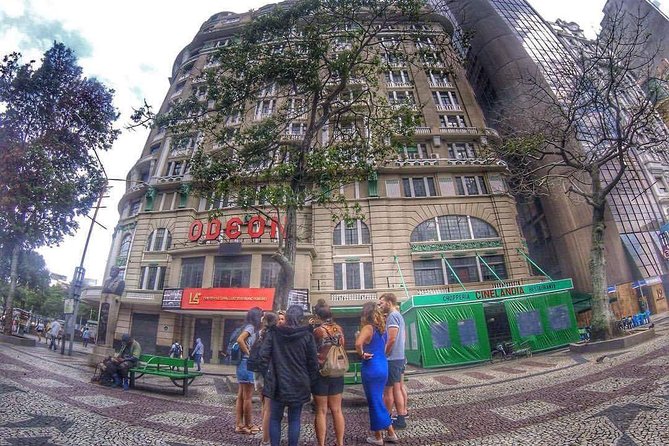
This tour is a smart way to see Rio’s central history without bouncing between far-apart neighborhoods all day. You’re walking through Centro and reaching Lapa, so you get a real sense of how the city’s past and present share the same streets.
What makes it work is the pacing. At about three hours, you’re not doing an all-day sprint. You’ll cover enough ground to feel like you changed locations, but not so much that you’re fried before the good bits. Even past groups describe it as feeling quicker than you’d expect because the commentary keeps pulling your attention forward.
Also, this is a conversation-style tour. You’re not just watching. You’ll have time to ask questions about Brazil’s political history and how the stories behind the buildings connect to today.
You can also read our reviews of more walking tours in Rio de Janeiro



Meeting at Praça Floriano and Following the Guide’s Pace
You start at Praça Floriano, 1 – Centro and end at Praça Quinze de Novembro – Centro. The route keeps you near public transportation, which helps if you want to extend your day before or after.
The group stays small—up to 20 travelers—so you’re less likely to get separated into a long line of strangers. Guides may be multilingual, and you might get an English-speaking guide depending on the schedule.
One more detail I appreciate: there’s usually time built in for a quick reset. Expect a short pause for a restroom break and to refill drinks, which makes the whole experience more comfortable.
If you like to find your guide quickly, look for the recognizable clothing described in previous experiences (green shirts have been mentioned). If you arrive early, that extra couple minutes helps you start relaxed instead of scanning the crowd.
Biblioteca Nacional: A Timed Museum Moment With a Ticket Covered
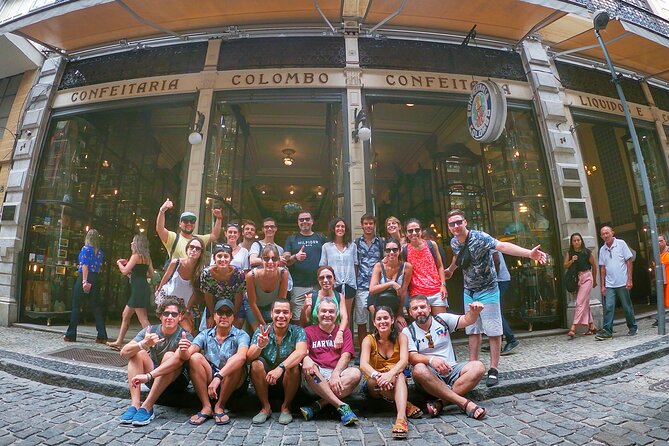
One of your first indoor stops is Biblioteca Nacional (National Library), with about 25 minutes on-site. You’re not guessing how long you’ll be inside, which is great on a walking tour—no one wants to play the clock game.
Admission is included here, so you can focus on the visit instead of juggling your wallet. The payoff of a place like Biblioteca Nacional on a historical walk is that it’s not just another building. It’s a chance to connect Brazil’s intellectual life to the bigger political and cultural story your guide is building as you go.
What you can do to get the most out of this stop:
- Come with one question ready (for example, how national institutions changed over time)
- Use the time to orient yourself—Rio’s history can feel scattered unless you have a guide stitching it together
Potential drawback: it’s a relatively short stop. If you love slow museum browsing, this may feel like a brief taste rather than a deep visit.
Museu Nacional de Belas Artes and the WWII Memorial Area
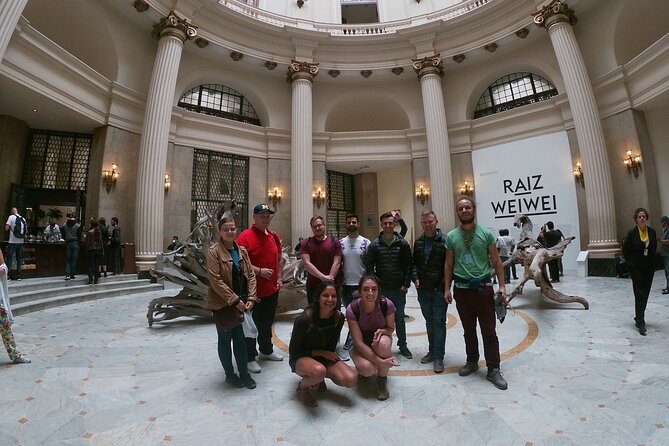
Next up is Museu Nacional de Belas Artes, tied to a National Monument area connected to the Second World War. You’ll spend about 15 minutes, and admission is included.
This is a classic walking-tour rhythm: short, focused, and designed to keep you moving while your guide adds context. In a place like this, the value isn’t only the objects or the names on plaques—it’s how the guide helps you read what you’re seeing as part of Brazil’s modern timeline.
Because you’re only there briefly, the best strategy is to treat it like a checkpoint. Let your guide explain the connection between art, national identity, and historical turning points. Then use your remaining time to look closely enough to remember a couple specific details when you’re back outside.
If you’re a history buff, this is the kind of stop that makes the tour feel worth it—even compared with a longer sightseeing day. You’re getting focused context without losing half the day to logistics.
Avenida Rio Branco: The City’s Big-Corridor Walk
You’ll then walk along Avenida Rio Branco for about 20 minutes. This isn’t a random stroll. It’s a way to see how Rio’s central spaces line up and how major areas relate to each other.
Walking this stretch matters because it helps you connect what you saw indoors to what you’ll see outdoors. In other words: the city stops becoming a list of stops and starts becoming a system.
Avenida Rio Branco also tends to be the kind of corridor where you can spot architectural variety quickly. Even if you’re not an architecture specialist, it’s an easy way to notice how the city communicates power, culture, and change through streetscapes.
The main consideration here is comfort. If the weather is intense, you’ll feel it on an open, walking-heavy route. If you’re going in sunny conditions, plan water and a hat. Even experienced walkers notice the difference between cool and hot weather on this kind of itinerary.
You can also read our reviews of more historical tours in Rio de Janeiro






Escadaria Selarón: The Photo Moment With Real Atmosphere
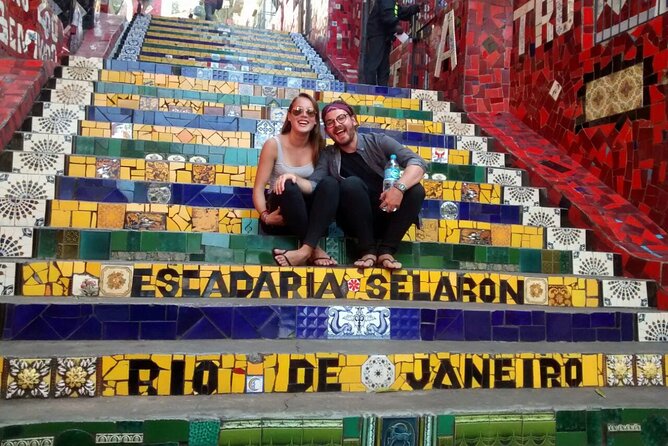
Then comes the highlight most people plan around: Escadaria Selarón. This stop is listed as an external visit, and it’s famous for a reason—you’ll likely have plenty of opportunities for photos.
Why it works inside a historical downtown and Lapa walk: it’s not just a colorful landmark. Your guide can connect it to the neighborhood feel and to the way Rio’s public spaces carry stories.
Practical tip: at popular photo stops, the crowd can shift quickly. If you want cleaner shots, aim to take pictures in short bursts rather than spending long stretches in one spot. Also, remember you’re still on a timed tour—don’t let the camera trap you so long that the rest of the walk gets stressful.
Praça da República and the Republic-Themed Stop
The route includes a stop labeled the Republic. In practical terms, this is where the tour leans even harder into political context and how public identity gets shaped in Centro.
If you like “why this place matters” explanations, this is where the guide’s commentary can click. The earlier museum and library stops give you references; the Republic stop helps you translate those references into Brazil’s civic evolution.
Because this is part of a moving walking route, you’ll want to stay attentive rather than getting lost in side streets. If you’re the type who enjoys asking follow-ups, this is also a good moment to ask about how the guide’s main theme connects to what you just saw.
Feira da Praça XV: Street-Life Stop Without Admission
Your last listed major stop is Feira da Praca XV, about 15 minutes, and it’s external with admission not included.
This is where the tour shifts from institutions to the everyday city feel. Even when you’re not there for shopping, a market area helps you understand how people actually live around the historical sites—what’s public, what’s traded, and what’s happening right now.
If your day matches market hours, you may get extra atmosphere. The good news is you don’t need a ticket. You can simply enjoy the street energy, take a few photos, and keep your eyes open for what your guide calls out.
One small caution: markets can make you want to linger. Stay aware of your time so you don’t overrun your spot in the group and miss the final walking section.
Value: Why the Price Can Make Sense for a Short Day
The tour is listed at $40 per person for about 3 hours. That price feels reasonable if you plan your day well, because admission is included at Biblioteca Nacional and Museu Nacional de Belas Artes.
If you tried to piece those stops together on your own, you’d still spend time navigating the area, figuring out entry details, and paying for tickets while also searching for someone to connect it all with context. Here, you’re basically paying for a compact “story + access” package.
Also, small groups help. With a maximum of 20 people, it’s easier to keep track of the guide and stay close enough to hear explanations.
If you’re on a tight budget, you should still check how pricing is presented at booking time. Some walking-tour formats are tip-based in practice, even when a booking price appears. Either way, the key value signal is the admission inclusion and the way the guide connects the stops instead of treating them like separate checkboxes.
Pace, Comfort, and What to Bring
This is a walking tour. Even when it’s only about three hours, you’ll still be on your feet. One practical detail: an average pace around three miles has been described for this kind of route, so you should dress for walking.
Bring:
- Water (food/drinks aren’t included)
- Comfortable shoes with grip
- Sun protection if it’s bright out
- A question or two for your guide (this is the kind of tour where questions are welcome)
Weather note: if it’s hot and sunny, you’ll feel it more than on a shady day. Plan shade breaks when you can, and don’t wait until you’re tired to slow down—your guide’s pace is part of the experience.
Getting More From Your Guide: Rafael and Juliana Styles
The experience often depends on the guide’s energy. In past runs, guides like Rafael have been described as friendly, welcoming, and full of historical insight. Another guide name that comes up is Juliana, noted for being high energy and for speaking in English and Portuguese.
Here’s how to use that to your advantage:
- Ask about political history when your guide offers the chance. It turns random sights into a storyline.
- Watch for “what to do next” suggestions at the end. That’s where a good guide saves you time later.
- If you’re traveling with parents or you want the tour to feel like a guided classroom (but outside), this format tends to fit that mood well.
A bonus: guides in this style also help with practical confidence. Being guided through central Rio with a clear plan makes you feel more grounded.
So, Should You Book This Rio Historical Downtown and Lapa Walk?
I’d book this if you want a short, effective introduction to Rio beyond the postcard headlines. It’s ideal for history-minded visitors who like context and appreciate a guide who answers questions, not just recites facts.
It’s also a strong choice if you’re trying to do a lot in limited time. You’ll cover Centro landmarks, reach Lapa, see the Escadaria Selarón photo stop, and end in a location that makes it easy to continue your day.
Skip (or think twice) if:
- You hate walking or you’re not comfortable outdoors for a good chunk of the day
- You want food included or a meal-focused schedule
- You’re expecting a slow, museum-deep experience rather than a timed, guided overview
FAQ
How long is the Historical Downtown and Lapa Walking Tour?
It’s about 3 hours long.
Where does the tour start and end?
The tour starts at Praça Floriano, 1 – Centro, Rio de Janeiro, and ends at Praça Quinze de Novembro – Centro, Rio de Janeiro.
Is admission included for the stops?
Admission is included for Biblioteca Nacional and Museu Nacional de Belas Artes. Feira da Praça XV has admission not included.
What is the group size?
The tour has a maximum of 20 travelers.
Do I need hotel pickup?
Hotel pickup and drop-off are not included unless you selected an option for it. The tour uses a set meeting point.
Will the guide speak English?
The tour may be operated by a multilingual guide, so English may be available depending on the schedule.
Is this tour okay for children?
Children must be accompanied by an adult.
Are food and drinks included?
No. Food and drinks are not included, so plan water and a snack if you need one.
Can I get a refund if I cancel?
Free cancellation is available up to 24 hours in advance for a full refund. Refunds are not issued if you miss the tour due to late or non-arrival of a cruise ship.