REVIEW · RIO DE JANEIRO
Rio de Janeiro: Hiking and Rappelling at Tijuca Forest
Book on GetYourGuide →Operated by Nattrip Ecotourism and Adventure · Bookable on GetYourGuide
One walk turns into a whole rainforest day. This Tijuca National Park adventure mixes guided hiking through the Atlantic Forest with a rappel at Bico do Papagaio, plus a waterfall stop that feels very Rio and very wild. The route is long enough to earn your views, but the guidance keeps it focused and safe.
I love how the day builds in layers: you get context first (park museum/visitor area), then the hike gets steeper, and the finale is the technical, gear-supported descent from the mountain summit. One drawback to weigh is the physical grind: it’s not a casual stroll, and you’ll want solid footing and stamina for uphill climbing and rocky sections.
In This Review
- Key highlights you’ll actually feel
- Tijuca Forest and Bico do Papagaio: why this hike feels special
- Starting point at Praça Afonso Viseu: start early in your head
- Getting oriented: visitor center and the park museum
- Cachoeira das Almas: the stop that turns effort into reward
- The hike to Bico do Papagaio: expect uphill, rocks, and a changing trail
- Views from the summit: what you’re really climbing for
- Rappelling at the summit: safety, gear, and the moment of fun
- Who this is best for (and who should skip it)
- Price and value: is $59 a fair deal?
- What to bring (so the day doesn’t get annoying)
- The guide factor: why good leadership makes it better
- Should you book this Tijuca Forest hike and rappel?
- FAQ
- How long is the Rio de Janeiro Hiking and Rappelling at Tijuca Forest tour?
- Where does the tour start?
- Does the tour include hotel pickup?
- What languages are the guides?
- What activities are included during the day?
- What should I bring?
- Is rappel included, and do I get equipment?
- What is the cancellation policy?
Key highlights you’ll actually feel
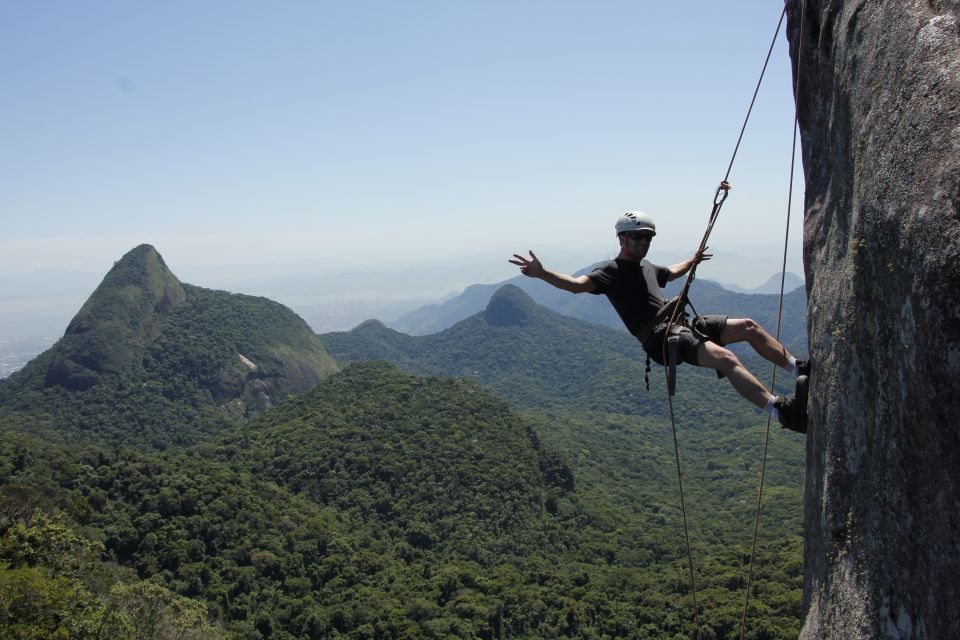
- Rappel at Bico do Papagaio summit: the fun part comes at the end, with certified equipment and a professional guide.
- Second-highest peak in the Tijuca Forest: you trade city noise for big elevation and serious viewpoints.
- Cachoeira das Almas natural shower: a refreshing break that doubles as a memorable photo stop.
- UNESCO Tijuca Forest setting: you’re moving through one of the world’s largest urban forests, in the Mata Atlântica ecosystem.
- Museum + visitor center stop: you learn what you’re seeing before you sweat through it.
- Private or small groups: more breathing room and easier pacing on a steep day.
Tijuca Forest and Bico do Papagaio: why this hike feels special
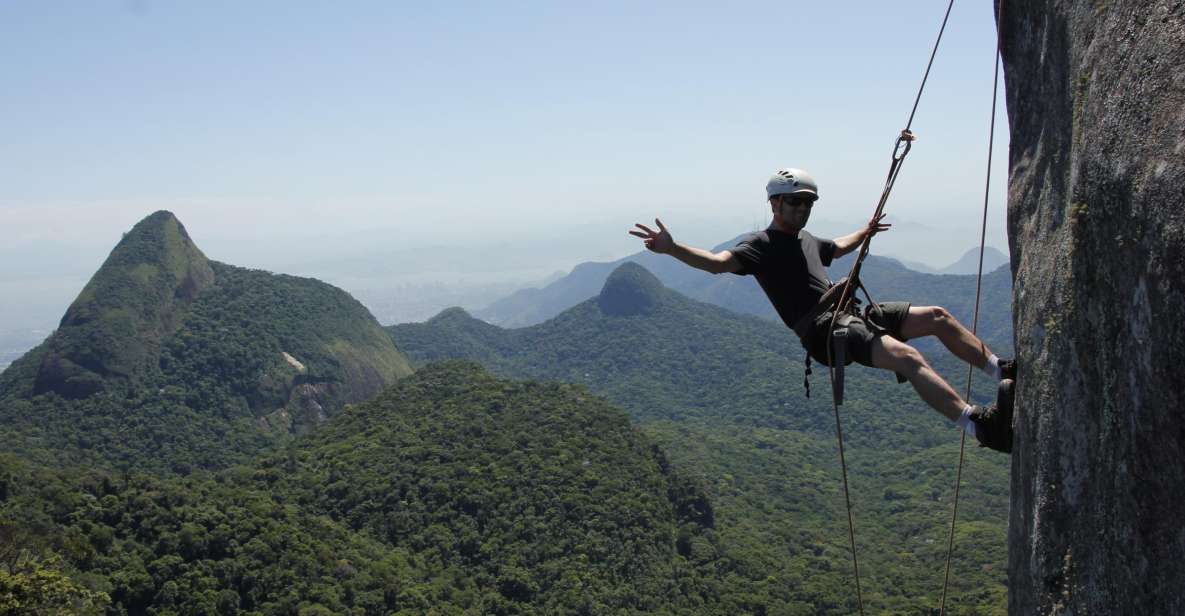
Tijuca Forest is one of those Rio places that surprises you. You’re in a huge city, yet the trail moves into cooler, greener Atlantic Forest (Mata Atlântica) where the ecosystem and history matter. This tour is built around that shift—starting at the park entrance and gradually turning into a real outdoors day.
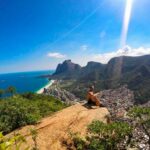
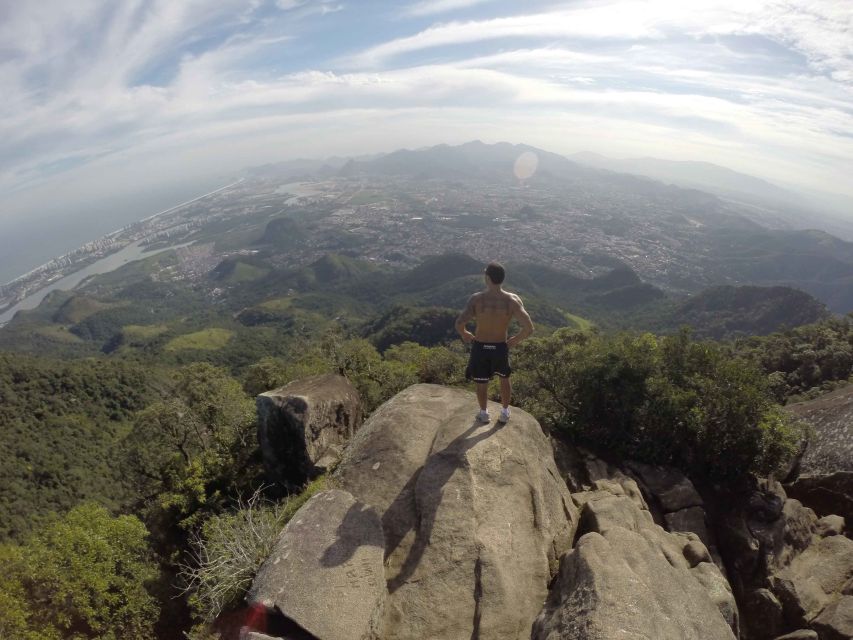
Bico do Papagaio is the star, and not just because it sounds fun. It’s the second-highest mountain in Tijuca National Park, so the payoff is altitude plus panoramic payoff. From the summit area, you can see major peaks and landmarks in the broader park region—Pico da Tijuca, Pedra do Conde, Cocanha, Pedra Bonita, and Pedra da Gávea—plus Sumaré and a portion of Corcovado and Cristo Redentor.
You can also read our reviews of more hiking tours in Rio De Janeiro


Starting point at Praça Afonso Viseu: start early in your head
The day begins at Praça Afonso Viseu, 104 in Alto da Boa Vista. That matters because you’re trading convenience for a more “real park entry” feel—less time fiddling around and more time hiking once you’re in the right zone.
If you’re the type who likes to conserve energy, this is the right mindset: the tour is designed around an 8-hour full-day plan, and it includes multiple stops before the technical part. I’d also set expectations that the first chunk of the day is not just walking into the jungle; you’ll be entering park areas and getting briefed.
Getting oriented: visitor center and the park museum
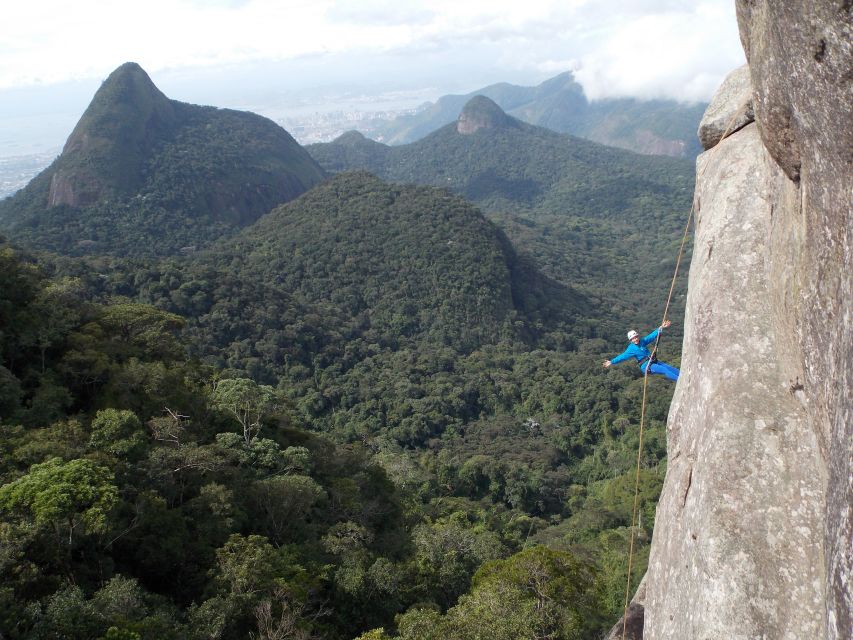
Before you chase the steep stuff, you’ll visit the Tijuca National Park visitor area and museum. This is one of the tour’s smarter choices. When you understand what the forest is (and why it’s protected), the hike becomes more than exercise—it becomes a living lesson.
This tour also includes time at the park areas that lead into the route to Bico do Papagaio. You’re not just moving point-to-point; you’re learning how the park works and what to pay attention to on the trail. It’s especially helpful if you’re not a specialist in forest ecology.
Cachoeira das Almas: the stop that turns effort into reward
Around the middle of the route, you’ll reach Cachoeira das Almas, where the plan includes a natural shower. This part is simple and effective: you hike, you sweat, and then the waterfall gives you a clean reset.
It also changes the mood. After uphill stretches and forest walking, water at the right moment feels like a reward that’s practical, not just scenic. One of the best ways to enjoy this stop is to think about timing—take a minute, rinse off what you can, and then get moving again rather than letting the rest of the group cool down too long.
The hike to Bico do Papagaio: expect uphill, rocks, and a changing trail
The guided trek starts through several trails inside Tijuca National Park, moving through the Mata Atlântica forest toward Bico do Papagaio. The route goes as far as the base of the mountain, and that’s where the day starts feeling more rugged.
From the base onward, expect a more serious climb—steep, tougher, and with more rugged obstacles. The best advice here is boring on purpose: plan for a steady pace, keep your breathing controlled, and take the guide’s cues. Guides on this type of route often manage the group’s rhythm for safety, and it usually makes a difference in how much you enjoy the climb rather than just survive it.
One more useful tip: ask your guide about extra trail options if your legs feel good. There’s mention of an indigenous trail as an additional challenge, which can make the experience feel even more intense and rewarding if you’re up for it.






Views from the summit: what you’re really climbing for
You don’t rappel and then instantly forget the effort. The summit is a viewpoint platform for the broader park region. You’ll be able to look out across key mountains inside Tijuca National Park such as Pico da Tijuca, Pedra do Conde, Cocanha, Pedra Bonita, and Pedra da Gávea.
You can also catch Sumaré and glimpses of Corcovado and Cristo Redentor (not the full classic city postcard view, but portions). This matters because it turns Bico do Papagaio into more than an adrenaline moment. You’re not just dropping down for fun—you’re earning a high vantage that ties the whole Tijuca landscape together.
Rappelling at the summit: safety, gear, and the moment of fun
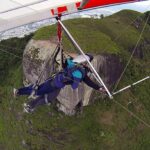
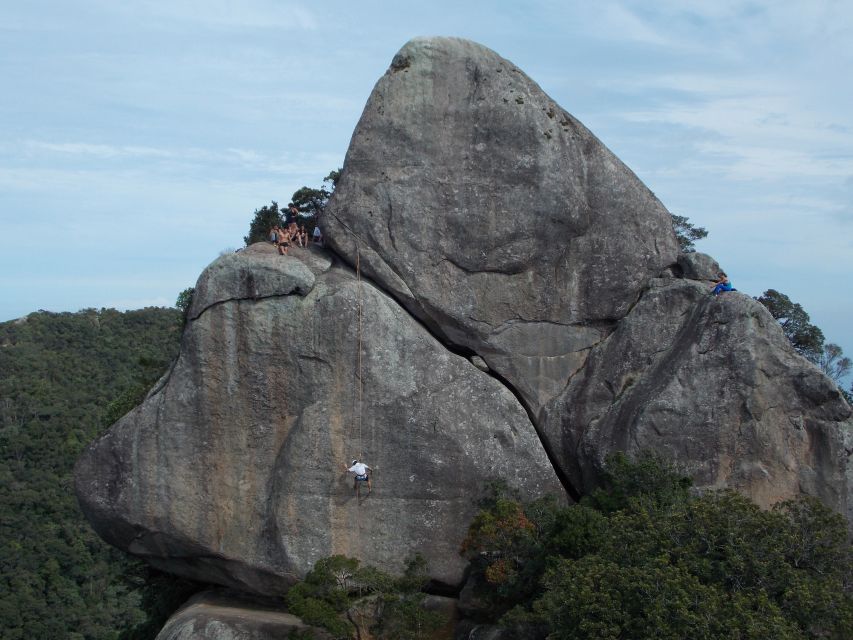
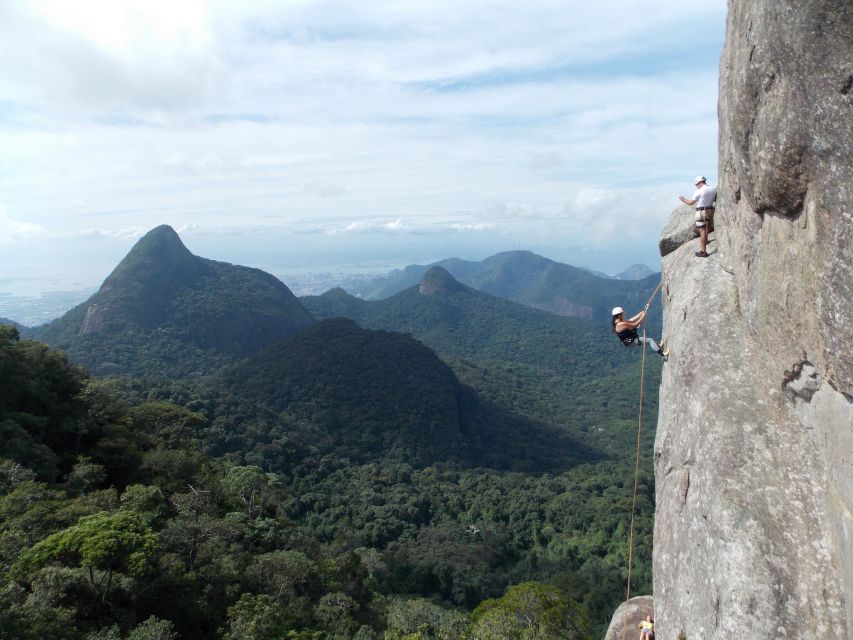
The rappel (abseiling) happens at the summit of Bico do Papagaio. That’s a big deal. The height and exposure make this the signature activity, and it’s also where preparation matters most.
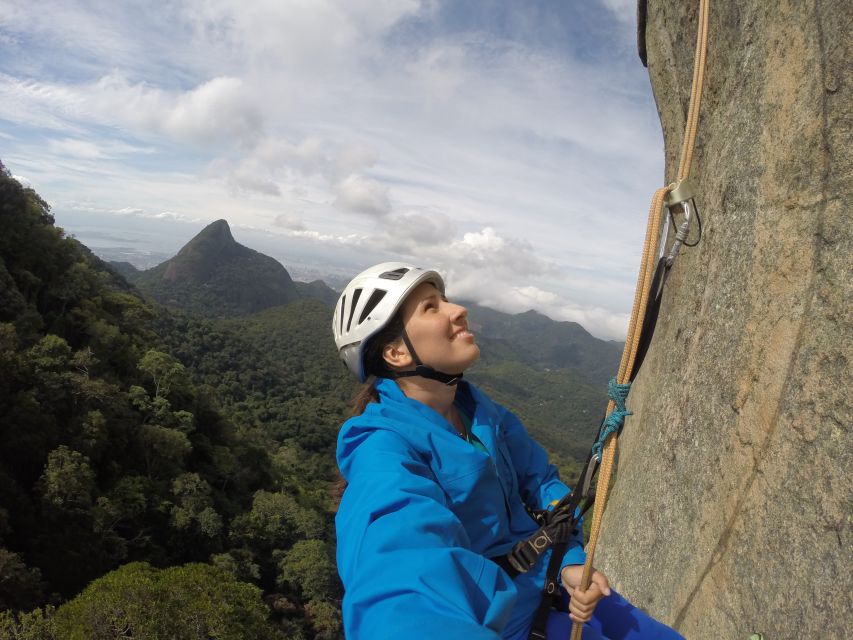
Good news: you’ll have certified climbing equipment for local use, and you’ll rappel under the supervision of a professional bilingual guide. That combination is what turns this from risky “try it yourself” behavior into a controlled activity. If it’s your first time, don’t fake confidence. Listen, ask questions, and follow instructions step-by-step.
What to expect during the rappel itself is fairly straightforward in spirit: you’ll be secured, guided, and taught how to control your descent. The experience is often the favorite part of the day because it mixes fear with relief in the best way—like you’re finally doing the thing you came for.
Who this is best for (and who should skip it)
This tour fits best if you want a day outdoors with real physical effort and a hands-on technical highlight. It’s also a smart pick if you enjoy guides who connect forest walking with local context. In particular, I’ve heard from people who went that the guiding approach can be both informative and attentive—checking how everyone is feeling and explaining the forest and Rio culture in a way that makes the landscape feel understandable.
That said, the tour is not for everyone:
- Not recommended for people with heart complaints or other serious medical conditions.
- Not suitable for pregnant women, people with back problems, anyone with mobility impairments, or wheelchair users.
- You’ll need good grip footwear and the ability to handle steep climbs.
If you’re in good-to-decent shape and you’re comfortable walking for hours with uphill sections, you’ll likely enjoy it a lot more. If you’re hoping for mostly flat scenic walking, this isn’t that.
Price and value: is $59 a fair deal?
At $59 per person for an 8-hour guided day with park activities, a museum visit, waterfall shower stop, and a summit rappel with certified gear, this is decent value. You’re not just paying for movement—you’re paying for access, instruction, and safety management.
Also, the guide component matters. A well-run hike with a technical rappel is mostly about execution: pacing, route choices, and getting people set up correctly for the rope work. Included items like personal accident insurance and the guide’s bilingual support reduce the “unknowns” you’d otherwise feel if you tried to cobble this together on your own.
What to bring (so the day doesn’t get annoying)
Plan like it’s a full hiking day, not a quick outing. Here’s what you should bring:
- Water: the plan recommends about 3 liters (you’ll thank yourself on the uphill).
- A daypack
- A light snack and sunscreen
- Comfortable shoes with good grip
Skip what they don’t allow: sandals or flip-flops, and don’t plan on bringing pets or large luggage. You’ll also want to avoid alcohol and drugs before or during the activity. The day is built around safe movement and a controlled environment.
The guide factor: why good leadership makes it better
This kind of tour lives or dies by the guide. When a guide explains the forest clearly and also pays attention to how people are doing physically, the hike feels like a team effort rather than a test.
One guide name that comes up is GG, described as helpful and informative—especially for first-timers. The best sign of a solid guide here is simple: they don’t just recite facts, they adjust to the group’s pace and keep everyone comfortable through the steep sections.
Should you book this Tijuca Forest hike and rappel?
Book it if you want an authentic Tijuca National Park day that’s more than a view stop. You’ll get guided forest hiking, a meaningful park context through the museum/visitor area, a refreshing Cachoeira das Almas shower, and the standout Bico do Papagaio rappel with certified equipment.
Skip it if you have heart or mobility concerns, serious back issues, or you’re looking for an easy stroll. This is an active day with steep climbing and a technical finale. If you’re up for that mix, this is a memorable way to experience Rio’s famous forest in a hands-on, adrenaline-ready format.
FAQ
How long is the Rio de Janeiro Hiking and Rappelling at Tijuca Forest tour?
The tour lasts about 8 hours.
Where does the tour start?
The meeting point is Praça Afonso Viseu, 104 – Alto da Boa Vista, Rio de Janeiro – RJ, 20531-580, Brasil.
Does the tour include hotel pickup?
Hotel pickup is optional if your hotel is located in the tourist zone of Rio de Janeiro and is in the supported hotels.
What languages are the guides?
The live guide speaks Spanish, English, and Portuguese.
What activities are included during the day?
You’ll hike several trails in Tijuca National Park to reach Bico do Papagaio, visit the Tijuca National Park Museum, stop at Cachoeira das Almas for a natural shower, and rappel at Bico do Papagaio.
What should I bring?
Bring water and a daypack. The tour also recommends a light snack and sunscreen, and suggests about 3 liters of water.
Is rappel included, and do I get equipment?
Yes. The tour includes rappel at the summit of Bico do Papagaio, and it provides certified climbing equipment for local use.
What is the cancellation policy?
You can cancel up to 24 hours in advance for a full refund.