REVIEW · RIO DE JANEIRO
African Heritage: Gastronomy and Musicality Experience
Book on Viator →Operated by Traveller XP · Bookable on Viator
Brazil changes when you meet its stories. This 5-hour private Rio walk connects African heritage landmarks with Afro-Brazilian and Yoruba food plus a percussion workshop with an instructor and drummer from the African continent. Along the way, you’ll see how music, daily life, and memory shape Rio far beyond the usual postcards.
I like two things most: you get real context at several historic stops, and the day ends by turning culture into something you can actually taste and make. One consideration: the gastronomy portion is not suitable if you have food restrictions, so plan your choices before you go.
In This Review
- Key Things That Make This Tour Worth Your Time
- Price and What You Actually Get for $110
- From Museu do Amanhã to MAR: The Morrinho Project Reframes Favela Life
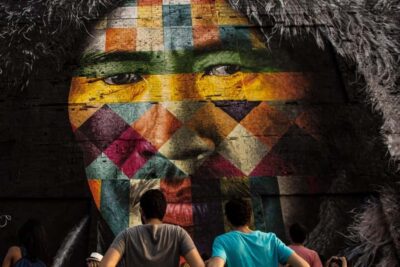
- Eduardo Kobra’s Graffiti: Ancestral Culture Painted at Street Scale
- IPN and Pretos Novos: Why the Bones Matter
- Cais do Valongo and Little Africa: A Place That Changes Your Sense of Scale
- Pedra do Sal: Yoruba-Inspired Food, Afro-Brazilian Tastes, and Percussion You Make
- The percussion workshop: music as a practice, not a performance
- Quilombo Pedra do Sal and the Weekly Samba Scene
- Largo de São Francisco da Prainha at Sunset: Where Rio’s Sounds Spill Into the Square
- Guides, Storytelling Style, and Why People Love This Format
- Who This Tour Suits Best
- Practical Tips Before You Go
- Should You Book It?
- FAQ
- How long is the African Heritage: Gastronomy and Musicality Experience?
- What time does the tour start, and where do you meet?
- Is the tour private?
- What is included in the price?
- Are museum or historical site admissions included?
- What if the weather is bad?
Key Things That Make This Tour Worth Your Time
- Morrinho Project at MAR: a detailed favela miniature that pushes past stereotypes
- Eduardo Kobra mural stop: street art used to point at ancestry and older cultures tied to Brazil
- IPN (Pretos Novos) site visit: the archaeological significance of Africans’ remains and what that means for understanding slavery in Brazil
- Cais do Valongo and Little Africa area: a key human-history location linked to forced migration and Afro-Brazilian traditions
- Pedra do Sal food + music: Afro-Brazilian and Yoruba tasting followed by hands-on percussion with an African instructor
- Sunset energy at Largo de São Francisco da Prainha: samba, funk, jazz, and chorinho in a public square setting with local snacks nearby
Price and What You Actually Get for $110
At $110 per person for about five hours, this tour feels fair because it’s not just sightseeing. The price covers a private group experience, an included Afro-Brazilian gastronomy tasting, and IPN admission for the Pretos Novos stop. Other major stops listed along the route have free admission tickets, so you’re not constantly paying extra to get into places.
Also, there’s a practical value here: you’re packing in multiple parts of Rio’s Afro-Brazilian story—memory sites, cultural neighborhoods, and living music—without you needing to stitch together plans on your own. The tour is often booked about two months ahead on average, which is a clue that people treat it as a priority, not a casual add-on.
One small reality check: drinks are not included. If you like beer or soft drinks with your evening vibes, bring cash/card for that, or just plan to stick to snacks.
You can also read our reviews of more historical tours in Rio de Janeiro
From Museu do Amanhã to MAR: The Morrinho Project Reframes Favela Life
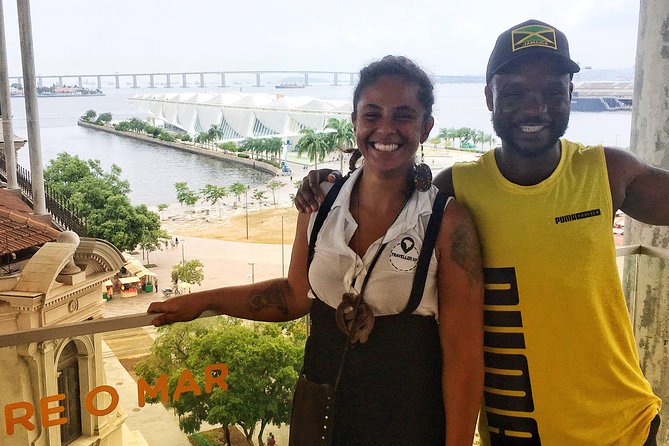
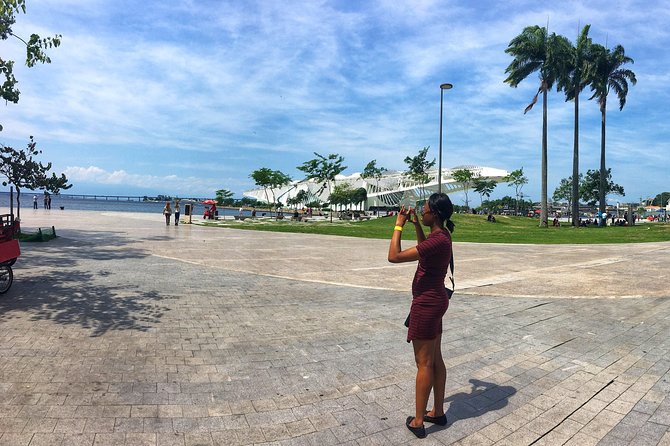
You start in the Centro area, near Praça Mauá by the Museu do Amanhã zone. From there, you head to the Museu de Arte do Rio (MAR), where the Morrinho Project sits permanently on display. This is not a quick photo stop. It’s a detailed installation based on the Pereira da Silva favela, reproducing streets, inhabitants, and daily routines in miniature form.
What I like about this stop is the angle. Instead of using the favela as a headline—crime, fear, or disaster—you’re shown how community life actually works. The focus is on creativity, resilience, and social richness. That matters because Rio’s favelas get flattened in outsider stories. Morrinho gives you a structured way to see people as people first, and only then as a place.
It’s also a good “tone setter” for the day. You’re about to visit sites that connect to slavery, forced migration, and resistance. Morrinho prepares you to think about community survival as something cultural, not just historical.
Time tip: expect around 25 minutes here. It’s enough time to understand the scale and details without feeling rushed.
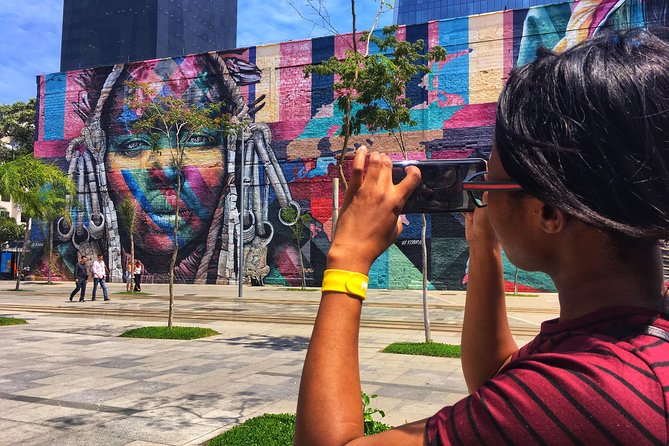
Eduardo Kobra’s Graffiti: Ancestral Culture Painted at Street Scale
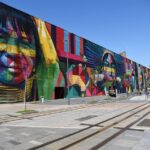
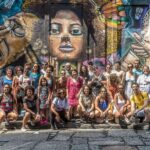
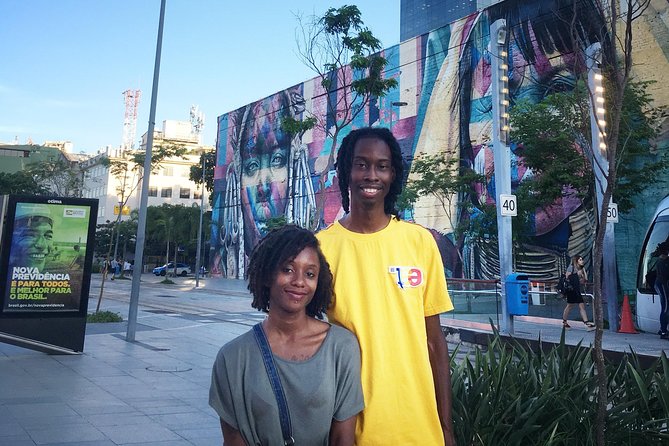
Next comes a contemplation stop centered on Eduardo Kobra, known for large-format murals. The point here isn’t street art as decoration. It’s street art as memory—especially the way ancestral ethnic groups and very old cultures connect to Brazil’s longer history.
Kobra’s work often uses bold faces, repeating symbols, and large compositions that force your attention from a distance. Here, your guide’s framing helps you read the mural as a visual argument: Brazil’s identity didn’t appear from nowhere. It’s layered, inherited, and visible if you know what to notice.
This is also one of the easiest stops to enjoy even if your legs are tired. You can take in the art, ask questions, and let the guide connect it to themes you’ll keep seeing across the rest of the day.
IPN and Pretos Novos: Why the Bones Matter
At Instituto de Pesquisa e Memória Pretos Novos (IPN), you visit the archaeological site and the permanent exhibition connected to the bones of Africans discovered there. This is one of the most emotionally direct parts of the tour, and it’s also one of the most important for understanding the slave period in Brazil.
The impact isn’t just academic. It’s personal in the way evidence becomes undeniable. When you see how remains were found and how the story is presented, you’re forced to reckon with how slavery is remembered. It’s not only about what happened long ago—it’s also about what was buried, forgotten, and then recovered.
Time tip: plan for about 40 minutes. If you’re the type who likes to take your time reading placards, give yourself a little grace here.
Cais do Valongo and Little Africa: A Place That Changes Your Sense of Scale
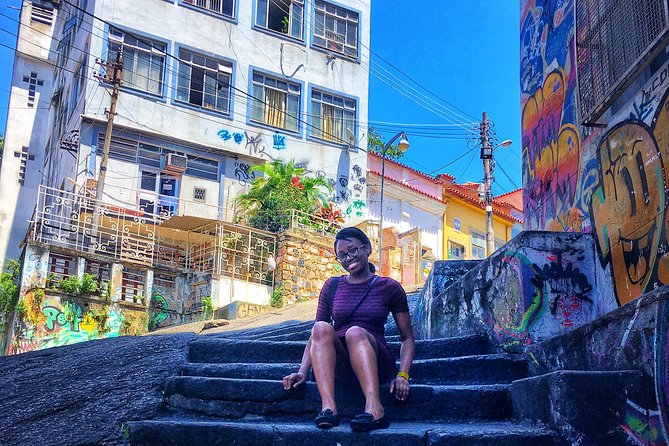
Then you head to Cais do Valongo, the Historical Site of the Pier of Valongo, plus the region known as Little Africa. This is where “Rio’s Afro-Brazilian roots” stops being a slogan and becomes a geographic reality.
This area is tied to the arrival and presence of enslaved Africans and the transformations that followed. And yes, it also connects to traditions and community life that carried forward even under brutal conditions. Your guide helps you connect those threads—history, survival, and cultural practice—so you walk away understanding why this location matters for humanity, not only Brazil.
Time tip: this stop is relatively short (about 15 minutes), so focus on the big takeaway: what happened here, and why the neighborhood’s traditions continue the story.






Pedra do Sal: Yoruba-Inspired Food, Afro-Brazilian Tastes, and Percussion You Make
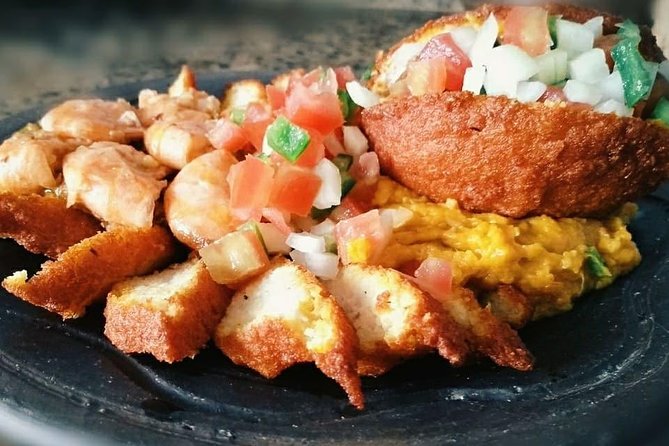
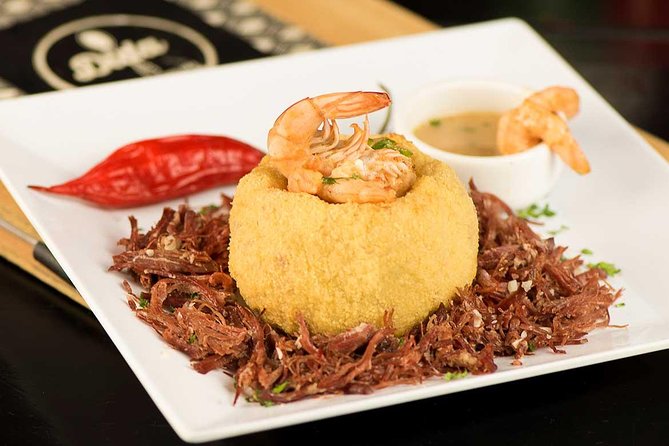
Pedra do Sal is the heart of the experience: gastronomy first, then musicality. You’ll taste typical dishes connected to Afro-Brazilian and Yoruba cuisine—foods that show up in daily practice and are closely tied to religions of African origin.
This isn’t just “try some local food.” The timing matters. You’ve already learned about memory and historical arrival points. Now the tour shows you the living side: flavors that survived, adapted, and became part of everyday culture.
If you like culture that you can experience with your senses, this is the moment. People often walk away saying their mind changed about Brazilian food—because the story behind the food is the point.
The percussion workshop: music as a practice, not a performance
After the tasting, you shift into hands-on sound with a percussion workshop. An instructor and drummer from the African continent leads the session, so you’re not just watching someone else do music. You’re learning how rhythm works as communication and community.
This part gets praise for a reason: it turns education into participation. Even if you don’t consider yourself musical, you’ll still connect to what rhythm does. You feel how the body becomes part of the story, especially when the day’s themes have been about ancestry, resistance, and cultural continuity.
Time tip: this segment runs around three hours. Come ready to sit, stand, and move a bit.
Quilombo Pedra do Sal and the Weekly Samba Scene
Pedra do Sal is also tied to Quilombo Pedra do Sal, a community known for cultural resistance and for preserving Afro-descendant heritage. The tour includes time to meet the remaining community and to understand what makes it important today.
And here’s a practical detail that shapes the vibe: the area is known for weekly outdoor samba sessions. So even though your workshop is the guided highlight, you’re stepping into a place where music isn’t only an event. It’s part of the rhythm of the neighborhood.
If you’re hoping for an experience that feels like a living neighborhood rather than a staged show, this stop is why. The day connects past and present in a way you can actually feel.
Largo de São Francisco da Prainha at Sunset: Where Rio’s Sounds Spill Into the Square
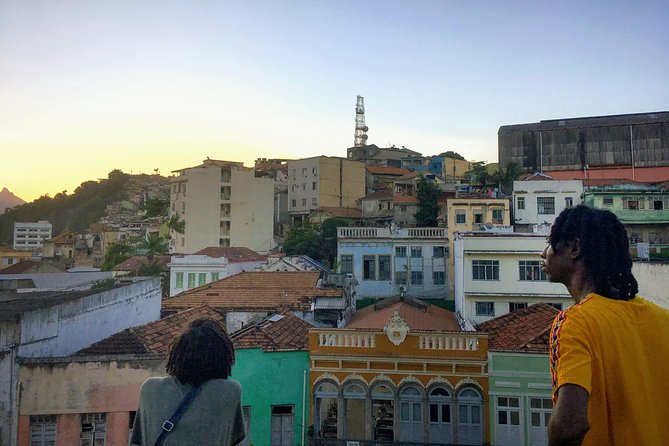
You finish at Largo de São Francisco da Prainha, in the Saúde area. This square is known for a mix of history and music in outdoor public space. When the sun starts dropping behind Morro da Conceição, the soundscape kicks in—samba, funk, jazz, and chorinho.
The best part is the casual setup: outdoor seating, cold beers, and snacks from nearby bars. The square gives you a relaxed end-point where you can decompress while still feeling like you’re in Rio, not just moving through it.
Surrounding buildings include Portuguese architecture, which adds another layer to the atmosphere. You’re not only hearing Afro-Brazilian culture here—you’re seeing how it sits inside a city built from many historical influences.
Time tip: plan for about 15 minutes here. It’s short on paper, but it’s designed to end the day with atmosphere.
Guides, Storytelling Style, and Why People Love This Format
The reviews around this experience point to a clear strength: the guides bring passion and strong context. Names that come up include Isabella and, in one case, Jaíse, and both are described as approachable, engaged, and serious about sharing the full African diasporic perspective in Brazil.
The other thing you’ll likely feel on the day is the pace of explanation. Stops are spaced so the story has room to land. You’re not just handed facts. You’re guided into how to interpret them—how to see Afro-Brazilian culture as something that survived, transformed, and became foundational in Rio’s identity.
One more detail that matters for comfort: the tour is private for your group. That makes it easier to ask questions without feeling like you’re interrupting a big bus tour conversation.
Who This Tour Suits Best
This experience is a great match if you want:
- Afro-Brazilian and Yoruba culture explained in a way you can actually connect to
- Historic context tied to sites like Pretos Novos and Valongo, not just general statements
- Food and music as part of cultural understanding, not as an add-on
- A guide who can explain complex history in plain language
It’s less of a match if:
- You have food restrictions, since the tasting portion is included and the tour is marked as not suitable for dietary restrictions
- You prefer only light, low-emotion activities. The Pretos Novos stop is powerful and may hit you in the gut.
Practical Tips Before You Go
- Wear shoes that can handle walking and standing.
- Bring sunscreen and water. Even on “culture days,” Rio can be warm.
- Don’t plan to get the entire day’s energy from coffee. Eat the included tasting. You’ll need it for the workshop.
- Save room in your brain for connections. By the end, you’ll likely see the same themes—memory, survival, resistance—showing up in different ways.
Should You Book It?
I’d book this if you’re in Rio for the first time and want one day that connects history to living culture. The combination is the value: multiple major memory stops plus a real Afro-Brazilian gastronomy tasting and a hands-on percussion workshop.
If your idea of “a good tour” is only landmarks and views, you might find this too story-heavy. But if you want to understand why Rio sounds the way it does—and where those rhythms and flavors come from—this is one of the strongest ways to spend five hours in the city.
FAQ
How long is the African Heritage: Gastronomy and Musicality Experience?
It lasts about 5 hours.
What time does the tour start, and where do you meet?
The tour starts at 10:00 am. You meet at Museu do Amanhã, Praça Mauá, 1, Centro, Rio de Janeiro.
Is the tour private?
Yes. It’s a private tour/activity, and only your group participates.
What is included in the price?
Afro-Brazilian gastronomy tasting and IPN tickets are included. Drinks are not included.
Are museum or historical site admissions included?
Tickets are listed as free for the Morrinho Project at MAR, the IPN stop, and Cais do Valongo, while the Pedra do Sal segment is listed with admission ticket included. Largo de São Francisco da Prainha is also listed as free.
What if the weather is bad?
The experience requires good weather. If it’s canceled due to poor weather, you’ll be offered a different date or a full refund.