REVIEW · RIO DE JANEIRO
Rio de Janeiro Downtown Tour
Book on GetYourGuide →Operated by CARIOCA TROPICAL TOUR OPERATOR · Bookable on GetYourGuide
Downtown Rio teaches you fast where power lived. This 3-hour Downtown Rio route is built for first-timers: you get stadium landmarks, old government palaces, and church-and-city architecture, all tied together with a small-group minivan plan. I especially like the hotel pickup/drop-off from Copacabana, Ipanema, and Leblon, because it saves you from the awkward part of getting across the city on your own.
I also love the contrast this itinerary hits—starting with the long Avenida sweep, then jumping into standout stops like the cone-shaped Metropolitan Cathedral and the interior of São Bento Monastery. One consideration: this is also a road-heavy route, so if traffic is heavy, you may spend more time moving than walking, and some sights can feel like quick exterior views.
In This Review
- Highlights You’ll Actually Feel On This Tour
- A 3-hour Centro Rio sprint with hotel pickup that matters
- Maracanã Stadium and the Sambadrome: Rio’s sports-meets-Carnival spine
- Avenida Presidente Vargas: from train lines to palace power
- Tiradentes Square to Lapa Arches, Lavradio, and Avenida Chile
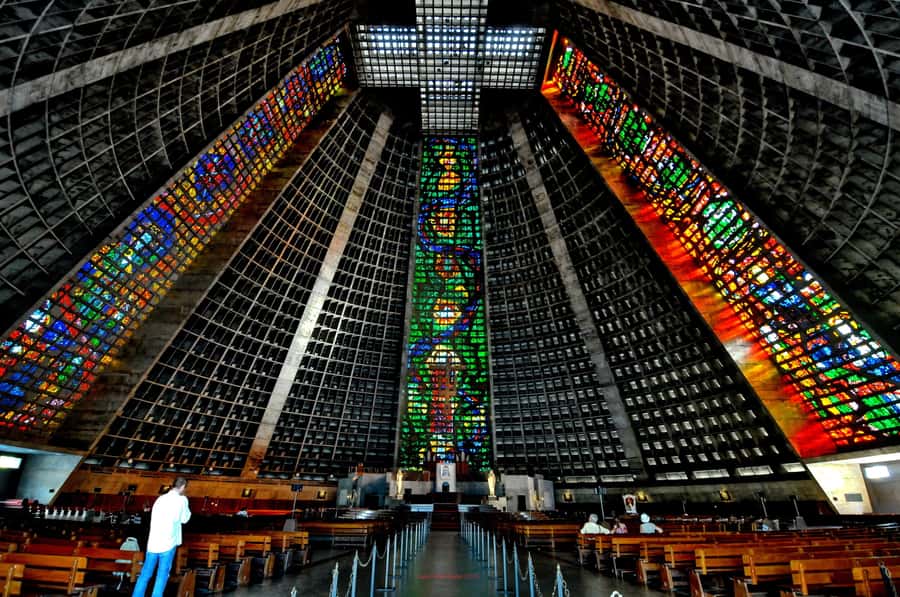
- The cone-shaped Metropolitan Cathedral: modern design with real presence
- Escadaria Selarón in Lapa: the staircase that people talk about for a reason
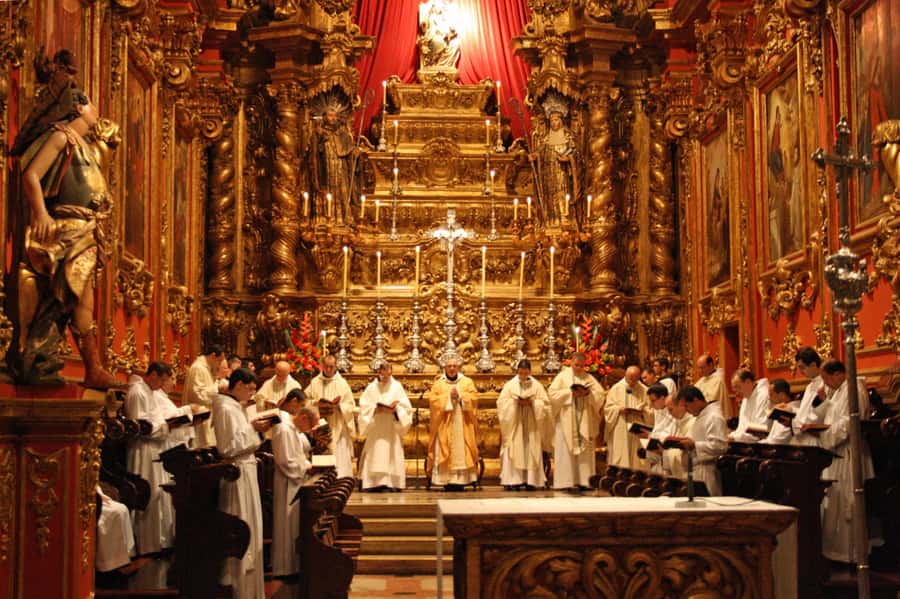
- São Bento Monastery: a plain exterior that hides gilded Baroque/Rococo detail
- Aterro do Flamengo return drive: Modern Art, WWII memorial, and beach views
- Price and logistics: is $74 per person worth it?
- Guides and the small-group difference (English and Spanish)
- Who should book this Rio Downtown tour
- Should you book this Rio de Janeiro Downtown Tour?
- FAQ
- What sights does the tour cover in Downtown Rio?
- How long is the Rio de Janeiro Downtown Tour?
- What time does the pickup happen?
- Where do I meet if my hotel is outside the pickup area?
- What languages are the tour guides available in?
- Is hotel pickup and drop-off included?
- Is the tour a small-group experience?
- Is there free cancellation?
- What’s included in the price?
Highlights You’ll Actually Feel On This Tour
- Pick-up makes it easy from selected hotels in Leblon, Ipanema, and Copacabana (with Hilton Copacabana as the meeting point for others)
- Big Rio icons in one loop: Maracanã (Bellini’s statue) and the Sambadrome
- Architecture, not just postcards: palaces on Avenida Presidente Vargas, plus the cone-shaped Metropolitan Cathedral
- Lapa’s Selarón stairs in the middle of a bohemian neighborhood walk
- São Bento Monastery interior—a plain exterior that opens into gilded Baroque/Rococo detail
- Flamengo return drive with Modern Art and WWII memorial sights, plus views of Flamengo and Botafogo beaches
A 3-hour Centro Rio sprint with hotel pickup that matters
This tour is designed for your limited time in Rio. At 3 hours, it’s short enough to fit into an arrival day or a later afternoon, but it still covers a lot of ground—downtown squares, major avenues, and several “you’ve seen this in photos” stops.
The best practical detail is the hotel pickup between 2:00 pm and 2:30 pm from many hotels in Leblon, Ipanema, and Copacabana. If you’re not in that pickup zone, you’ll meet at Hilton Hotel Copacabana. That’s a real value point: when you’re unfamiliar with the city’s pace, having transport and a professional guide takes friction out of your day.
Also, this is a small-group tour using an air-conditioned minivan, with a live guide in English or Spanish. That combo tends to work well for downtown sightseeing, where you’re often checking lots of buildings and streets in a short window.
You can also read our reviews of more tours and experiences in Rio De Janeiro.



Maracanã Stadium and the Sambadrome: Rio’s sports-meets-Carnival spine
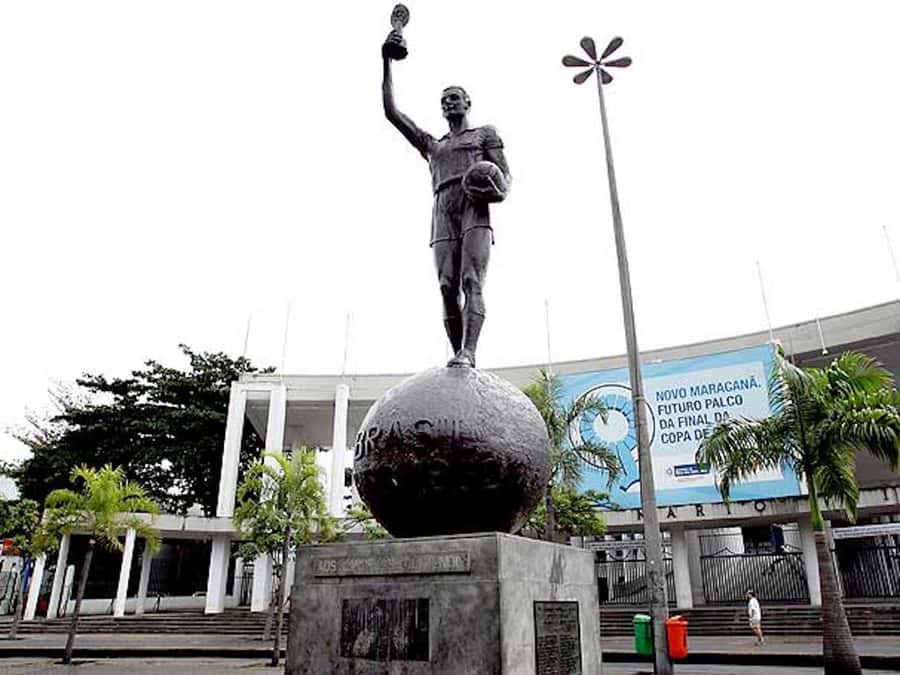
The afternoon starts with a pickup, then you head to Maracanã Stadium, including a view of Bellini’s statue. Even if you aren’t a soccer superfan, Maracanã gives you a sense of how Rio builds drama around its biggest public spaces. It’s one of those places that helps you understand why the city feels like it’s constantly staging something important.
Next is a stop at the Sambadrome, the long parade “stadium” built for Carnival processions. For many visitors, Sambadrome is the first place where Carnival stops being a vague idea and becomes a real, engineered route—designed for crowds, sound, and movement.
Here’s how to get the most from this part: keep your expectations realistic. You’re not touring deep inside sports facilities here. Think of these stops as a visual primer—learning the layout of Rio’s performance spaces before you move into the calmer, older downtown streets.
Avenida Presidente Vargas: from train lines to palace power
After the stadium icons, the tour follows Avenida Presidente Vargas. This is where the itinerary starts acting like a guided city story: a major corridor lined with landmarks that once represented national-scale authority.
You’ll pass the Central Railway Station, which helps you grasp how Rio’s downtown grew around transport and industry. Then you see the Duque de Caxias Palace, described as the former headquarters of the Ministry of the Armed Forces. From the outside, it reads as government architecture—serious, built to communicate control.
You also stop near the Itamaraty Palace, the former headquarters of the Ministry of Foreign Affairs. That contrast—military power versus diplomacy—works surprisingly well on a half-day. You get the idea that downtown wasn’t just “old Rio.” It was the administrative engine room.
The route continues past Campo de Santana, then moves via Avenida Passos toward Tiradentes Square. That sequence is useful because it ties together “big avenue” Rio with “walkable square” Rio—so you don’t feel like you’re only riding past buildings.
Practical tip: if you’re the type who loves details (dates, former purposes, architectural styles), you’ll get more out of this tour than someone who just wants photos. The guide’s pacing matters here.
Tiradentes Square to Lapa Arches, Lavradio, and Avenida Chile
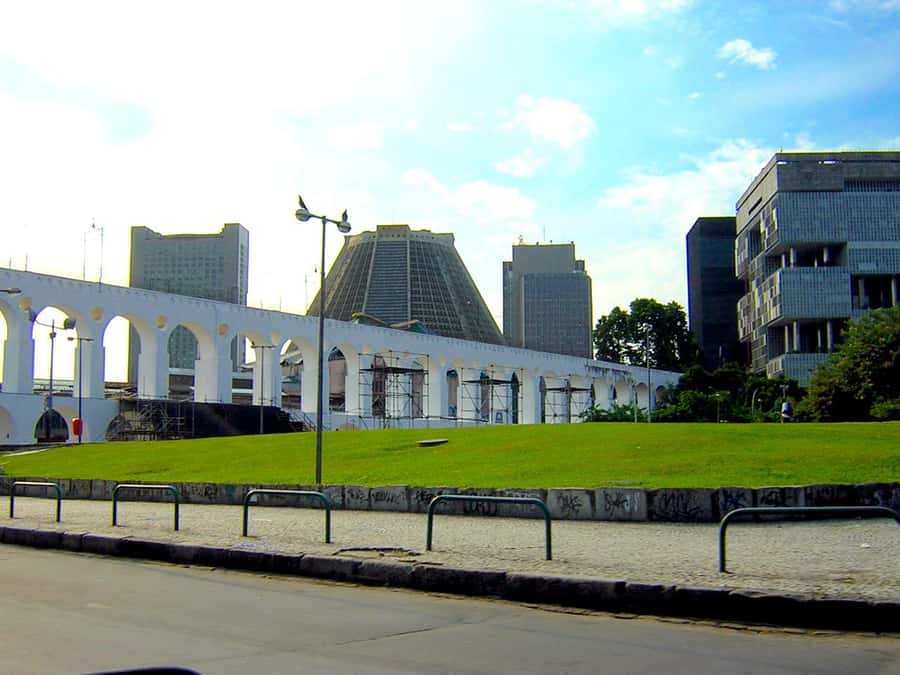
From Tiradentes Square, the tour flows toward Lapa Arches, then along Lavradio street and Avenida Chile. This section is what changes the mood of the day.
Tiradentes Square is a classic downtown anchor—an open public space where you can reset your eyes after a long drive. Lapa Arches adds a different flavor: it feels more like “Rio’s layers,” where older structures and lively street culture sit close together.
Lavradio street and Avenida Chile help you connect downtown with the neighborhood energy that people associate with central Rio after dark. Even during the afternoon, you can start to see why Lapa becomes a magnet for music and gathering.
One caution: since this portion depends on traffic and the route schedule, your walking time may be shorter than you’d hope. If you’re the kind of traveler who needs long stops to soak up streets, plan your expectations accordingly and use your quick time well—look up at façades, note street textures, and let the guide point out what to watch for.
The cone-shaped Metropolitan Cathedral: modern design with real presence
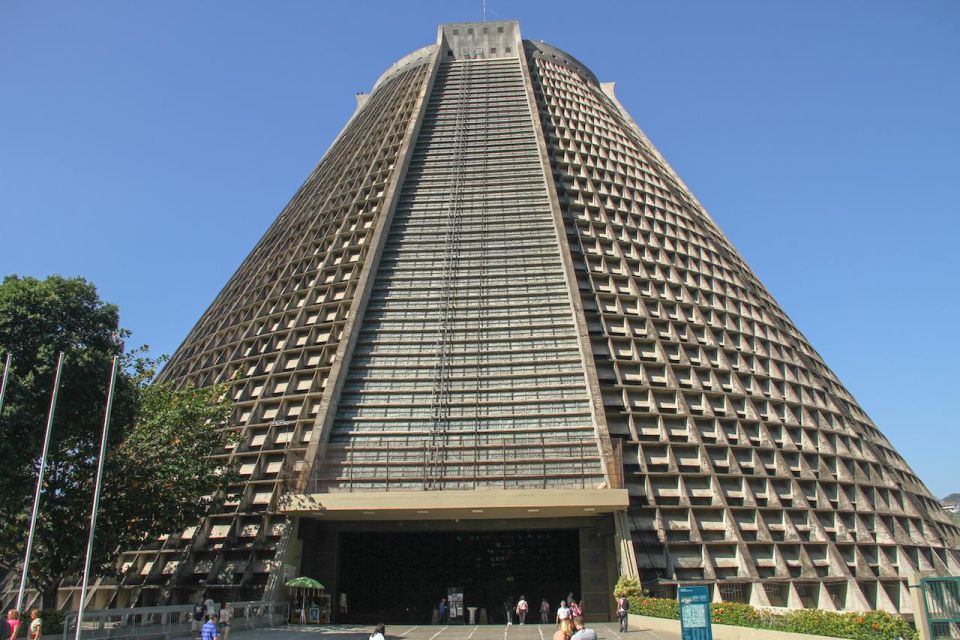
The tour includes a visit to the Metropolitan Cathedral, the cone-shaped landmark. This is one of those stops that helps balance the itinerary: you go from “old power buildings” to a modern architectural statement.
Why it’s valuable isn’t just because it’s a landmark. It’s because it forces you to see downtown Rio as changeable. The Cathedral’s form reads as bold and intentional, and it’s easy to understand why it became part of Rio’s skyline identity.
If you want the best photo results, stand where you can capture the cone shape clearly, but also take a second to look around at the surrounding streets. The cathedral can feel like it’s in its own world; the best effect comes from comparing it to the older blocks nearby.






Escadaria Selarón in Lapa: the staircase that people talk about for a reason
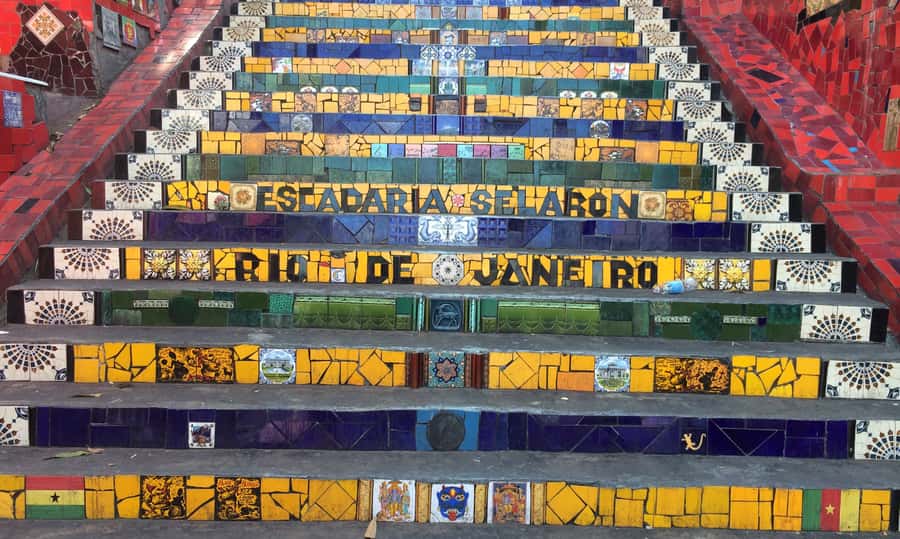
Then it’s into Lapa, the neighborhood side of this downtown story. The highlight here is the Escadaria Selarón, famous for its green, yellow, and blue tile colors—linked to the Brazilian flag.
This isn’t just a colorful photo stop. The staircase is a visible act of personal tribute turned into public art. You’re surrounded by a lot of small details—textures, tilework, and the way the colors repeat and shift as you move up and down.
How to enjoy it: go slowly, especially if you like art-and-street culture. Watch the tile patterns as you climb or pause, and don’t treat it like a checklist. It’s one of those places where your brain starts mapping the neighborhood.
Also, this is where the guide’s sense of timing helps. Since your tour is only 3 hours, you’ll feel the benefit of a guide who can keep the group moving without rushing you past the best parts.
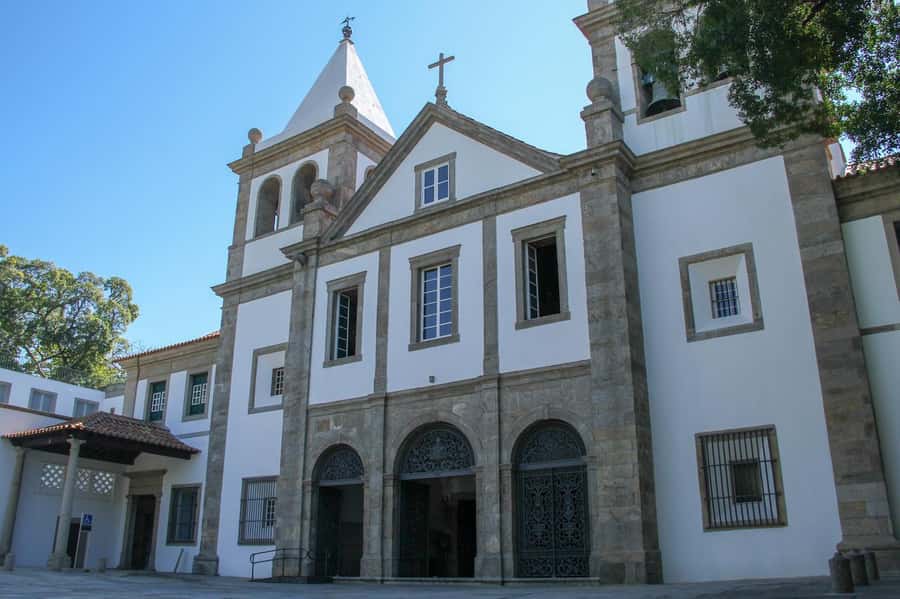
São Bento Monastery: a plain exterior that hides gilded Baroque/Rococo detail
After Lapa, the tour heads to the São Bento Monastery. The building gets compared to a museum, but what matters most is the contrast the itinerary emphasizes.
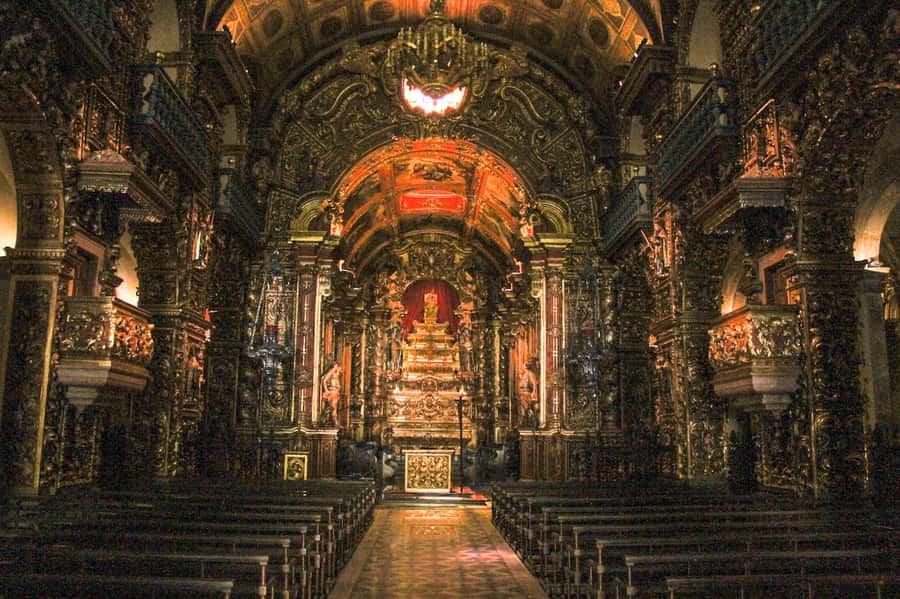
From outside, it’s described as monastic simplicity—purposefully plain and austere. Then inside, it turns into a visual surprise: gilded Baroque engravings with plant motifs, plus Rococo style details on the high altar, cross vaulting, and the chapel of Santíssimo Sacramento.
This kind of stop is why a guided downtown tour can be worth it. Without a guide, you might notice the exterior and move on. With one, you know to look for specific interior elements—the kind of detail that rewards a slower gaze.
One realism note: you’re on a schedule. If you’re someone who could spend an hour in a single church, you might want to follow up on your own later. Still, this is a strong “first taste” stop, especially if it’s your first time seeing this side of Brazilian religious art.
Aterro do Flamengo return drive: Modern Art, WWII memorial, and beach views
On the way back to your hotel, you travel along Aterro do Flamengo, and the tour includes photo and sight points such as the Museum of Modern Art, the Monument to the Fallen in World War II, and the Church of the Outeiro da Glória.
You also get beach views of Flamengo and Botafogo. Even if you don’t have time to linger, this is where the tour reminds you you’re in Rio—water, coastline, and that long dramatic urban edge along the bay.
This return segment also acts like a reality check for the earlier part of the day. If your afternoon felt too “ride and glance” at certain stops, the Aterro route is where you can enjoy the city’s scale. Just expect the pacing to be dependent on traffic and the guide’s ability to keep the group on time.
Price and logistics: is $74 per person worth it?
At $74 per person for a 3-hour small-group tour with a professional guide, hotel pickup/drop-off (selected hotels), and an air-conditioned minivan, the value comes from concentration.
You’re paying for three things at once:
- someone to connect the dots between sites like Maracanã, Sambadrome, palaces, and Lapa
- transport so you don’t spend your energy figuring out routes
- a short schedule that packs many recognizable Rio landmarks into one afternoon
Is it expensive compared to doing parts alone? Yes—because the price includes guided context and the convenience of being picked up where you’re staying.
Does it sometimes feel like a lot of time in the vehicle? That’s the main drawback to watch for. One downside that shows up when traffic is bad: you can end up seeing more from the car window than you’d planned, with brief stops that may not feel enough for your favorite sights.
My advice: book it if you want a guided sampler and you’ll follow up on your own later at the places you love most. Skip it if your dream day in Rio is slow wandering with zero vehicle time.
Guides and the small-group difference (English and Spanish)
This tour runs with a live guide in English or Spanish, and guide quality is a big part of the experience.
From real guide names associated with this operator’s tours, people have praised guides like Meilin, Cabo, Monica, and Mailee for knowledge and for adjusting to what the group cares about. That matters because this itinerary has many stops, and the best outcome depends on whether the guide can keep your interest while still respecting the route timing.
If you speak English or Spanish, this is also a chance to ask simple, practical questions—like what each building used to be used for or what to notice in Lapa and the monastery. The tour format gives you enough time for those moments without turning into a lecture.
Who should book this Rio Downtown tour
This tour is a good fit if you:
- have only a few hours to understand central Rio
- want stadium-and-downtown landmarks in one afternoon
- like guided context for architecture and landmark details
- would rather pay for convenience than wrestle with transport logistics
It’s less ideal if you:
- hate traffic and get cranky when your stop time is short
- prefer long, unstructured walking hours in one neighborhood
- expect full interior tours of everything (the itinerary is designed for quick, coordinated viewing)
Should you book this Rio de Janeiro Downtown Tour?
I’d book it if your priority is getting oriented fast and seeing Rio’s downtown “main characters” without planning each hop. The price makes more sense when you factor in pickup, transport, and a guide who can connect the dots across very different areas—stadiums, government palaces, Lapa art, and São Bento’s interior surprises.
If you’re booking because you want the deepest, slowest experience at just one site, adjust your expectations. This is a many-stops sampler. The smart move is to let this tour show you what you care about, then plan a second visit on a day you’re not on a 3-hour schedule.
FAQ
What sights does the tour cover in Downtown Rio?
The tour includes stops at Maracanã Stadium (with Bellini’s statue), the Sambadrome, Central Railway Station, Duque de Caxias Palace, Itamaraty Palace, Campo de Santana, Tiradentes Square, Lapa Arches, Lavradio street, Avenida Chile, the Metropolitan Cathedral, Escadaria Selarón in Lapa, and the São Bento Monastery. On the return drive it also includes sights along Aterro do Flamengo, such as the Museum of Modern Art, the WWII monument, the Church of the Outeiro da Glória, and views of Flamengo and Botafogo beaches.
How long is the Rio de Janeiro Downtown Tour?
It lasts 3 hours.
What time does the pickup happen?
Pickup is scheduled between 2:00 pm and 2:30 pm from selected hotels in Leblon, Ipanema, or Copacabana.
Where do I meet if my hotel is outside the pickup area?
If your hotel is outside the pickup zone, the meeting point is Hilton Hotel Copacabana.
What languages are the tour guides available in?
The live tour guide speaks Spanish and English.
Is hotel pickup and drop-off included?
Yes. Hotel pick-up and drop-off are included for selected hotels in Leblon, Ipanema, and Copacabana.
Is the tour a small-group experience?
Yes, it’s a small-group tour.
Is there free cancellation?
Yes. You can cancel up to 24 hours in advance for a full refund.
What’s included in the price?
The tour includes a professional guide, hotel pick-up and drop-off (selected hotels), small-group service, and transport by air-conditioned minivan.