REVIEW · RIO DE JANEIRO
Pedra do Sal: Live Samba Night with Local Guide & Drink
Book on GetYourGuide →Operated by RIO AS A LOCAL TURISMO LTDA · Bookable on GetYourGuide
Rio’s samba roots sit right on the street. Pedra do Sal is the birthplace of Carioca samba, and this night-focused outing blends local history with live music and real party energy near the famous rock and staircase. I love that you start with a guide-led community moment, then shift into the sound and movement of the crowd, and I also like that the experience isn’t just watching from the sidelines. One possible drawback: it can get crowded, loud, and close—so if you hate big crowds or feel uncomfortable in tight spaces, you may want to rethink it.
This is one of those Rio nights where context matters. You’ll hear how Little Africa became a meeting point tied to the port, quilombos, and dockers, and you’ll get practical tips on what to eat and drink once the music starts. Past groups often mentioned feeling looked after (staying together and help getting in/out of rides at the end), but it’s still a street-party atmosphere—bring patience and closed-toe shoes.
In This Review
- Key things to know before you go
- Pedra do Sal and Little Africa: the “why” behind the samba night
- How the 150-minute night flows (without feeling rushed)
- Welcome drink and the first wave of local energy
- Live samba, dancing in the crowd, and what you’re really buying
- The samba story you’ll hear: salt, docks, quilombos, and dockers sambistas
- Drinks and street-food tips: how to add value without overpaying
- Safety in a crowded party zone: what “staying together” really means
- Price and value: what $41 buys you in real life
- Who this suits best (and who should skip)
- Practical checklist for your Pedra do Sal samba night
- Should you book Pedra do Sal Live Samba Night with Local Guide & Drink?
- FAQ
- What’s included in the Pedra do Sal live samba night?
- How long is the tour?
- Where do we meet?
- Is food included?
- Is transportation included?
- What language is the guide?
- What should I bring?
- Who is this tour not suitable for?
- What’s the cancellation and booking flexibility?
Key things to know before you go
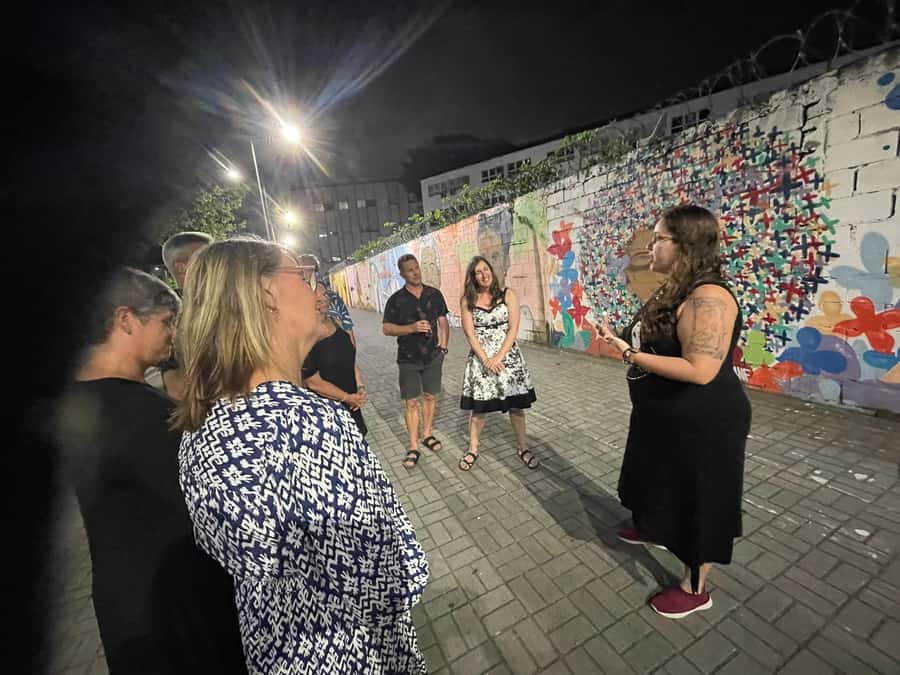
- Pedra do Sal at the “Little Africa” heart of Carioca samba, beside the heritage-listed rock
- One included welcome drink, then you’re free to follow the night with smart add-ons
- English-speaking local guide who connects the history to what you see in real time
- Live samba in the middle of the crowd, not a staged performance for your group
- Big-sound, big-crowd energy, so wear shoes that can handle standing and moving
Pedra do Sal and Little Africa: the “why” behind the samba night
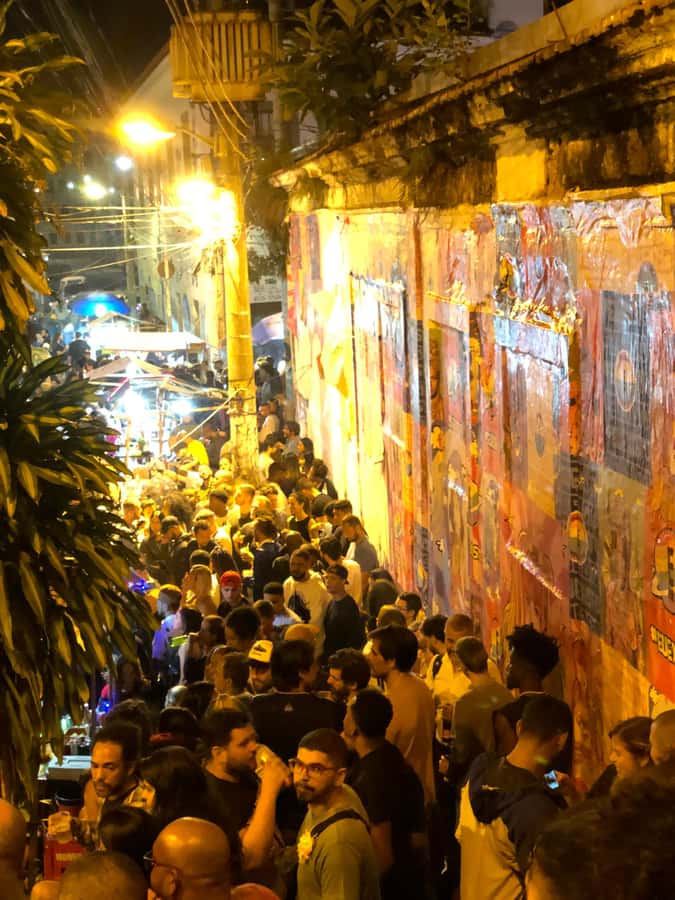
Pedra do Sal is one of the most meaningful places in Rio for anyone who cares about samba as more than a soundtrack. The center of it is the rock called Pedra do Sal, with a carved staircase that links you to Morro da Conceição. This spot has heritage status (listed in 1984), so it’s not just a cool photo stop—it’s a doorway into how samba culture took shape where people lived, worked, and survived.
The area around it is known as Little Africa, because of what happened here during slavery and afterward. This neighborhood served as a point where people and goods moved through the port economy, and it also connected to shelter communities known as quilombos. One detail that really helps the whole night click: salt from ships docking in the port was unloaded here, and that setting connected dock workers with sambistas—turning labor and community into music.
So the night isn’t only about songs. It’s about seeing samba culture as something social—built in public spaces, shared across generations, and expressed through dancing, calling, and listening right alongside locals.
You can also read our reviews of more guided tours in Rio De Janeiro


How the 150-minute night flows (without feeling rushed)
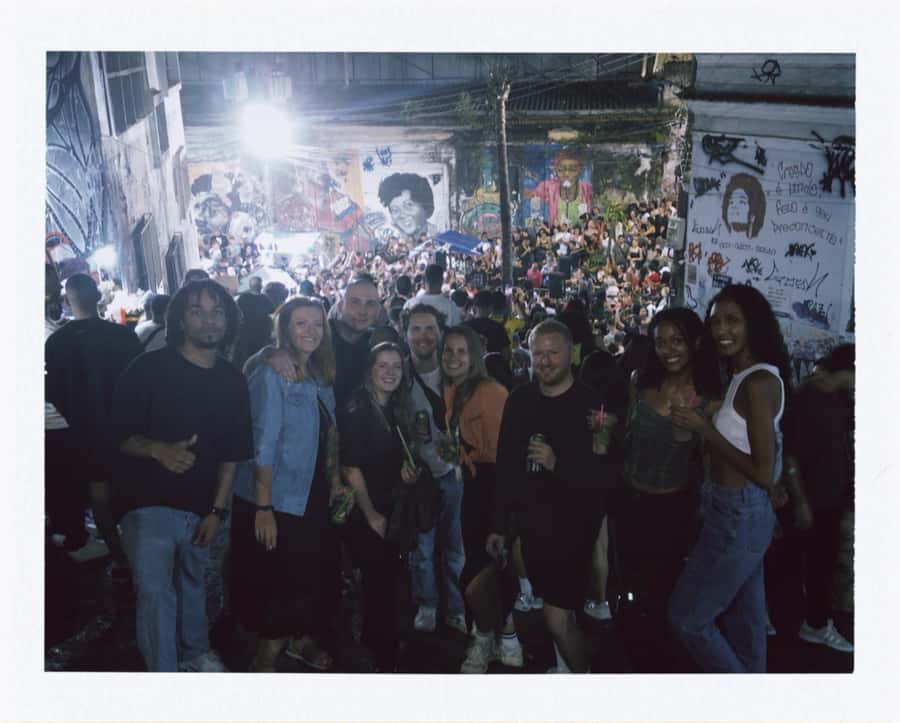
The schedule is short on paper—150 minutes—but it’s structured so you get both the meaning and the party. You meet at R. Sacadura Cabral, 75 for the start, then your group heads toward the Pedra do Sal area for the main experience.
The actual meeting point detail matters: you’ll gather at a yellow booth in front of Angu do Gomes restaurant. Look for Helena or Gustavo. That matters on a night when streets are busy; having a clear landmark reduces the stress of arriving in the middle of a crowd.
Once you’re in place near Pedra do Sal, the guide-led flow generally works like this:
- start with a community moment (this is where the group energy starts and people get oriented)
- move into the area where live samba is happening
- stay together with the guide’s help so you don’t feel lost in the noise and movement
- finish back at the starting point near R. Sacadura Cabral, 75
One more timing note: the itinerary description also uses a 3-hour phrasing. Either way, plan for a solid evening block. If you’re trying to squeeze it between late dinners and early flights, give yourself buffer time for the walk, crowd flow, and the post-music “getting out” part.
Welcome drink and the first wave of local energy
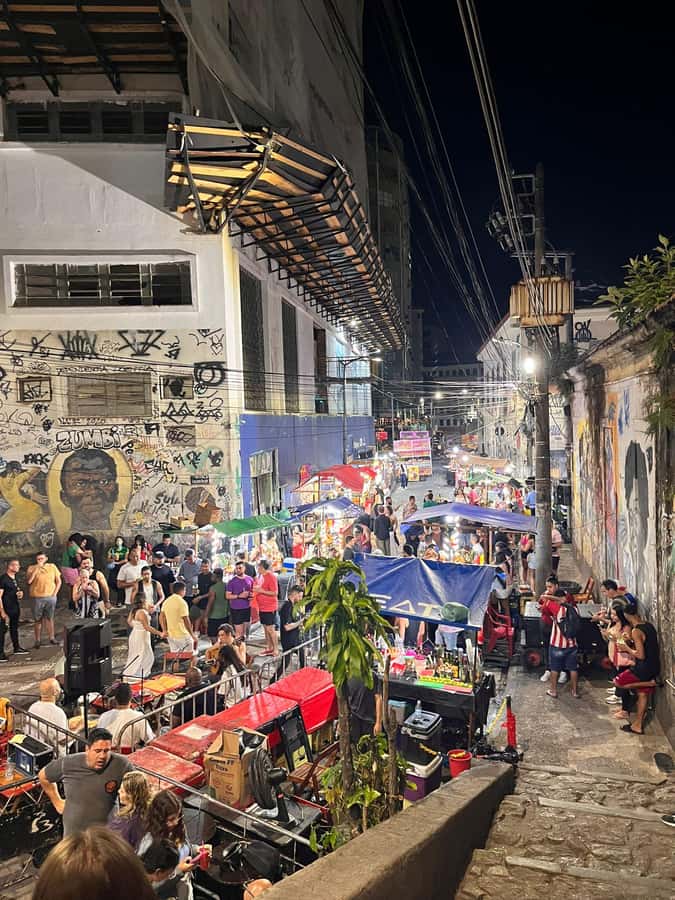
You don’t go in empty-handed. The tour includes one welcome drink, and that small perk sets the tone without making the night feel like a free-for-all. In practice, it’s also a social tool: it gets your group talking before the music takes over.
From there, the guide’s role becomes clear. You’re not just dropped at a spot and told to have fun. You get orientation for what to focus on—where to stand, how to move with the crowd, and what to look for as the samba energy builds. Several experiences with this tour style emphasized that the guides are attentive to the group’s comfort and safety, especially when the area gets busy.
If you’re traveling solo, this first part matters even more. A lot of people feel awkward walking into a street party alone. A guide-led start helps you step into the scene without standing around like you’re waiting for someone to text you.
Live samba, dancing in the crowd, and what you’re really buying
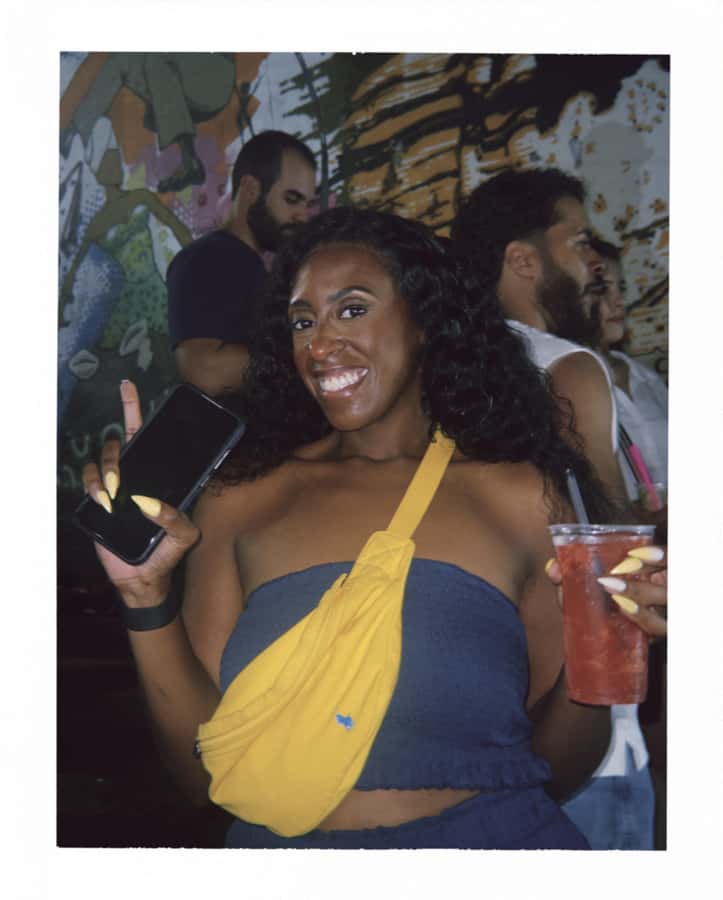
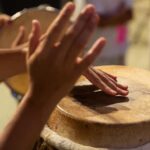
This is a live samba night, but it’s not a staged show where performers entertain from a distance. The vibe is more like stepping into how locals experience samba—through music you hear up close, dancing that spreads as the night continues, and conversations happening around you.
That difference is a big part of the value. You’re paying for:
- context (history tied to what you see)
- access (help navigating where to go and how to stay oriented)
- group support (so you’re not trying to figure it out alone in loud conditions)
And the guide helps you read the room. In English-language tours like this one, the best guides connect the sound to the place—so when you notice a specific rhythm or feel the crowd response, you understand the “why” behind it. Past groups also mentioned that the guide’s enthusiasm and pacing make the experience fun without turning it into a lecture.
You’ll likely see people grabbing drinks, moving to the beat, and joining in when they can. If you expect quiet sightseeing, you may feel a mismatch. But if you want Rio energy with local context, this works.
The samba story you’ll hear: salt, docks, quilombos, and dockers sambistas
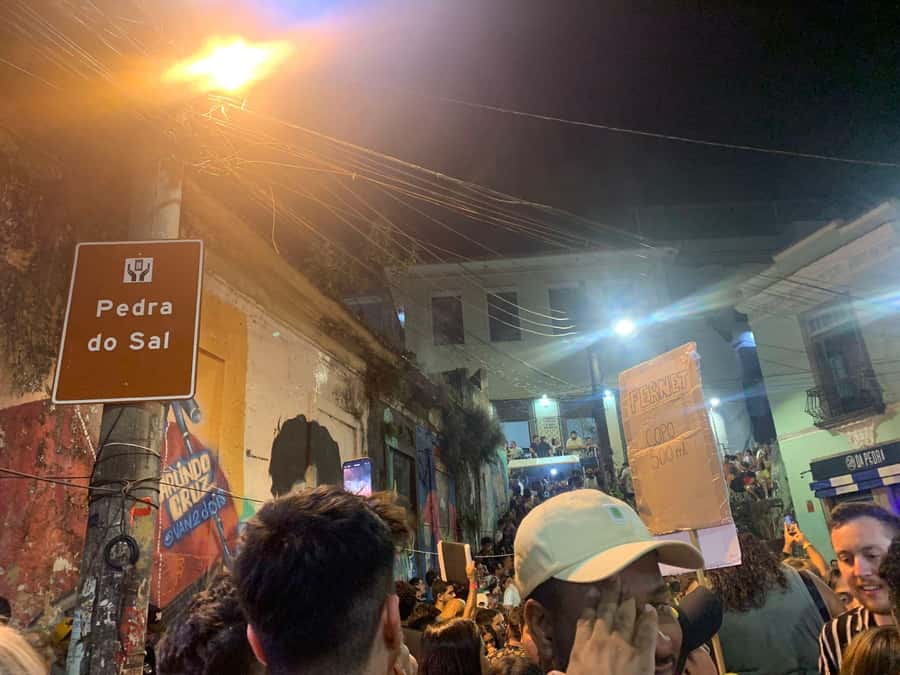
The history talk is short, focused, and meant to connect to the night itself. The key themes you’ll hear include:
- Little Africa as a port-adjacent crossroads tied to trade and movement
- the role of quilombos (communities formed by runaway and freed enslaved people)
- the port detail that connects labor and music: salt unloaded from docking ships
- how that environment helped spark the meeting of dockers and sambistas, turning community life into samba culture
This is where I think the tour justifies its price. Music experiences can become random if you don’t know what you’re hearing. Here, the guide gives you a lens: samba isn’t only art for entertainment—it’s also social life, identity, and community memory.
And the tone tends to be human, not academic. In this kind of guiding, the best moments come when the guide explains how a place became a cultural hub and then points to what you can still feel there: the mix of music, people, and public space.
You can also read our reviews of more evening experiences in Rio De Janeiro





Drinks and street-food tips: how to add value without overpaying
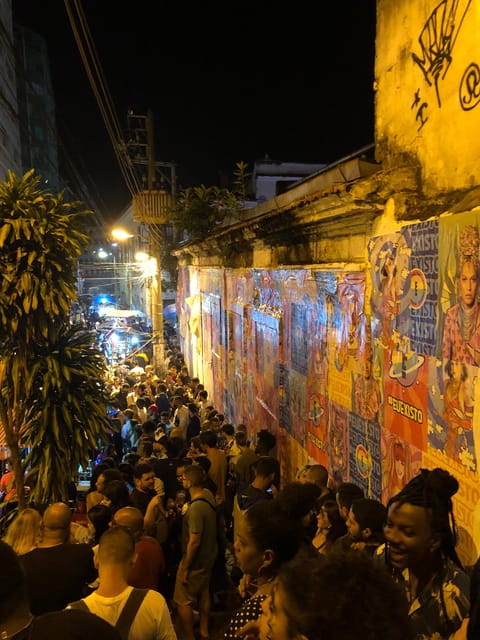
Food isn’t included, but the guide is there to help you handle the choices that come with being in a real nightlife area. You’ll get tips about street food and drinks, which is useful because the wrong pick can turn an otherwise great night into regret.
Here’s how I recommend you think about it:
- Use the included welcome drink as your baseline.
- Then add one or two more items you actually want, not everything offered around you.
- If the crowd is heavy, prioritize quick orders and easy-to-eat snacks.
Some groups specifically mentioned caipirinhas as part of the experience and praised the quality of drinks. Since food and extra drinks aren’t included, you’ll want a bit of cash/card ready—but don’t try to “buy your way through” the night. The music and the social atmosphere are the main event.
Safety in a crowded party zone: what “staying together” really means
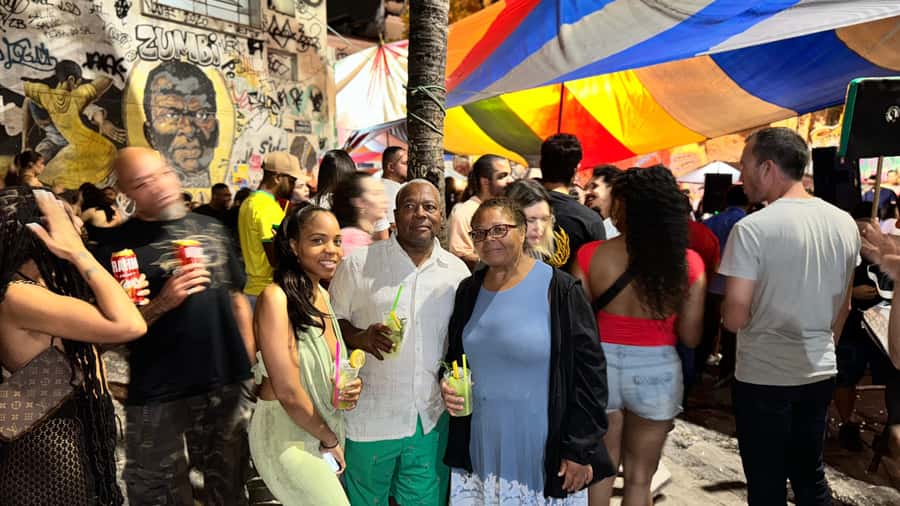
Safety isn’t about pretending nothing can happen. It’s about reducing confusion and risk. This tour is designed so you’re not trying to navigate alone in a busy street-party environment.
A few practical takeaways that came up again and again in group feedback for guides in this style:
- You stay together so no one gets separated in the crush.
- The guide helps you feel comfortable and keeps you informed about the plan.
- At the end, assistance with getting rides organized can make a big difference—especially when you’re tired, loud music is still going, and street directions are messy.
Also: the tour includes an important reality check. It’s explicitly not suitable for people with claustrophobia, and it’s not for pregnant women. Even if you don’t “feel unsafe,” the physical closeness of a samba night matters.
So the best mindset is simple: go with the group, trust the guide’s pacing, and don’t try to break off to chase photos at the wrong time.
Price and value: what $41 buys you in real life
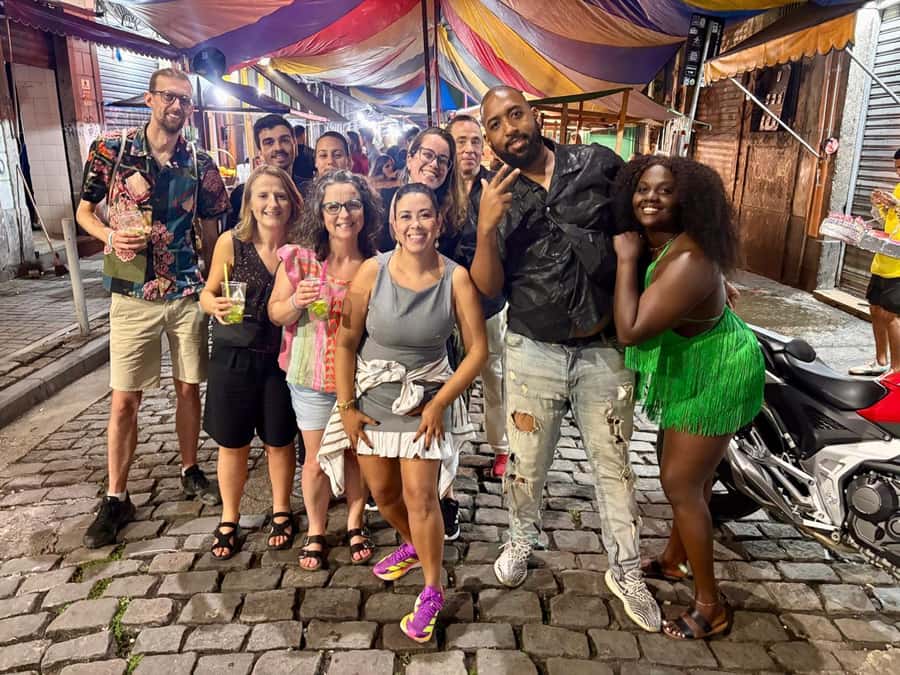
At $41 per person for about 150 minutes, you’re not just paying for access to live samba. You’re paying for three things that street sightseeing doesn’t automatically solve:
- A guide in English who connects the place to the story.
- A structured entry into an area that can feel intimidating on your own.
- A welcome drink that helps kick-start the social part of the night.
Food and transportation are not included, so you should budget for at least a couple extra purchases if you want the full nightlife feel. But that’s also part of the value: you control how much you spend, instead of being locked into a fixed meal package.
If you’re visiting Rio for the first time, this is a strong “early nightlife” option because it teaches you how to read the scene. And if you’re a history-minded person, the context keeps the music from feeling random.
Who this suits best (and who should skip)
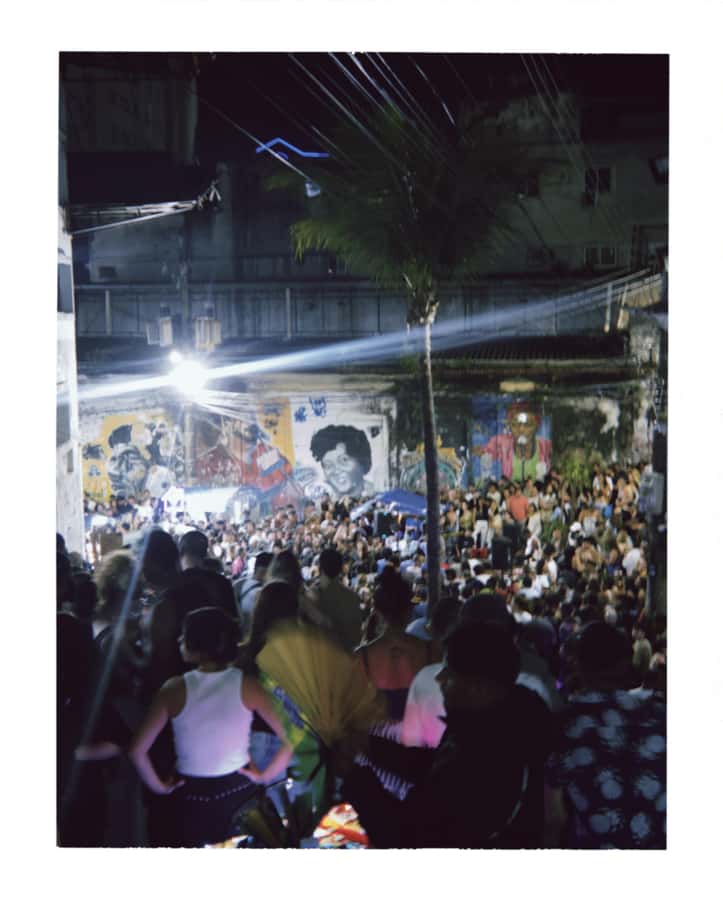
This works best if you want a Rio night that mixes history and sound, and you like meeting people as you go. It’s also a good fit for solo visitors who want company without it turning into a formal tour where you’re herded like a group photo.
It’s less ideal if:
- you hate crowds or you need quiet
- you’re uncomfortable with closeness (claustrophobia)
- you’re pregnant (not suitable for this activity)
What to wear is not “optional advice”—it’s part of whether the night feels good. Closed-toe shoes are strongly recommended, because the night involves standing and moving through a busy area.
Bring a charged smartphone so you can stay oriented, coordinate with your ride, and take photos in the right moments. And bring passport or ID (a copy is accepted).
Practical checklist for your Pedra do Sal samba night
Before you head out, do these five things:
- Charge your phone fully.
- Wear closed-toe shoes with decent grip.
- Bring your passport or ID (a copy is fine).
- Plan for a loud, crowded environment with lots of foot traffic.
- Have a little money/card ready for extra drinks and street food tips.
Also, use that yellow-booth meeting point detail as your anchor. If you’re early, wait calmly. If you’re running late, don’t sprint into the crowd without a plan—find the booth and the guide first.
Should you book Pedra do Sal Live Samba Night with Local Guide & Drink?
I’d book it if you want an evening that feels like Rio culture, not a sanitized performance. The mix of Little Africa history, live samba in a real public setting, and an English guide who keeps the group organized makes this a smart value for the time.
I’d skip it if crowds and closeness stress you out, or if you’re expecting a calm, sit-down samba show. In that case, you’ll probably leave frustrated instead of feeling the night’s meaning.
If you’re ready for a street-party atmosphere with context—and you like the idea of learning how samba connects to the port, quilombos, and community—this is one of the most direct ways to experience Rio’s samba roots.
FAQ
What’s included in the Pedra do Sal live samba night?
You get one welcome drink and a live English-speaking tour guide.
How long is the tour?
The activity is listed as 150 minutes.
Where do we meet?
Meet at the yellow booth in front of Angu do Gomes restaurant. Look for Helena or Gustavo.
Is food included?
No, food isn’t included.
Is transportation included?
No, transportation isn’t included.
What language is the guide?
The guide is English.
What should I bring?
Bring a charged smartphone, closed-toe shoes, and your passport or ID card (a copy is accepted).
Who is this tour not suitable for?
It’s not suitable for pregnant women and people with claustrophobia.
What’s the cancellation and booking flexibility?
You can cancel up to 24 hours in advance for a full refund, and you can reserve now & pay later.