REVIEW · RIO DE JANEIRO
Favela Tour The Original, Rocinha & Vila Canoas since 1992
Book on GetYourGuide →Operated by FAVELA TOUR · Bookable on GetYourGuide
Rio looks different after this tour. Favela Tour The Original gives you a guided, organized look at Rocinha and Vila Canoas, not a risky wandering-around quest. I love how the experience stays socially inclusive and not voyeuristic, and I especially like the practical focus on how everyday life works, including the community school funded by the tour.
One thing to consider is that group logistics can get tricky—your language slot can change, and in rare cases the exact entry plan for Rocinha may be adjusted based on on-the-ground decisions. If you’re set on a specific language day, plan to confirm directly and stay flexible.
In This Review
- Key Things You’ll Really Notice
- Why Favela Tour Feels Like a Reality Check for Rio
- The 3-Hour Rhythm: What Happens After Pickup
- The Views You Don’t Get From the Boardwalk
- Rocinha Up Close: Biggest in Brazil, Not a Movie Set
- Vila Canoas: Different Scale, Same Human Detail
- The School and Handcraft Stops: Where Your Visit Creates Real Value
- Safety and Respect: The Difference Between a Tour and a Gamble
- Price at $33: What You’re Paying For (and What You’re Not)
- Language Options: Great for Many People, Watch the Scheduling
- What to Bring and How to Set Expectations
- Who This Tour Suits Best
- Who Might Want to Skip or Adjust
- Should You Book Favela Tour?
- FAQ
- How long is the Favela Tour?
- Which favelas do you visit?
- Do you get pickup and drop-off?
- Is the tour mostly walking?
- What languages are available?
- Is the tour safe?
- What should I bring or pay for?
- What is the cancellation and payment policy?
Key Things You’ll Really Notice
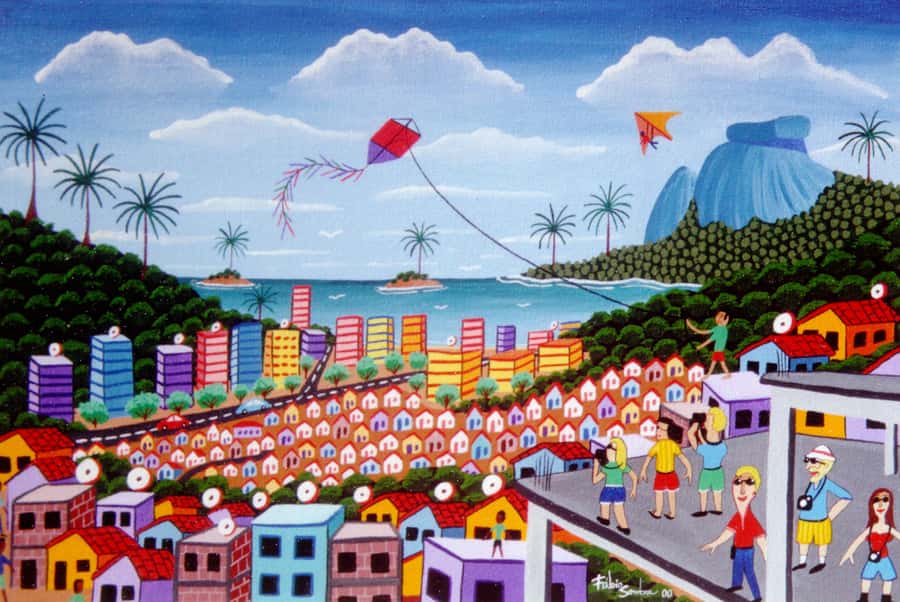
- Rocinha and Vila Canoas in one 3-hour loop so you compare scale and daily rhythms, not just photos from far away
- Panoramic Rio views on the way that help you understand the hillside geography fast
- A handcraft center and local commercial streets where you see how people earn a living
- The community school stop shows how outside support can directly fund local education
- Guides in multiple languages including English, French, Spanish, Italian, and Portuguese
- An organized visit that prioritizes respect and safety over curiosity for curiosity’s sake
Why Favela Tour Feels Like a Reality Check for Rio

Favela Tour The Original, running since 1992, is built around one idea: if you only see favelas from a distance, you miss the point. The tour explains how favelas formed, how communities function, and why so much of Brazil’s social reality gets reduced to fear-based stereotypes.
You start with context that matters. There are close to 1000 favelas in Rio, and they’re home to about 20% of the city’s population. Many grew on hillsides and former public areas, which helps explain the geography you’ll later walk through and the way neighborhoods have evolved.
You can also read our reviews of more tours and experiences in Rio De Janeiro.



The 3-Hour Rhythm: What Happens After Pickup
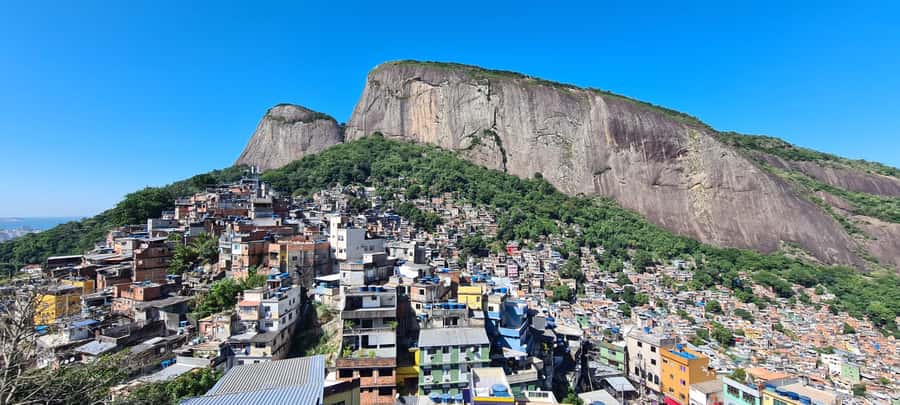
This tour runs about 3 hours, and it moves at a “guided walk” pace rather than a sit-and-listen pace. You’ll get pickup from most hotels in Rio’s south zone (places like Leme, Copacabana, Ipanema, and Leblon), and the meeting is typically set around beach-front areas. Your trip starts when you board the vehicle, not when you arrive at Rocinha, so you get information from the beginning.
The schedule is built to keep you moving and oriented:
- A local bar stop for a guided setup and getting briefed before the walking portion
- On-the-way views over Rio that help you connect what you’re hearing with what you’re seeing
- A walk through both residential and commercial areas in the two communities
If you don’t like tight timing, this might feel fast. But the upside is you’re not wasting time; you’re using those hours to connect streets, people, and context.
The Views You Don’t Get From the Boardwalk
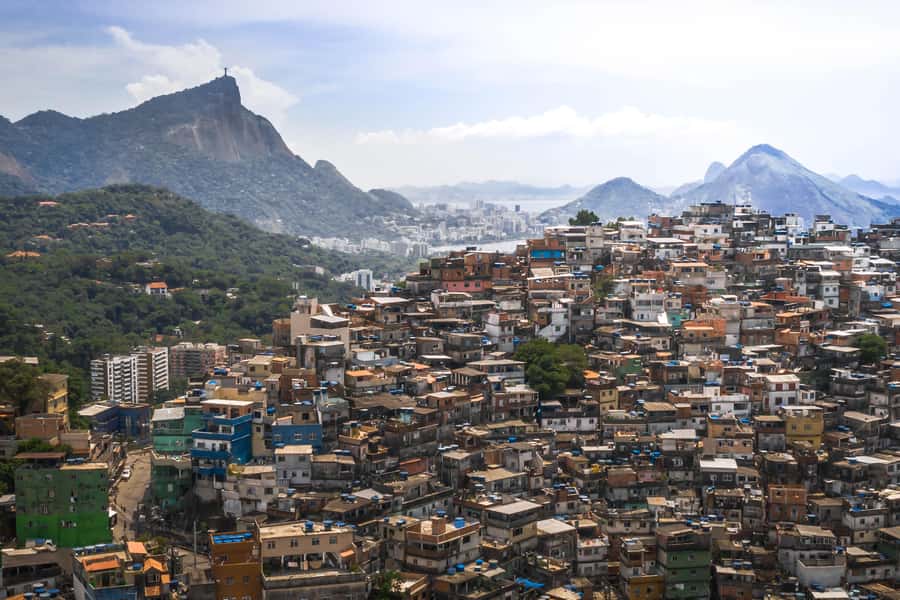
Rio’s viewpoints can be pretty—this is the other side of that story. Along the route, you’ll get scenic views over Rio that are tied to what you learn about hillside settlement and community layout. It’s a quick way to understand why favelas look the way they do from far away, and why “danger” is often the first and only word people use.
When you later walk those alleys, you’ll notice how the hillside geography shapes everything: how neighborhoods expand, how people set up shops and services, and how daily life stays close to the geography rather than pretending it isn’t there.
Rocinha Up Close: Biggest in Brazil, Not a Movie Set
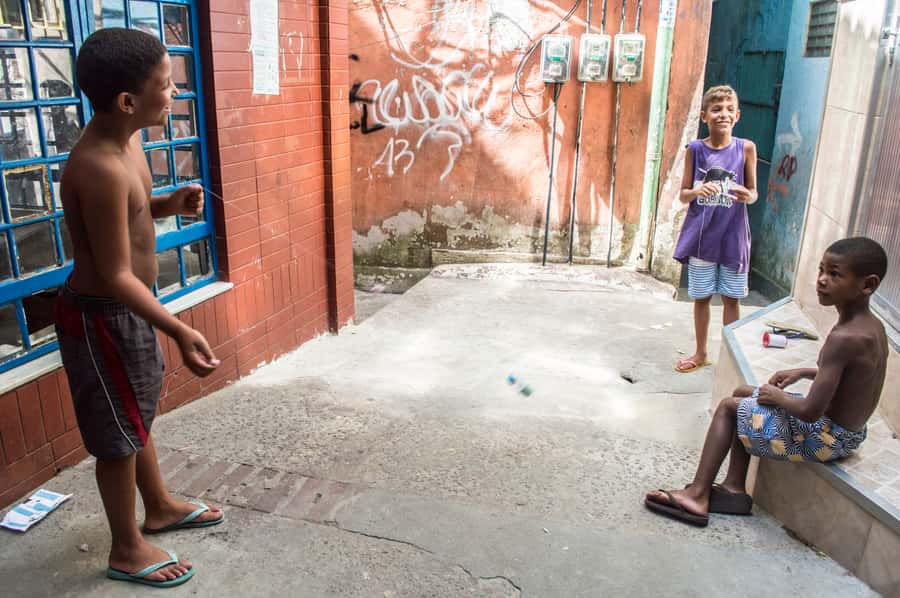
Rocinha is the largest favela in Brazil, and the tour treats it with the seriousness it deserves. From a distance, you may think you understand it just by seeing the buildings on the hill. Up close, the tour shows the complex architecture and everyday commercial activity—real streets with real services, not a single highlight photo.
The walking portion takes you through alleyways that include both residential and commercial areas. You also visit a handcraft center here, which matters because it shifts the focus from “watching people” to understanding how communities sell, share skills, and keep local culture alive.
A big plus is that the guide doesn’t just point. The tour offers a whole explanation of Brazil’s social contrasts and paradoxes, so your questions make more sense as you go. Guides named Mateo and Francesco stand out in the way they’re described: Mateo for perspective and insight, Francesco for connecting the tour to the local school stop and history in a way that feels grounded.
Vila Canoas: Different Scale, Same Human Detail
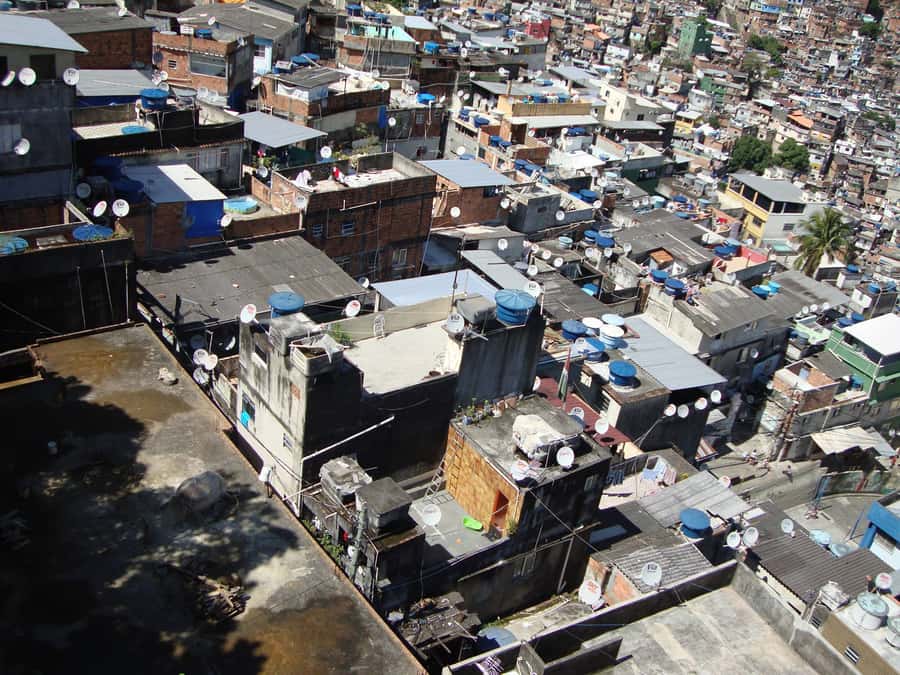
After Rocinha, you go to Vila Canoas, and that change of neighborhood scale is one of the most useful parts of the tour. Even when people start with “I want to see a favela,” they often don’t realize that each community has its own shape, economy, and daily routines.
Vila Canoas comes off as more focused in the way you see community projects and daily life. You’ll still walk through residential and commercial areas, but you’re also set up to notice how local initiatives work alongside ordinary life—things like schools and other projects, explained by your guide as part of the bigger picture.
If you’re worried this will be a one-note experience, the neighborhood switch helps you compare without needing extra tours.






The School and Handcraft Stops: Where Your Visit Creates Real Value
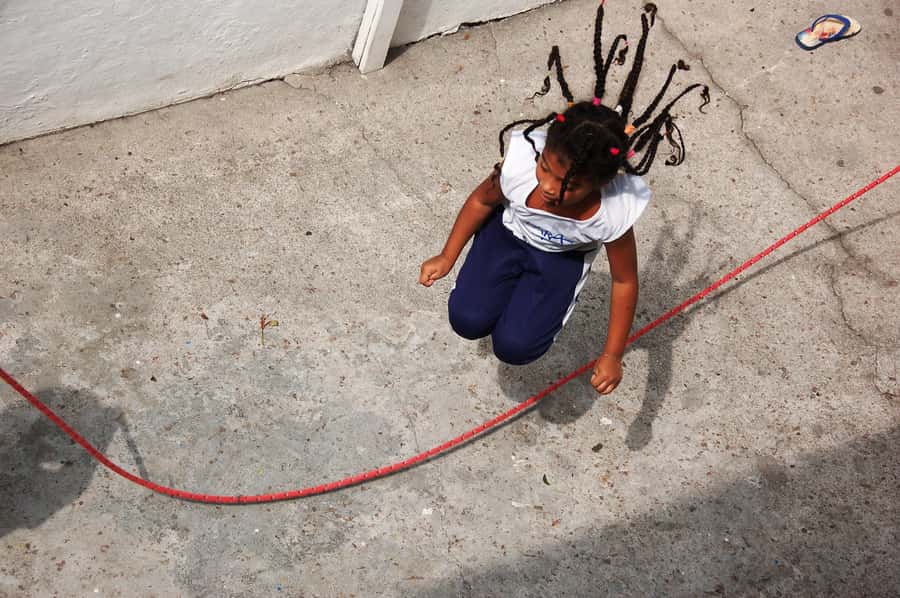
One of the tour’s strongest points is how it connects tourism to community support. The tour includes a stop at the community school, described as financed by Favela Tour. That’s not just a checkmark on a list; it changes your mindset. Instead of treating the tour as education for you only, you see it as support for local education.
The handcraft center also matters. It’s an opportunity to buy directly from local makers, and your spending—when you choose to do it—stays in the community. The practical advice here is simple: bring extra money if you want to buy anything, and don’t show up empty-handed if souvenirs are part of your travel habits.
This tour isn’t presented as charity. It’s presented as partnership: you’re welcomed, you walk with a guide, and your visit contributes to ongoing educational projects.
Safety and Respect: The Difference Between a Tour and a Gamble
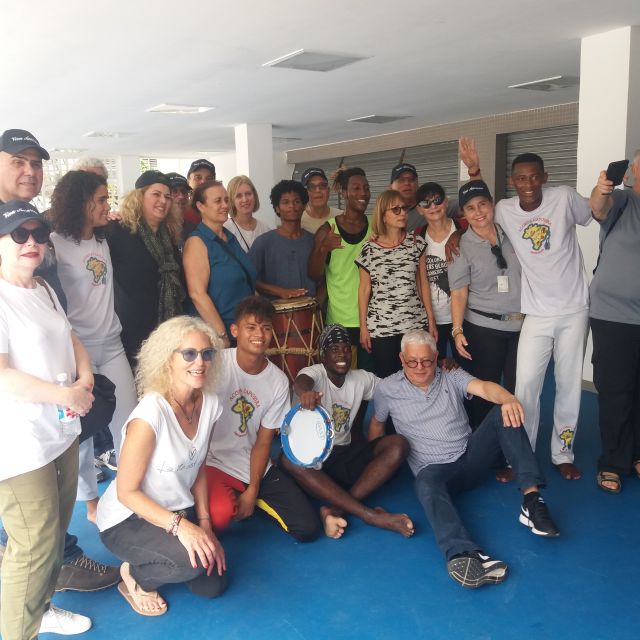
Favela Tour is explicit about one thing: go with an organized tour. Even if you’ve traveled widely and you’re comfortable in busy neighborhoods, a favela is still a real community with its own rules and rhythms. The tour frames favelas as safer than many people assume, but it also avoids pretending that safety is the same as “anything goes.”
So what does safety look like in practice? You get:
- an organized route with a local guide
- a focus on walking in appropriate areas
- a friendly environment designed to avoid voyeurism
The tone you’re asked to adopt is also part of safety. Don’t show up expecting spectacle. If you’re relaxed, polite, and open to conversation, the experience is set up to be socially inclusive rather than uncomfortable.
And yes, you should be ready to walk. The tour is described as mostly walking, with you moving through alleyways and around the two neighborhoods.
Price at $33: What You’re Paying For (and What You’re Not)
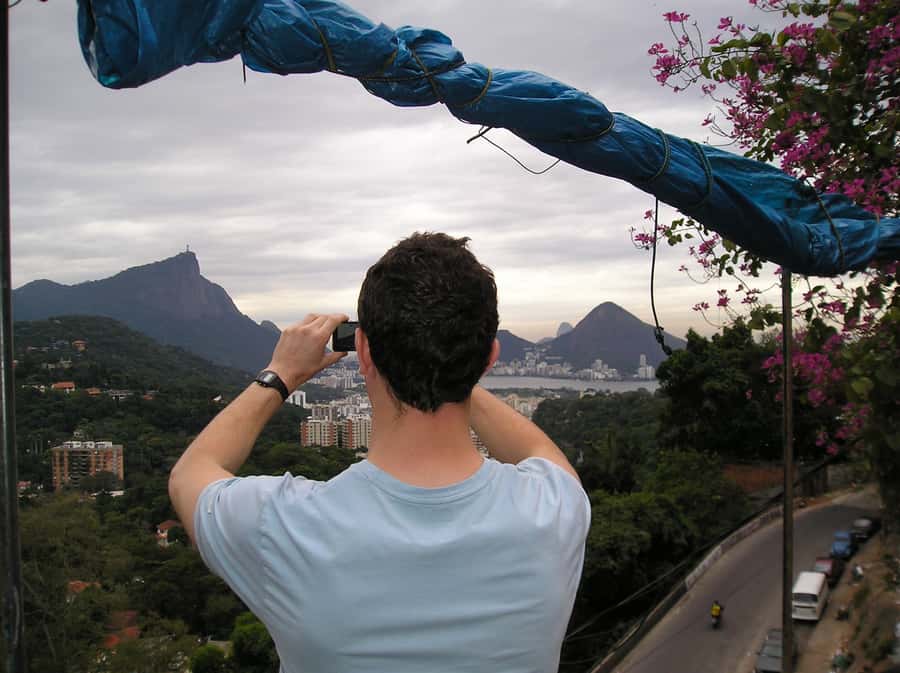
At about $33 per person for a 3-hour guided experience, this isn’t priced like a private expedition. It’s also not priced like a quick photo stop.
You’re paying for several things that add real value:
- guided interpretation from the moment you leave on pickup (not just on-site explanations)
- transportation from/back to most south-zone hotels
- a structured visit to two communities rather than one
- access to community projects like the school and a handcraft center
In other words, it’s value comes from time and structure. You’re not just buying access to streets; you’re buying context that helps you understand what you’re seeing, plus a visit that aims to benefit local education.
If you want a tour that covers only one neighborhood or only includes viewpoint photos, you’ll often pay less but learn less. If you want the “why” behind what you’re seeing, this price starts to make sense fast.
Language Options: Great for Many People, Watch the Scheduling
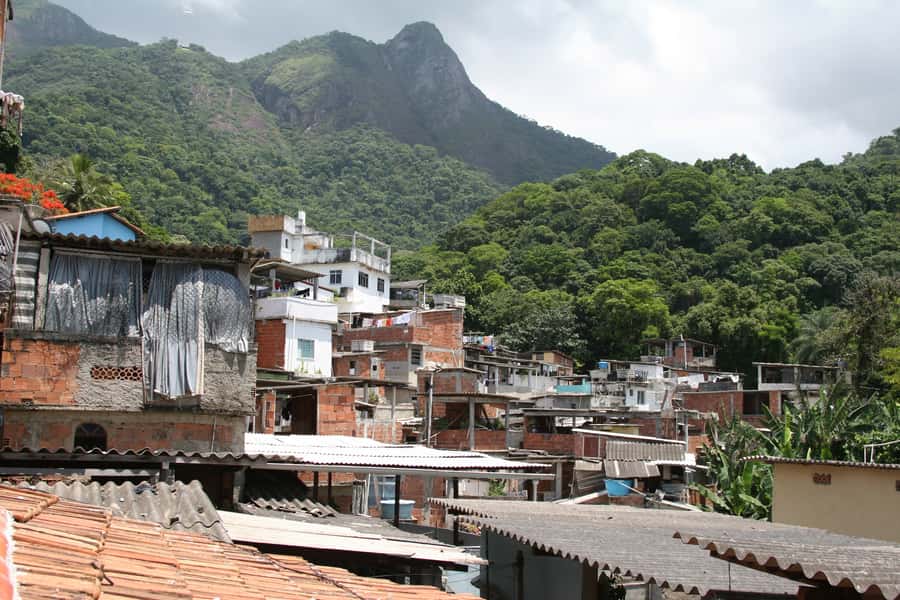
The tour offers live guides in English, French, Spanish, Italian, and Portuguese. That matters in a big way for this kind of experience, because your understanding depends on how clearly you can ask questions and follow explanations.
In the experience’s feedback, one schedule-related issue comes up strongly: an Italian booking had to change day after payment, and there was also an on-the-ground adjustment related to Rocinha that meant the plan didn’t unfold as originally expected. I’m not saying that’s the norm, but it’s enough of a warning sign that I’d treat language and day changes seriously.
Practical takeaway: once you’re in Rio, confirm directly by phone, email, or WhatsApp. The tour notes that you shouldn’t rely on third parties to confirm for you, because middlemen can lead to misunderstandings or overprices.
What to Bring and How to Set Expectations
This tour makes one demand: come ready to walk. Comfortable shoes are the difference between enjoying the alleyways and rushing through them.
Also, plan to bring extras for:
- drinks and snacks
- local handcraft purchases
If you go into the day expecting everything to be “provided at no cost,” you might end up stressed. If you go in expecting to spend a little locally if you want, it stays easy.
Finally, go in with the right mental frame. Favela Tour is described as not voyeuristic and not exclusionary. Your job is to behave like a guest in a community, not like a curious outsider collecting dramatic moments.
Who This Tour Suits Best
This experience is a strong fit if you want:
- a realistic view of Brazil’s socioeconomic structure
- a guided walk with explanations, not just a scenic lookout
- a tour designed for respect and safety, not a DIY risk
It’s also a good choice for people who like learning through context: you’ll hear about how favelas function and you’ll see it in streets, shops, and projects.
If you’re the type who hates walking, you might find the pace challenging. If you want only passive “sit and view” sightseeing, this won’t match that style.
Who Might Want to Skip or Adjust
Consider skipping or modifying plans if:
- you’re extremely rigid about language and dates (double-check confirmations directly)
- you can’t handle walking through crowded, uneven alleys
- you expect a strict “Rocinha entrance, no changes” promise on every schedule
The tour has a clear purpose, but like any real-world community visit, details can shift based on on-the-ground circumstances. Flexibility is part of the value.
Should You Book Favela Tour?
I’d book it if you want to understand Rio beyond postcards and headlines. The best part is how it connects viewpoint geography, local daily life, and community projects like the school funded through the tour. It’s also a rare type of guided visit that aims to be socially inclusive and explicitly not voyeuristic.
Book it if you’re ready to walk, confirm directly, and treat the day as a respectful cultural exchange. With that mindset, this isn’t just a tour. It’s one of the clearer ways to understand Brazil’s contrasts from street level.
FAQ
How long is the Favela Tour?
The tour duration is about 3 hours.
Which favelas do you visit?
You visit two favelas: Rocinha and Vila Canoas.
Do you get pickup and drop-off?
Yes. Pickup and drop-off are included for most hotels in Rio’s south zone, with listed options around Leme, Copacabana, Ipanema, Leblon, and drop-offs in São Conrado, Ipanema, Leblon, and Copacabana.
Is the tour mostly walking?
Yes. Favela Tour is mostly a walking tour, with you walking through residential and commercial areas.
What languages are available?
Live guided tours are available in English, French, Spanish, Italian, and Portuguese.
Is the tour safe?
The tour is presented as a safe organized visit to favelas, and it advises going with an organized tour.
What should I bring or pay for?
Bring extra money for drinks, snacks, and buying local handcrafts if you want them.
What is the cancellation and payment policy?
You can cancel up to 24 hours in advance for a full refund. You can also reserve now and pay later, meaning you can book and pay nothing today.