REVIEW · RIO DE JANEIRO
Rocinha Walking Tour: Get a Feel for the Brazil’s Largest Favela (Shared Group)
Book on Viator →Operated by Gregtur Turismo · Bookable on Viator
Rocinha goes from city map to real life fast. I love how this tour stays small (max 10) and led by a Rocinha resident, so you get explanations that actually fit what you’re seeing, not generic facts. I also love the built-in mix of Rio views and culture stops, from craft production and a graffiti studio to the big panorama from Morro do Laboriaux. One thing to weigh: it’s a moderate-fitness walking tour, plus there’s a short uphill moto-taxi ride that can feel intense if you don’t love tight lanes and steep grades.
You’ll meet at Copacabana and spend about 3 hours moving through the community with a licensed bilingual private guide. You’re not just standing and looking—you’ll be welcomed into spaces tied to everyday life, including a home visit to longtime resident Mrs. Maria. If you’re the kind of traveler who wants context, and you can handle some uneven paths, this is the kind of Rio day that sticks.
In This Review
- Key highlights worth clocking
- Why Rocinha feels personal with a small capped group
- Getting there: Copacabana meet-up and how the tour starts
- Salocin walking time: seeing daily life up close
- The included moto-taxi ride up Rocinha hill
- Craft centers, shopping lanes, and a handcraft fair
- Morro do Laboriaux: the highest point for beach-to-forest views
- Wark’s graffiti studio: street art with an education mission
- Mrs. Maria’s home visit: the view that changes how you picture Rocinha
- Price and value: what $100 really buys you
- Safety, comfort, and who should book
- Should you book this Rocinha walking tour?
- FAQ
- How long is the Rocinha walking tour?
- How much does the tour cost?
- What is the group size?
- What is included in the price?
- Where is the meeting point?
- Is the tour suitable for people with limited mobility?
- Is there free cancellation?
Key highlights worth clocking

- Max 10 people keeps the pacing human and the questions flowing.
- Guided by Rocinha local(s) means you get local framing, not a script.
- Moto-taxi up Rocinha hill adds a quick adrenaline hit and helps you reach the viewpoints.
- Craft centers and a handcraft fair show how art and commerce work side-by-side.
- Morro do Laboriaux viewpoint delivers a sweeping look over beaches and toward the Tijuca Forest slopes.
- Graffiti and education through Wark connects street art to mentoring young people in Rocinha.
Why Rocinha feels personal with a small capped group
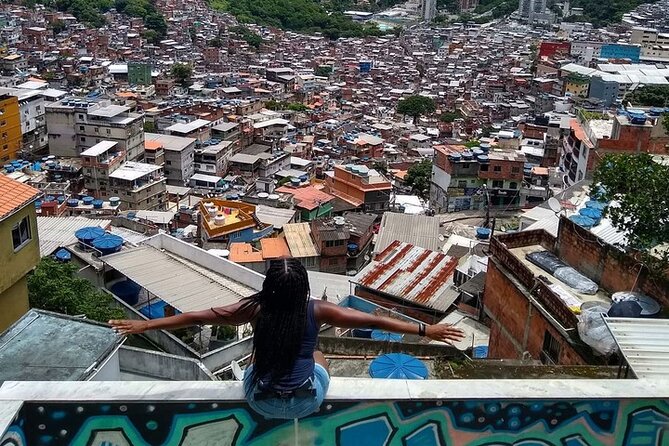
Rocinha is the kind of place where big group tours can feel like a conveyor belt. Here, the group is capped at 10, which changes the whole vibe. You’re more likely to get time to ask real questions, and the guide can adjust pacing when the route turns into narrow alleys.
A big part of the value is that the guide is licensed bilingual and comes from the community. That matters because Rocinha is not one story—it’s many neighborhoods, routines, and social spaces stacked together. A local resident guide helps you understand what you’re seeing without turning it into a spectacle.
The emotional and practical takeaway: you should show up ready to be respectful and observant. This isn’t a theme park version of Rio, and the best experience comes when you treat the community like a place where people live, work, and create.
You can also read our reviews of more walking tours in Rio de Janeiro



Getting there: Copacabana meet-up and how the tour starts
The tour starts at Praça Cardeal Arcoverde near Copacabana, specifically the area at R. Barata Ribeiro. That’s useful because it gives you a clear anchor point if you’re staying in the Copacabana zone (or plan to transit there).
The tour includes subway/metro tickets, which helps you avoid last-minute logistics. You’re not stuck figuring out routes mid-day while trying to look calm and tourist-friendly. Also, since the activity ends back at the meeting point, you’re not left wondering how to get yourself home after a long walk.
Practical advice: wear comfortable shoes. You’ll be on foot through community lanes, and “nice” shoes can turn into a foot-battery test faster than you expect.
Salocin walking time: seeing daily life up close
A major chunk of the experience is spent walking down alleys in Rocinha to get to know the reality of life there. This is the part that often surprises people—in a good way. Instead of just passing viewpoints, you move through the rhythm of the neighborhood, where the scale is bigger than most visitors expect and the streets are part of daily routines.
This first walking segment runs about 1 hour, and it’s designed to help you understand how community life is organized. You’re learning the “how” of Rocinha—how people get around, how streets connect, and what daily spaces look like from ground level.
One consideration: because you’re walking through active community areas, you should expect a less-controlled environment than standard sightseeing. That’s normal here. The payoff is that you see the place as it actually functions, not just as an observation deck.
The included moto-taxi ride up Rocinha hill
Some tours keep you on foot the entire time. This one includes a moto-taxi ride uphill (about 20 minutes) to reach higher viewpoints. For many people, that’s the moment the day clicks into a new gear: you feel the slope, you see how movement works in steep terrain, and you get perspective quickly.
It’s also practical. Rocinha is spread out, and getting to “amazing viewpoints” on foot would take much longer. Here, the ride is like a shortcut to better sightlines—without turning the tour into an all-day endurance test.
What to keep in mind: the ride is short, but it can feel intense because of narrow alleys and the uphill grade. If you’re nervous on scooters or motorcycles, consider that your comfort level matters for enjoyment.
Craft centers, shopping lanes, and a handcraft fair
About 40 minutes are spent visiting community centers for the production of handicrafts, followed by time through the shopping area toward a handcraft fair. I like this part because it shows work, not just culture. You’re seeing how creativity becomes goods that support daily life.
This segment is a balance point in the tour. You get hands-on context for how items are made, then you move into the market space where residents sell jewelry, decorative objects, and souvenirs. Even if you don’t plan to buy much, it helps you understand what’s valuable here—skills, design choices, and relationships.
A gentle note for your expectations: fairs and sales areas are not museums. Prices and preferences are part of the human exchange. If you want to shop, go in with patience and a respectful tone.




Morro do Laboriaux: the highest point for beach-to-forest views
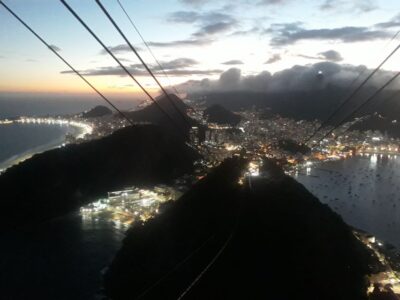
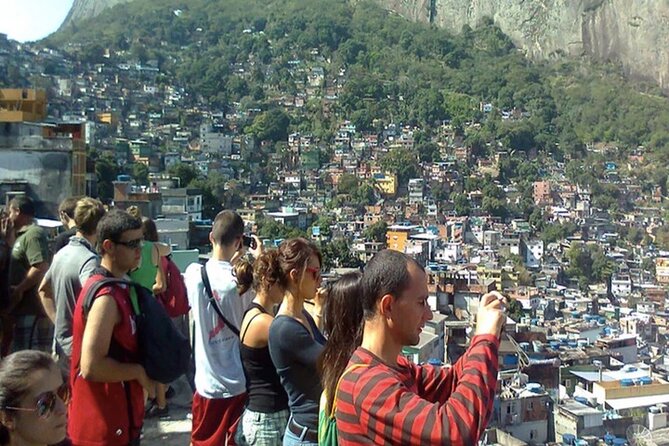
The tour includes a stop at Morro do Laboriaux, the highest point in the favela (about 30 minutes). This is one of those “Rio in one frame” moments, where the skyline shifts into layers: beaches, slopes, and the way Tijuca Forest edges into the scene.
I like that the viewpoint time is long enough to take it in without feeling rushed. You’re not just getting a photo; you’re getting orientation. The sightlines help you connect the dots between what you walked through below and what you see from above.
The drawback is also simple: viewpoints involve standing and looking over uneven terrain. Come with shoes that grip, and don’t assume you’ll be on flat ground the whole time.
Wark’s graffiti studio: street art with an education mission
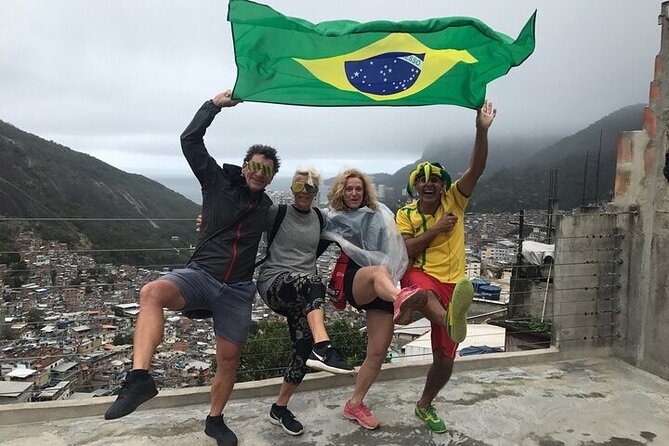
One of the most compelling stops is the studio of Wark, described as a pioneer in Rio’s graffiti movement from Rocinha. You’ll spend about 20 minutes there, and the tour connects street art to real people, real recognition, and real effort.
Wark’s story is more than “cool murals.” The tour highlights that his art gained attention from prominent Brazilian leaders, including former president Lula da Silva. It also points out that Wark promotes frequent exhibitions across the city and receives payment for his works—useful context if you’re trying to understand what “street art” means as a livelihood.
Even better, Wark founded the Wark Institute, a school for young people in Rocinha to learn and practice art. That ties the visual side of graffiti to mentorship and training, which is a big part of why the stop feels meaningful instead of just Instagram-friendly.
If you care about art that has social impact, this is the part that turns your entire mental model of the neighborhood.
Mrs. Maria’s home visit: the view that changes how you picture Rocinha
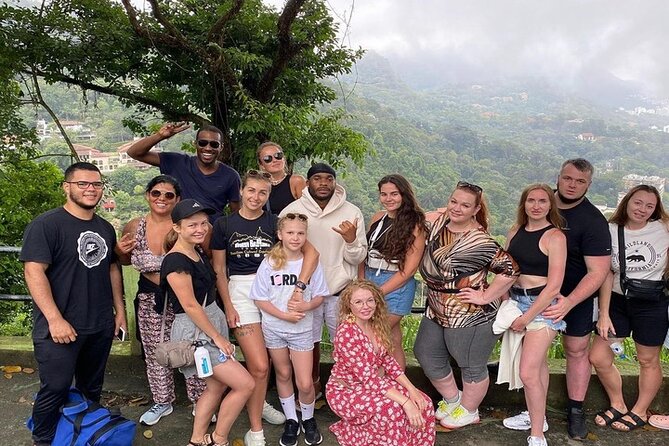
A short but memorable stop is the visit to the home of Mrs. Maria, who has lived in Rocinha for 32 years. It’s about 10 minutes, but it lands because it’s so human. You’re not touring a landmark—you’re seeing a lived-in space connected to a personal history.
From the slab of her house, you get stunning views of São Conrado beach and the favela itself. This is where the geometry of Rocinha becomes real. When you look back at the community you just walked through, the layout makes more sense, and your sense of scale changes.
The key consideration is basic respect. A home visit is time-sensitive and personal, so keep your attention on what you’re being shown and be mindful of the moment. Quiet appreciation goes a long way.
Price and value: what $100 really buys you
At $100 per person for about 3 hours, this isn’t the cheapest “walk and watch” option in Rio. But it also isn’t trying to be. You’re paying for a few concrete items that add up in real-world value:
- A small-group cap (max 10), which improves the quality of interaction.
- A licensed bilingual private guide, plus the local knowledge and ability to manage the route.
- Metro/subway tickets, so the tour handles at least part of the logistics.
- A moto-taxi ride uphill, included, which saves time and helps you reach viewpoint areas.
Also, the tour notes that admissions tied to the stops are free (as part of the experience). That’s a small detail, but it helps when you’re budgeting day-by-day in Rio.
What you should budget separately: food and drinks aren’t included, and tips are optional. If you want to avoid spending stress mid-tour, plan to eat before you go and carry water if you know you’ll need it.
If you’re choosing between this and a generic Rio city tour, I’d frame it like this: this one costs more, but it buys context and access. It’s not just sightseeing—it’s learning how a major part of Rio actually works.
Safety, comfort, and who should book
The tour is designed for people with moderate physical fitness. Expect walking through alleys and some uneven ground. You also get the included moto-taxi ride, which helps reduce how much uphill walking you’d otherwise do.
On safety and comfort, the guide being from Rocinha and staying with the group matters. One of the strongest themes in how this kind of tour is experienced is that you feel taken care of by someone who knows the rhythms of the neighborhood. That doesn’t mean it becomes risk-free or robotic. It means the tour is guided by local judgment.
Who it fits best:
- You want a socially conscious side of Rio that most visitors miss.
- You like art, neighborhoods, and the stories behind what you see.
- You’re comfortable asking questions and learning respectfully.
- You don’t mind walking and short segments that are a little more physical or tight.
If you’re expecting glossy “tourist Rio” only—this tour may feel too real. But if you’re up for that reality and want a genuine sense of place, you’ll likely consider it a standout day.
Should you book this Rocinha walking tour?
I’d book it if you want to see Rocinha as a living community, not as a box to tick. The combo of small group, a Rocinha resident guide, viewpoints, craft production, Wark’s studio, and a home visit makes it hard to replace with a generic tour.
Skip it or think twice if:
- You have very limited mobility or can’t handle moderate walking and uneven paths.
- The idea of a moto-taxi ride feels like a deal-breaker for you.
- You want a day where everything stays inside standard tourist rhythms.
Also, the scheduling is relatively thoughtful: it’s commonly booked about 15 days in advance on average, so grab your slot early if your dates are fixed. And if your plans change, there’s free cancellation up to 24 hours before the start time for a full refund.
If you want a Rio day that gives you both perspective and humanity, this is the kind of booking that pays you back later.
FAQ
How long is the Rocinha walking tour?
It lasts about 3 hours (approx.).
How much does the tour cost?
The price is $100.00 per person.
What is the group size?
The tour is capped at a maximum of 10 travelers.
What is included in the price?
It includes subway/metro tickets, a licensed bilingual private tour guide, VAT and all taxes and handling charges, and a moto-taxi ride up to the top of Rocinha hill. Food and drinks are not included.
Where is the meeting point?
Start at Cardeal Arcoverde / CopacabanaPraça Cardeal Arcoverde – R. Barata Ribeiro – Copacabana, Rio de Janeiro – RJ, 22040-030, Brazil. The tour ends back at the meeting point.
Is the tour suitable for people with limited mobility?
The tour asks for a moderate physical fitness level.
Is there free cancellation?
Yes. Free cancellation is available up to 24 hours in advance for a full refund.