REVIEW · RIO DE JANEIRO
Rio: African Culture Walking Tour
Book on GetYourGuide →Operated by Tour by Foot · Bookable on GetYourGuide
A great story in Rio starts with shoes, not a beach towel. This tour links African-Brazilian culture with the fight against slavery, then ends at Cidade do Samba to show how samba school magic is built. I like that you get both meaning and mechanics, not just photos and patter.
Two things I’d especially point you to: the walk through Little Africa and Pedra do Sal, guided with clear context you can actually carry with you; and the behind-the-scenes access at Cidade do Samba, where you see how the samba schools’ parade world comes together. One possible drawback: the final warehouse-style stop can feel a little more production-focused than street-level culture, so if you want only neighborhood authenticity, keep expectations flexible.
In This Review
- Key Things I’d Put on Your Radar
- Why This Walk Starts in Pequena Africa and Pedra do Sal
- What You Learn From Your Guide (and Why It Lands)
- The Walk Itself: Short, Purposeful, and Not a Marathon
- Little Africa and Pedra do Sal: Places Most Visitors Skip
- Transition to Cidade do Samba: How Carnival Becomes Real Work
- Behind the Curtains: What You Actually Gain at the Samba School Site
- Value Check: Is $100 for 3 Hours a Good Deal?
- What’s Not Included (So You Don’t Get Caught Hungry)
- Who This Tour Fits Best
- A Few Practical Tips Before You Go
- Should You Book This Rio African Culture Walking Tour?
- FAQ
- How long is the Rio African Culture Walking Tour?
- What’s included in the price?
- Is food or drink included?
- How big is the group?
- Which languages are available for the guide?
- Is the tour wheelchair accessible?
- Where does the tour end?
- Can I cancel for a refund?
- Do I need to contact the operator before the tour?
Key Things I’d Put on Your Radar
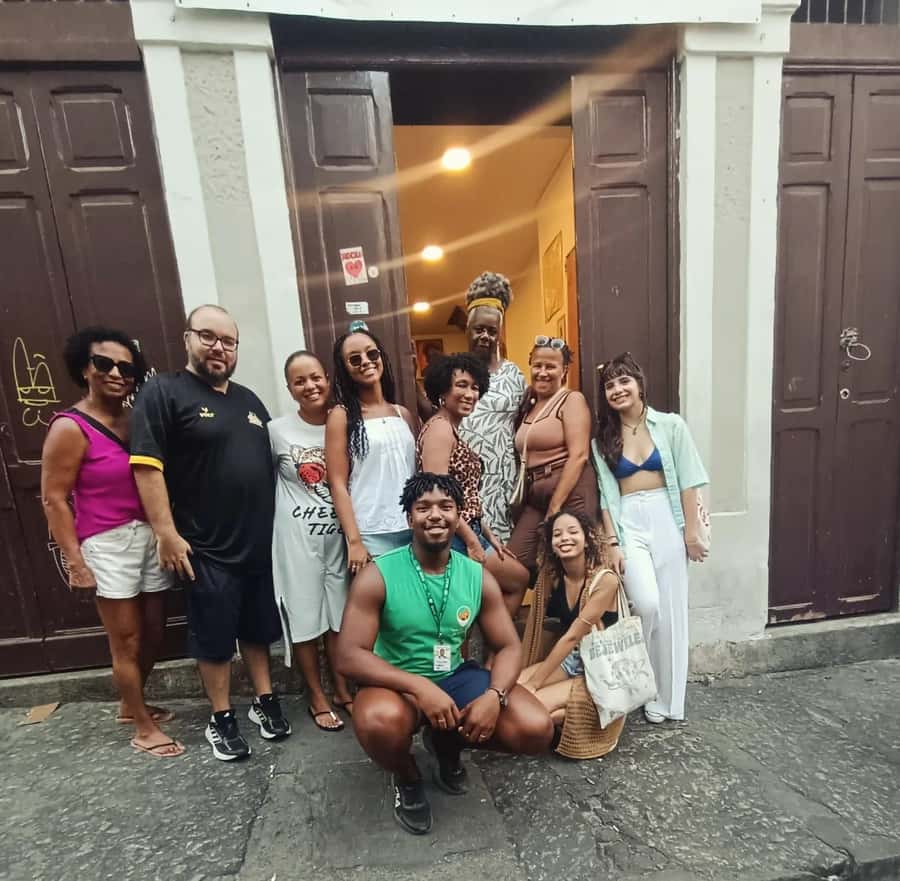
- Pequena Africa + Pedra do Sal: a focused route centered on black resistance in Rio, not the usual postcard loop
- A live, multi-language guide: English, Spanish, or Portuguese, with room for questions and discussion
- Small group feel (max 15): easier to hear, ask, and connect without getting swept along
- Cidade do Samba entrance included: you get access to the samba school parade world behind the curtains
- Carnaval origins explained: the tour frames samba schools in history, not just spectacle
- No food or drinks included: plan water and a snack if you get hungry on walks
Why This Walk Starts in Pequena Africa and Pedra do Sal
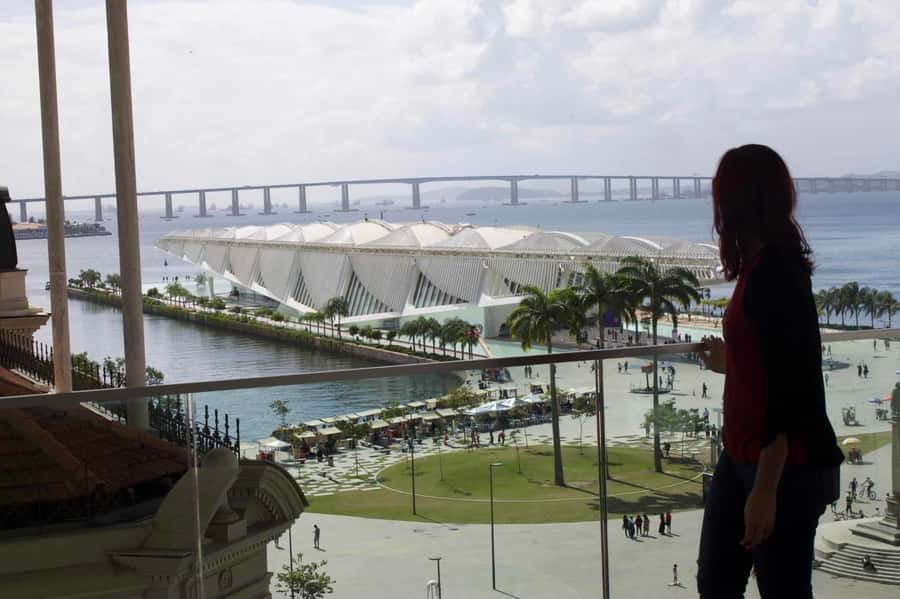
Rio can be loud with samba and sun, but this tour chooses a different angle: the history and culture of Afro-Brazilian communities. You’ll spend the first part of the experience walking in the Little Africa and Pedra do Sal area, where you’re meant to see the city through the lens of black resistance—especially the long, complicated struggle that shaped Brazil and helped lead toward abolition of slavery.
For you, that means the tour isn’t only about where to stand and what to photograph. It’s about learning how people lived, resisted, and organized—and how those stories echo into modern Rio. You’ll come away with a stronger sense of why certain neighborhoods matter, even if you’ve seen Rio before.
You can also read our reviews of more walking tours in Rio De Janeiro



What You Learn From Your Guide (and Why It Lands)
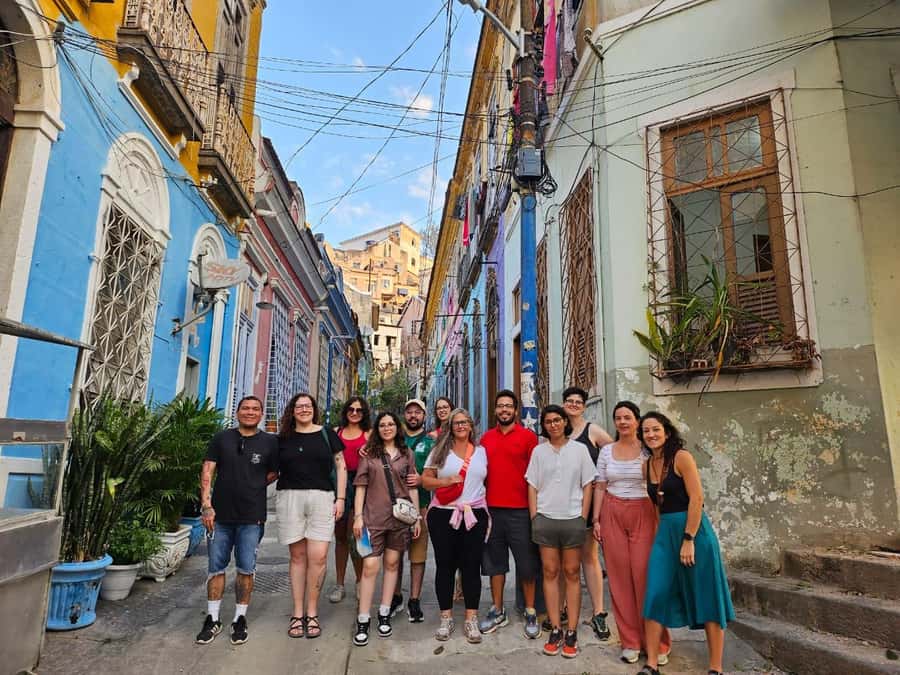
The heart of this tour is the live guide. You’re not watching a slideshow; you’re hearing a guided explanation as you move through the streets. The information is framed around black resistance and Afro-Brazilian traditions, with a specific emphasis on the struggle for abolition in Brazil. And the best part is how the guide connects history to what you can still recognize today.
In one booking, the guide Rafael was noted as attentive, which matches the vibe you want on a tour like this. You’ll likely feel comfortable asking questions, and you should. More than one person highlighted that the guide was open to discussion and that the explanation was clear and didactic—so you won’t be left with a pile of names and no through-line.
This also means you’ll get context for cultural terms and practices you’ll hear later in Rio. If you plan to explore samba culture on your own after this tour, you’ll understand it faster because you’ll know the background that created it.
The Walk Itself: Short, Purposeful, and Not a Marathon
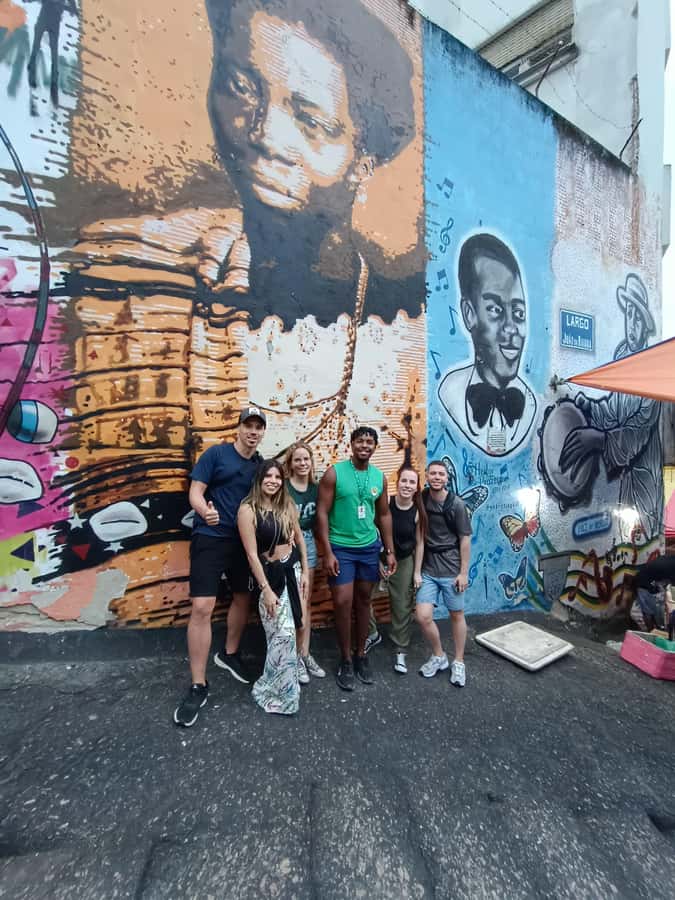
This is a 3-hour tour, and the pacing reflects that goal. The tour is built to be walkable without turning into an all-day trek. You’ll cover the important historic atmosphere of the Little Africa and Pedra do Sal region, then transition toward the Carnival hub for the finale.
Because the group is capped at 15 people, you’re less likely to feel like you’re stuck behind a wall of shoulders. You’ll also get a better sense of the guide’s attention—small groups are often where you actually hear the details that make a story stick.
Practical reality: you’re still walking in a real city. Wear comfortable shoes, and bring basic sun-and-sweat common sense. It’s not described as a lengthy hike, but you are moving for three hours and you’ll want to enjoy it rather than endure it.
Little Africa and Pedra do Sal: Places Most Visitors Skip
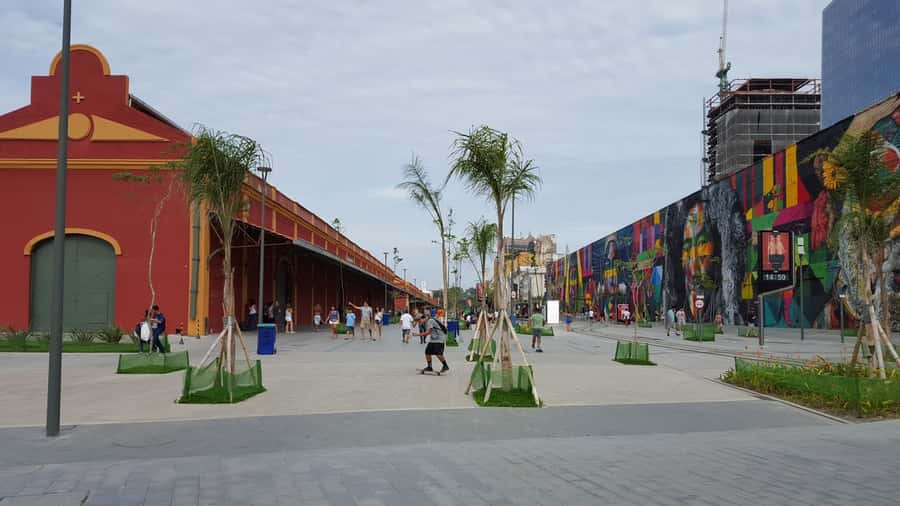
A big promise here is that you’ll see things most visitors don’t. That doesn’t mean you’ll get some secret door into a gated mansion. It means the story you’re shown is tied to neighborhoods and sites that typical sightseeing plans often miss.
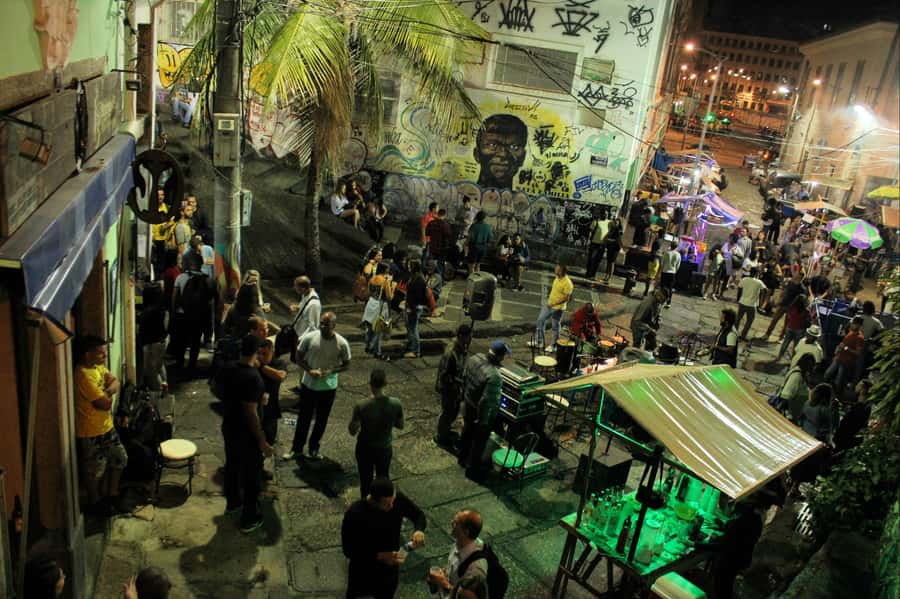
In this area, the tour focuses on the history of black resistance—so you’re not just learning about slavery as a distant chapter in textbooks. You’re seeing how resistance took shape in everyday life, and how community memory lives in the city layout and cultural traditions.
If you’re the type who likes to understand the “why” behind a place, you’ll enjoy this. If you only want landmarks for postcards, you might find the early part more educational than scenic. But even then, the tour gives you a mental map: Rio is bigger than beaches, and this route helps you see that fast.
Transition to Cidade do Samba: How Carnival Becomes Real Work

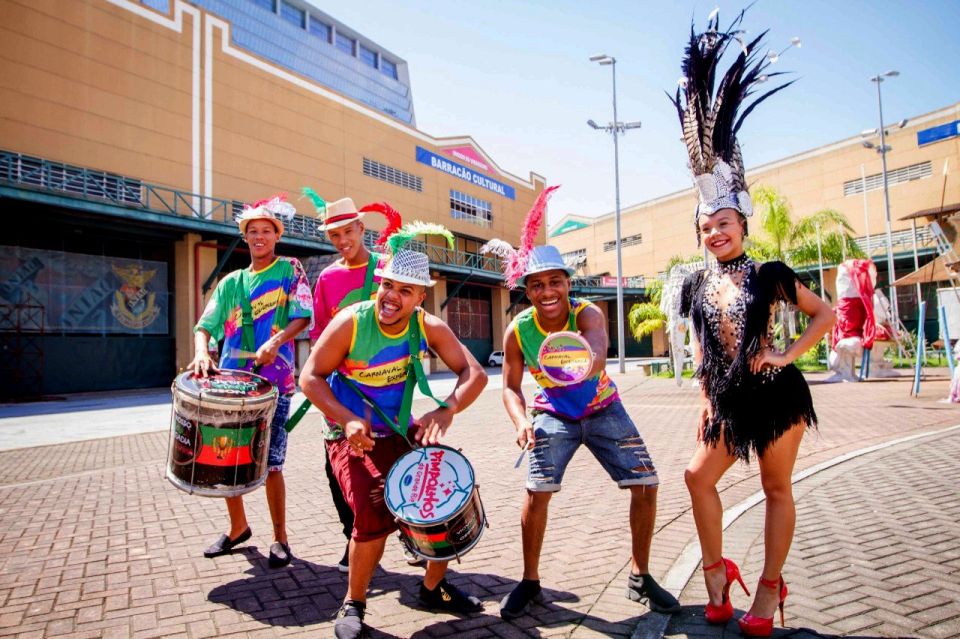
The tour ends at Cidade do Samba, where you’ll get an entrance included and a behind-the-scenes look at Carnival. This is where the tour shifts from street-level history to the logistics of spectacle: you learn about the origins of samba school parades and what makes Carnival’s big moments possible.
You’ll be shown the process and the infrastructure behind the scenes, and you’ll likely recognize this feeling when you arrive: it’s less like a museum, more like a working creative space. One review described that the visit to one of the biggest samba school warehouses is amazing, because you’re getting access to the place where things are created for Carnaval.
Here’s the balanced part. That same feedback also pointed out that the warehouse portion can feel a bit less authentic than the walking segment. That doesn’t mean it’s bad—it just has a different flavor. The first half is about people and resistance in context. The final stop is about production, building, and how an enormous cultural machine runs.




Behind the Curtains: What You Actually Gain at the Samba School Site

What you gain at Cidade do Samba is perspective. You come to understand that samba schools aren’t only about costumes and drums on parade day. They’re organizations with creative labor, planning, and a whole ecosystem of makers.
The tour frames samba school parades as something with origins—so it’s not just you standing in a hall looking at props. You’re learning how the parade world developed, and how Afro-Brazilian culture is expressed through the samba school structure.
If you’re a Carnaval fan, this is the kind of access that helps you connect the dots. If you’re not a big Carnival person, it still works because the tour treats the system itself as cultural history: how communities build, perform, and preserve identity.
Value Check: Is $100 for 3 Hours a Good Deal?
At $100 per person for a 3-hour tour, you’re paying for three things: a live guide, a guided cultural route in an area most visitors skip, and included access to Cidade do Samba.
Is it pricey? In the casual sense, yes. But in practical terms, you’re not just paying for walking. You’re paying for interpretation (the guide matters a lot here), plus admission-level access at a major Carnival-related site. Many city tours charge around the same range for basic sightseeing with no entry, so the included Cidade do Samba component is a real part of the value.
Also, the small group size (up to 15) and the fact that it’s a private group format in the way the activity is described can make the experience feel less rushed. You’re more likely to get direct answers, and that matters for a topic like black resistance history, where clarity is the whole point.
What’s Not Included (So You Don’t Get Caught Hungry)
Food and drinks aren’t included. That means you should plan your day so you’re not relying on the tour stop for a meal. Bring water, and consider a snack before or after—especially if you tend to get hungry quickly while walking.
This isn’t a criticism of the tour. It’s just how you’ll protect your comfort and your enjoyment. The tour content is engaging, so you’ll want your body to cooperate.
Who This Tour Fits Best
This is a strong match if you:
- want Rio history tied to real Afro-Brazilian cultural context
- like guided explanations you can discuss and question
- are curious about the origins and structure behind samba school parades
- want a small-group experience (max 15) rather than a big bus herd
It’s also a good fit if you’re returning to Rio or already visited major viewpoints. This tour gives you a different Rio, one that helps you understand the city beyond surface impressions.
You might consider a different option if:
- you dislike educational tours and want mostly sightseeing without deep context
- you expect every minute to feel like street authenticity, since the warehouse portion has a more production vibe
- you need a meal during the tour, since food and drinks aren’t included
A Few Practical Tips Before You Go
- Send your WhatsApp contact as requested. It helps the operator communicate with you.
- Choose comfy shoes. You’ll be walking in the city for the duration.
- Come with questions. People mentioned that the guide was open and responsive, so ask away.
- Plan your timing. The tour runs three hours, so leave room after for exploring or regrouping.
Should You Book This Rio African Culture Walking Tour?
I think you should book it if you want a more meaningful Rio experience with real context and hands-on access to Carnival’s behind-the-scenes world. The combination is the key: you get a focused walk in the Pequena Africa/Pedra do Sal area, then you finish at Cidade do Samba with entrance included and an explanation of how samba school parades work.
If you’re a “just show me the highlights” traveler, you might find the first half more reflective than scenic. But if you like understanding the city’s layers, this tour is a smart use of three hours—and the access to Cidade do Samba is a practical bonus that most standard tours don’t include.
FAQ
How long is the Rio African Culture Walking Tour?
The tour lasts 3 hours.
What’s included in the price?
It includes a walking tour in the Little Africa and Pedra do Sal region, a behind-the-scenes visit at Cidade do Samba, entrance to Cidade do Samba, and all taxes, fees, and handling charges.
Is food or drink included?
No. Food and drinks are not included.
How big is the group?
It’s a small-group experience with a maximum of 15 people.
Which languages are available for the guide?
The live guide is available in English, Spanish, and Portuguese.
Is the tour wheelchair accessible?
Yes, the tour is wheelchair accessible.
Where does the tour end?
The tour concludes at the City of Samba (Cidade do Samba), where you’ll visit and learn about samba school parade origins.
Can I cancel for a refund?
Yes. Free cancellation is available up to 24 hours in advance for a full refund.
Do I need to contact the operator before the tour?
The activity info asks you to send your WhatsApp contact.