REVIEW · RIO DE JANEIRO
Little Africa – Walking tour from the passed to the future
Book on GetYourGuide →Operated by Viajecom Io Turismo Viagem e Intercâmbio · Bookable on GetYourGuide
Rio has a doorway to African memory.
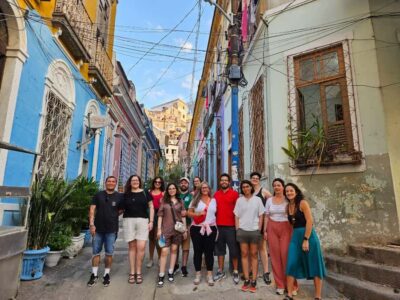
This Little Africa walking tour is a 3-hour, downtown Rio walk that follows the story of an important entry zone in Brazilian history. You’ll move through alleys tied to the arrival of many people from the African continent, and you’ll finish with a forward-looking feel for culture and identity.
Two things I especially like: you get guided site-by-site context about what used to be there, including the old slave open market area, stores, houses, and graveyards; and you leave with the emotional weight of that history explained in plain language by guides such as Larissa and Luana. A possible drawback: English quality can vary by guide, so if you’re set on English, it’s worth asking which language the guide will teach in that day.
In This Review
- Little Africa in Rio: why this walk matters
- Walking the past: markets, homes, and graveyards you can picture
- Art, culture, and the future part of the story
- Guides like Gabriela, Luana, and Larissa: the storytelling factor
- Price and logistics: the $32 online fee plus in-person payment
- What a 3-hour walk feels like in real life
- Before you go: ID, respectful behavior, and smart expectations
- Who should book Little Africa, and who should skip it
- Should you book this tour
- FAQ
- How long is the Little Africa walking tour?
- Where do I meet the group?
- How much does it cost?
- What is included in the price?
- Are food and drinks included?
- Does the tour include transportation?
- Are there discounts for children?
- Key points to know at a glance
Little Africa in Rio: why this walk matters
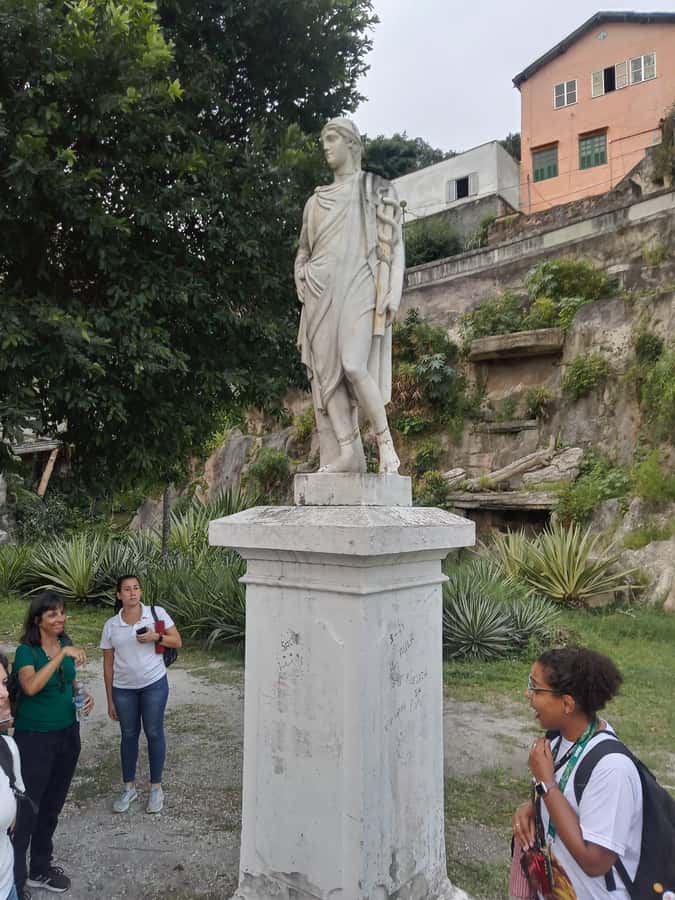
If you only know Rio from beaches and big sights, this tour is a useful reality check. The area called Little Africa is tied to a major chapter of Brazilian history: people coming from the African continent arriving in Rio, and then living, trading, and building lives under brutal conditions.
What makes this experience stand out is that it’s not museum-only history. Instead, you walk the neighborhood’s physical footprint and let the guide connect dots. You’re not just learning dates. You’re learning what those streets and places meant to real human beings—then seeing how the themes show up in today’s art and culture, the “past to the future” angle the tour advertises.
This is also the kind of tour where you should expect a serious mood at times. The information is about slavery-era structures (markets, homes, burial sites), so it’s normal if it hits you hard. In fact, most people do get emotional during the walk—plan for that instead of trying to power through it.
Walking the past: markets, homes, and graveyards you can picture
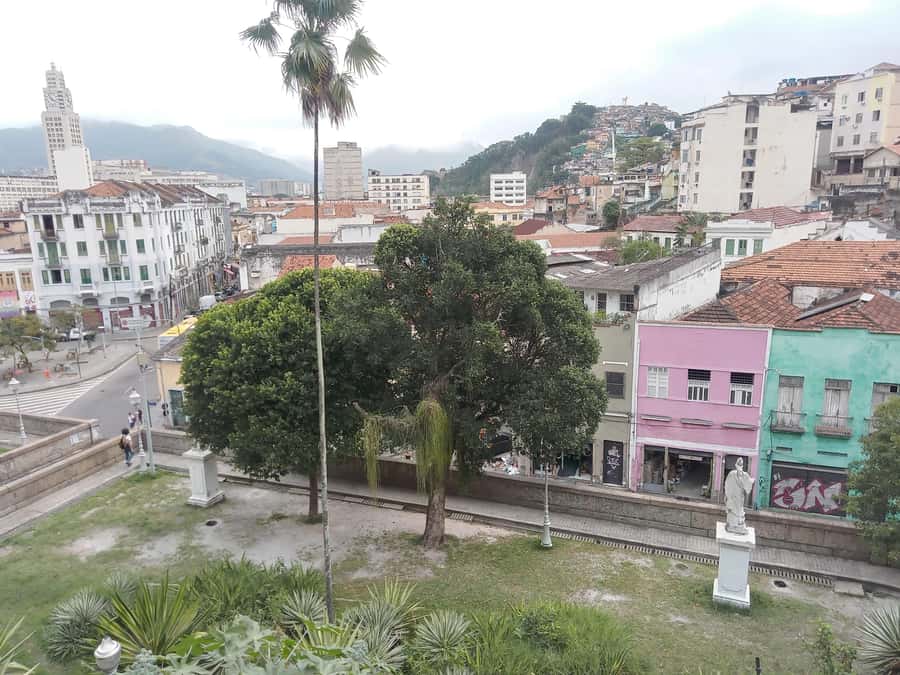
Your guide leads you through the former zone that served as an entrance point in Rio. The big idea is simple: this wasn’t just a transit space. It was a large area where an open market operated, alongside stores, houses, and graveyards.
As you walk, the guide’s job is to help you picture what the area once looked like—what people could access, what they couldn’t, and what daily life may have felt like. That’s why the tour asks for your attention to the remarks along the way: the meaning is in the details you’d normally walk past.
Here’s how I’d think about the “past” portion of the route:
- First, orientation in context. The guide frames the zone as a point of arrival and processing, so you understand why this neighborhood became so historically charged.
- Then, the traces of the old market system. The tour highlights the former slave open market area. Even if the original structures aren’t fully intact, you’ll be learning what the place functioned like.
- Next, everyday life spaces. The story expands beyond one location to include stores and houses, so you can understand how the system shaped more than one moment.
- Finally, graveyards and the human cost. This is often where the tour becomes more reflective, because the topic turns to burial and remembrance.
The key value here is explanation. It’s one thing to read about the transatlantic slave trade or the forced migration of Africans to Brazil. It’s another thing to hear a guide connect that broader history to the specific places where people lived and were buried. You get a stronger mental map.
One practical note: because this is a walking tour, you’ll want comfortable shoes and a willingness to slow down. Don’t treat it like a quick photo walk. Treat it like a guided story you can physically follow.
You can also read our reviews of more walking tours in Rio De Janeiro



Art, culture, and the future part of the story
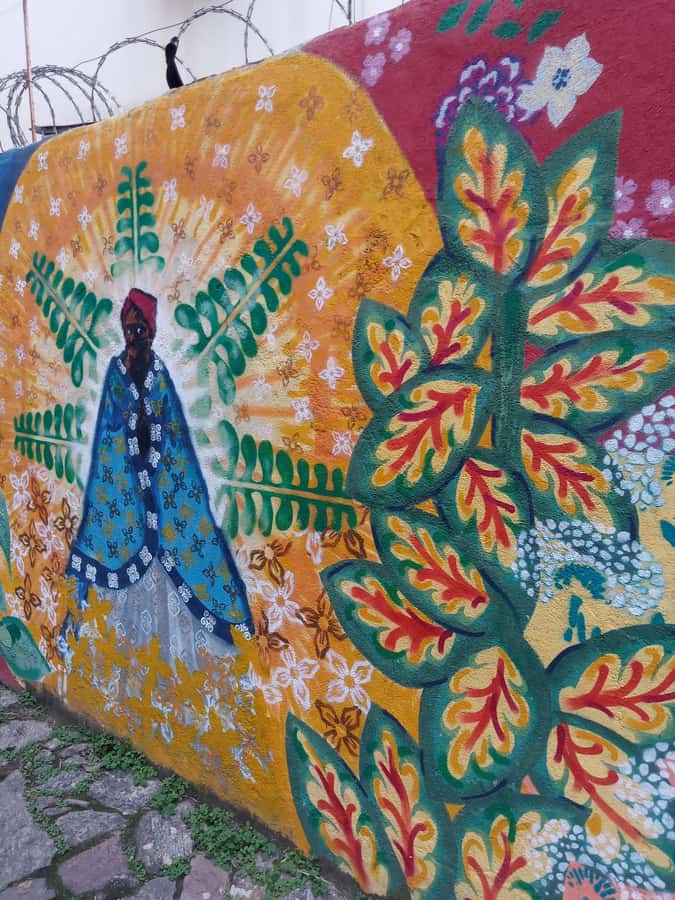
The tour doesn’t stop at tragedy. It includes art and culture, and it’s explicitly framed as moving from the past to the future.
That matters because it keeps the focus from becoming only suffering and dates. Instead, you get a sense that African heritage in Brazil didn’t just survive—it shaped language, music, community life, visual expression, and identity. When the guide connects that heritage to what you see around you now, the neighborhood starts to feel less like a history lesson and more like a living cultural thread.
Even though specific modern landmarks aren’t listed in the tour information you provided, the overall promise is clear: this is not only about what happened centuries ago. It also aims to show what that heritage continues to influence. Think of the future portion as a guided bridge—history explained so you can understand why culture today looks the way it does.
Guides like Gabriela, Luana, and Larissa: the storytelling factor

The biggest difference between an okay history walk and a standout one is how the guide delivers the story.
The tour has multiple guide names associated with strong ratings: Gabriela, Luana, Larissa, and Rafael. People praised their passion and the way they make the history feel visual and immediate. In plain terms, they don’t just list facts—they help you place yourself in the scene.
That said, there’s one important consideration for English speakers: guide English can be uneven. One lower rating pointed out that a guide’s English was hard to follow, and it suggested Portuguese might work better if your English comprehension is limited. So if English is your main option, I’d treat this as a “check language quality” tour, not a guaranteed smooth ride.
What you can do:
- If booking English is your plan, confirm the guide language for your date.
- If you’re comfortable with Portuguese or Spanish, choosing those languages can reduce friction.
- Come ready to listen closely. This tour relies on your attention to the guide’s remarks.
In short: when it’s delivered well, the emotional and historical impact lands harder. When delivery is weaker, the information is still there, but you lose some of the clarity.
Price and logistics: the $32 online fee plus in-person payment

Let’s talk money in a way that helps you budget.
- You pay US$ 32 per person as the reservation payment online (through the GetYourGuide website/app).
- Then there’s an additional payment directly to the guide of R$ 160.00 per person.
- The info also states Total of payment of the tour: R$ 310.00 each passenger, which means you should plan for the full combined amount rather than thinking the $32 is the whole package once you arrive.
- Taxes: payment by credit/debit card includes 5% taxes.
Child pricing:
- Ages 05 to 10: 50% discount.
- Ages 00 to 04: free on the parent’s lap.
What I think about value: this is a history-focused walking tour with a live guide and a 3-hour time commitment, and it does not include transport, food, or souvenirs. So the price makes sense only if you truly want guided context on a sensitive topic and you’ll treat it like a real experience, not a casual stroll.
Also, one lower rating mentioned an unexpected additional museum entry fee. That doesn’t mean it will happen every time (your tour data doesn’t confirm it as universal), but it’s a reasonable thing to ask the day-of. If the route includes a museum stop, you might want a little buffer in your budget.
What a 3-hour walk feels like in real life
Three hours sounds simple until you remember it includes walking plus heavy context. For this kind of tour, timing matters because the guide needs to keep the story flowing—and you need time to process.
Expect the pace to be guided. You’ll stop often enough to absorb explanations about the former market zone and associated sites. The structure likely follows a logical history path: entrance point framing, then market and daily-life spaces, then the more reflective graveyard angle, with the art/culture future theme coming in near the end.
For you, this means:
- Plan for a mental reset afterward. Topics like slavery and forced movement often stick with you.
- Bring water if you know you get thirsty on walks, even if beverages aren’t included.
- Expect the guide’s language level to matter. If you’re in English and the guide’s English is strong, you’ll enjoy the pacing a lot more.
If you’re someone who hates slow conversations, this may not be the right format. If you like learning with your feet on the ground, it’s a good length—long enough to build meaning, short enough to not swallow your entire day.





Before you go: ID, respectful behavior, and smart expectations
Small requirements can make or break the start of your tour.
- ID is mandatory (or a copy).
- The meeting point is in the downtown of Rio de Janeiro.
- There’s a minimum of customers: 2. If you’re traveling solo, you should contact the provider before reserving, especially since the data notes they want a heads-up if you alone.
How to set expectations:
- This is a history-and-heritage tour. Respect it. Don’t treat it like a free history scavenger hunt.
- You should expect moments where emotions come up. That’s part of why the guide leads the story carefully.
- It does not include food, transportation, or souvenirs, so plan accordingly.
For families: the tour includes child discounts, which suggests it can be paced for younger participants. Still, you’ll be in a setting where the topic is serious. If you’re bringing kids, consider whether your child can handle heavy themes and whether the guide’s language will be accessible at their age.
Who should book Little Africa, and who should skip it

This tour is a strong fit if you:
- Want African heritage history in Brazil with a guided, street-level approach.
- Like art and culture connections, not just dates and names.
- Enjoy walking tours where your attention matters more than your photo list.
- Are comfortable with an emotional topic handled by a guide.
You might want to skip it (or at least think twice) if you:
- Need consistently fluent English delivery above all else. Based on reported guide differences, you could have a rougher experience if the guide’s English is difficult to follow.
- Prefer light, low-stakes sightseeing. This isn’t designed for that mood.
- Don’t want to deal with potential extras. While the tour doesn’t list museum fees as included, one past participant flagged that an entry fee may be needed for a museum element.
Should you book this tour
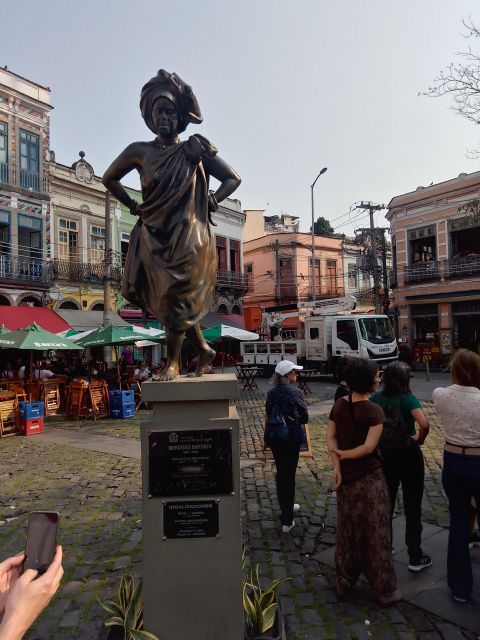
I’d book the Little Africa walking tour if you want more than Rio’s usual surface-level highlights. It’s a practical way to understand why this neighborhood is historically important, and it turns the ideas of African heritage, black history, and cultural identity into something you can literally follow on foot.
The main decision point is language. If you can travel in Portuguese or Spanish, or if you can confirm strong English for your guide, you’ll get more out of the explanations. And if you’re someone who can handle a serious, emotional history walk without rushing it, this will likely feel like one of the more meaningful experiences you’ll have in Rio.
If you want, tell me what language you plan to use and the month you’re going. I can help you decide whether to prioritize this tour on your Rio schedule.
FAQ
How long is the Little Africa walking tour?
The tour lasts 3 hours.
Where do I meet the group?
The meeting point is in the downtown of Rio de Janeiro.
How much does it cost?
The reservation payment is US$ 32 per person online, and there is an additional R$ 160.00 per person paid directly with the tour guide. The info also states a total of R$ 310.00 per passenger. Taxes may apply (5% with credit/debit card payment).
What is included in the price?
The tour includes the online service and the live tour guide service.
Are food and drinks included?
No. Food and beverage are not included.
Does the tour include transportation?
No. Transportation is not included.
Are there discounts for children?
Yes. Children from 05 to 10 years old get a 50% discount. Children from 00 to 04 years old are free on the parent’s lap.
Key points to know at a glance
Little Africa connects African heritage in Brazil to specific places tied to the entrance zone in Rio.
You walk through the former slave open market area, plus stores, houses, and graveyards as part of the guided story.
The tour includes art, culture, and a past-to-future angle, not only tragic historical facts.
Guide impact matters a lot, with strong feedback for guides such as Gabriela, Luana, and Larissa.
English clarity can vary by guide, so choosing Portuguese or Spanish may help if you want smoother explanations.
You may need extra funds for a museum stop, as one past booking noted an unexpected entry fee.