REVIEW · RIO DE JANEIRO
Hiking in the Tijuca Forest : Waterfalls and Caves
Book on Viator →Operated by RIOTRIPS · Bookable on Viator
A rainforest walk above Rio is the kind of escape that resets you fast. This guided trip blends waterfalls, cave time, and scenic lookouts, all wrapped in a smooth morning plan. I love the combo of real trail time in Tijuca National Park and the way the guides turn it into an easy, talk-as-you-walk experience (I’ve seen English skills praised from Yun and Eduardo, plus energetic guiding from Victor, Julio, and Eric). One possible drawback: you’ll be outdoors near water and can run into biting insects, especially around waterfall areas.
The best part is that it doesn’t feel like a checklist. You start with big views from Mirante das Canoas, then move into the Atlantic Rainforest for waterfalls, viewpoints, and a light-to-moderate hike that can include rougher, more primitive sections and a bit of easy rock climbing. You’ll also get chances for wildlife spotting like monkeys, marmosets, toucans, and coatis, though sightings are never guaranteed.
At $62 for about 5 hours, the value mostly comes from what’s included: round-trip A/C transport from key South Zone areas, park entrance tickets, and a multilingual guide for a small group (max 15). Just plan ahead for what’s not included—snacks, food, and drinks—so you don’t end up scrambling mid-hike.
In This Review
- Key highlights in plain terms
- Tijuca Forest: a world-class hike right next to Rio
- Hotel pickup and the small-group pace that keeps it enjoyable
- Mirante das Canoas: start with the view over São Conrado
- Taunay Waterfall (Cascatinha Taunay): the iconic rainforest centerpiece
- Light-to-moderate hiking in Floresta da Tijuca
- Bat Cave stop: a different kind of rainforest moment
- Viewpoints after the hike: Vista Chinesa and Emperor’s Table
- Wildlife spotting: what you can expect, and what you should not expect
- Price and value: what $62 buys you in Rio
- What to bring for waterfalls, caves, and rainforest trails
- Who should book this Tijuca waterfalls and caves hike
- Should you book this tour?
- FAQ
- How long is the Tijuca Forest hike?
- Where does the tour start?
- What areas in Rio have hotel pickup included?
- Is park admission included?
- What’s included in the price?
- What isn’t included?
- How big is the group?
- What stops and sights are included along the way?
- What kinds of wildlife might I see?
- Is free cancellation available?
Key highlights in plain terms
- Small group (max 15): easier conversation with your guide and less time waiting around
- Taunay Waterfall + forest cascades: the “wow” moments aren’t just lookouts
- Bat Cave stop: a memorable change of pace from open trails
- Multiple viewpoint stops: Canoas Lookout, Chinese View, and Emperor’s Table frame Rio from above
- Wildlife spotting opportunities: monkeys, marmosets, toucans, and coatis can show up
Tijuca Forest: a world-class hike right next to Rio
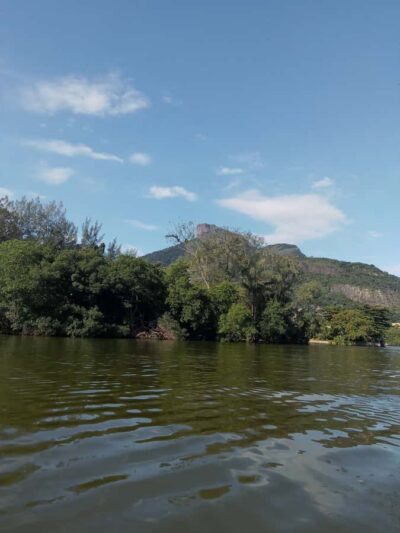
Tijuca National Park is one of those places that makes Rio feel bigger than its beach-and-boulevard reputation. You’re walking in a rainforest setting that’s famously close to the city, so the contrast is part of the magic. One moment you’re in humid green shade; the next you’re looking out over neighborhoods, mountains, and coastline.
This tour is designed for people who want nature without losing the morning. It keeps moving, but it doesn’t turn into a punishment. If you like trails with frequent “stop and look” moments—without switching to a totally technical climb—you’re in the right lane.
And yes, this is a place where your guide matters. The reviews consistently mention guides who explain flora and fauna well and keep the energy up, with named examples like Yun, Victor, Eduardo, Eric, and Julio.
You can also read our reviews of more hiking tours in Rio de Janeiro


Hotel pickup and the small-group pace that keeps it enjoyable
You don’t have to figure out transport or navigate the city before breakfast. Round-trip A/C transportation is included from Copacabana, Ipanema, Leblon, and San Conrado, and the tour ends back at the meeting point afterward.
That matters because this kind of hike runs on timing. A park visit works best when you’re not spending the first chunk of your day stuck in traffic or hunting for parking. Getting picked up by the morning schedule also makes it easier to combine this with other Rio plans later.
With a maximum of 15 people, you’re not swallowed by a crowd. It’s still a guided group, so you’ll move at a shared rhythm, but the smaller size usually means your guide can tailor explanations on the fly—especially for wildlife spotting and the short viewpoint stops.
Mirante das Canoas: start with the view over São Conrado
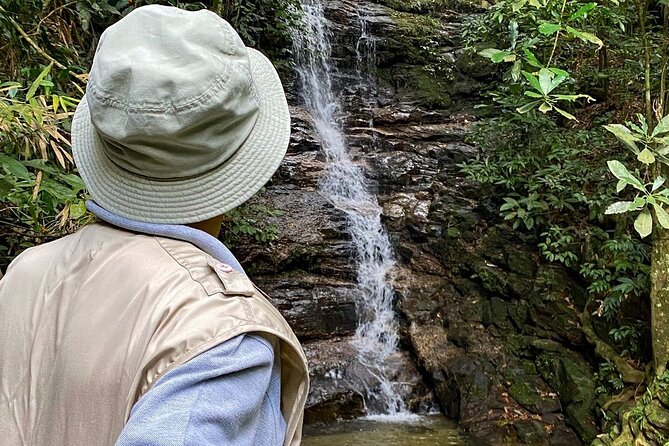
The first stop is Mirante das Canoas, also known as Canoas Lookout. This is a smart opener because it gives you context immediately. Before you enter the forest, you get sweeping views over São Conrado and Rio’s terrain, so later lookouts make more sense.
I like lookouts at the start of a hike because they set expectations. You can tell what kind of “up” you’ll be dealing with, and you understand why the city sits the way it does between mountains and the sea. It also helps you notice details on subsequent stops—river lines, ridge shapes, and which neighborhoods are closer than they look.
If you’re the type who gets excited about photos, this is a good early moment. Guides who are big on photography were specifically praised (Eduardo was mentioned for photography skills), and that often means you’ll get tips on timing and angles right away.
Taunay Waterfall (Cascatinha Taunay): the iconic rainforest centerpiece
Next comes Cascatinha Taunay, described as the largest waterfall in the park and one of the most iconic. Waterfalls are where Tijuca becomes real, fast. You’ll feel the moisture, hear the roar, and see how the rainforest supports itself around streams and mist.
This stop also creates the tour’s biggest comfort tradeoff: it’s wet. Even if you don’t plan on wading, you may deal with damp air and slick ground. One review included a tough downside—black flies around the waterfall area. The person noted that repellent didn’t hold up well when water washed over legs, leading to painful bites and swelling for days.
So here’s what I’d do if I were planning this: bring insect repellent and apply it before you get close to water, wear long layers if you tolerate them, and consider how your clothing handles getting damp. If you’re prone to bites, treat this waterfall segment as your highest risk zone.
On the plus side, this is a “principal moment” stop. Even if wildlife is quiet that day, the waterfall and the surrounding rainforest atmosphere usually deliver the memorable part of the story.
Light-to-moderate hiking in Floresta da Tijuca
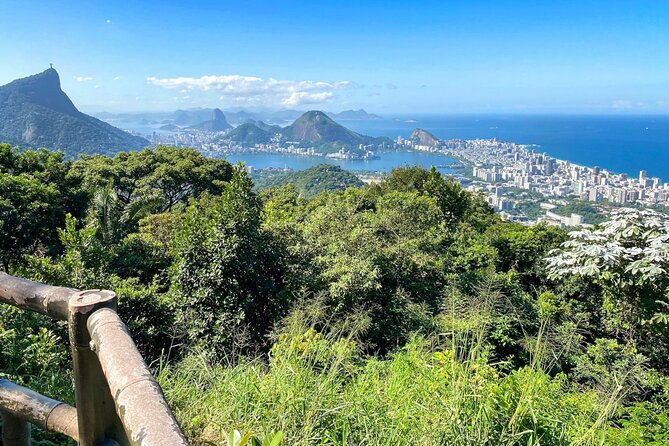
After the waterfall, you move into Floresta da Tijuca, the guided trek through Atlantic Rainforest. This is the core of the experience: walking, stopping, learning, and looking.
What makes it appealing is the balance. The hike is described as light-to-moderate overall, but it isn’t only flat pavement. One review noted mostly primitive trail, with a route roughly measured around 4.5 miles by a device, plus light rock climbing described as easy by the guide. That’s not “technical hiking,” but it is active. You’ll want solid shoes with grip.
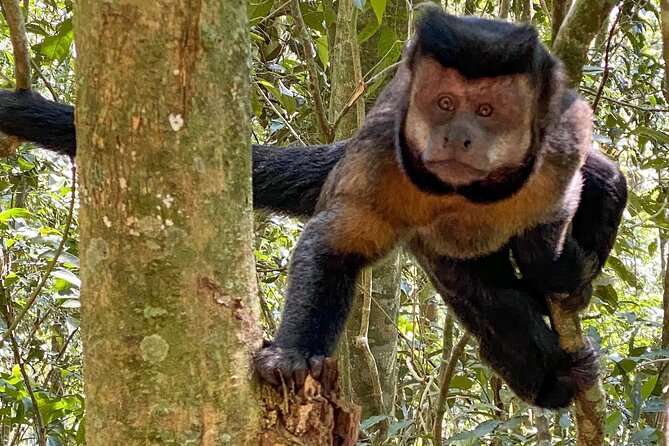
As for what you’ll learn, the guides focus on practical rainforest knowledge. The tour includes explanations about biodiversity and the ecosystem, and you get frequent chances to spot wildlife such as monkeys, marmosets, toucans, and coatis. A sloth sighting was even mentioned in one review, which tells you the forest can surprise you.
Real talk: don’t assume you’ll see every animal listed. The rainforest is living and changeable. Your best move is to stay alert when the guide calls attention to movement and sounds, and to listen closely when they explain what to look for.






Bat Cave stop: a different kind of rainforest moment
One of the more interesting inclusions is the Bat Cave stop. This gives the itinerary a “pause and switch gears” feeling. Instead of only following paths in broad daylight, you get a change in mood and a sense that the rainforest has layers you don’t see from the ground.
The data you provided doesn’t specify lighting, distance into the cave, or time spent inside. So plan on the general reality: caves usually mean cooler air, uneven ground, and potentially darker conditions. If you’re someone who hates confined spaces or slippery footing, you might want to take it slow and ask your guide how to approach safely.
For me, a cave stop is worth it because it makes the walk feel like more than scenery. It’s an “on-the-ground experience” that adds variety to the day: waterfall noise, rainforest bird life, and then a cave moment to reset your brain.
Viewpoints after the hike: Vista Chinesa and Emperor’s Table
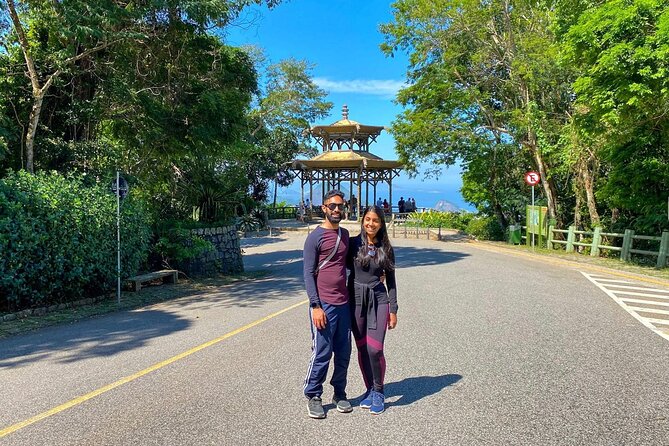
The tour ends with strong payoff viewpoints: Vista Chinesa (Chinese View Lookout) and the historic Emperor’s Table, plus other natural viewpoint stops along the way.
These places matter because they show you the geometry of Rio. From up high, you can connect what you saw earlier—ridges, slopes, forest patches—to what you’ll recognize later when you look at the city skyline from street level. Vista Chinesa is especially famous as a scenic stop, and a viewpoint tour here tends to feel like a reward for walking through the rainforest first.
Emperor’s Table adds a historical touch without turning the day into a museum visit. It’s more about the setting than a lecture: you get to stand somewhere with a story attached and then look out over the city.
In one review, the guide’s timing got the group back at their hotel by early afternoon. That’s a big practical win. You can use the rest of your day for beaches, sugarloaf area planning, or just recovering with a cold drink.
Wildlife spotting: what you can expect, and what you should not expect
The tour is built with wildlife spotting in mind. Your guide should be actively pointing out species like monkeys, marmosets, toucans, and coatis. Reviews also highlight sightings such as monkeys and even a sloth.
Still, rainforest wildlife is not a vending machine. Weather, time of day, and animal behavior all matter. The most helpful attitude is to treat wildlife as a bonus. The main value of this day trip is that you’re walking in a real ecosystem with a guide who knows what to look for.
One more thing: wildlife spotting often improves when you keep your pace calm. If you rush ahead, you miss cues—bird calls, leaf movement, or tracks. The guides mentioned in reviews (especially those named like Eduardo and Victor) are praised for attention and timing, which usually leads to more productive spotting moments.
Price and value: what $62 buys you in Rio
At $62 per person for about 5 hours, this isn’t a cheap impulse buy, but it also isn’t just for a view from a bus window. The cost is doing real work for you:
- Round-trip A/C transportation from several South Zone neighborhoods
- Tijuca National Park entrance tickets included
- Experienced, multilingual guide
- A capped group size (max 15)
- A structured route that includes viewpoints, waterfall time, and a cave stop
The “not included” part is where you should budget: snacks, food, and drinks. That’s normal for hikes, but it matters more here because you’re combining water stops and trail time. Bring or buy snacks so you can keep energy steady.
One review called the price a bit expensive for what was included. I get that reaction if you mainly want animal encounters. But if you value guided interpretation, safe navigation, and a full route with multiple wow stops, the inclusion list makes more sense.
In Rio, time is money. This tour buys back your time and mental energy with pickup and a planned schedule.
What to bring for waterfalls, caves, and rainforest trails
The tour data doesn’t list gear requirements, so I’ll stick to what’s strongly implied by the route. You’ll deal with wet conditions near cascades and potential insect pressure around water.
Bring:
- Good grip shoes for rougher, primitive sections
- Insect repellent, especially for waterfall proximity
- Long layers if you’re prone to bites (helps with black flies reported near the waterfall)
- A light daypack for water and a snack
- Water and a small snack plan, since food and drinks aren’t included
If you’re worried about cave time, wear clothing that lets you move comfortably and safely on uneven ground.
Also, consider camera timing. Early lookouts can be bright and photo-friendly. Later rainforest areas can be shadier, so your phone settings might need a quick adjustment.
Who should book this Tijuca waterfalls and caves hike
This tour fits best if you want:
- Guided trail time without heavy logistics
- Waterfall + cave variety in one morning
- Multiple viewpoints so the day feels complete
- A smaller group pace with chances for conversation
It’s also a good pick if you’re visiting Rio for the first time but don’t want to spend the whole day inside buses. The park route is a side of Rio that feels more grounded in real nature.
If you hate insects or are sensitive to bites, go in with preparation. The waterfall area can be a trouble spot for some people, based on firsthand experience.
Should you book this tour?
I’d book it if you want a structured rainforest day that goes beyond a single waterfall photo and actually uses your morning well. The small group, included park entry, and guided route through Taunay Waterfall, bat cave time, and finish viewpoints make it a high-return use of a half-day.
Skip or rethink if you’re extremely insect-sensitive and you’re not willing to bring repellent and cover up. Also, if your main goal is guaranteed wildlife, this is still a nature hike, not a wildlife safari. You’re coming for the forest, the water, and the viewpoints—and the wildlife is a bonus when it happens.
FAQ
How long is the Tijuca Forest hike?
The tour runs for about 5 hours (approx.).
Where does the tour start?
It starts at Mirante das Canoas.
What areas in Rio have hotel pickup included?
Pickup is included from Copacabana, Ipanema, Leblon, and San Conrado.
Is park admission included?
Yes. Tickets for Tijuca National Park are included.
What’s included in the price?
You get an experienced multilingual guide, round-trip A/C transportation to and from your hotel area, and park entrance tickets.
What isn’t included?
Snacks/food, drinks, and any extra charges are not included.
How big is the group?
The tour has a maximum of 15 travelers.
What stops and sights are included along the way?
You’ll visit Mirante das Canoas, Taunay Waterfall, viewpoints (including Vista Chinesa/Chinese View), and the Bat Cave, plus the Emperor’s Table at the end.
What kinds of wildlife might I see?
The tour includes chances to spot monkeys, marmosets, toucans, and coatis; a sloth sighting was also mentioned in reviews.
Is free cancellation available?
Yes, you can cancel for a full refund up to 24 hours before the experience starts.