
REVIEW · RIO DE JANEIRO
Guided Market Fruit Tasting in Rio with 15+ Exotic Flavors
Book on Viator →Operated by Cook in Fiesta · Bookable on Viator
Rio fruit hits different when it comes with stories. I love that this guided stop at a real market feeds you 15–20 exotic Brazilian fruits, each one with context so it actually means something.
I also like the way guides such as Hay Za and Caterina turn quick tastings into a simple lesson on how people in Brazil live, eat, and flavor daily life.
The only catch: it’s a guided tasting, not an all-you-can-shop pass, so if you fall in love with a fruit (or a juice), plan on buying it yourself.
In This Review
- Key highlights worth your time
- Why this Rio fruit tasting feels like a mini tour of Brazil
- Ipanema start point and what the 2.5 hours really offers
- Entering the farmers’ market with a guide, not a shopping list
- The 15–20 fruit lineup: the fun part is the surprises
- Why the stories matter (especially when you don’t know the fruit)
- More than fruit: juices, nuts, and other market bites
- Guides you can trust: the names people remember
- How to get the most from the tasting (without overthinking it)
- Price and value: is $49 worth it?
- Timing, comfort, and what to bring
- Who this tour is best for
- Should you book it?
- FAQ
- How long is the guided fruit tasting in Rio?
- Where does the tour start, and where does it end?
- How many fruits will I taste?
- What group size should I expect?
- Are service animals allowed?
- Can I cancel for a full refund?
Key highlights worth your time
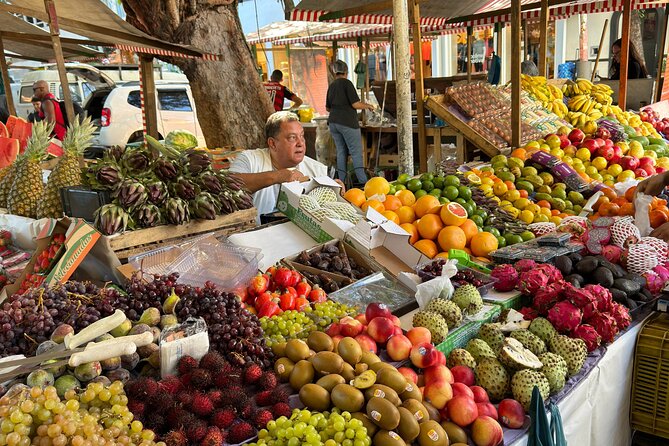
- 15–20 exotic fruits plus local juices, nuts, and native ingredients
- Small groups (max 15) for calmer pacing in a busy market setting
- Local fruit expert stories that connect each fruit to regions like the Amazon
- Hands-on tasting of unusual fruits you may never see outside Brazil
- Photo-friendly market moments without feeling like a formal show
Why this Rio fruit tasting feels like a mini tour of Brazil
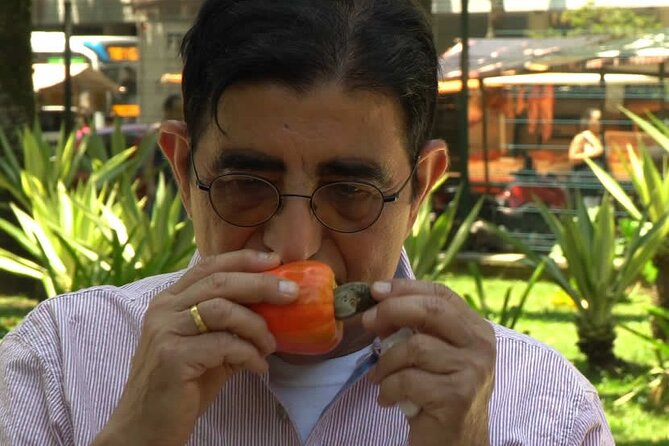
This is the kind of experience where you leave full, but also with new mental filing. One bite is about flavor. The next bite is about how that fruit travels through daily life in Brazil.
You’re not just handed slices and told to eat. You’re guided through a farmers’ market as a local fruit expert explains what you’re tasting and why it matters. That combo is what makes it stick, even after the sugar rush fades.
You can also read our reviews of more food & drink experiences in Rio de Janeiro



Ipanema start point and what the 2.5 hours really offers
The tour starts at 10:00 am in Ipanema, and it ends back at the meeting point. Total time is about 2 hours 30 minutes, which is long enough to try a lot, but short enough that you can still plan the rest of your Rio day without rushing.
Because the group size maxes at 15 travelers, you don’t feel like you’re swallowed by the market crowd. It stays focused: tasting first, learning second, shopping only if you want it.
One practical detail: the meeting area is near public transportation, so you can fit this in even if your hotel isn’t in Ipanema. And since you’ll be on your feet, wear shoes you can walk in for a while.
Entering the farmers’ market with a guide, not a shopping list
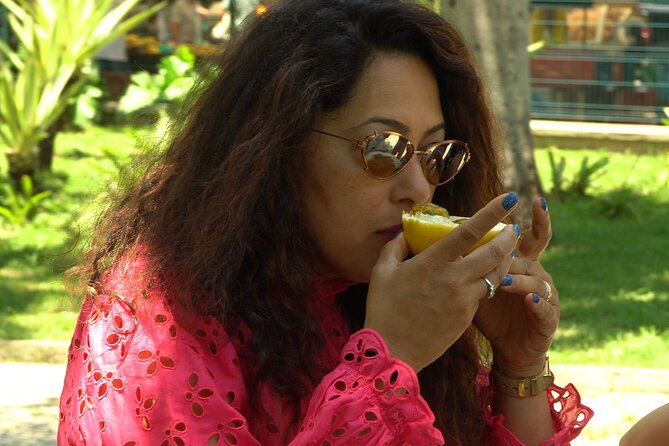
The big value here is the order of things. You’re walking the market with a guide who knows how to connect fruits to culture, not just where to find them.
You’ll taste across multiple stalls and flavors, including native ingredients beyond fruit. And you’ll get quick context as you go, so you’re not just memorizing names. You understand the role each fruit plays—where it’s used, how people enjoy it, and what locals reach for.
If you’re the type who usually stares at menus and asks, What is that?, this format will feel like a cheat code. The guide handles the translation in real time.
The 15–20 fruit lineup: the fun part is the surprises
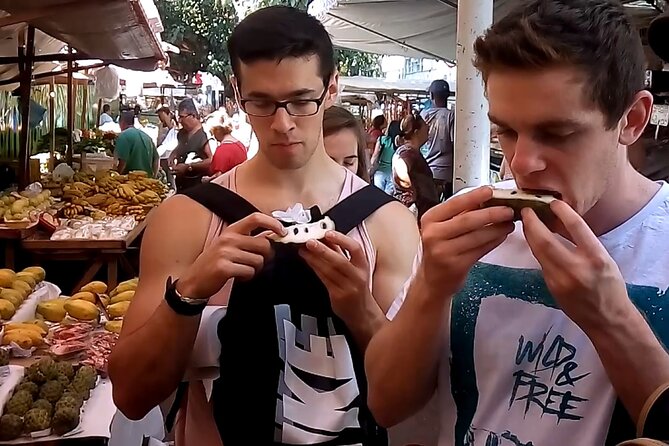
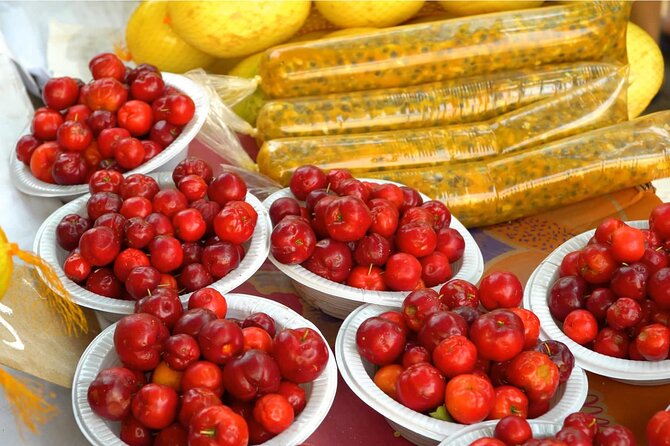
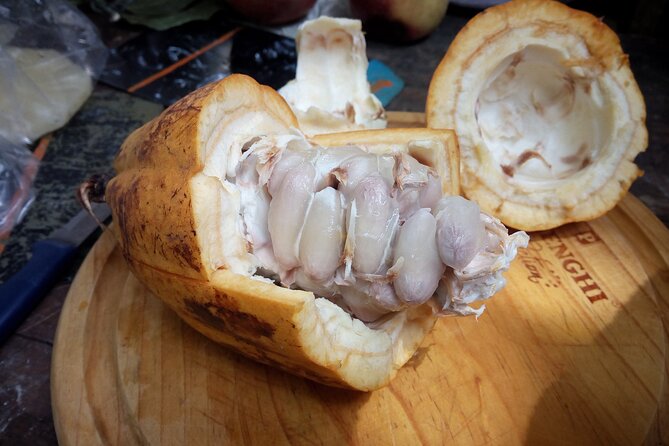
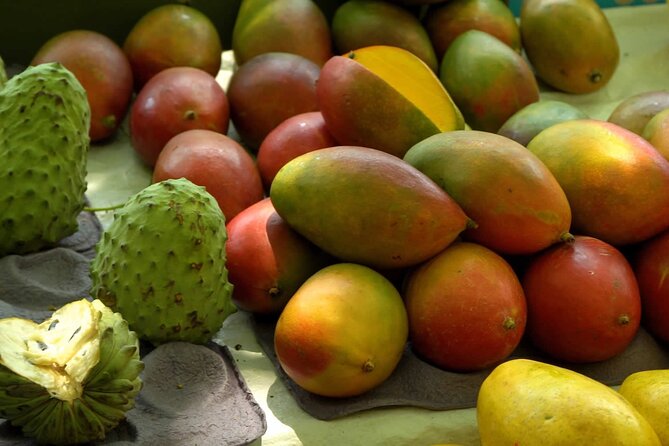
This tour’s promise is 15–20 exotic fruits, and it’s usually more than “tourist-safe tropical.” You’ll encounter fruits many people never tried before, alongside familiar ones served in ways that are new to your palate.
A few of the fruit stories you can look forward to:
- Açaí, linked to the Amazon and the way it fuels regional food culture.
- Jabuticaba, notable for how it grows right on the tree bark, not only at the ends of branches.
- Cashew apples, where locals turn them into sweets and even liqueurs—proof that fruit isn’t wasted and nothing is just eaten raw.
What makes that especially useful is that it changes how you taste. Instead of asking, Is this good?, you start noticing texture, acidity, and sweetness patterns that make sense with the fruit’s role at home.
Why the stories matter (especially when you don’t know the fruit)
Here’s the thing: tasting without context is fine. Tasting with context is better, because you learn how Brazilians think about flavor and ingredients.
The guide’s job is to give you the “why” behind what you’re seeing. That’s why you’ll hear how fruits connect to different regions and daily habits, not just random trivia.
In reviews, this storytelling is a standout. People mention getting a mix of fruits they already knew and fruits they had never seen. That means you’ll learn even if you’re a self-proclaimed foodie, and you won’t feel lost if you’re not.
You can also read our reviews of more guided tours in Rio de Janeiro






More than fruit: juices, nuts, and other market bites
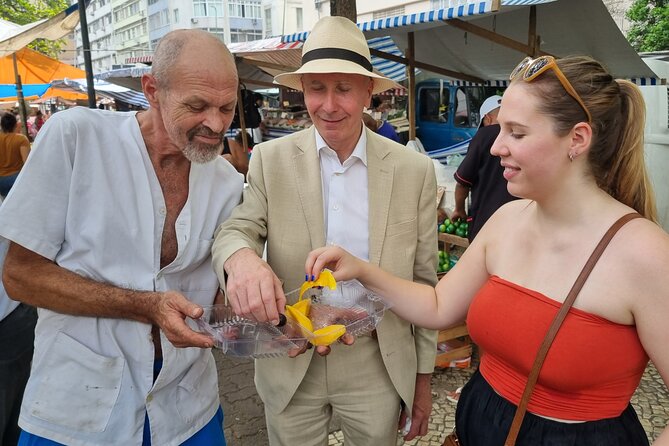
Your tasting isn’t limited to fruit alone. You’ll also try local juices, nuts, and native ingredients.
That matters for two reasons:
- It balances the sugar. Fresh fruit can be sweet, but the juices and nuts help round out the tasting experience.
- It gives you a fuller snapshot of market eating in Rio, where snacks and ingredients often travel together.
So even if one fruit surprises you in a way you didn’t expect, the rest of the lineup keeps the pace enjoyable instead of one-note.
Guides you can trust: the names people remember
What really drives the best tours like this isn’t the fruit list. It’s the person guiding the experience.
In the reviews, you see names coming up again and again:
- Hay Za gets called out for being amazing, sweet, and full of fruit know-how.
- Caterina is praised for helping people learn what Brazilians like and eat, and for managing a lot of tasting without making it feel chaotic.
- Erica is highlighted for providing local context and answering questions as you go, with an extra bonus of helping people shop.
Even if your guide isn’t one of these exact names on your date, the pattern is clear: you’re getting a real local fruit expert vibe, not a script read off a card.
And you’ll feel it in the questions you’re able to ask. The best moment is when the guide points at something nearby and tells you what to watch for next, like how a fruit is typically eaten or what to expect from the flavor.
How to get the most from the tasting (without overthinking it)
A fruit tour can tempt you into trying everything at once and then regretting it later. Don’t.
Instead:
- Pace yourself. If you find something new and intense, take a breath after the first bite.
- Bring a “try first, decide later” mindset. The weirdest-looking fruits can end up being your favorites after a second sample style (for example, juice vs. fresh).
- Use the market walk as your cue for what to buy after. The tour itself doesn’t include extra shopping, but you’ll get ideas fast.
Also, remember this is a tasting. The tour doesn’t block you from buying more, but it doesn’t push it either. The nice part is that after you finish the guided tasting, you’re free to wander and pick up extra treats on your own.
Price and value: is $49 worth it?
At $49 per person for about 2.5 hours, the value depends on what you want from the experience.
If you want to simply eat fruit, you could buy fruit at a market yourself. But you won’t get the guided tasting structure: the 15–20 lineup, the explanations, and the selection logic that helps you taste widely without guessing.
Here’s what you’re paying for:
- Multiple fruit tastings, not just one or two
- A guided walk through a real farmers’ market
- Additional samples beyond fruit (juices, nuts, native ingredients)
- A local expert who ties the fruit to Brazil’s food culture
On top of that, there’s a five-star guarantee. If it doesn’t deliver a five-star experience for you, you don’t pay for four. That’s not a small detail, because it signals how seriously they take quality.
One more practical note: it’s often booked in advance. On average, people book this about 26 days ahead, which tells me you should reserve early if your dates are fixed.
Timing, comfort, and what to bring
Because you’re on your feet in a market, comfort matters. You’ll be walking and stopping to taste. Plan for that.
I’d also suggest you:
- Come hungry enough to enjoy everything, but not so hungry you feel sick after the first few fruits.
- Bring a small water bottle if that’s your style, especially on hotter Rio days.
- Bring your phone. The market setting and the color of the fruits make it easy to take pictures without making it feel staged.
If you’re sensitive to very sweet flavors, you may still enjoy the tour. The juice and nut tastings help break up the sweetness, and the guide’s pacing helps too.
Who this tour is best for
This tour shines if you’re one of these types:
- You love trying new foods and want a guided way to do it.
- You want a food experience that feels local, not like a scripted restaurant meal.
- You’re a foodie who wants variety, but you still appreciate learning the story behind what you’re eating.
It also works well for people who aren’t hardcore about food. The guide does the explaining, and you’re given enough samples that you’ll find at least a few wins.
If you’re mainly looking for a long market shopping spree, this may feel short. You can browse and buy on your own, but the tour is built around tasting and learning, not hours of independent wandering.
Should you book it?
If you like food stories and you want to taste a lot in a short window, I’d book this. The mix of 15–20 exotic fruits, market walking, and guide-led context is exactly the kind of experience that makes a place feel real fast.
I’d skip or rethink if you hate trying new flavors, or if you’re hoping for a full-on shopping excursion where the guide does all the buying. This is a guided tasting with optional browsing afterward.
One last nudge: choose it for the guide-driven tasting. The fruit list is great, but it’s the names people remember—Hay Za, Caterina, Erica—and the way they connect each bite to local life that makes the tour worth returning to.
FAQ
How long is the guided fruit tasting in Rio?
It lasts about 2 hours 30 minutes.
Where does the tour start, and where does it end?
It starts in Ipanema, Rio de Janeiro, and it ends back at the meeting point.
How many fruits will I taste?
You’ll taste 15–20 exotic Brazilian fruits, plus tastings of local juices, nuts, and native ingredients.
What group size should I expect?
The tour has a maximum of 15 travelers.
Are service animals allowed?
Yes, service animals are allowed.
Can I cancel for a full refund?
Yes. You can cancel up to 24 hours in advance for a full refund. If you cancel less than 24 hours before the start time, the amount you paid will not be refunded.