REVIEW · RIO DE JANEIRO
Centro Historico and Lapa – Santa Teresa Walking, Historical and Bohemian Tour
Book on Viator →Operated by Good Guide In Rio · Bookable on Viator
Rio changes fast in one day. This tour strings together Centro landmarks and bohemian hillside charm into one walkable route. I love how it mixes major architecture with street-level details, from the Metropolitan Cathedral to the Arcos da Lapa.
Two things I especially like: you get inside the Cathedral for its stained glass, and you ride the yellow Santa Teresa tram up into a neighborhood that feels like a different Rio.
The main thing to consider is simple: it’s a long day with a lot of street walking, plus some stairs/uneven sidewalks. If you’re sensitive to long walking time, you’ll want comfy shoes and a steady pace.
In This Review
- Key Highlights You’ll Actually Feel on the Day
- Why This Centro and Lapa Route Is Such a Smart First Rio Day
- Cinelândia Square to the Metropolitan Cathedral: Learn the City’s Big “Set Pieces”
- Largo da Carioca and Praça Quinze de Novembro: Baroque Churches and Republic-Era Landmarks
- Confeitaria Colombo and Centro Squares: How Old Rio Still Feeds People
- Praça Pio X to Mosteiro de São Bento: Quiet Power in Church Architecture
- Mauá Square and the Estúdio Kobra Mural: Views That Connect Old and New
- From Santa Teresa Tram Station to Largo dos Guimarães: The Yellow Bonde Climb
- Parque das Ruínas to Escadaria Selarón to Arcos da Lapa: Art, Views, and an Old Aqueduct
- Drinks Included and the Real Value of Paying $137.80
- Who This Tour Fits Best (and Who Should Rethink It)
- A Note on Guides: The Difference Between Hearing and Getting It
- Should You Book This Centro and Santa Teresa Walking Tour?
- FAQ
- FAQ
- What time does the tour start?
- Where is the meeting point?
- How long is the walking tour?
- How big is the group?
- What is included in the tour price?
- Is lunch included?
- If I cancel, will I get a refund?
Key Highlights You’ll Actually Feel on the Day
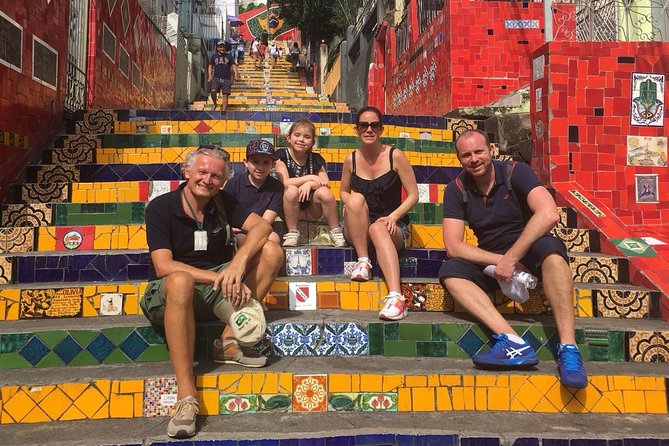
- Small group (max 12) keeps the pace conversational and helps with photos at stops
- Inside access at the Metropolitan Cathedral for monumental stained glass and architecture
- Two worlds in one route: Centro squares and churches, then Santa Teresa viewpoints and bohemian lanes
- Santa Teresa Tram ride included for panoramic views without you figuring out the logistics
- Selarón Steps to Lapa Arches connects art to the city’s older engineering story
- A drink break is included (caipirinha, beer, soda/juice, or water), so you’re not rationing energy all day
Why This Centro and Lapa Route Is Such a Smart First Rio Day
Rio’s center can feel overwhelming at first. This tour helps you get your bearings fast by giving you a timeline you can walk through: grand squares, churches, old streets, then the hill-to-bay vibe of Santa Teresa and Lapa. You’re not just checking boxes—you’re learning what each place is for, and why it matters in everyday city life.
What I like most is the way the route keeps pulling you forward. One stop is about what you see in front of you. The next stop helps you understand it: who built it, what the design is trying to say, and how the view connects to the larger city.
Also, with a small group and a fixed start time of 9:00 am, you avoid the slow start that can happen when you try to cobble together your own plan across Centro and the hills.
You can also read our reviews of more walking tours in Rio de Janeiro



Cinelândia Square to the Metropolitan Cathedral: Learn the City’s Big “Set Pieces”
The day opens in Cinelândia, a classic Rio square built for spectacle and civic pride. You’ll stand where major institutions gather and where the city’s cultural heartbeat shows itself in stone and design. The walk here is short but the payoff is big: you’ll be pointed toward the Teatro Municipal, the Museu de Bellas Artes, the city hall building, and the Biblioteca Nacional, plus the Teatro Odeon (still operating as a cinema). Even if you don’t go inside, this is where the “Rio as a cultural capital” vibe becomes real.
Then you move to the Metropolitan Cathedral of Saint Sebastian. This is one of the key moments of the tour because you actually enter. You’re there to take in the architecture and the story behind it, but the headline is the monumental stained-glass windows—the kind you can’t fully appreciate from street level photos. The guide’s job is to point out what to notice, so you don’t miss the details that make it feel more than just a big church.
A practical thought: cathedral lighting can be tricky for photos. If you care about pictures, bring your phone/camera ready, and don’t expect perfect lighting at every angle.
Largo da Carioca and Praça Quinze de Novembro: Baroque Churches and Republic-Era Landmarks

Next comes Largo da Carioca, a turning point in the tour’s feel. Instead of grand theaters and museums, you’re in the older, tighter fabric of Centro. You’ll pass by the Sao Antonio church and Sao Francisco da Penitencia, including a panoramic viewpoint from the terrace where the churches sit right next to each other. The big lesson here is how Rio’s religious architecture shaped both streets and viewpoints—this isn’t just worship space, it’s a way to look out at the city.
From there, you head to Praça Quinze de Novembro, tied to a major national story: the Proclamation of the Republic. Around the square you’ll see several landmarks in a concentrated area, including the Church of Our Lady of the Carmelites, the Paço Imperial, the equestrian statue of General Osorio, and Tax Island in Guanabara Bay. You’ll also learn about the ferry pier connections to Niteroi and Paqueta, which helps you picture how Rio’s water routes fit into daily life.
If you’re the type who likes to understand a city’s structure, this section is a good “map in your head” moment. If you’re more focused on photos, just keep your phone charged—this is the area where you’ll want snapshots from multiple angles.
Confeitaria Colombo and Centro Squares: How Old Rio Still Feeds People
Between the bigger civic stops, the tour gives you an old-Rio detour through pedestrian streets to Confeitaria Colombo. This café is famous because of its age and its art deco style, which makes it feel like a time capsule inside a place people still use. You’re only there briefly, but it’s long enough to grasp why it’s such an iconic Centro landmark.
This kind of stop matters because it balances the heavier church-and-monument moments. You get a human scale break—something grounded, not just stone and statues.
One small consideration: since lunch isn’t included, you may want to treat this café stop as a “look and taste later” moment. The tour includes drinks, but not a full meal.
Praça Pio X to Mosteiro de São Bento: Quiet Power in Church Architecture
You’ll move through more pedestrian routes to Praça Pio X, and the vibe starts to shift from broad squares to more intimate architectural storytelling. Here you’re introduced to key sights like the Candelária church, the CentrO Cultural do Banco do Brasil, and casa França Brasil.
Then the tour goes to Mosteiro de São Bento (Saint Benoit monastery). This is another of those stops where your experience depends on paying attention: you’ll visit one of Rio’s most beautiful churches and hear how it developed and why it’s significant. The monastery atmosphere is different from the bright street feel outside it—expect a calmer, slower tempo once you step in.
If you’re visiting in hot weather, this is a good place to take a breather. Keep an eye on time, though. The tour keeps moving to Santa Teresa, and the next leg is where the views begin to climb.
You can also read our reviews of more historical tours in Rio de Janeiro





Mauá Square and the Estúdio Kobra Mural: Views That Connect Old and New
Mauá Square is a change in pace and a change in attitude. You won’t just hear about the Museum of Tomorrow (Museu de Amanha) (the tour doesn’t go inside it), but you’ll still get value from understanding the architecture and what it represents. Then there’s the Art Museum of Rio with its panoramic terrace on the top floor. Even if you don’t get extended time, being aware of what you can see from there helps you connect the geography: Mauá Square, the Niteroi Bridge, and the bay.
After that, you get a street-art stop that turns the Olympics-era idea of Rio into something you can point at: Etnias – Mural de Graffiti, also associated with Estúdio Kobra. The mural is described as the largest in the world, representing five ethnic groups, created by Eduardo Kobra for the Olympic Games. This is the kind of art stop that makes you look up and around, not only ahead.
For practical planning: with murals and terraces, your best photos are usually those moments when you pause and reframe rather than constantly walking and shooting. Give yourself those tiny pauses, and you’ll enjoy it more.
From Santa Teresa Tram Station to Largo dos Guimarães: The Yellow Bonde Climb
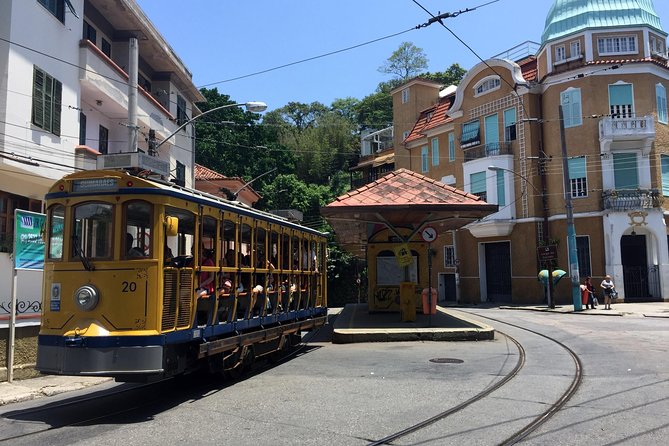
This is where the tour becomes its own little storyline. You head back to the Santa Teresa tram station to ride the famous yellow Bonde. The ride is described as a panoramic journey—about 30 minutes—and you’re given time to enjoy the climb’s charm, not just pass through it.
The tram section is also strategically valuable. It shifts the effort from your legs to the rails, which matters because you’ve already done a full Centro circuit by this point. You’ll feel the altitude and the change in streets as the hills start shaping the view.
After the tram ride, you walk around Largo dos Guimarães in the heart of Santa Teresa. This is a different kind of Rio: homes from the late 1800s into the early 1900s, with views, restaurants, and bars that helped make the neighborhood known for its bohemian character. The tour’s purpose here isn’t to sell you a nightlife plan—it’s to show you why the neighborhood developed its look and mood.
If you’re traveling with someone who loves architecture or neighborhoods, this is one of your strongest alignment points. If you prefer faster sightseeing, just know the pace is more strolling than rushing.
Parque das Ruínas to Escadaria Selarón to Arcos da Lapa: Art, Views, and an Old Aqueduct
Santa Teresa’s signature viewpoint arrives next at Centro Cultural Municipal Parque das Ruínas. This place was a former home of Laurinda Santos Lobo, now transformed into a viewpoint structure. You’re there for the view across Centro, the Lapa arches, Christ, and Botafogo. Even if you’ve seen these landmarks in photos, seeing them from this kind of vantage point changes how your brain connects the map.
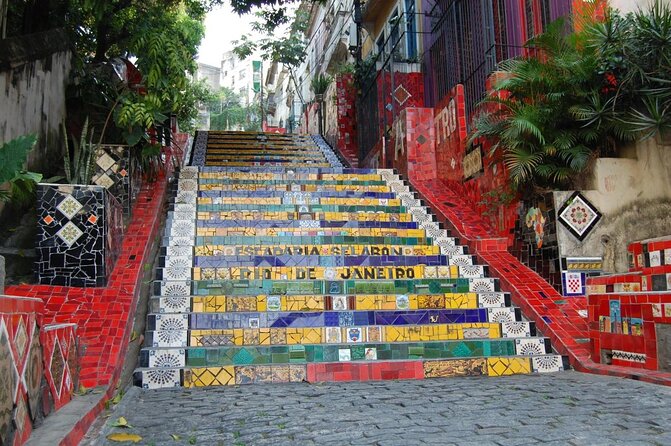
Then it’s time for Escadaria Selaron—the famous multicolored staircase created by Chilean artist George Selaron over about 20 years. This isn’t just a photo stop. It’s also a lesson in how one person’s long-term artwork can change how people navigate a whole area. Expect the stairs to feel like a slow moving ribbon of color.
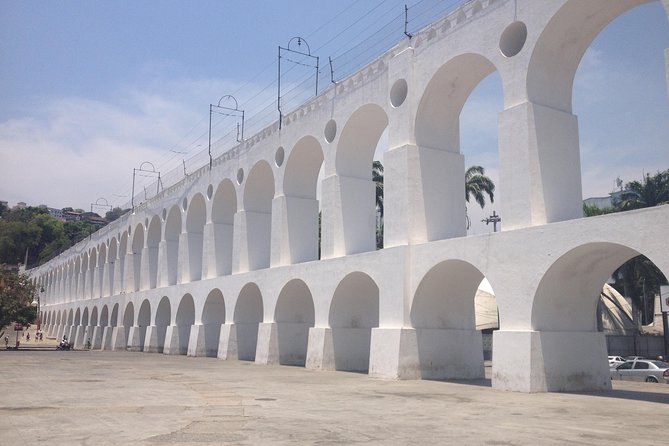
Finally, you arrive at Arcos da Lapa. Here you get the old engineering story behind the romance: the aqueduct dating from the 18th century, supplying water to the city until the end of the 19th century. Around the arches, you’ll also notice the graffiti that decorates Lapa’s walls, and the arches’ role as a key city landmark that still links Santa Teresa and Lapa by tram.
If you’re the kind of person who likes “why this place looks like this,” Arcos da Lapa is the payoff. It’s easy to admire; it’s more meaningful once you understand the water system logic underneath it.
Drinks Included and the Real Value of Paying $137.80
The tour price is $137.80 per person, and it covers a full 7 to 8 hours of guiding, plus at least some admissions and a tram component. You also get a included drink during the day: caipirinha, beer, soda, fruit juice, or water. Lunch is not included, so you’ll want a plan for eating on your own.
Here’s how I’d judge the value: this isn’t just a “walk and look.” You get entry into at least one major interior site (the Cathedral), plus a named tram ride component. The day is structured so you don’t need to figure out connections between neighborhoods—especially from Centro up to Santa Teresa and then back down into Lapa.
Price-wise, the small group size (max 12) also matters. If the guide is good, smaller groups make it easier to hear the story and ask questions without the tour turning into a commuter train.
Who This Tour Fits Best (and Who Should Rethink It)
This tour fits you if:
- You want a first-time-friendly route through Centro + Santa Teresa + Lapa
- You like guided explanations at major stops, not only free time
- You’re happy doing lots of walking and want the panoramic tram as a break
It might be less ideal if:
- You have limited mobility and the idea of hill streets and stairs stresses you out
- You’re hoping for lots of long sitting and museum time—this is more about moving and seeing
Most people can participate, but the day is still built on walking. If you’re debating shoes, pick comfort over style. Rio days have a way of punishing footwear choices.
A Note on Guides: The Difference Between Hearing and Getting It
One of the most praised aspects of this experience is the guide’s storytelling style. I’m seeing a consistent theme: the guide helps you understand Rio like a living city, not a list of sites. Names like Ivan and the idea of a guide who knows Centro Historico by heart show up clearly in the descriptions you’ll hear.
In practice, that means your time at each stop feels more purposeful. You don’t have to work to connect the dots yourself. The guide gives you a frame—then you do the sightseeing with better context.
Should You Book This Centro and Santa Teresa Walking Tour?
Book it if you want a guided day that links Rio’s big-city identity (squares, churches, famous cultural buildings) with the bohemian viewpoints of Santa Teresa and the graffiti-and-arches atmosphere of Lapa—without you stitching together transport and ticket details.
Skip it or rethink it if you hate long walks, if you need lots of seated time, or if you’re mainly chasing one specific attraction. This tour works best when you like the process of seeing how one neighborhood leads to the next.
FAQ
FAQ
What time does the tour start?
The tour starts at 9:00 am.
Where is the meeting point?
You meet at Copacabana Palace, A Belmond Hotel, Rio de Janeiro, at Av. Atlântica, 1702, Copacabana.
How long is the walking tour?
It runs about 7 to 8 hours.
How big is the group?
The tour has a maximum of 12 travelers.
What is included in the tour price?
The tour includes a drink (caipirinha, beer, soda, fruit juice, or water) and includes admission for Largo da Carioca plus the Santa Teresa tram segment.
Is lunch included?
No. Lunch is not included.
If I cancel, will I get a refund?
No. This experience is non-refundable and cannot be changed for any reason.