
REVIEW · RIO DE JANEIRO
Bossa Nova Walking Tour
Book on Viator →Operated by Rio Bossa Experience · Bookable on Viator
Rio sounds different when it walks. I love the way this Bossa Nova tour links Bossa Nova history to the exact streets and monuments you’re standing in, and I especially love the live guitar soundtrack that keeps the lesson moving. You get a guided walk with short talks plus sing-along energy from the guitarist, with famous names woven into the story as you go.
One thing to keep in mind: this is a walking tour in real neighborhoods, and it depends on good weather. Also, food, water, and transport aren’t included, so plan on carrying your own basics and getting to the start point with local transit.
Highlights in 5 minutes
- Small group size (max 8): easier questions and a more personal rhythm with the guide and guitarist.
- Music on the street, not in a studio: you hear classic Bossa Nova/Samba style right at the landmarks.
- Seven purposeful stops: plazas, beach, monuments, and a cultural center each connect to a thread in the music story.
- Tour guide + live guitarist included: the performance is part of the itinerary, not an add-on.
- 3 hours, about seven touchpoints: enough time to learn without turning into a marathon.
- Works best with good weather: the tour notes explicitly mention you’ll want clear, walkable conditions.
In This Review
- Bossa Nova on the sidewalk: what makes this tour click
- The 3-hour plan: timing, walking comfort, and how to prepare
- Itinerary walkthrough: where each stop fits into the Bossa Nova story
- Stop 1: Praça Nossa Senhora da paz (welcome talk + first guitar set)
- Stop 2: Praça General Osorio (the Hippie Fair connection)
- Stop 3: Copacabana Beach (why it mattered)
- Stop 4: Estatua de Dorival Caymmi (Bahia’s thread)
- Stop 5: Parque Garota de Ipanema (the Girlfriend of Ipanema)
- Stop 6: Estatua de Tom Jobim (the composer anchor)
- Stop 7: Casa de Cultura Laura Alvim (culture beyond the guitar)
- The guide + guitarist factor: what the reviews highlight
- Price and value: what $48.03 really covers
- Who should book this Bossa Nova Walking Tour
- What to bring so the experience feels easy
- Should you book this tour?
- FAQ
- How long is the Bossa Nova Walking Tour?
- How much does the tour cost?
- What’s included in the price?
- What’s not included?
- Where do I meet the tour?
- How big is the group?
- Do I need good weather?
- What’s the cancellation policy?
Bossa Nova on the sidewalk: what makes this tour click

This tour is built like a good song: short sections, clear themes, and a sense of forward motion. Instead of treating Bossa Nova as something locked in a museum, you’re out on the sidewalks of Rio where the music’s story actually happened. That matters. Place names like Ipanema, Copacabana, and the statues of major composers aren’t just scenery here; they’re clues.
The other thing I like is the pacing. Each stop includes a brief explanation, then the guitarist picks up with live playing and singing. In practice, that turns the walk into something you can feel, not just facts you try to remember. One review praised how the guide (Gui and variants of that name show up in feedback) mixes stories with songs in a way that feels interactive, not like a nonstop lecture. You’re not passive.
And the group size helps. With a maximum of 8 people, you’re more likely to hear the guitar clearly and actually catch the details the guide is pointing out. If you’re the type who likes asking one good question instead of collecting twenty random notes, this format suits you.
The 3-hour plan: timing, walking comfort, and how to prepare
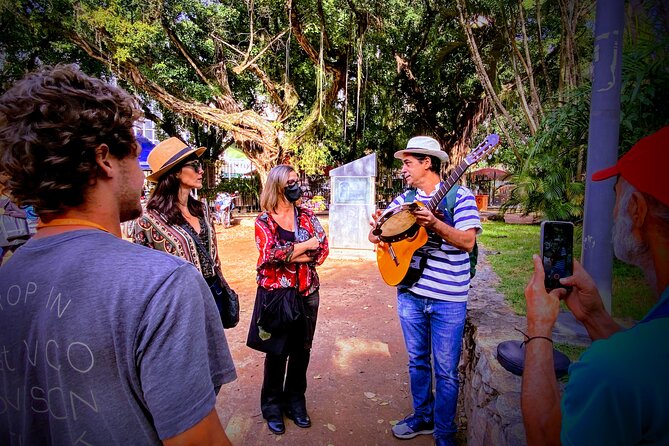
Plan on about 3 hours of walking with around 15–20 minute blocks at most stops. The itinerary is concentrated in Ipanema and nearby areas, finishing around Restaurante e Bar Garota de Ipanema. That’s a helpful end point because you’re not stranded miles from where you’d want to go next.
Transport isn’t included, so you’ll want to use public transit to get to the start. The meeting point is Nossa Senhora da Paz / Ipanema in Ipanema (Rio de Janeiro). The end meeting point is on R. Vinícius de Moraes, 49, near the corner of Vinícius de Moraes and Prudente de Morais—you can plug that into Google Maps and follow the streets.
Because food and water aren’t included, bring a small water bottle if you’re prone to dry-mouth or long walks. If you visit in warmer months, this matters more. The tour also requires good weather. If rain or poor conditions show up, you’ll likely be offered a different date or a full refund—so check the forecast close to departure.
Finally, note the cancellation window is generous: you can cancel up to 24 hours before for a full refund. That takes pressure off your schedule.
You can also read our reviews of more walking tours in Rio de Janeiro



Itinerary walkthrough: where each stop fits into the Bossa Nova story
Here’s the route as it’s designed, with what you can expect at each place and why the stop is more than a photo opportunity.
Stop 1: Praça Nossa Senhora da paz (welcome talk + first guitar set)
You start at Praca Nossa Senhora da paz, where the guide sets the frame. Expect a welcome briefing that connects Brazilian music history to what you’ll hear next—plus a guitar performance right away. The goal here is simple: get your ears tuned before the walk starts.
If you’re new to Bossa Nova, this first stop is doing heavy lifting. It’s where terms and influences are introduced in plain language so later monuments and street names make sense.
Stop 2: Praça General Osorio (the Hippie Fair connection)
Next is Praca General Osorio, tied into the story via the Hippie Fair. You’ll hear how this kind of public gathering connects to the Bossa Nova moment, with another live guitar performance.
This is one of those stops where the city’s daily life becomes part of the music story. Even if you don’t know a single song title, you can still grasp the cultural link: people gathering, sharing ideas, listening, and making art in public spaces.
Possible consideration: if you prefer quiet corners over active squares, this type of plaza stop might feel busy compared with the calmer beach-and-statue moments later.
Stop 3: Copacabana Beach (why it mattered)
Then you move to Copacabana Beach, where the guide explains how Copacabana played a role in the Bossa Nova movement. You’ll also get more guitar playing and singing here.
Copacabana can be photographed to death, but on this tour it’s used as a reference point. The point isn’t the sand. It’s the social and musical atmosphere the guide connects to the sound and popularity of the style.
This is also a good moment to take in the sound environment around you: waves, city noise, and the way the guitar cuts through it. That contrast is part of why doing live music outdoors hits differently.




Stop 4: Estatua de Dorival Caymmi (Bahia’s thread)
At the Estatua de Dorival Caymmi, you’ll hear about how music from Bahia connects back into Bossa Nova. You get another round of live guitar performance tied to that connection.
This stop adds depth to the story by showing Bossa Nova isn’t floating in isolation. It draws from regional music, rhythms, and composers—so you start understanding the “family tree” of Brazilian sound rather than treating Bossa Nova like a single invention.
One drawback to know: statues are short stops by nature. You’re there to listen and learn, not to linger for long photos. If you want long photo sessions, plan that for before or after the tour.
Stop 5: Parque Garota de Ipanema (the Girlfriend of Ipanema)
Next up is Parque Garota de Ipanema, where the tour ties in the story of who the Girlfriend from Ipanema refers to—plus guitar performance.
This stop is for two types of people: music fans who want the meaning behind the famous lyric, and casual visitors who want a human story behind a famous Rio image. Either way, it’s a strong “this is why the song mattered” checkpoint.
If you’re curious about how pop culture turns into a real landmark, this is that moment. It’s not just a name on a sign—it’s tied to how the city brand became global.
Stop 6: Estatua de Tom Jobim (the composer anchor)
At the Estatua de Tom Jobim, you’ll learn about Antonio Carlos Jobim—one of the big anchors for how people describe Bossa Nova’s sound—and you’ll hear live playing again.
Jobim is usually the composer name that connects everyone in the room, even if nobody can list every song. This stop gives you a clean reference point: if you remember anything from the tour, Jobim is likely the name you’ll keep.
From feedback you may hear that the guide mentions major figures like Tom and Vinicius, and also includes names like João in the broader story. The intent is to tie the music to the people, so you’re not just collecting facts—you’re building a mental map.
Stop 7: Casa de Cultura Laura Alvim (culture beyond the guitar)
The final stop is Casa de Cultura Laura Alvim. Here, you’ll hear about Laura Alvim and why she matters to Brazilian culture and music, along with one last guitar performance.
This ending is useful because it nudges you beyond just “Bossa Nova songs.” It frames music as something tied to cultural institutions and the people who preserve and promote it. Even if you mainly came for the listening, this gives you a next-step thought: where else can you go in Rio to keep the story going.
The walk ends at Restaurante e Bar Garota de Ipanema, right by R. Vinícius de Moraes. That makes it easy to decide what you’ll do next—snack, browse, or keep exploring on your own.
The guide + guitarist factor: what the reviews highlight
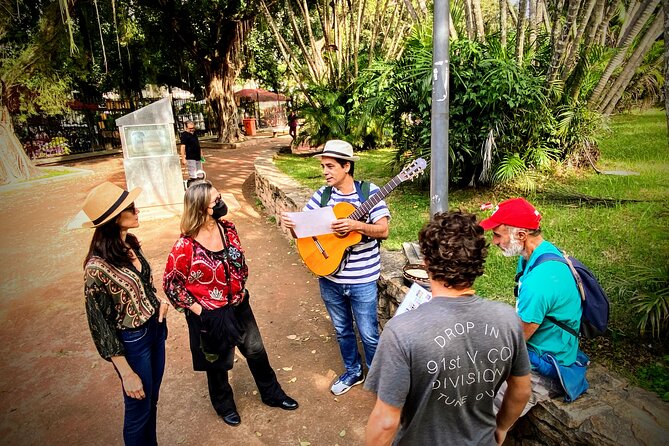
The biggest praise point is the combination of guide storytelling and guitar performance. One set of comments specifically called out a guitarist who makes the history feel alive and active in Rio. Another praised how the experience feels more like being carried along by the music instead of sitting through a lecture.
A detail that stuck with me from the feedback: one reviewer mentioned a guitar made in Grenada, Spain. Even if you’re not obsessing over instruments, that’s a reminder the tour isn’t using generic background music. It’s a live performance intended to be heard clearly in public spaces.
You’ll also notice an emphasis on famous names as signposts. Reviews mention the guide bringing up Tom, Vinicius, and João during the walk. That approach helps your brain connect individual songs to the people and time periods behind them.
Price and value: what $48.03 really covers
The tour costs $48.03 per person and runs about 3 hours. For that price, you’re paying for two core things:
- a tour guide (the person doing the explanations and connecting the dots)
- a live guitarist who performs as you move from stop to stop
Transport isn’t included, and food/drinks/water aren’t included. But since those are costs you’d spend anyway in Rio, the pricing still feels focused on what’s actually special here: a structured walking route plus live music that matches each location.
Also, the small group size (max 8) helps justify the value. You’re not paying for a “big bus” feel. You’re getting a closer, more responsive experience.
If you’re the kind of traveler who enjoys music, history, or both, this can be a bargain. If you only want views and zero explanations, you might find it a little too talk-and-listen focused.
Who should book this Bossa Nova Walking Tour
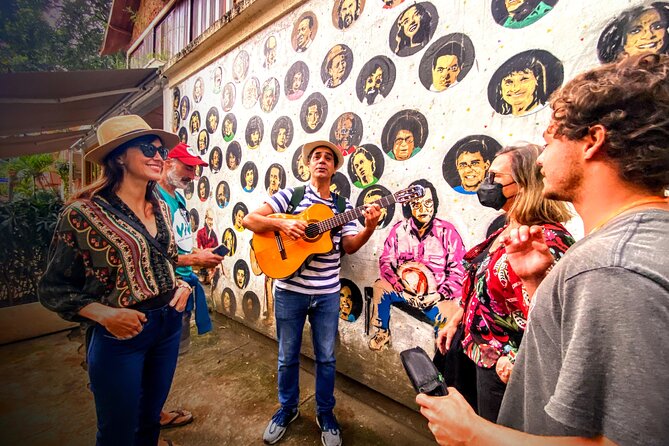
This is a strong fit if you:
- like music and want context without reading a textbook
- enjoy walking neighborhoods and learning as you go
- want a low-stress Rio activity that doesn’t require a big day-trip setup
- appreciate small groups and live performance
It also works even if your Bossa Nova knowledge is limited. The route is designed to teach the basics early (welcome briefing) and then attach them to recognizable places (Copacabana, Ipanema parks, composer statues).
If you don’t enjoy live music outdoors or you prefer long museum-style time at fewer stops, you may prefer a different format. This tour is about the movement and the soundtrack together.
What to bring so the experience feels easy
Since food, water, and transport aren’t included, I’d pack:
- a bottle of water (especially in warm weather)
- comfortable walking shoes
- sun protection if you’re going during bright hours
- a light layer if evenings are cooler
The tour is near public transportation, but the meeting point streets are on a neighborhood grid—so arriving a few minutes early makes the start smoother. Use the exact address details for the end point as a reference if you want an easy finish plan.
Should you book this tour?
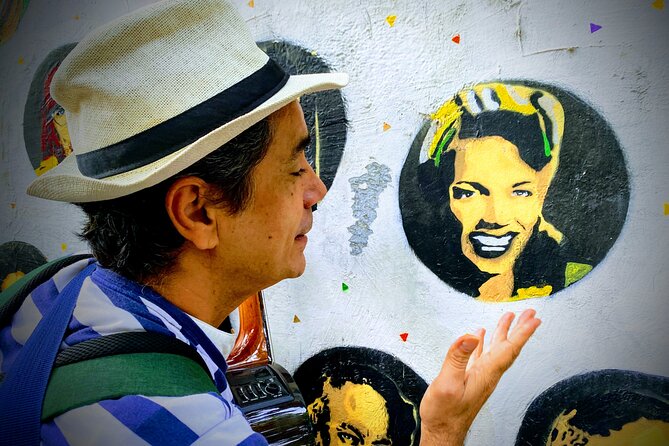
If you want a Rio experience that combines real landmarks with live guitar and short history lessons, I’d book it. The structure makes it easy to follow, and the small group size keeps it from feeling crowded or rushed. The live performance is the main draw, and the tour uses each stop to make that performance mean something.
Skip it if you’re looking for a purely visual tour with minimal listening, or if you’re traveling on a day with uncertain weather and you hate walking in rain. Otherwise, it’s a practical way to understand Bossa Nova in the place where it still echoes.
If you’re planning ahead: this is often booked about 23 days in advance, so it’s smart to lock it in sooner rather than later.
FAQ
How long is the Bossa Nova Walking Tour?
It lasts about 3 hours.
How much does the tour cost?
The price is $48.03 per person.
What’s included in the price?
You get a tour guide and live guitar musician performance.
What’s not included?
Transport isn’t included, and there’s no food, drinks, or water provided.
Where do I meet the tour?
The start is Nossa Senhora da Paz / Ipanema. The end is at Restaurante e Bar Garota de Ipanema, R. Vinícius de Moraes, 49, on the corner with Prudente de Morais.
How big is the group?
There’s a maximum of 8 travelers.
Do I need good weather?
Yes. The experience requires good weather. If it’s canceled due to poor weather, you’ll be offered a different date or a full refund.
What’s the cancellation policy?
You can cancel up to 24 hours in advance for a full refund.