REVIEW · RIO DE JANEIRO
A Walk in the Rocinha Favela: Women Leading the Way
Book on GetYourGuide →Operated by Malux.rio · Bookable on GetYourGuide
Rocinha changes fast when you walk in. I love the bilingual local guides who share what daily life really feels like, and I love how the tour begins with a moto-taxi ride that drops you right into the neighborhood instead of standing around waiting. The one thing to plan for: you’ll need cash for the moto-taxi, and the uphill ride can feel a little intense.
This is a small-group experience (up to 10 people) built for conversations, not a rushed checklist. You’ll meet near the Universal Church subway area and spend around 2 to 2.5 hours moving through narrow streets, with stops for photos, community projects, and a chance to connect.
Expect real on-the-ground details: street art, local shops and markets, a public library stop when it’s open, and even homemade black coffee. There’s also an added layer of support with real-time location tracking by local associations plus access to restrooms along the way.
In This Review
- Key highlights worth showing up for
- Where the tour starts: Av. Niemeyer and the subway exit
- The moto-taxi ride: fast, fun, and not for everyone
- The first walking stretch: photo stops and local orientation
- Street art, shops, and daily life you can actually see
- Views over Rio: your camera will get a workout
- Dance show and youth interaction: more than watching
- Public library when open, plus homemade black coffee
- Arts and crafts market stop: where to spend time, not just money
- Safety and comfort that actually feel planned
- Price and value: is $42 worth it?
- Who should book this tour (and who should skip it)
- Should you book a women-led Rocinha walk like this?
- FAQ
- How long is the Rocinha walking tour?
- Where do I meet the group?
- What languages is the guide available in?
- Is food included in the price?
- Do I need cash for the tour?
- Is there an option to visit a home or rooftop?
Key highlights worth showing up for
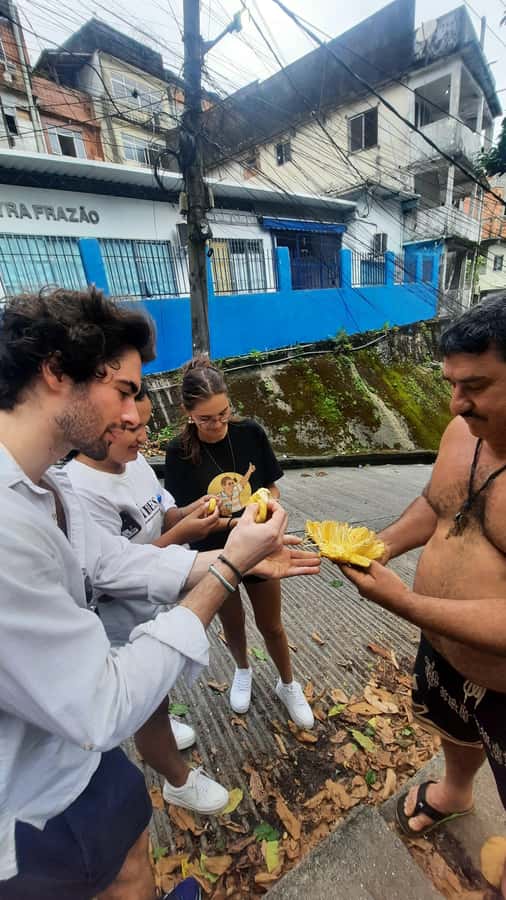
- Local, bilingual storytelling from people who grew up in Rocinha (you might get a guide like Malux, Larissa, or Gabriela/Gabi)
- Moto-taxi to start so you get into the heart of the favela quickly, then walk the rest
- Street art, shops, and market time where you can see daily life up close
- Dance and football interaction with youth, plus a traditional dance stop during the walk
- Public library when open and a stop for homemade black coffee
- Safety support with real-time tracking and association involvement, plus restrooms on the route
Where the tour starts: Av. Niemeyer and the subway exit
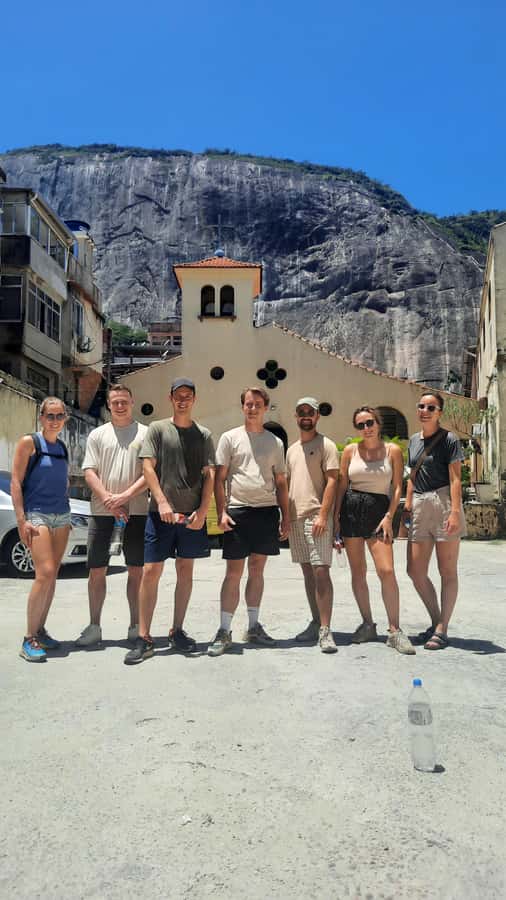
You’ll want an easy plan for getting to the meeting point. The tour meets at Exit A of the subway near the Universal Church, and the starting area is listed as Av. Niemeyer, 780. I like this setup because it’s close to a well-known transit anchor, and you’re not hunting down a hidden door.
Arrive about 15 minutes early. With a small group, that buffer matters. It gives the guide time to check everyone off, explain the flow, and handle the one thing that always affects comfort in a walk like this: footwear and weather.
You can also read our reviews of more walking tours in Rio De Janeiro



The moto-taxi ride: fast, fun, and not for everyone
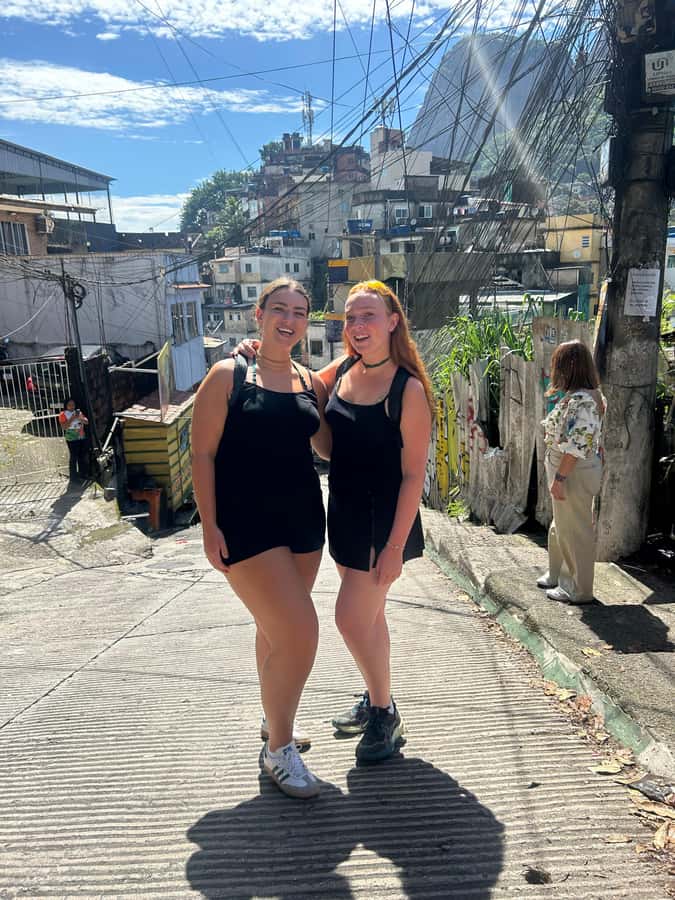
The adventure begins with a moto-taxi ride to reach the first area in Rocinha. This part is short (around 10 minutes by local transport), but it changes the whole feel of the tour. You’re not just “getting there,” you’re already seeing how the neighborhood moves—steep streets, tight turns, and that very Rio sense of motion.
Two practical notes:
- You’ll need cash (R$10 per person) for the moto-taxi.
- If you don’t love the idea of sitting on the back of a bike and climbing uphill, treat this as your “consideration moment.”
In the feedback, people specifically mention the moto experience as the memorable jolt of the day—fun if you’re game, intimidating if you’re not. If you’re anxious about it, tell your guide right away so they can help you pick the safest spot and set expectations.
The first walking stretch: photo stops and local orientation
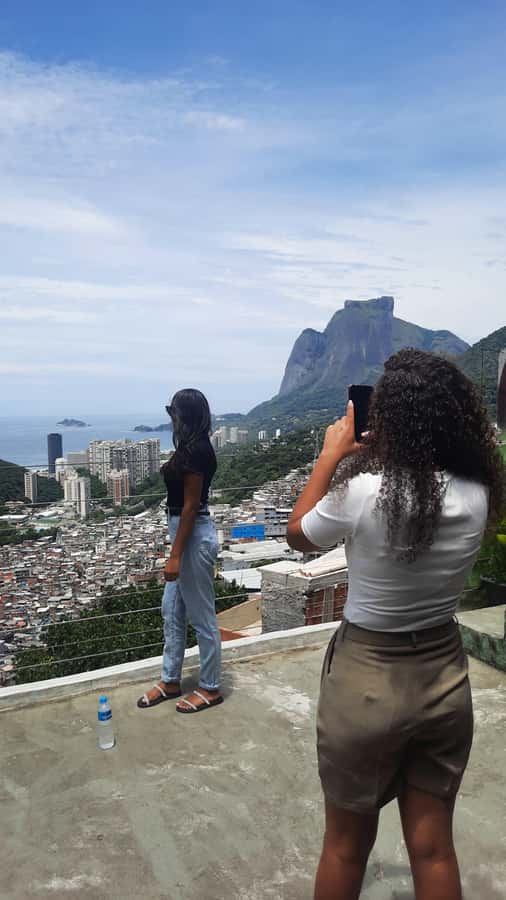
Once you arrive, the walk starts to make sense. The first stop is a photo opportunity plus guided time—about 20 minutes—which is a smart way to settle you in. Instead of dumping you into narrow alleys with no context, the guide helps you understand what you’re seeing and why it matters.
This is also where your guide’s personal angle becomes important. Guides like Gabriela (often called Gabi) and Larissa/Lari show up in past group experiences as people who can explain everyday life with clarity and care. That background comes through in how they point out details: not only the visuals, but the routines behind them.
You’ll likely pass areas with children playing and small signs of community life. Keep your phone ready, but don’t treat the neighborhood like a photo set. The best moments come from pausing and letting the guide translate what’s happening around you.
Street art, shops, and daily life you can actually see
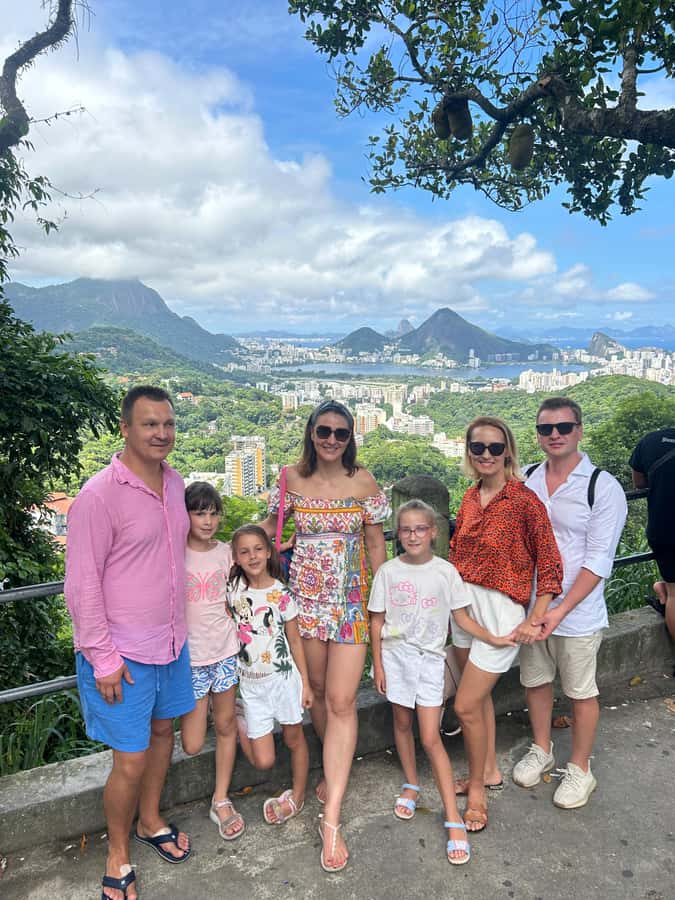
Rocinha is large, and the tour uses walking to make it human-sized. After the orientation/photo time, you’ll continue through colorful streets with a mix of guided talking and time to walk and look around.
This part of the tour is where you’ll notice:
- Street art that changes how you read the walls—less “background,” more message
- Local shops and markets, where daily business is part of the scenery
- The rhythms of small interactions—people moving, calling out, selling, browsing
You don’t just look at Rocinha; you learn how to watch it. That’s the value of a guide from the community. They can point out what outsiders usually miss: what looks random from a distance often has a reason up close.
One practical tip: wear light, comfortable clothing and bring bug spray. The tour runs rain or shine, so dress for the real conditions, not the weather forecast you hope for.
Views over Rio: your camera will get a workout
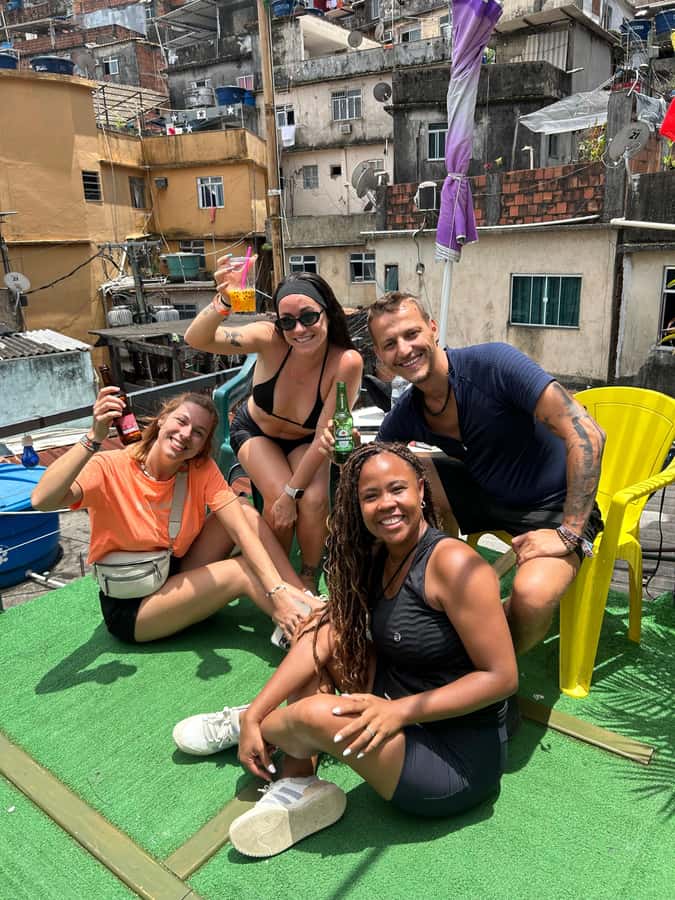
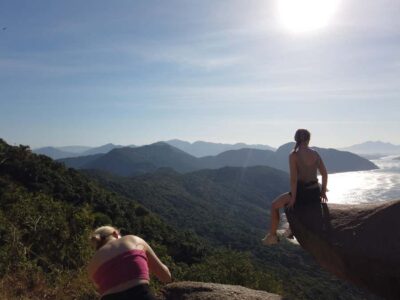
At multiple points, you’ll get photo stops and viewpoints that show Rio beyond the neighborhood. These are timed so you’re not just standing somewhere random. The guide typically uses the view to connect the dots: how Rocinha sits in the city’s geography, and how that shapes daily life.
If you’re hoping for photos, you’ll probably use more storage than you think. This walk is packed with quick picture moments—street corners, art details, and those wide glimpses where you can finally see the scale of the area.
Bring a camera that handles quick changes in light. If you’re on your phone, lower the brightness a bit before you leave—screens can wash out in bright sun, especially after you’ve been inside shaded alleys.





Dance show and youth interaction: more than watching
One of the most special parts happens mid-tour. You’ll have a stop that includes a traditional dance show, then time for friendly interaction with local youth—the kind where you can learn to dance or play football.
This is the heart of a women-leading, community-rooted experience. It’s not staged “performers only.” It’s a cultural exchange you can participate in, with a guide guiding the pace and the tone.
There are two ways this can go depending on your energy:
- If you’re outgoing, you’ll have a great time trying the steps or joining a casual football moment.
- If you’re more reserved, you can still enjoy it by watching and asking the guide for context.
Either way, treat it respectfully. Ask questions like you would with someone hosting you in their home neighborhood: curious, calm, and focused on people, not just entertainment.
Public library when open, plus homemade black coffee
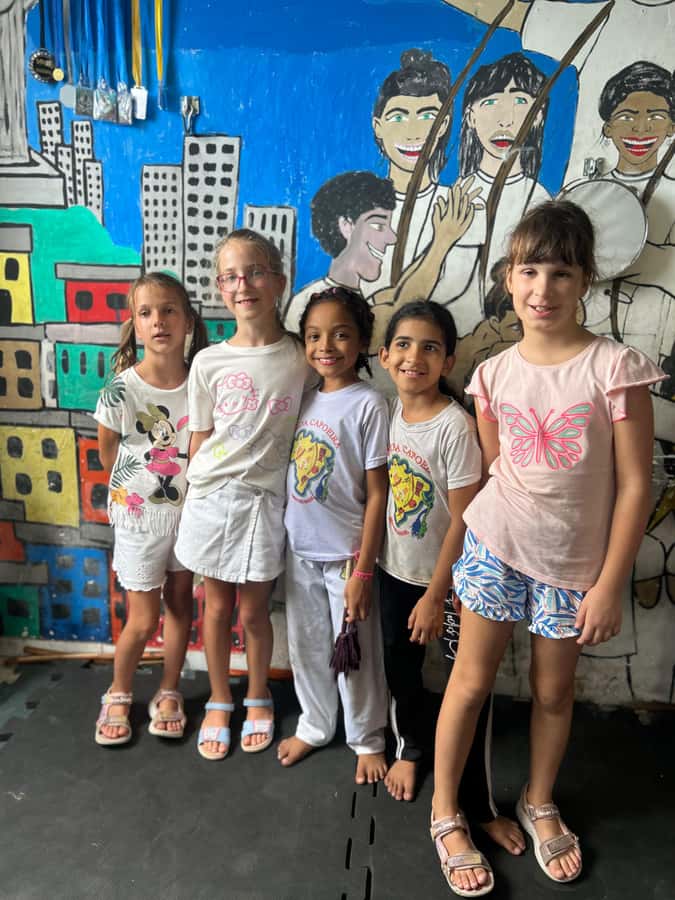
The tour includes a public library stop when it’s open. That detail matters because it adds a different angle to what you might expect from a favela visit. It’s not only about streets and survival; it’s also about learning and access to community resources.
You’ll also be served homemade black coffee. This is one of those simple touches that turns a tour into a memory. It’s small, but it gives you a pause point to sit, breathe, and let the information land.
Coffee isn’t a full meal replacement, though. The tour explicitly does not include food and drinks, so plan to cover your own snacks if you need them. That said, you’ll get tips for local food and drinks, which can help you make smarter choices later in Rio.
Arts and crafts market stop: where to spend time, not just money
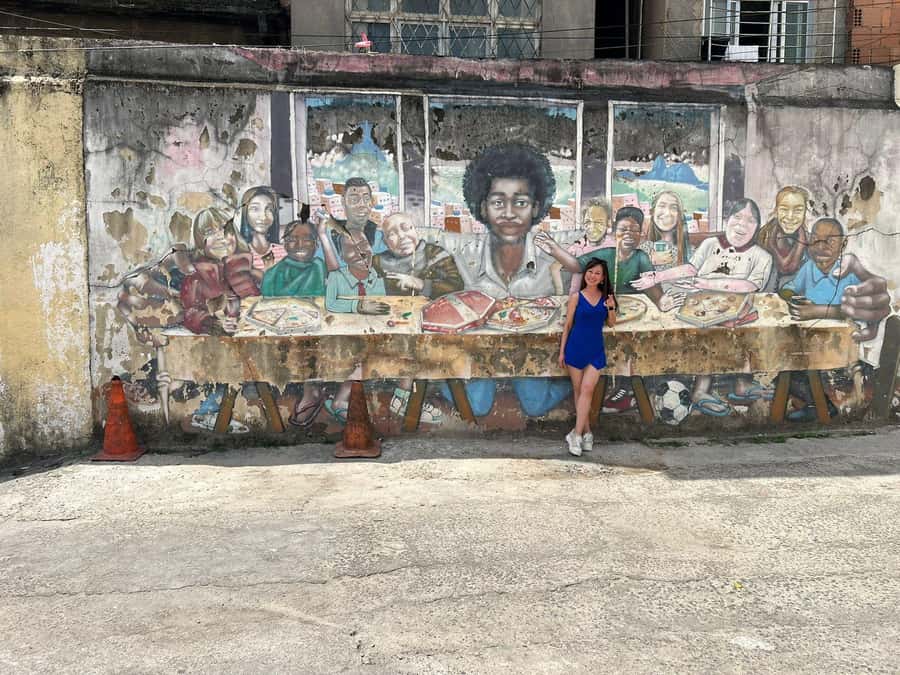
Later on, the walk includes an arts & crafts market visit. This is one of the best spots to slow down and look closely. Markets like this can be more than shopping—they’re where you see how creativity and local entrepreneurship play out day to day.
If you buy something, do it with a mindset of supporting the community and appreciating the work, not collecting a souvenir. And if you’re not buying, you can still enjoy it by watching, asking the guide what you’re looking at, and taking time to chat.
Credit cards may work at shops and restaurants, but carry some cash for smaller stalls or any extra moments that pop up during the walk.
Safety and comfort that actually feel planned
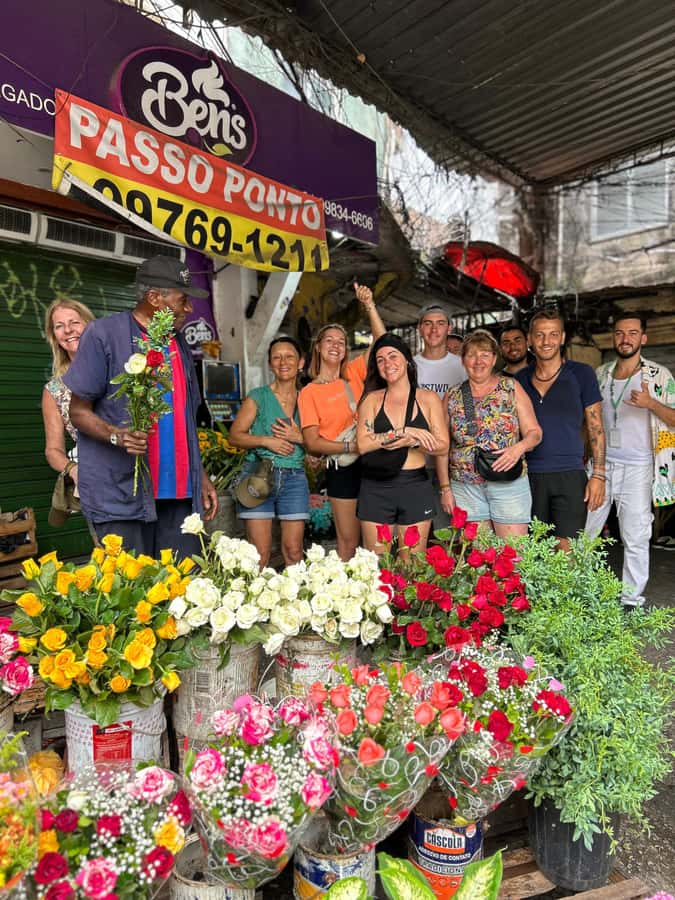
Walks like this live or die on two things: trust and logistics. This experience builds in both.
For safety and support, there’s real-time location tracking by the local guides’ association and the residents’ association. That’s not a marketing line you ignore; it’s a sign the route is managed with local involvement and oversight.
For comfort, there are restrooms along the way, and the tour provides a guided pace with regular stops. Also, since you’re with a small group (max 10), you’re less likely to feel like a number in a crowd.
One more consideration: this is a walk through narrow alleys and steep areas typical of the neighborhood. If your legs aren’t great, wear supportive shoes and let the guide know early.
Price and value: is $42 worth it?
At $42 per person, this tour isn’t cheap in the abstract, but it often feels fair in practice because you get several things bundled together:
- A bilingual local guide from the community
- Moto-taxi access to save time and get you into the right start area
- Guided walking with culture, history, and daily life context
- A traditional dance stop and youth interaction (dance or football)
- Street art, shops, markets, plus a library stop when open
- Homemade black coffee
- Extra safety support with real-time tracking
What’s not included is also clear: food and drinks, and the R$10 moto-taxi cash add-on. There’s also an optional visit to a local home or rooftop for R$10 per person, but that’s not part of the base.
So here’s the value math in plain terms: you’re paying for guided access and community-led context, not just a view. If you want a checklist tour where you get in, take photos, and leave, you may feel there’s too much talking. If you want to understand the place through people, it’s a solid use of your time.
Who should book this tour (and who should skip it)
This works best for:
- People who like guided conversation and learning through real daily life
- Travelers who want cultural exchange, not just sightseeing
- Those who appreciate small groups and local guidance
- Anyone comfortable with uneven streets and the moto-taxi start
Consider skipping or choosing a different style of tour if:
- You strongly dislike the idea of getting on a moto-taxi uphill
- You need a very low-walking, low-interaction experience
- You expect food included as part of the price (it isn’t)
If you’re traveling with kids, this could be possible in some cases, but the tour is built around walking and participation. Plan around your child’s comfort with crowds, stairs, and sitting on a bike for a short ride.
Should you book a women-led Rocinha walk like this?
I think you should book it if your goal is to understand Rocinha through local voices, street-level details, and real community moments like dance, coffee, and the library when it’s open. The small-group format and the community association tracking add confidence that the visit is organized with care.
Book it if you’re okay paying the base price and planning ahead for the R$10 moto-taxi cash and any personal snacks. If you want a light, passive sightseeing walk, look elsewhere. If you want a meaningful Rio experience that feels like a conversation and a welcome, this is a very strong choice.
FAQ
How long is the Rocinha walking tour?
The tour is listed at 2 hours, and the walk time is described as about 2 hours and 30 minutes depending on how the day runs.
Where do I meet the group?
Meet at Exit A of the subway near the Universal Church. The starting location is listed as Av. Niemeyer, 780.
What languages is the guide available in?
The tour guide is bilingual and offers English, Portuguese, and Spanish.
Is food included in the price?
Food and drinks are not included. You’ll get tips for local food and drinks, and the tour includes homemade black coffee, but you should still plan for snacks if you need them.
Do I need cash for the tour?
Yes. The moto-taxi to reach the first stop costs R$10 per person and requires cash. The tour also mentions bringing cash for the moto-taxi.
Is there an option to visit a home or rooftop?
Yes, there’s an optional visit to a local home or rooftop for R$10 per person, but it isn’t included in the base tour price.