REVIEW · RIO DE JANEIRO
Rio De Janeiro: SUGARLOAF MOUNTAIN HIKE & CLIMB
Book on GetYourGuide →Operated by Andre Rio Climbing Instructor · Bookable on GetYourGuide
Sugarloaf feels different when you climb it. This is one of those Rio experiences where you trade passive sightseeing for a real, hands-on rock climb—no prior climbing skill required. You start with a short trek in Urca, move through a nature reserve, then finish at the summit for a huge sense of accomplishment.
I also love the mix of nature and training. You’ll pass tropical plants, spot small monkeys, and get coached through a protected route on the rock. The main drawback to plan for: the hike is steep and some sections feel exposed, so you do need solid fitness and a head for heights.
In This Review
- Key things I’d bet on before you go
- Sugarloaf Mountain hike-and-climb: why you should consider the harder route
- Starting in Urca: the short hike that sets your pace
- The nature reserve trail: rocky steps, tropical plants, and monkeys
- The 20-meter vertical wall: climbing practice without prior experience
- Summit payoff over Copacabana and Guanabara Bay
- Cable car on the way back: plan for walking either way
- Timing, group size, and how intense the 4 hours feels
- Price and value: what $60 really covers
- What to bring (and what to avoid) for rocky Sugarloaf footing
- Language, communication, and safety culture with André
- Should you book the Sugarloaf hike-and-climb with André?
- FAQ
- Do I need climbing experience to do this Sugarloaf Mountain climb?
- How long does the Rio De Janeiro SUGARLOAF MOUNTAIN HIKE & CLIMB tour take?
- What languages does the instructor speak?
- What is included in the price?
- What should I bring with me?
- Are cable car tickets included for the way back?
- What kind of group size is this tour?
- Is this tour suitable for children?
Key things I’d bet on before you go
- Small group (max 5) means more attention and less waiting around.
- Certified climbing equipment is provided, so you’re not improvising on real rock.
- No climbing experience needed, but you still learn where to place hands and feet.
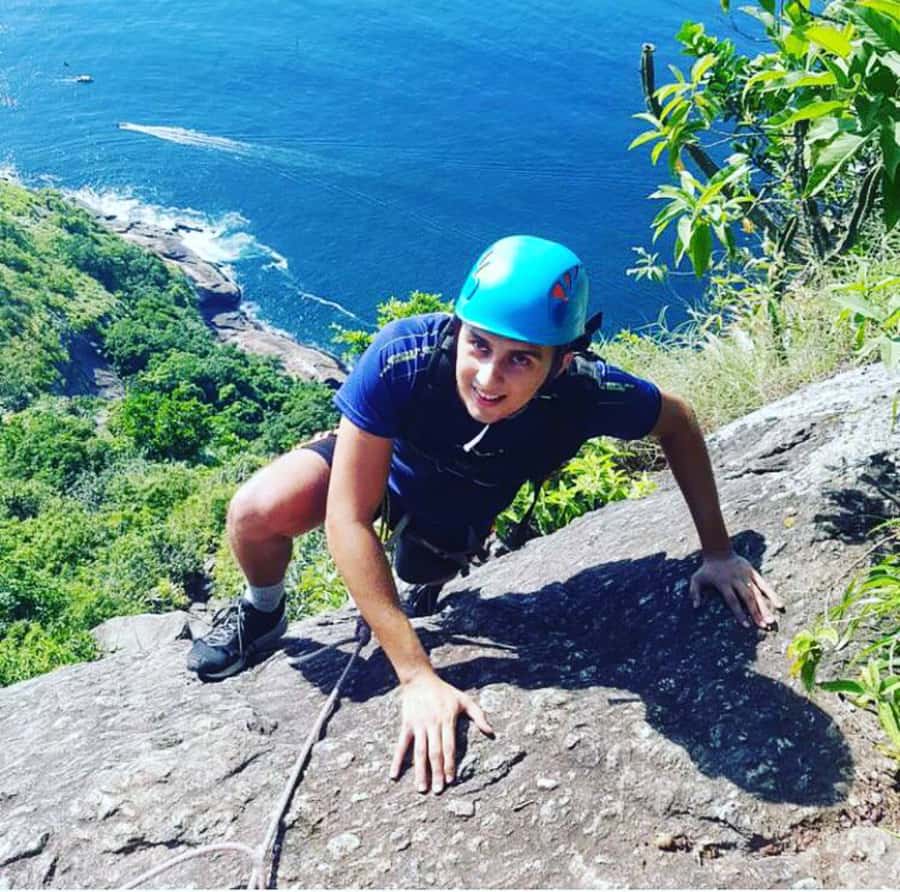
- A real 20-meter vertical wall is the main challenge, handled with safety gear and instruction.
- Summit views include Copacabana and the Bay of Guanabara.
- Bring good footwear—the route can be rocky and slippery in spots.
Sugarloaf Mountain hike-and-climb: why you should consider the harder route

Sugarloaf Mountain, or Pão de Açúcar, is famous for a reason. Most people do it by cable car and call it a day. This tour keeps the cable car option in your back pocket, but the real value is the hike-and-climb approach. You get movement, coaching, and a climb that feels earned.
What you’re really buying is perspective. From the summit, the city looks like a postcard. But on this route, you also see the mountain’s textures up close—rock, plants, narrow paths—and you feel the change in effort as the climb tightens. That makes the top view hit harder.
And it’s not just for adrenaline seekers. The guide, André Rio Climbing Instructor, structures the day so you can follow the route confidently even if you’ve never climbed outside. The small group size helps too. With only up to 5 participants, you’re more likely to get individualized feedback instead of a one-size-fits-all safety lecture.
You can also read our reviews of more hiking tours in Rio De Janeiro


Starting in Urca: the short hike that sets your pace
You begin at the foot of Sugarloaf Mountain in the Urca area. The day starts with an actual hike, not a rushed line-walk from one viewpoint to another. It’s a warm-up, but it’s also a chance to find your footing and settle into the route before the climbing portion.
Expect a short, structured start and then a shift onto a narrow path through the nature reserve. This is where you’ll notice the terrain changes: steps can be close together, and the ground can include rocky patches. The guide helps you place your weight safely and shows you where a “normal” stride won’t work.
One practical detail that matters: your start time may vary. Some schedules can be adjusted, and your guide will contact you to confirm when the day begins. So don’t lock yourself into some other morning plan unless you leave breathing room.
The nature reserve trail: rocky steps, tropical plants, and monkeys
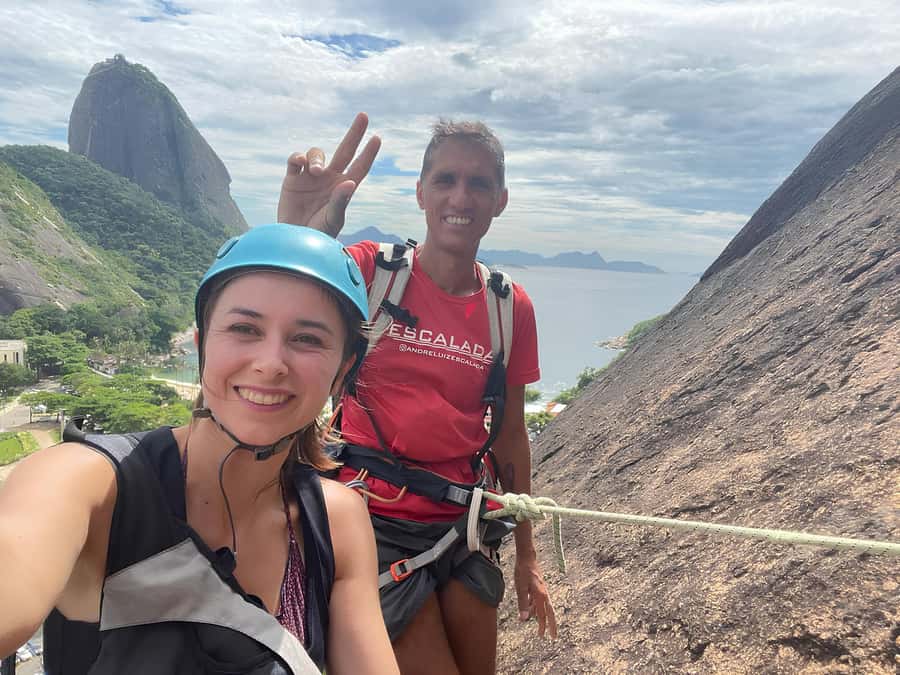
After the initial stretch, the route drops down along a challenging, narrow path. This section is often where people realize that yes, it’s an active tour—not a casual walk. The good news is that it’s paced for a small group, and you’re not doing it alone.
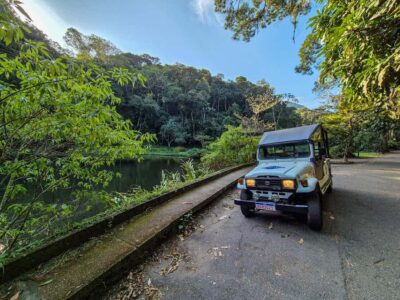
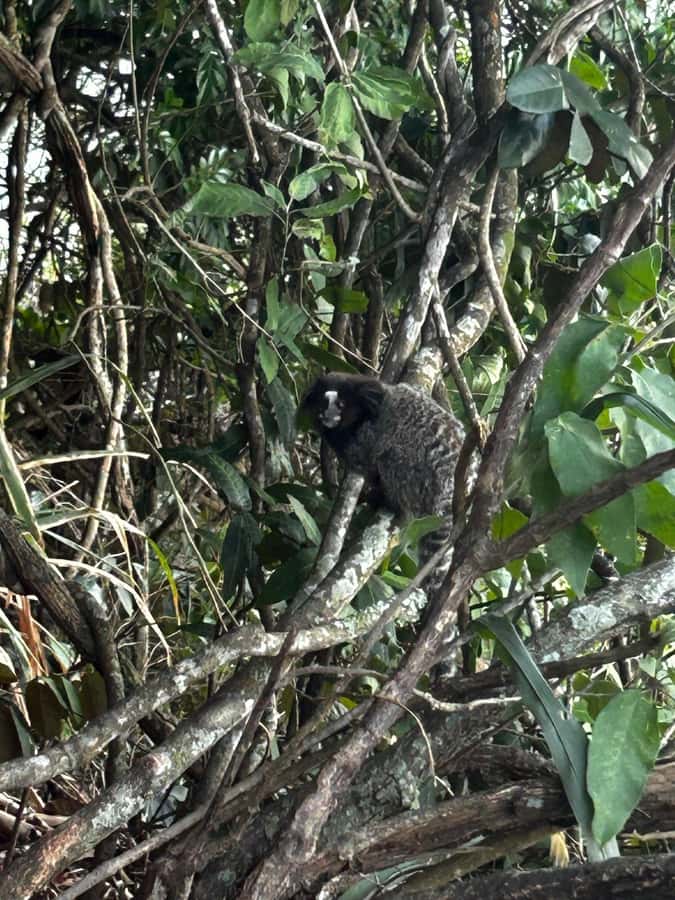
You’ll pass tropical plants typical of the reserve area. And if you’re lucky, you’ll spot monkeys. They’re not guaranteed, but seeing them is part of why this hike feels like a nature experience instead of only a summit quest.
Watch your step in this part. The descriptions of the route include safe steps along rocks, but that still means you should assume uneven footing. If it’s warm, you’ll feel the effort sooner. If there’s been wet weather, some rocks can feel slick. Either way, your shoes do most of the work, not your “bravery.”
The 20-meter vertical wall: climbing practice without prior experience
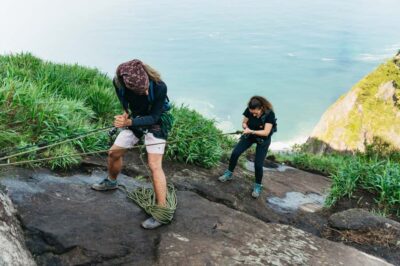
The big moment is the protected climb with climbing equipment and an experienced instructor. The highlight is a vertical challenge of about 20 meters, and this is where the tour earns its name.
Here’s the key point: you don’t need climbing knowledge. You’re guided through how to hold the rock, how to move your feet, and how to breathe when the angle starts to feel serious. The equipment turns it into a coached climb rather than a free-solo test.
You should still understand what the climb asks from you. Even with safety gear, you’re using upper-body and core strength, and you’ll likely work through parts that feel steep. Reviews highlight that the climb can feel hard and sweaty, especially when you’re already tired from the hike. So bring snacks and water (you’ll be out for around 4 hours) and don’t show up running on pure optimism.
Also, keep a simple mental rule: trust the guide, but don’t rush. The best climbs happen when your movement is smooth. André’s style, as described by multiple participants, is calm and security-first, with help if you’re nervous. That matters because the psychological part is real. Height can mess with you even when you’re technically safe.
Summit payoff over Copacabana and Guanabara Bay
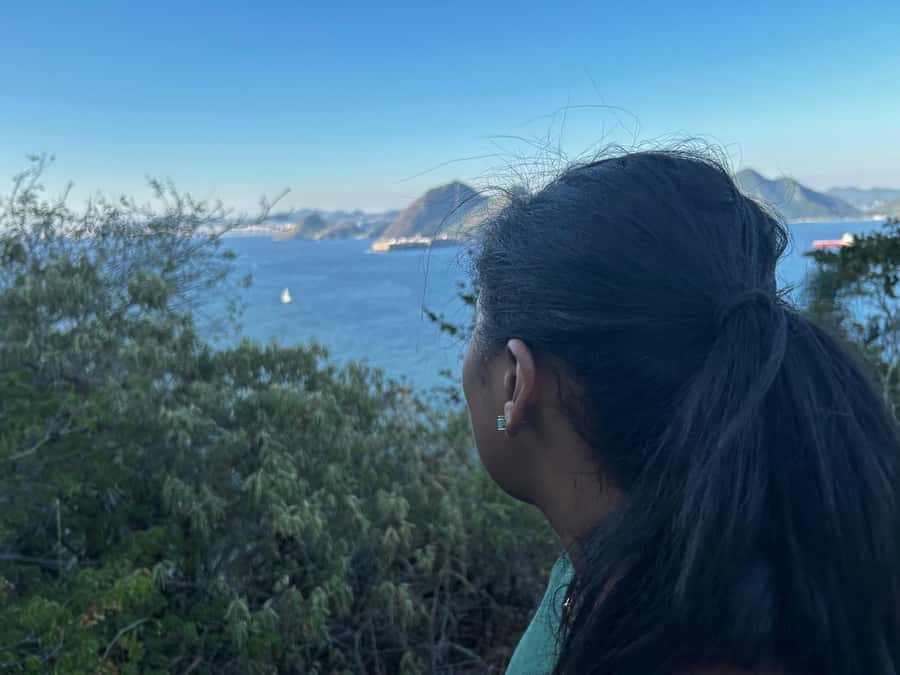
Once you reach the summit, the reward is immediate. The views are wide and dramatic—Copacabana and the Bay of Guanabara spread out beneath you. From up there, Rio’s coastline is less confusing and more understandable. You also see why Sugarloaf is such a defining shape in the city skyline.
One subtle advantage of an early climb is crowd control. Some schedules can get you to the top before the heaviest flows arrive. That makes a difference when you want photos, a steady gaze at the horizon, and a moment to actually take it in.
On a clear day, the summit is obviously worth it. On a less perfect day, you still get the mountain experience. One participant described rain the night before and still being able to climb once the rock was dry enough—without anyone promising outcomes ahead of time. Translation: the guide’s job is safety and conditions, not hype.






Cable car on the way back: plan for walking either way
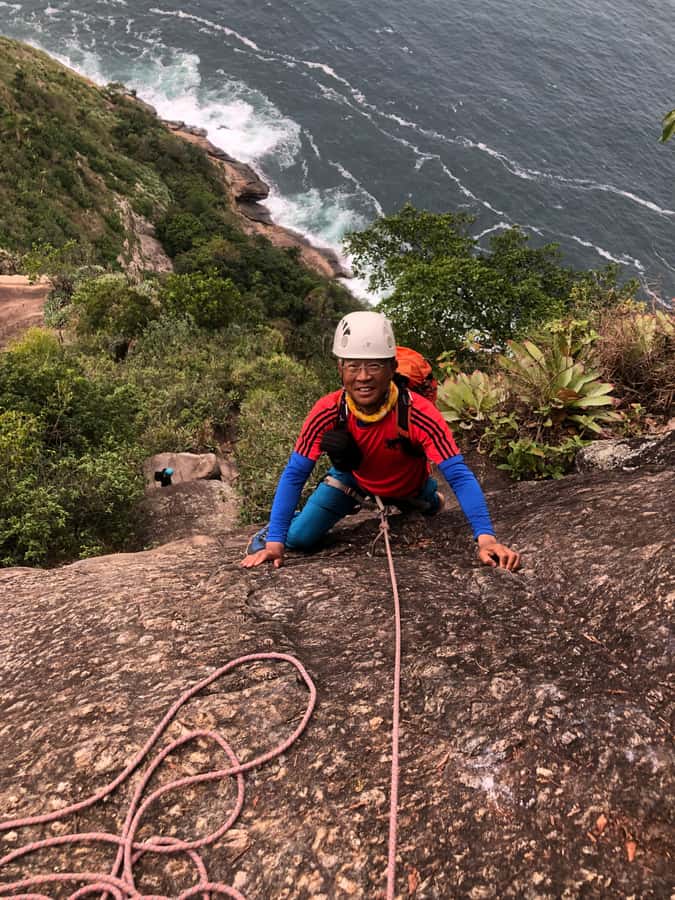
Most people think Sugarloaf equals cable car. This tour flips the script a bit. The climb is the main event, and the descent can include hiking downhill.
Your tour information says a cable car ticket isn’t included for the way back if you don’t like walking. In practice, the guide may handle part of the cable car ride, and then the remainder can be done as a downhill trek. That gives you an option without forcing you to commit to a single method.
So what should you do? Assume you will walk at least some of the return. The downhill portion is part of the fitness requirement. It’s also where good shoes matter again. Rocky footing can be tiring because it’s steep and repetitive.
If you want maximum control over your energy, bring a small energy snack and pace yourself on the way up. The descent is easier when you start it feeling like you still have some left in the tank.
Timing, group size, and how intense the 4 hours feels
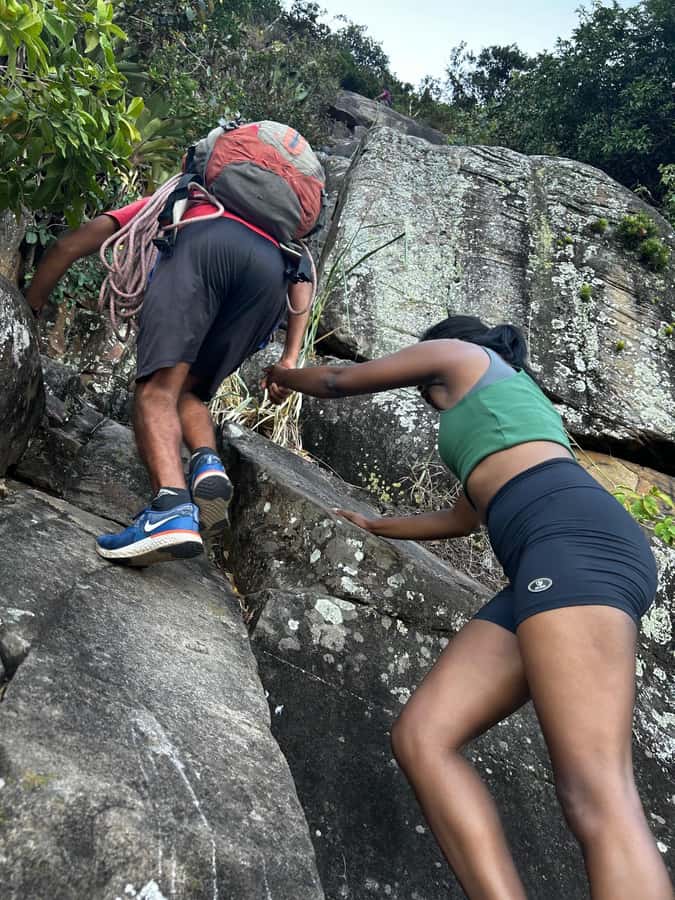
The tour duration is listed at 4 hours, and that’s a helpful anchor. But intensity matters more than the clock. This is not a slow stroll. You’ll hike down and up, then do a climb with a steep vertical section, then move back downhill.
Group size is limited to 5 participants. That’s a big deal for how the time feels. In a larger group, you’d spend more minutes waiting for turns, gathering gear, and watching others move. With a tiny group, the guide can spot where you’re struggling and correct your position quickly.
Fitness-wise, you need to be able to handle steep rocky paths and a climb that includes exposure and heights. The tour is also not recommended for children under 18 and isn’t suitable for people with altitude sickness. If you have knee issues or you get anxious on steep drop-offs, this is where you should think hard before booking.
The best way to enjoy it is to go in expecting effort. If you treat it like a casual hike, you’ll feel disappointed. If you treat it like a short climbing adventure, you’ll feel proud.
Price and value: what $60 really covers
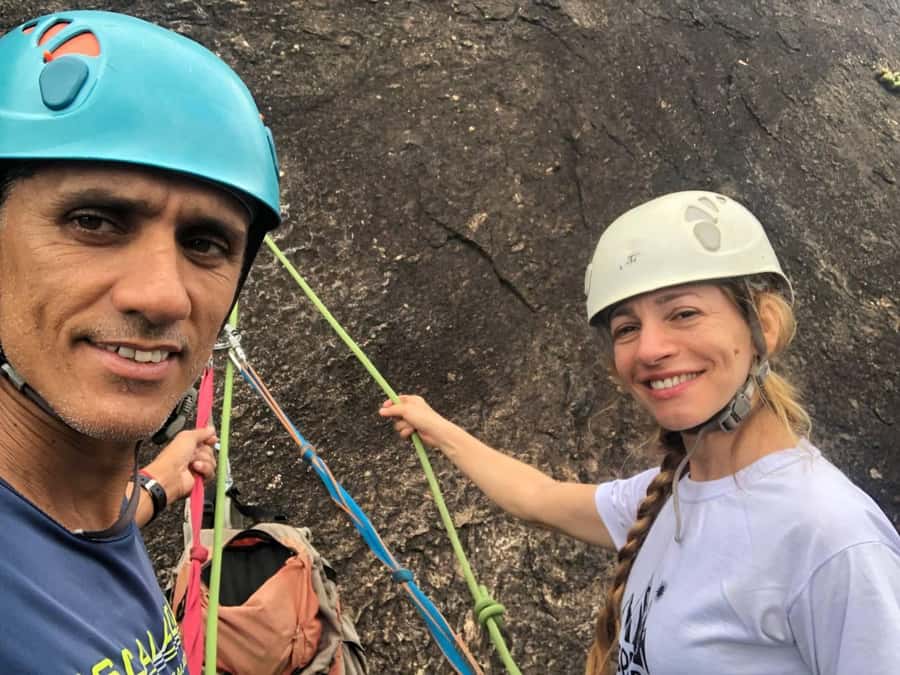
At $60 per person, this tour is priced like an activity, not a basic sightseeing stop. The value comes from what you get built-in:
- Guided hiking and climbing to Sugarloaf Mountain
- Certified climbing equipment
- An experienced guide
- Taxes and fees
That’s the part people miss when they only compare it to a cable car ticket. The cable car gets you to a view. This tour also teaches you how to move safely on rock, gives you gear, and puts decision-making in a professional guide’s hands—especially during the vertical section.
You should also factor the small-group attention into your value math. With up to 5 participants, the guide can correct technique and keep the group moving at a safe pace. That reduces uncertainty and makes the experience feel more personal.
One more value angle: choosing the hike-and-climb route often means better photos and less crowd pressure at the top. Not always, but often. Even when crowds are around, climbing makes the summit moment feel like a finish line, not a stop.
What to bring (and what to avoid) for rocky Sugarloaf footing
This tour gives you gear for the climbing part. You still control your comfort and safety on the hike.
Bring:
- Sunglasses
- Food and drinks (water matters here)
- Sunscreen
- Comfortable clothes
- Sports shoes
- Sportswear
Wear:
- Sturdy, grippy shoes. The route includes rock and uneven footing.
- Light layers, since you’ll work hard.
Skip:
- Sandals or flip-flops. They won’t hold up to rocky steps.
- Alcohol and drugs. Not allowed anyway, and also a bad match for physical safety.
- Pets. Pets aren’t allowed (assistance dogs are allowed).
Also, come with the right mindset. A head for heights makes the climb easier emotionally. Even if you’re not a thrill-seeker, you’ll feel safer when you focus on the next handhold and the next foot placement—guided and controlled.
Language, communication, and safety culture with André
One reason people rave about this day is how the guide communicates. Instruction is offered in Portuguese, Spanish, and English, so you can get safety details in a language you’re comfortable with. That matters for a climb, even a short one.
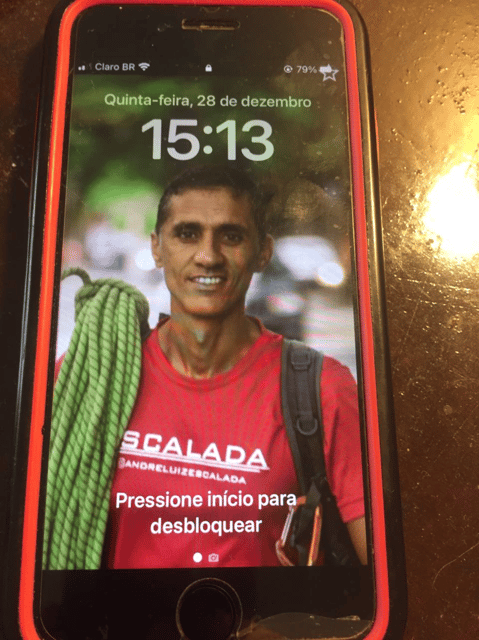
André’s approach, as described in multiple participant accounts, is calm, friendly, and very security-first. He paces the climb, helps if you’re afraid, and doesn’t rush the group. That combination is how you turn “rock climbing” from a scary label into a guided skill you can actually perform.
There’s also a human side. People mention feeling like they bond easily with the guide and even get help with photos during the climb. That’s not the headline on a safety form, but it’s part of why the day feels memorable instead of mechanical.
Should you book the Sugarloaf hike-and-climb with André?
Book it if you want a real Rio adventure with a high reward for moderate time. If you’re fit enough for steep, rocky walking and you can handle some exposure, this is a smart alternative to a straight-up cable car day. The chance to climb a 20-meter vertical wall with equipment and instruction is the core reason the experience feels worth it.
Don’t book it if steep terrain and heights make you uncomfortable, or if you’re dealing with issues related to altitude sickness or low fitness. This tour asks for effort, not just curiosity.
If you’re on the fence, I’d also consider the small-group factor. Up to 5 participants means the guide can focus on your safety and your learning, not only on getting everyone through a checklist.
If you want, tell me your fitness level (how steep is okay for you) and when you’re visiting Rio. I can help you judge whether this climb day will feel exciting or stressful.
FAQ
Do I need climbing experience to do this Sugarloaf Mountain climb?
No. You will climb with certified equipment and an experienced instructor who teaches you how to move on the rock.
How long does the Rio De Janeiro SUGARLOAF MOUNTAIN HIKE & CLIMB tour take?
The duration is 4 hours.
What languages does the instructor speak?
The instructor speaks Portuguese, Spanish, and English.
What is included in the price?
Included are the guided hiking and climbing tour to Sugarloaf Mountain, certified climbing equipment, the experienced guide, and taxes, fees, and processing fees.
What should I bring with me?
Bring sunglasses, food and drinks, sunscreen, comfortable clothes, sports shoes, and sportswear.
Are cable car tickets included for the way back?
No. A cable car ticket is not included for the way back if you do not like walking.
What kind of group size is this tour?
It is a small group, limited to 5 participants.
Is this tour suitable for children?
No. It is not suitable for children under 18 years. It is also not suitable for people with altitude sickness or low fitness.