REVIEW · RIO DE JANEIRO
Rio de Janeiro: Pedra da Gavea Adventure Hike
Book on GetYourGuide →Operated by RioXtreme · Bookable on GetYourGuide
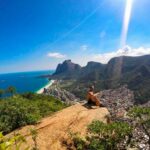
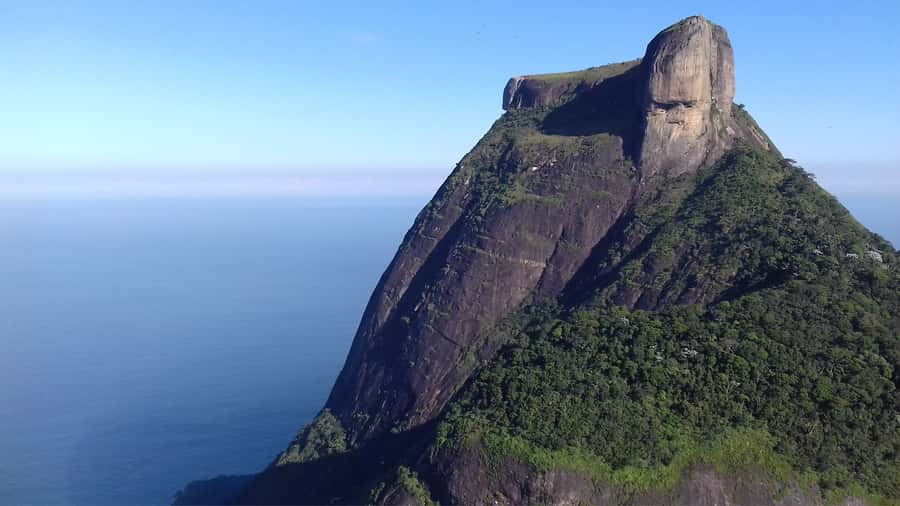
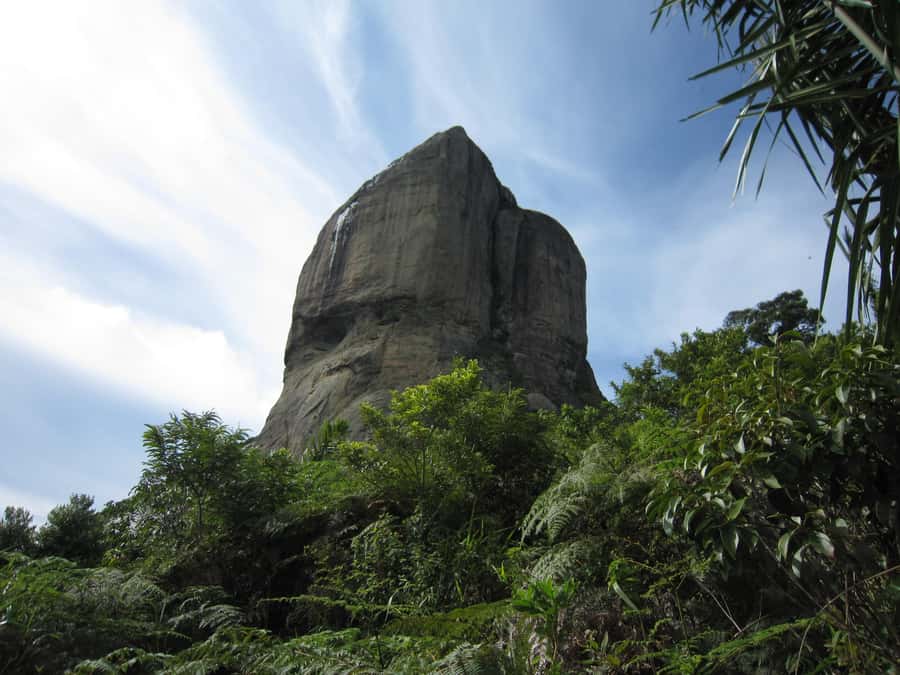
Pedra da Gávea feels like Rio’s roller coaster. You’re hiking inside Tijuca Forest National Park and aiming for a granite summit (842m / 2763ft) where the city, beaches, and famous landmarks suddenly make sense all at once. I love the payoff: the views aren’t just pretty, they’re clear and wide, like someone turned the volume up on Rio.
I also love that the adventure focuses on the moments that matter. Near the top, there’s a short, steep rocky segment where you use safety equipment, and it’s designed to be manageable even if you’ve never climbed before. The one drawback: the overall hike is rated advanced, with about 800m (2625ft) of elevation gain and a big chunk of effort on both the climb and descent.
In This Review
- Key things you’ll notice on this hike
- Why Pedra da Gávea is worth your Rio morning
- Route and timing: what the day feels like from start to finish
- Starting on the right foot (and shoes)
- The summit climb: 800m of effort, plus a short “hands-on” section
- The near-top climbing segment (and the beginner-friendly twist)
- What the climbing gear does for you
- Descent with a rappel: where the adventure gets real
- Why rappel feels harder than it looks
- The views you’ll actually earn: Tijuca Forest, beaches, and Rio’s landmarks
- Price and value: is $85 a good deal for this level?
- Who this hike suits best (and who should skip it)
- Great fit if you want real adventure without climbing history
- Not ideal if your main goal is a relaxing viewpoint day
- What to bring (so the day stays fun, not annoying)
- What you should leave at home
- Guide experience: patient support and a photographer mindset
- Should you book Pedra da Gávea with RioXtreme?
- FAQ
- How long is the Pedra da Gávea adventure hike?
- What time does the tour start?
- Where is the meeting point?
- What’s included in the price?
- What is not included?
- Is there a climbing/rappelling component?
- Do I need prior climbing experience?
- How big is the group?
- Is this hike suitable for children?
Key things you’ll notice on this hike
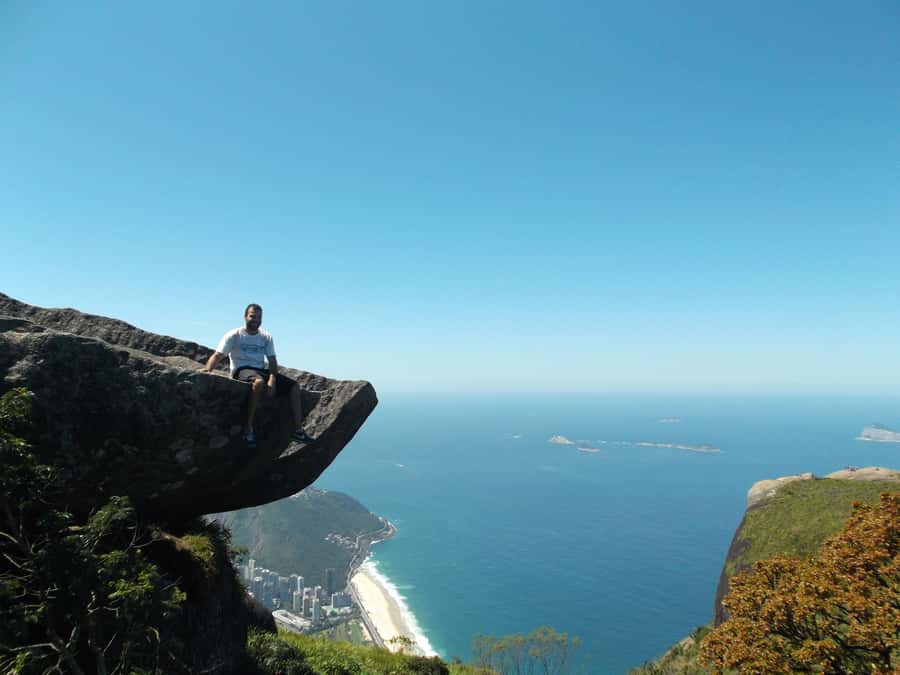
- Granite summit by the sea: You’re heading for a serious-looking rock formation at 842m.
- Advanced overall, but the technical part is short: The climbing segment is brief and handled with safety gear.
- Rappel on the way down: The descent includes a rock section that gets your attention.
- Small group (up to 6): You’ll move together, and the guide can manage pacing.
- Guides that stay hands-on: Edu is specifically noted for being attentive, patient, and even capturing photos/videos.
- Big time on your feet: Plan on a full morning into early afternoon—about 6 hours out in the real world, closer to 7 hours total.
Why Pedra da Gávea is worth your Rio morning
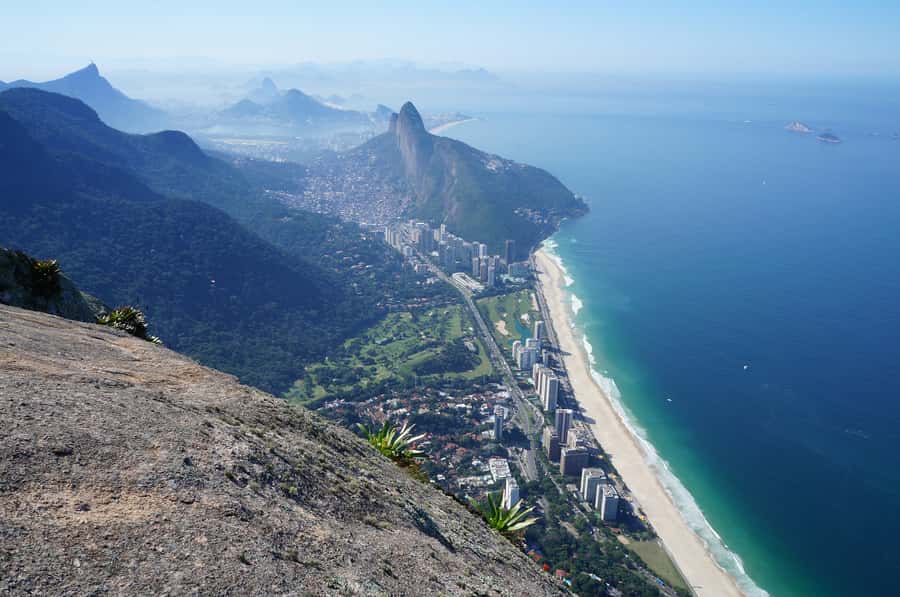
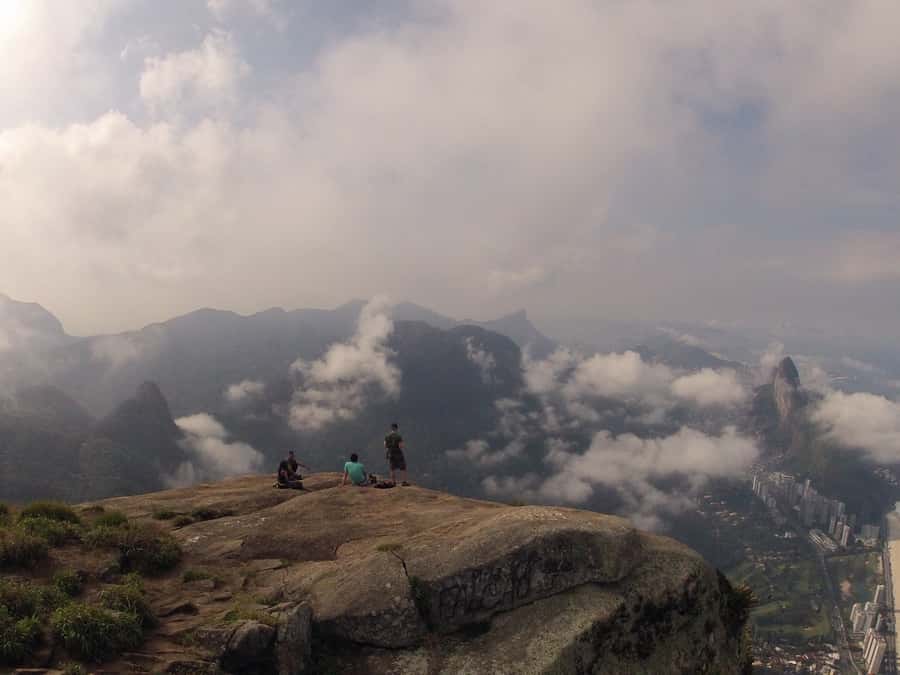
If you’ve only done easy viewpoints around Rio, Pedra da Gávea will feel like a level-up. This isn’t a “walk to a platform” kind of hike. You’re pushing through the forest setting and ending at a granite summit that hugs the coastline, so the scenery keeps shifting: shade and greenery early on, then exposed rock and open views near the end.
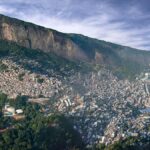
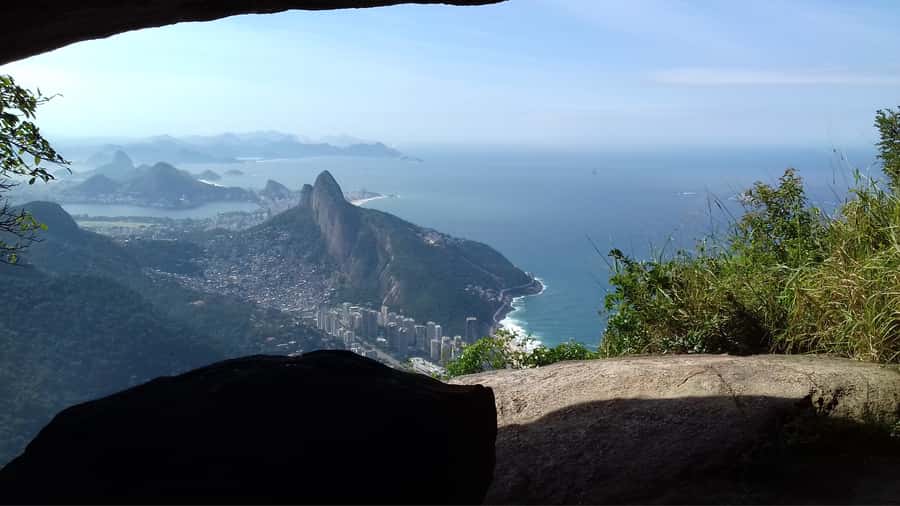
The most rewarding part, for me, is how the hike strings together Rio’s identity. Tijuca Forest is right there, the city appears in layers, and then the ocean slips into the picture. The summit view is famous for a reason, but the best part is the timing—when you finally reach it, you understand how Rio is built.
There’s also a nice honesty to this experience. You’re not being asked to pretend it’s effortless. The route is clearly an adventure, and the guide helps you handle the technical minutes without turning the whole day into a stress-fest.
You can also read our reviews of more hiking tours in Rio De Janeiro
Route and timing: what the day feels like from start to finish
You start from Estr. Sorimã, 932 (meeting at Point da Meire, Estrada Sorimã, 932, in Itanhangá / Barra da Tijuca area). The start time is 08:00. That early departure matters in Rio—cooler air and more stable footing can make a noticeable difference, especially since you’ll be working uphill for hours.
Here’s how the day breaks down in realistic terms:
- Total tour time: roughly 6 hours listed, about 7 hours approx when you include the full experience flow.
- On-trail time: about 5 hours.
- Climb vs. descent: around 2.5 hours climbing and 2.5 hours descending.
You also get a short break—about 5 minutes—so don’t expect a long sit-down. Think of it as a quick breather to reset before the final push or the descent.
Starting on the right foot (and shoes)
Right away, you’ll be moving from the meeting area into the route that feeds into Tijuca Forest. Your pacing here matters. If you sprint early, you’ll pay for it later when the near-top section arrives. If you go too slow, you may feel behind by the time the route tightens. A small group helps, because you can keep a steady rhythm without getting separated.
The summit climb: 800m of effort, plus a short “hands-on” section
Pedra da Gávea sits at 842m / 2763ft, and the route climbs about 800m / 2625ft overall. That’s why the hike is rated advanced—even if you’re doing “just” one mountain.
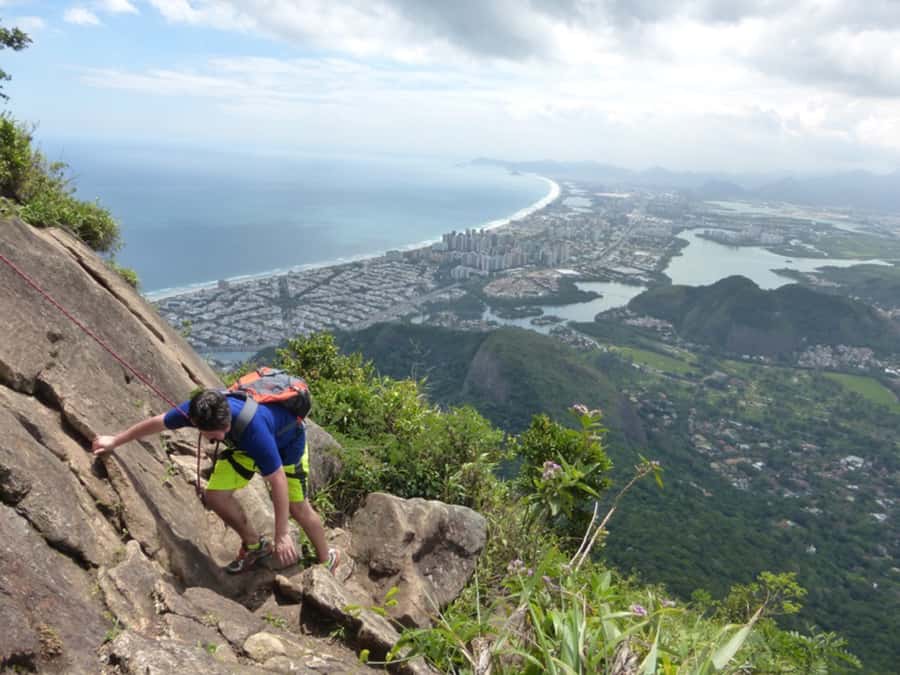
The ascent is mostly hiking and uphill traction. The real adrenaline begins closer to the top, because the route transitions into a short rocky feature where you’ll use safety equipment.
The near-top climbing segment (and the beginner-friendly twist)
Here’s the key detail you should know before you book: the technical part is close to the top, and it’s described as:
- a steep but short hand-climbing section (about 15m / 49ft),
- using safety equipment,
- easy and quick,
- designed as safe for beginners with no previous climbing experience required.
So how do you reconcile “advanced hike level” with “no experience required”? The hike level is about the whole package: distance, elevation gain, and the fact that you’re doing it in a rugged environment. The climbing “moment” is controlled, short, and guided with gear.




What the climbing gear does for you
Climb gear is included, and that changes the emotional tone of the day. You’re not improvising. A guide is there, and the equipment is part of the plan for that short segment near the top.
Also, this is where you should trust the guide’s instructions. On a rock face, hand placement and body positioning matter more than speed. I’d treat it like a guided lesson you can move through step-by-step.
Descent with a rappel: where the adventure gets real
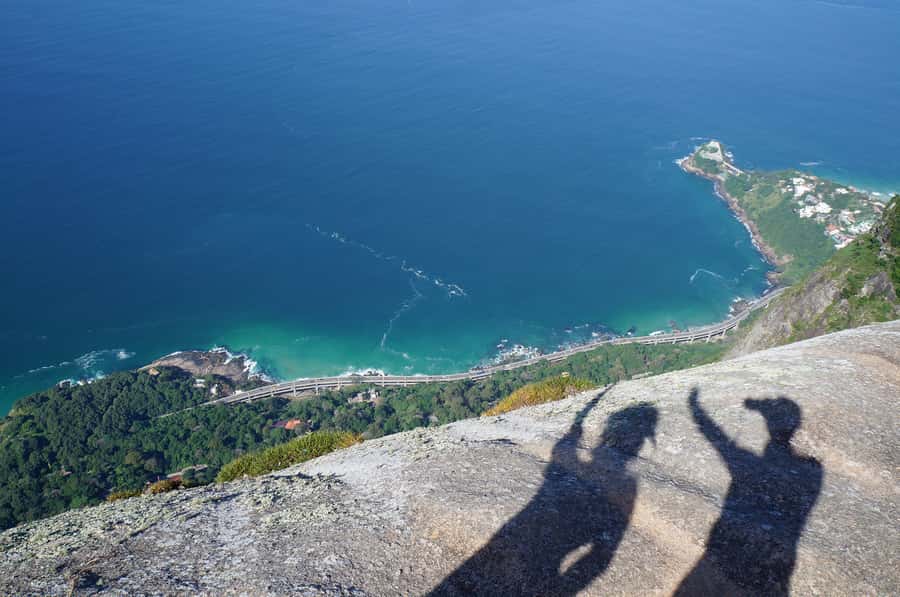
The return isn’t a casual walk downhill. On the way down, you do rappel on the rock section, and that’s one of the most demanding parts of the hike.
One of the strongest signals from actual experience: the descent includes a rappel portion that can be around 20 meters (not the whole descent, just the rock section). Another clear point is that the rappel is described as relatively manageable with instruction—still serious, but not random.
Why rappel feels harder than it looks
A hike up builds stamina. A rappel builds confidence. Your body has to cooperate with gravity and careful movement. Even if you’re fit, it’s mentally different from hiking.
The good news is that the rappel is part of the structured route. You won’t be left to guess how to get down. You have the climbing gear and an accredited mountain guide.
If you’re the kind of person who gets nervous with height, focus on one thing at a time: getting positioned correctly, listening to cues, and moving at the guide’s tempo. Don’t overthink it.
The views you’ll actually earn: Tijuca Forest, beaches, and Rio’s landmarks
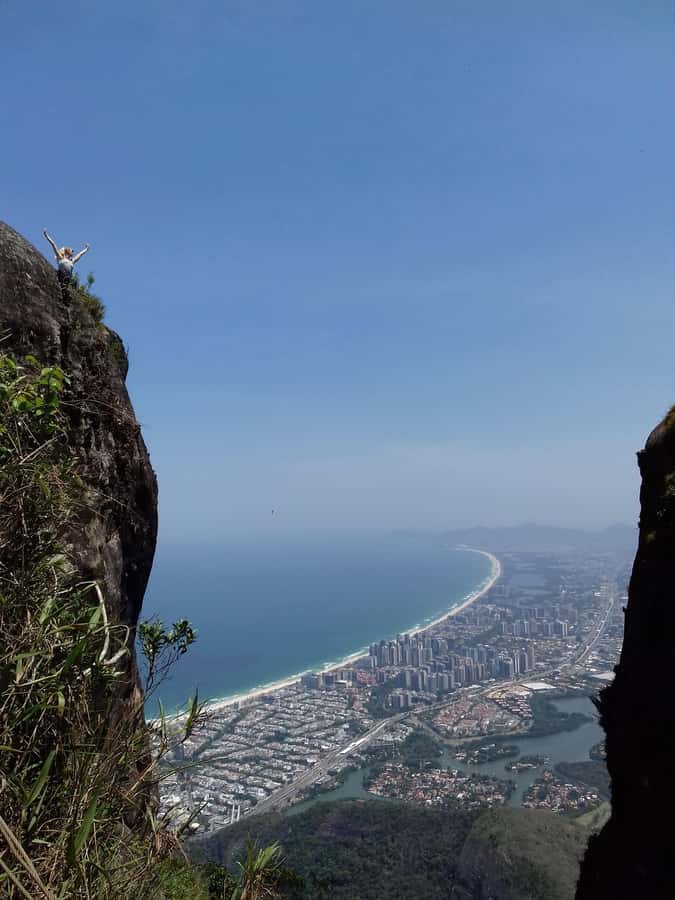
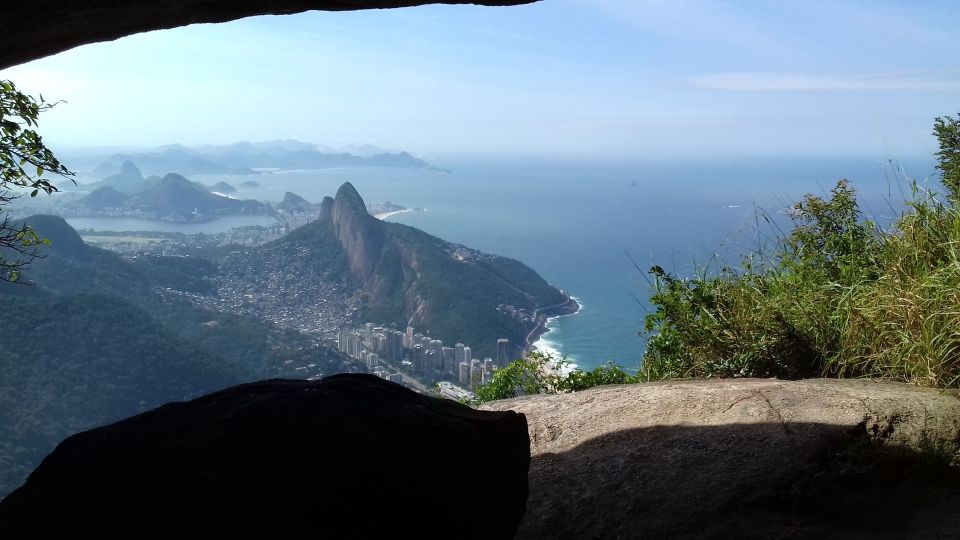
From the summit, you get a sweeping sense of Rio’s geography:
- views across Tijuca Forest National Park,
- the city unfolding below you,
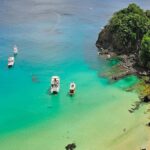
- the beaches and coastline in the background,
- and Rio’s famous landmarks appearing across the wider view.
The summit experience is more than a photo stop. You’ll feel the “aha” moment of understanding where everything is relative to the coastline and the forest. Up there, the scale becomes obvious, and it’s hard not to just stare for a minute.
And because the hike is structured as a morning activity, you’re more likely to have clearer conditions than if you start late. Still, weather can change fast in Rio, so be flexible in your expectations. What you can control: you show up ready, you pace well, and you give yourself the chance to enjoy the view once you reach it.
Price and value: is $85 a good deal for this level?
At $85 per person, this hike is priced like a guided adventure day, not a casual sightseeing tour. The value comes from two big inclusions:
- an accredited mountain guide
- climb gear (which matters because you’re using it for the technical segments)
What’s not included is equally important for budgeting:
- food and drinks
- transfer
If you’re already in Rio and can self-arrange getting to the meeting point, the $85 makes sense as a “skill + risk-managed gear” experience. The small group size (limited to 6 participants) also helps with value: the guide can give more attention than on crowded tours.
If you’d otherwise pay separately for a guide or gear rental, you’re saving money by having it packaged here. If you need full transportation and you don’t have easy access to the meet point, your real cost goes up.
Who this hike suits best (and who should skip it)
This is not a casual outing. It’s explicitly not suitable for:
- children under 15
- people with low level of fitness
That “advanced (level 5 of 5)” tag should be taken seriously. You’re working uphill, then descending with technical help and rappel.
Great fit if you want real adventure without climbing history
You’ll probably love this if:
- you enjoy hikes that feel like accomplishments,
- you’re comfortable being active for several hours,
- you want a guided introduction to a short climbing-style section,
- you like the idea of earning your view.
Not ideal if your main goal is a relaxing viewpoint day
If your ideal day is easy strolling, or if long ascents make you miserable, choose a different Rio plan. This one is built for people who want their lungs involved and don’t mind the moment when rock takes over the map.
What to bring (so the day stays fun, not annoying)
Pack like you’re hiking a mountain, not sightseeing. The tour lists exactly what you should bring, and I agree with it because the environment is exposed and physical.
Bring:
- water
- snacks
- hiking shoes
- daypack
- sunglasses
- sun hat
- sunscreen
- insect repellent
- breathable clothing
Also, bring practical common sense: keep what you carry light. You’ll be moving for hours, and luggage will be a hassle.
What you should leave at home
- no luggage or large bags
A small daypack is the best move. You’ll want your hands free when the route gets technical.
Guide experience: patient support and a photographer mindset
One of the most praised aspects from real experiences is the guide quality. I like that the hike runs with accredited mountain guides and is small group—so instructions are clear and the atmosphere stays calm.
Edu is specifically mentioned as super attentive, with patience and ongoing support through the route. There’s also a nice bonus: Edu tends to take photos and videos. Even if you’re not obsessed with pictures, it’s handy when your hands are busy and your focus needs to be on footing and safety.
The guide also matters most in two places:
- when you reach the short technical section near the top,
- and when rappel enters the plan on the descent.
You’re not just paying for views. You’re paying for managed confidence.
Should you book Pedra da Gávea with RioXtreme?
Book it if you want a Rio experience that feels earned: a high granite summit, real elevation gain, and a short climbing-and-rappel combo that turns the day into something you’ll remember long after the photos fade.
Skip it if you want easy hiking, weak knees, or a low-stress day. The hike level is advanced and the descent includes rappel work. Also skip if you’re carrying luggage or you don’t plan to bring your own water and snacks.
FAQ
How long is the Pedra da Gávea adventure hike?
The hike duration is listed as 6 hours, with an approximate total tour time of about 7 hours.
What time does the tour start?
The starting time is 08:00.
Where is the meeting point?
The meeting point is Point da Meire, Estrada Sorimã, 932, Itanhangá – Barra da Tijuca, Rio de Janeiro (meeting address also given as Estr. Sorimã, 932).
What’s included in the price?
It includes an accredited mountain guide and climb gear.
What is not included?
Food and drinks are not included, and transfer is not included.
Is there a climbing/rappelling component?
Yes. Near the top you do a short hand-climbing section using safety equipment, and on the way down you rappel on the rock section.
Do I need prior climbing experience?
No previous climbing experience is required for the short rocky section near the top, since you use safety equipment.
How big is the group?
The group is small, limited to 6 participants.
Is this hike suitable for children?
No. It’s not suitable for children under 15, and it’s also not recommended for people with low fitness.