REVIEW · RIO DE JANEIRO
Rio de Janeiro: Carnaval Backstage Tour and Samba Class
Book on GetYourGuide →Operated by Rio Carioca Tours & Service · Bookable on GetYourGuide
Carnival in Rio gets into your bones fast. This backstage tour and samba class let you step into how a samba school prepares for the big parade: costume workshops, a chance to try outfits, a welcome caipirinha, and then a guided rhythm lesson. I especially like the hands-on costume experience and the fact that you get guided samba instruction no matter your level; Lucas, one guide named in feedback, also stood out for keeping the pace energetic. One thing to consider: depending on timing and what’s visible that day, you may not see parade floats up close, and the samba portion can feel short if you’re hoping for nonstop dancing.
You’ll move through the experience at a comfortable tempo because the tour is built as a simple loop: pickup, samba school access, workshop time, class time, then a return trip to your hotel. With a 3-hour duration and hotel transfers included, it’s a good way to fit Carnaval into a tight schedule without turning your day into a transportation marathon. Still, in peak season, local traffic and the crush of people can stretch the schedule, so plan to keep the rest of your day flexible.
In This Review
- Key Things I’d Focus On Before Booking
- Backstage at a Rio Samba School: Costume Workshop and Caipirinha Welcome
- Hotel Pickup and Transfers: How the 3-Hour Format Actually Works
- What You’ll See in the Costume Workshop (and Why It Matters)
- Trying On the Costumes: Photo Memories With a Hands-On Twist
- The Samba Class: Learning Steps Without Feeling Lost
- Do You See Parade Floats? Setting Realistic Expectations
- Price and Value: Is $58 Worth It for 3 Hours in Rio?
- Language and Guide Experience: What Support Looks Like
- Who This Tour Is Best For (and Who Might Want a Different Plan)
- Should You Book This Carnaval Backstage and Samba Class?
- FAQ
- How long is the Rio de Janeiro Carnaval Backstage Tour and Samba Class?
- How much does the tour cost?
- Is hotel pickup and drop-off included?
- What’s included in the ticket price?
- Are drinks besides the caipirinha included?
- Is there food included?
- What languages does the live guide speak?
- How do starting times work for this 3-hour tour?
- What if I need accessibility support?
Key Things I’d Focus On Before Booking
- Backstage access at a samba school instead of just watching from the outside
- Costume try-on time plus photo-friendly moments around the workshop area
- Welcome caipirinha included, which makes the start feel like a real Carnaval warm-up
- Samba class instruction geared to beginners and improvers alike
- Hotel pickup/drop-off from major Rio neighborhoods to cut stress
- Expect variability: parade floats or char floats may not be on full display every day
Backstage at a Rio Samba School: Costume Workshop and Caipirinha Welcome
The heart of this tour is straightforward: you get access to the working side of Carnaval, not just the show side. After hotel pickup, you’ll head to one of the samba schools tied to Rio’s parade world. The focus is on how the season’s spectacle is built, including the costume creation process and the people behind it.
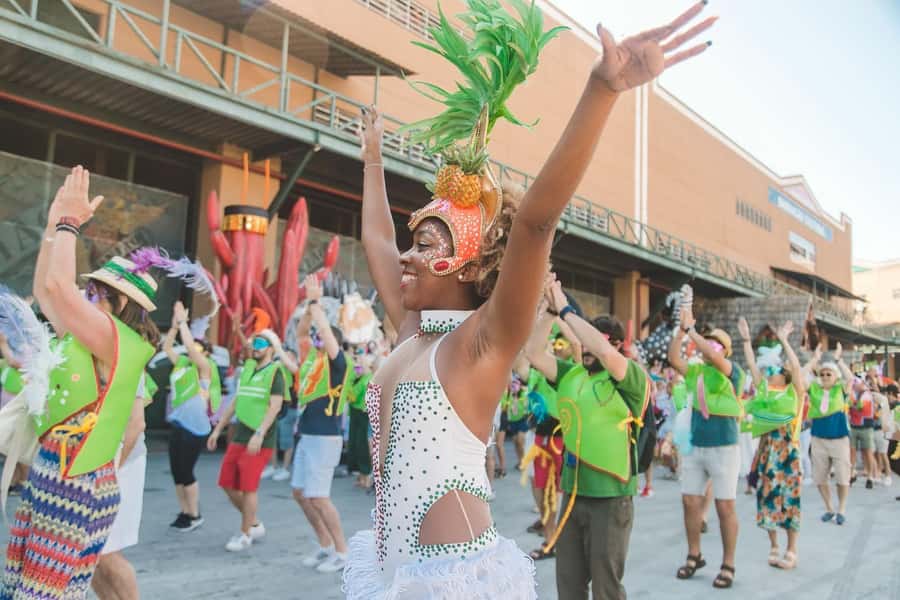
Before you jump into samba, you’ll spend time where costumes are prepared. This is the moment that tends to feel most different from a standard cultural stop. You’re not just learning in theory—you’re looking at materials, craftsmanship, and the sheer effort that goes into the parade look. The tour guide also walks you through the cultural meaning and history of Carnaval in a way that keeps it connected to what you’re seeing right then.
And yes, there’s the welcome drink: a caipirinha is included. It’s not just a cute detail. Carnaval is a sensory thing—music, motion, glitter, and loud joy—and that first sip helps set the tone so you’re ready to pay attention to everything the workshop staff and guide are pointing out.
You can also read our reviews of more tours and experiences in Rio De Janeiro


Hotel Pickup and Transfers: How the 3-Hour Format Actually Works
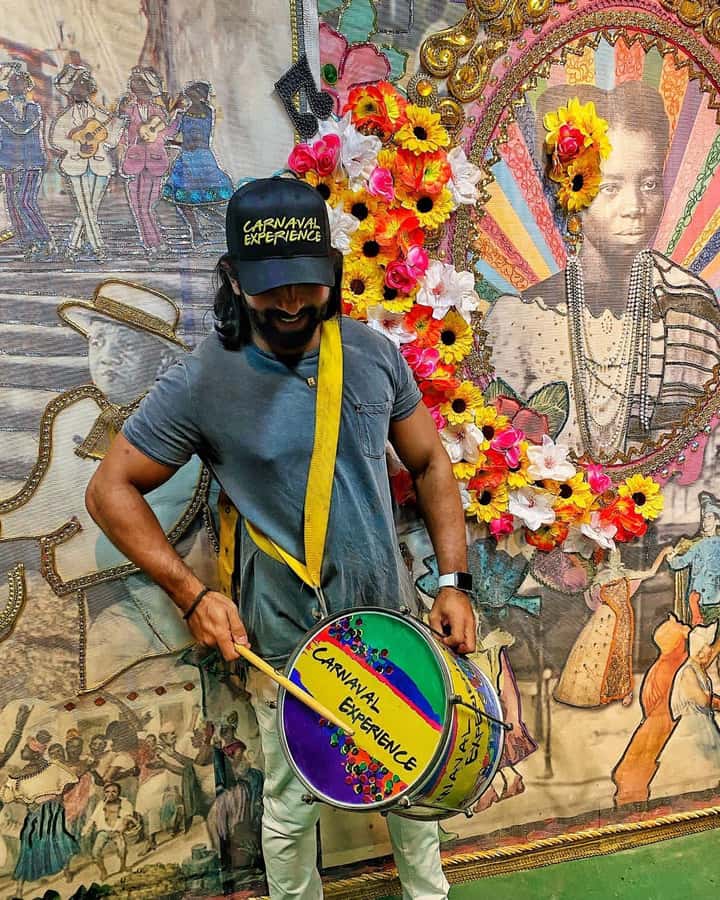
This is a short tour by design: 3 hours total, with hotel pickup and drop-off included. For me, that’s the main value. You’re paying for time that’s protected and planned, not time you lose to hunting for a meeting point or waiting around for local transport.
Pickup is available from most hotels in these areas: Leblon, Ipanema, Copacabana, Leme, Botafogo, Flamengo, and Centro. If you’re not in one of those zones, you’ll need to confirm pickup options with the provider. Either way, the tour is set up so you’re not figuring out schedules mid-day.
The one practical caution: in high season, traffic and crowd levels can slow things down. The tour can take longer simply because Rio’s streets get complicated during Carnaval season. If you have dinner reservations or a later plan, give yourself breathing room.
Also, if you use a wheelchair or have reduced mobility, notify the provider in advance. Access is subject to availability, so it’s best to flag this early rather than hoping for the best.
What You’ll See in the Costume Workshop (and Why It Matters)
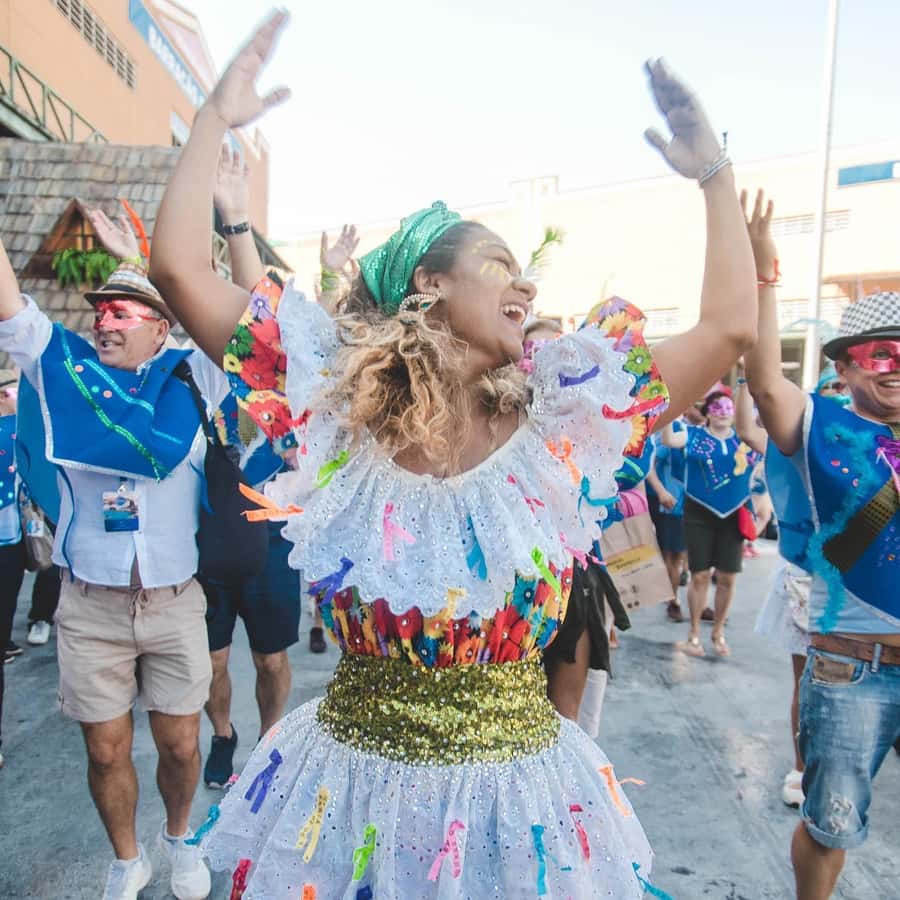
The workshop stop is where the tour earns its backstage label. You’re there to understand how costumes are made and how the parade look comes together from parts—design, materials, and finishing. Even if you don’t consider yourself a costume person, you’ll likely find yourself slowing down here, because Carnaval costumes aren’t just pretty. They’re engineered to move, catch light, and create a visual identity as dancers stream past the stands.
The guide typically adds context as you walk through the space. You’ll hear about the significance of Carnaval and why samba schools treat the season seriously, even though the vibe looks pure party from the outside. That mix—visual work plus cultural context—is what makes the workshop time feel meaningful instead of like a quick photo stop.
One subtle benefit: the workshop environment is naturally photo-friendly. You’re surrounded by colors and textures that look better in a camera than you might expect. If you like travel photos, you’ll probably leave with more than just a group shot.
Trying On the Costumes: Photo Memories With a Hands-On Twist
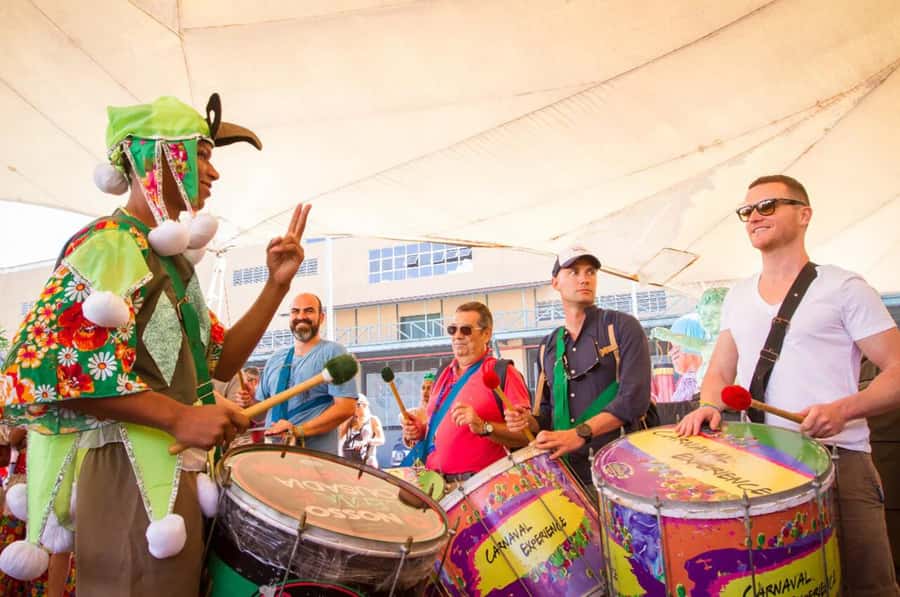
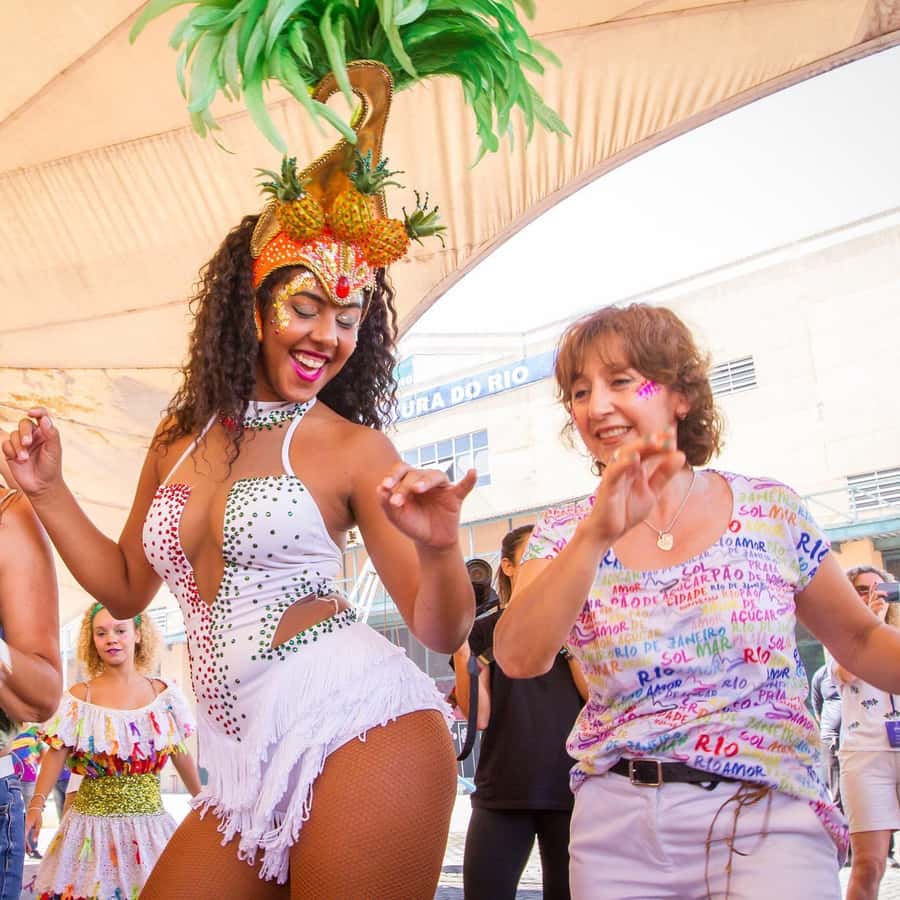
A standout feature here is the chance to try on stunning carnival costumes. This isn’t just getting your picture taken next to something. The tour includes costume fitting time, and that hands-on element is what makes this activity feel personal.
In one feedback note, a costume fitting was called out as especially good. Another comment mentioned that the “costume try-on” portion was clearly a highlight. Translation: you’re likely to come away feeling like you didn’t only watch the backstage world—you stepped into it.
What to do to make this part enjoyable:
- Wear something you can easily move around in and that won’t fight the fitting process.
- Bring a hair tie or clip if you have long hair.
- Expect that fitting may limit how much time you spend on photos at the exact moment you’re in costume, so think about what you want to capture before you change.
Also, don’t confuse costume try-on with being fully dressed for a parade. You’re trying pieces, not joining the parade float crew. The goal is to experience the look and craftsmanship up close.
The Samba Class: Learning Steps Without Feeling Lost
After the workshop and fitting time, you shift gears into movement: a samba class led by expert instructors. This part is designed for different levels, including total beginners.
The value of a guided class is that you’re not guessing. Samba looks simple from afar, but the rhythm and timing are specific. A good instructor helps you feel the pattern in your body—weight shifts, step timing, and the basic coordination that makes it look like samba instead of random dancing.
The class format matters because your total tour time is only 3 hours. The class won’t turn into a full-day rehearsal, but you should still expect a solid intro you can take with you. You’ll likely leave with a few steps you can remember next time samba plays on the street.
That said, there’s a balance point to keep in mind. One piece of feedback mentioned the samba court time felt very brief—around 5 minutes in that person’s experience—and also that parade chars weren’t visible. I’d treat that as a reminder to set your expectation: the samba class is real instruction, but it may not be a long performance-style segment.






Do You See Parade Floats? Setting Realistic Expectations
Carnaval brings giant spectacle—huge floats, sculpted set pieces, and massive visual impact. The tour’s focus is the backstage production side, including costume creation and school preparations. That means parade floats may or may not be on display in the exact way you’re picturing.
In one feedback comment, the timing was shortly after the past season, and the writer said many impressive wagons were still visible. That suggests your experience could vary depending on when you go and what the school has accessible that day.
So here’s the practical way to plan: if you care most about seeing parade floats up close, check whether this tour day is likely to include workshop-area visibility. If your main goal is costume craft plus learning samba, this is a strong match even if float viewing is limited.
The bottom line: treat parade-float access as a bonus, not the core promise. The core promise is workshop access, costume try-on, caipirinha welcome, and samba instruction.
Price and Value: Is $58 Worth It for 3 Hours in Rio?
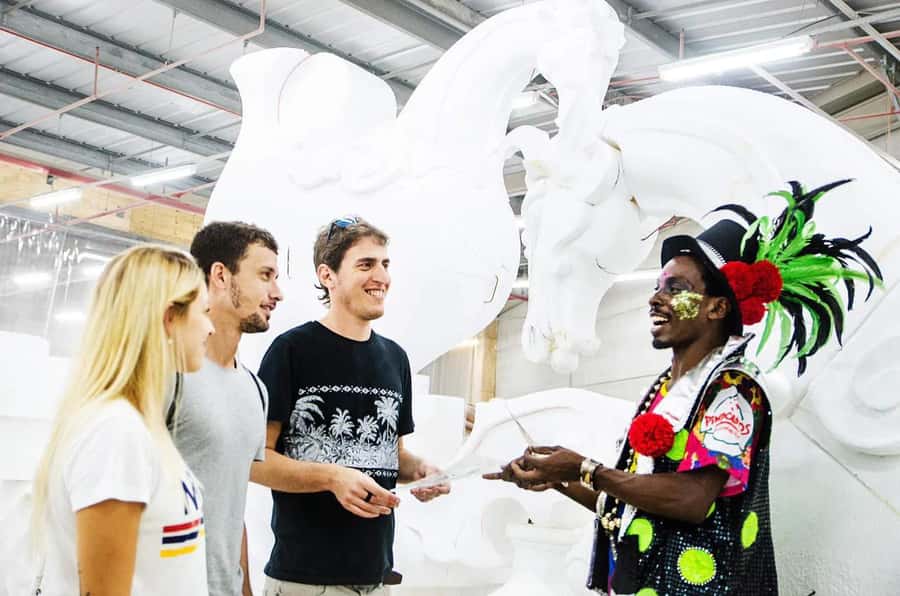
At about $58 per person for 3 hours, the value comes from what’s included, not just the activity itself. Hotel pickup and drop-off, the entrance ticket, a live guide, and the caipirinha are all bundled in. In a city like Rio, transportation friction is real, especially during Carnaval. Removing that friction alone can make the price feel more reasonable.
You’re essentially buying three things:
- Backstage access to a samba school environment
- A hands-on costume try-on experience
- A guided samba class that teaches real basics
That’s a lot for a short timeframe, which is why this works well for visitors who want a Carnaval taste without committing to the longer parade-season schedules or spending the entire day in transit.
If you’re traveling on a tight budget, you’ll want to compare this with other Carnaval experiences that either cost more for seating or focus only on watching. Here, you’re paying to participate: touch the craft, try the costumes, and learn the rhythm.
Language and Guide Experience: What Support Looks Like
The tour includes a live tour guide in multiple languages: English, Spanish, Portuguese, Italian, French, and German. That matters because samba instruction depends on communication. If you don’t speak Portuguese, you still get meaningful guidance through the workshop and in the class.
One name that stood out in feedback is Lucas. The comment praised his pacing and the mix of history, background, and personal immersion into the samba world. Even without expecting Lucas specifically, you can take this as a sign that guides are meant to do more than recite facts—they’re supposed to connect what you’re seeing with what it means.
If you’re sensitive to long lectures, this is also where the tour’s structure helps. It moves from workshop to try-on to samba class instead of lingering only in one setting.
Who This Tour Is Best For (and Who Might Want a Different Plan)
This tour fits you if:
- You want Carnaval in Rio but prefer hands-on experiences over only watching
- You like costume design, dance basics, and learning how things are made
- You want a short, well-run format with transfers handled
- You’re traveling with friends or a partner and want shared moments for photos
You might consider a different approach if:
- You’re obsessed with seeing parade floats in full detail for most of the visit
- You only want a long, performance-style samba time rather than a class intro
- You’re going at peak crowd levels and you have no flexibility for slower traffic
Also, if you have mobility needs, tell the provider ahead of time so they can confirm access.
Should You Book This Carnaval Backstage and Samba Class?
If your dream is to get beyond the street-level spectacle and get a feel for how samba schools prepare, I’d say this is a strong bet. The best reasons to book are simple: costume try-on, workshop access, and a guided samba class, all wrapped up in a short 3-hour schedule with pickup and drop-off.
Book it when you want:
- A practical Carnaval experience that doesn’t swallow your whole day
- More participation than sightseeing
- A plan that’s easy to fit into Leblon, Copacabana, Ipanema, Flamengo, Botafogo, Centro, and nearby stays
Skip or pair it with another plan if your top priority is float viewing or a long dance performance. But for most first-time Rio visitors, this tour hits a sweet spot: you learn, you move, and you leave with stories you can actually explain—like how samba schools build the parade look and how that rhythm starts with basic steps.
FAQ
How long is the Rio de Janeiro Carnaval Backstage Tour and Samba Class?
It lasts 3 hours.
How much does the tour cost?
The price is listed as $58 per person.
Is hotel pickup and drop-off included?
Yes. Pickup and drop-off are included, with pickup available from most hotels in Leblon, Ipanema, Copacabana, Leme, Botafogo, Flamengo, and Centro.
What’s included in the ticket price?
Included items are hotel pickup and drop-off, a tour guide, an entrance ticket, and a welcome caipirinha.
Are drinks besides the caipirinha included?
No. Additional drinks are not included.
Is there food included?
No. Desserts and snacks are not included.
What languages does the live guide speak?
The tour guide is available in English, Spanish, Portuguese, Italian, French, and German.
How do starting times work for this 3-hour tour?
Starting times depend on availability, so you’ll need to check dates to see when the tour runs.
What if I need accessibility support?
If you have reduced mobility or use a wheelchair, you should notify the activity provider in advance. Access is subject to availability.