REVIEW · RIO DE JANEIRO
Rio de Janeiro: Flamengo Museum Ticket Entrance
Book on GetYourGuide →Operated by Mude Administração de Museus Esportivos · Bookable on GetYourGuide
Flamengo fans and history lovers will both smile here. This ticket gets you into the Clube de Regatas do Flamengo headquarters in Gávea, where the museum tells the club’s story from its sailing-club roots in 1895 to modern-day football glory.
I especially love how the exhibits turn the club’s identity into something you can actually feel—big screens, sensory spaces, and lots of hands-on tech. And I also like the trophy room across four floors, because it gives you a clear sense of scale without needing a sports degree.
One drawback: if you’re not into Flamengo (or you prefer quiet, non-visual museums), you may find the pace and tech-heavy storytelling a bit much for a single visit.
In This Review
- Key Things I’d Not Miss
- Why This Museum Is Worth Your Rio Time
- Entering The Clube de Regatas do Flamengo Museum Proper
- How the Museum Tells Flamengo’s Story Since 1895
- Trophy Room on Four Floors: The Best Visual Anchor
- The 14 Themed Sections: Tech, Interactivity, and Emotion
- What You’ll See Besides Football: Idols, Historical Objects, and Preserved Collection
- Timing Your Visit: Make One Day Count
- Practical Rules That Matter Once You Arrive
- Digital Guide in Multiple Languages: The Easiest Upgrade
- Price and Value: Is $18 Worth It?
- Who This Experience Fits Best (And Who Might Skip It)
- Should You Book The Flamengo Museum Ticket Entrance?
- FAQ
- Where is the Flamengo Museum entrance?
- How long does the experience last?
- Is there a digital guide, and what languages are available?
- What is the price?
- Are food and drinks included?
- Are photos and filming allowed?
Key Things I’d Not Miss
- Four floors of trophies that map the club’s journey in a very physical way
- 14 themed sections mixing technology, emotion, and interactive environments
- Gávea headquarters location so you’re seeing the museum where the club actually lives
- Multi-language digital guide available in English, Spanish, and Portuguese
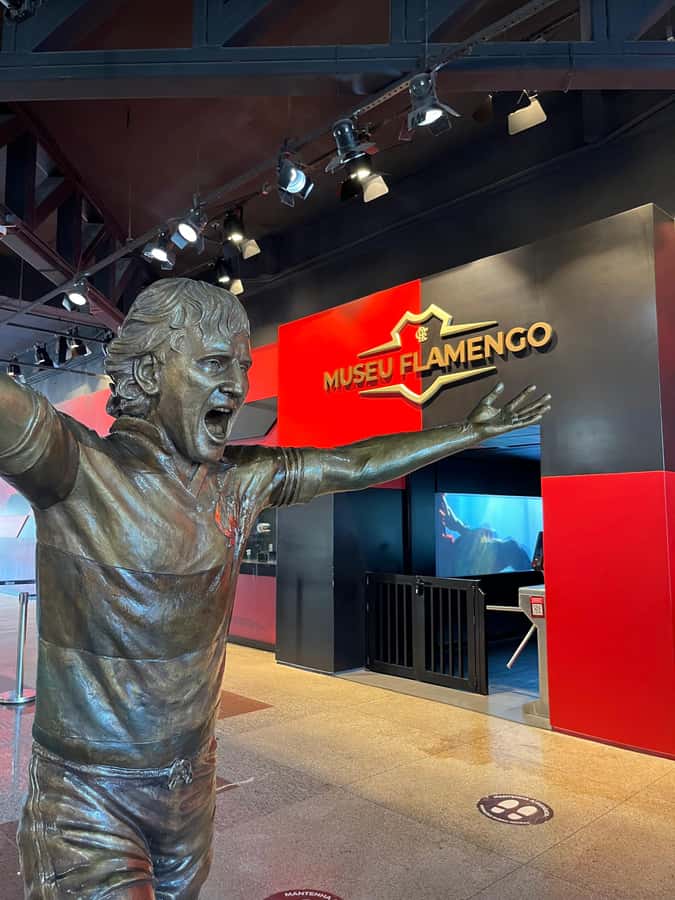
- Idols and preserved historical objects that go beyond generic football memorabilia
Why This Museum Is Worth Your Rio Time
The Flamengo Museum is one of those experiences that makes “sports history” feel like more than just dates and names. You’re walking through the evolution of one of Brazil’s best-known clubs, and you’re doing it in the place where Flamengo calls home—its headquarters in Gávea, south of Rio de Janeiro.
You’ll likely get more from the visit if you already know a little about Flamengo. But even if you don’t, the museum’s structure is built to guide your attention: it doesn’t dump everything on you at once. It uses screens, environments, and theme-based rooms to help you understand what changed over time and why those moments mattered to the club and its supporters.
The other reason I think it works so well is production quality. The museum was developed by the same team that created iconic sports museums linked to River Plate, Boca Juniors, Juventus, and Benfica. That matters because it usually means stronger storytelling design than a basic gallery layout.
You can also read our reviews of more tours and experiences in Rio De Janeiro



Entering The Clube de Regatas do Flamengo Museum Proper
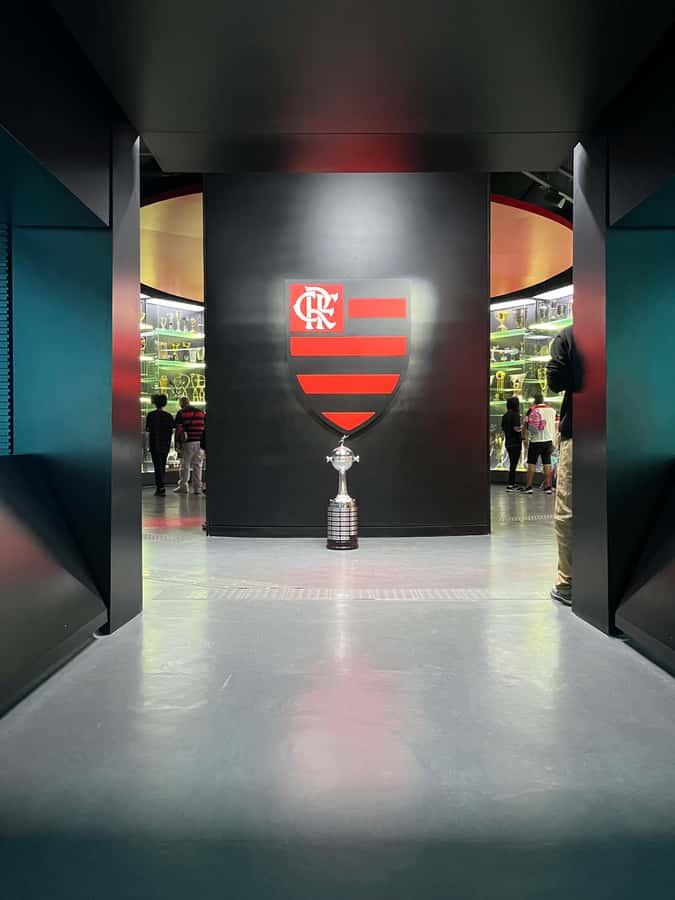
Your visit starts at the Clube de Regatas do Flamengo headquarters in Gávea. This is not a random roadside attraction tucked into a warehouse. It’s the club’s own base, so the setting helps the museum feel grounded.
You should plan to treat this as a full “museum block” rather than a quick photo stop. The experience is designed around multiple sections and at least several floors, with technology and interactive elements that take a bit of time to absorb properly.
Before you go in, check your basic rules so you don’t lose time at the entrance. Your cell phone is requested to be on airplane mode or silent, and filming or photos with a flash are not allowed. Smoking is forbidden inside the museum premises, and there are multiple restrictions around food, drinks, and certain items (more on that below).
How the Museum Tells Flamengo’s Story Since 1895
The core storyline is the club’s transformation over time. You’ll see the museum guide you through Flamengo’s shift from a sailing club (starting in 1895) into a football powerhouse. The museum’s layout helps connect those phases so it feels like one continuous journey instead of separate exhibits.
What I like about this approach is that it gives context. Even if you mainly care about today’s football, you can’t fully understand Flamengo’s identity without knowing where it came from. The museum treats that early beginning as part of the same narrative as the modern era, which makes the “why” clearer.
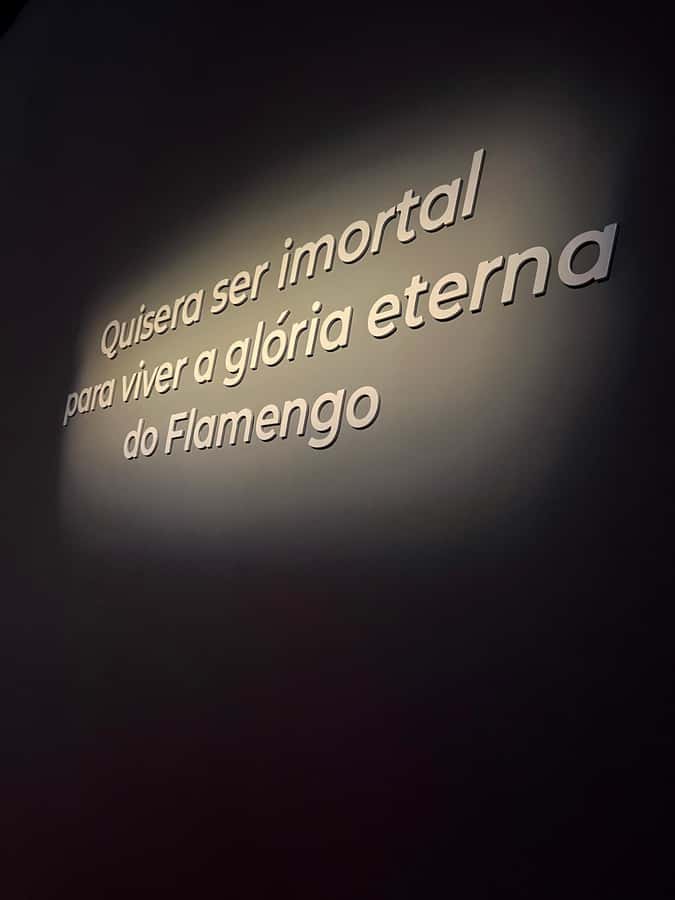
You’ll also notice that the museum leans into emotion and community. It isn’t just saying Flamengo is famous—it tries to help you understand what moments people remember and why they still matter. If you’ve ever felt that feeling of team loyalty, you’ll recognize it here, even if you’re visiting as a curious outsider.
Trophy Room on Four Floors: The Best Visual Anchor
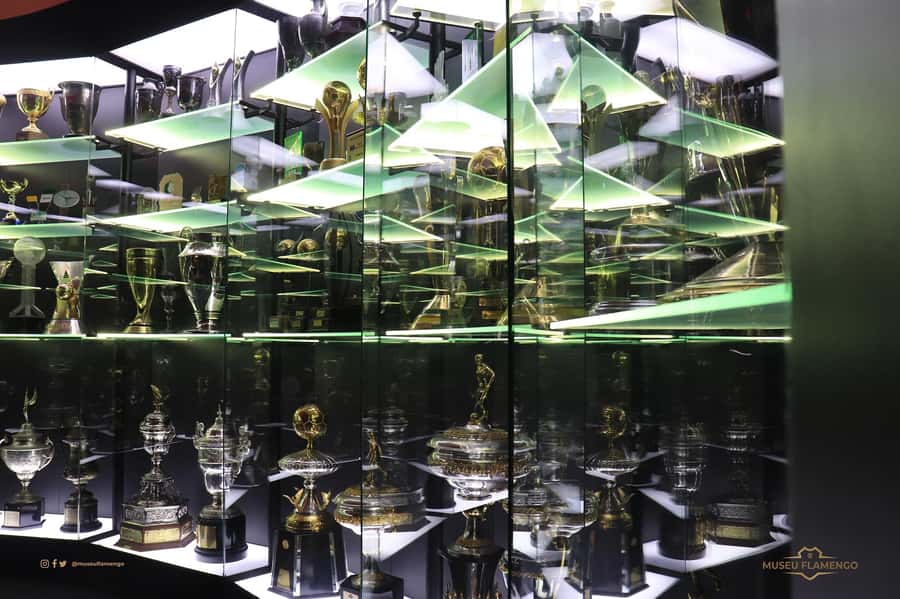
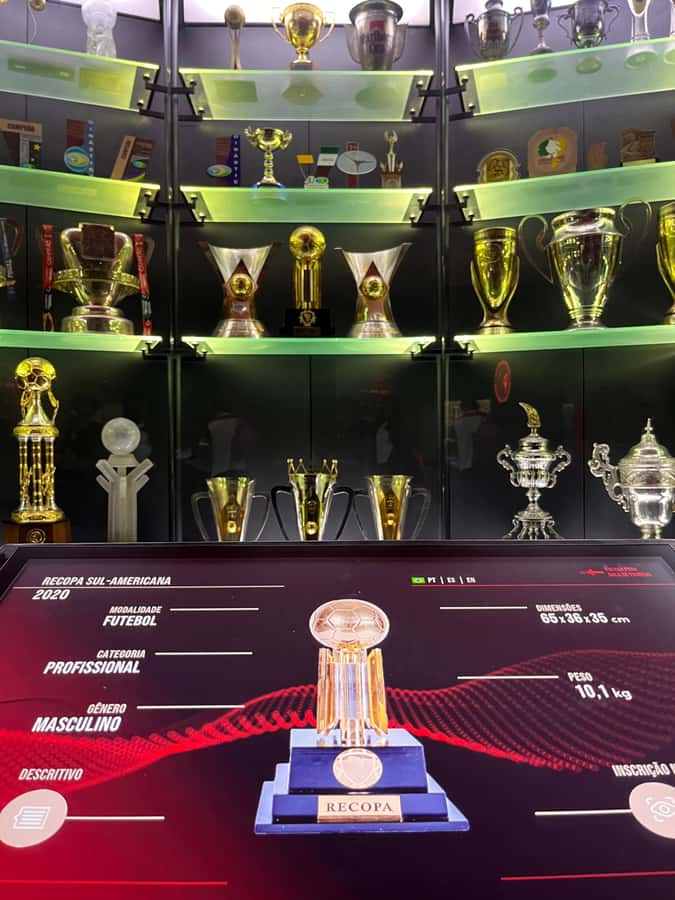
If I had to pick one “must-see” element, it’s the trophy room spread across four floors. This is where the museum becomes most tangible. Instead of relying only on text panels, you get to see the collection in a way that naturally pulls you upward and onward.
A multi-floor trophy area also changes how you experience the story. On the ground level, it can feel like you’re taking in the basics. As you move up, it’s easier to feel the growth and momentum—how the club’s success built over time and how later achievements sit on top of earlier ones.
You don’t have to read every label to get value from this. The museum’s design uses scale and layout so that even a quick scan helps you grasp big turning points. If you take your time, though, you’ll likely enjoy comparing how themes repeat and evolve from floor to floor.
The 14 Themed Sections: Tech, Interactivity, and Emotion

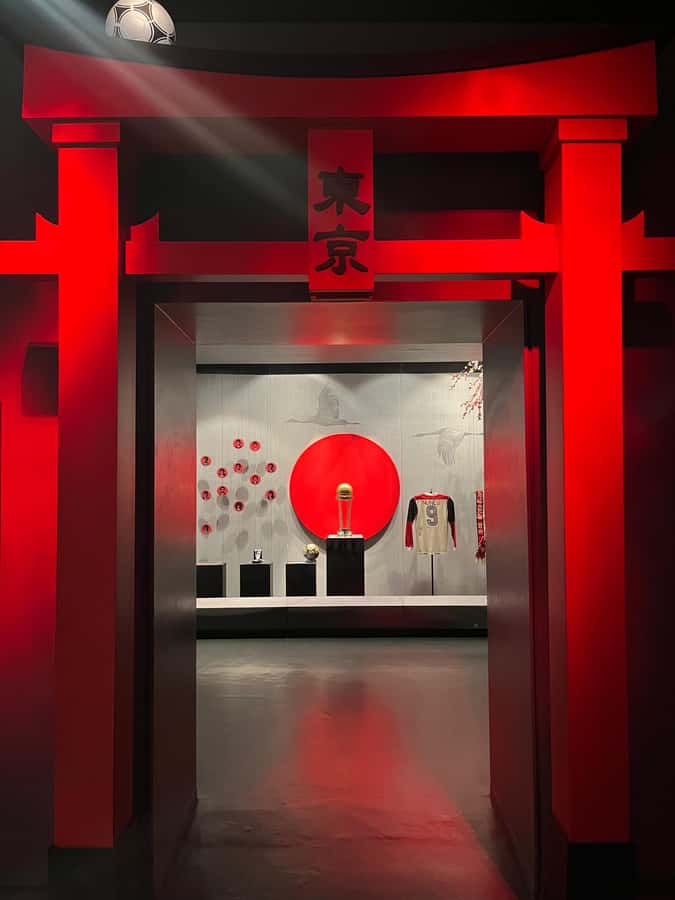
Beyond the trophy room, the museum uses 14 themed sections to keep the experience moving. Each section blends technology, interactive elements, and emotional storytelling so the visit doesn’t feel like one long hallway of artifacts.
This is where the museum feels most modern. Expect giant screens and immersive spaces built to put you in the middle of memorable moments in Flamengo’s history. Sensory environments are part of the mix, which can make certain scenes feel more intense than a traditional display would.
You should treat these sections as “short experiences,” not just exhibits. Give yourself time to stand, look closely, and read what you can. Even if you’re tempted to skim, the museum is structured so that the payoff comes from seeing how the pieces connect—moment to moment, theme to theme.
One consideration: because so much is visual and interactive, the museum experience depends on your comfort with screens and motion. If you prefer quiet walking tours with minimal tech, you might want to go with a shorter, more selective approach and focus on the sections that catch your interest.
You can also read our reviews of more museum experiences in Rio De Janeiro






What You’ll See Besides Football: Idols, Historical Objects, and Preserved Collection
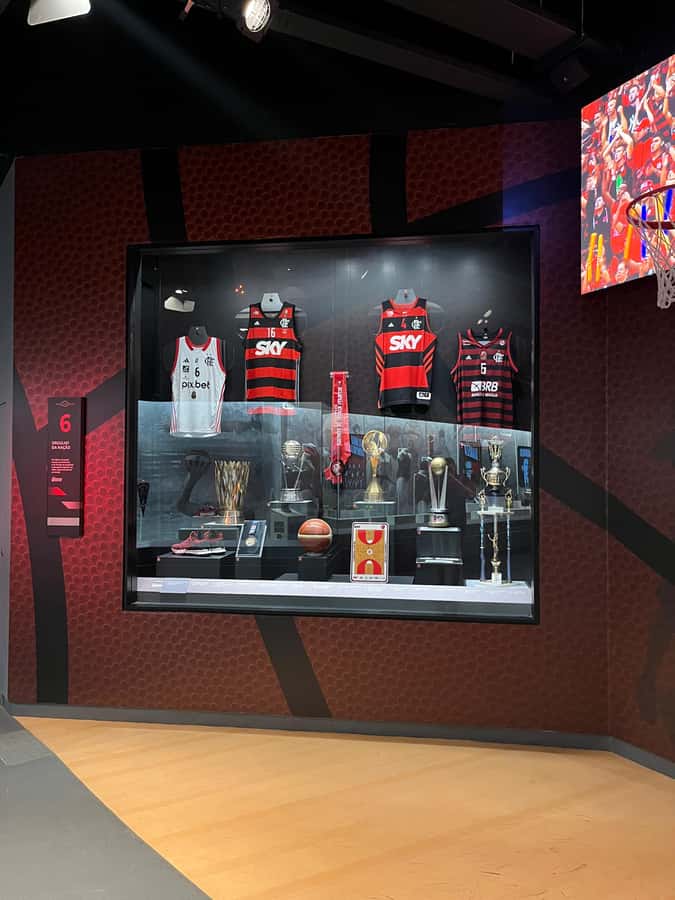
The museum isn’t only about trophies and highlight reels. Located at Flamengo’s headquarters, it includes sports idols from several sports and a carefully preserved collection of historical objects.
That matters for two reasons. First, it widens the story beyond just football, which makes the museum more interesting even if your interests are mixed. Second, preserved objects give you a sense of authenticity—something physical you can connect with, even when the museum is also using high-tech presentation.
This balance is a big part of why the museum works. You’re not stuck in either extreme: it’s not just shiny tech with no grounding, and it’s not a dusty scrapbook with no energy. The blend helps the story feel both real and well-produced.
Timing Your Visit: Make One Day Count
The ticket is valid for 1 day, and the activity notes that you should check availability for starting times. That’s your hint to plan for a specific entry slot rather than trying to wander in whenever you feel like it.
For a smooth visit, I recommend you treat the museum like your “main stop” that day. It’s the kind of place where you’ll naturally want to pause in multiple areas, and the four floors and 14 themed sections don’t leave much room for rushing.
If you’re using the digital guide, set aside time to read and follow prompts rather than multitasking. The museum asks your phone to be on airplane mode or silent, which is a good reminder: plan to use your device purposefully during the visit, not as background entertainment.
Practical Rules That Matter Once You Arrive

These rules aren’t trivia—they affect your comfort at the door and once you’re inside.
- Flash photography is not allowed, and you can’t film with a flash.
- No food or drinks are included, and food/drinks restrictions are listed for the museum experience.
- Smoking is forbidden inside the museum premises.
- Pets are not allowed, though assistance dogs are allowed.
- There are restrictions on items like weapons or sharp objects, glass objects, plastic bags, scooters, and sportswear.
- Vaping is not allowed.
- Unaccompanied minors are not allowed.
In plain terms: travel light. Leave the big bags and risky items at home or in your hotel storage. Wear something you can comfortably move around in, but note that sportswear is listed as not allowed.
Digital Guide in Multiple Languages: The Easiest Upgrade
A major value add is that the experience includes a digital guide available in English, Spanish, and Portuguese. Since the museum relies on themed storytelling and interactive sections, a guide makes it easier to follow what you’re looking at—especially if you’re not reading everything on site.
This is the kind of museum where translation changes your enjoyment. Without a guide, you can still enjoy the visuals, but the narrative connections between events and themes might pass faster. With the guide, you’ll likely feel the story’s logic more clearly.
The listing also indicates an instructor available in Spanish, English, and Portuguese, which is useful if you have questions about how to approach the experience or what to focus on.
Price and Value: Is $18 Worth It?
At $18 per person, the Flamengo Museum ticket is priced like an attraction that expects you to take your time. For me, the value comes from two big factors: the size (four floors) and the design (14 themed interactive sections with tech and emotion).
If you’re a Flamengo supporter—or even just curious about why Brazilians take clubs seriously—this is a good use of limited sightseeing time in Rio. You’re not paying just for a room with trophies; you’re paying for a structured, guided-style experience that’s meant to be remembered.
If you’re only passively interested in football clubs, you might feel the ticket is more than you needed. In that case, decide quickly whether the story and interactive format actually match your taste. This museum is built for fans of sports storytelling, not for people who want a quick, minimal-effort stop.
Who This Experience Fits Best (And Who Might Skip It)
This is a great choice if any of these sound like you:
- You want a sports museum that uses modern storytelling, not only static displays
- You love football culture and want to understand Flamengo’s evolution since 1895
- You enjoy museums with interactive rooms and sensory environments
- You’re visiting Rio and want a meaningful indoor activity that feels connected to a real local institution
It might be less ideal if you strongly prefer quiet, slow, purely historical exhibits with minimal technology. Also, because there are many item restrictions (and unaccompanied minors are not allowed), it may be harder for some travelers to make it work without adjusting their day.
Should You Book The Flamengo Museum Ticket Entrance?
I’d book it if you’re in Rio for more than a “top views” itinerary and you want something that feels real and specific. The Flamengo Museum combines real club artifacts, a huge trophy layout across four floors, and a tech-and-emotion presentation that’s designed to be felt, not just read.
Before you go, plan to follow the rules, bring your patience for a more interactive format, and set aside enough time for the digital guide. If that sounds like your kind of museum day, this ticket is a solid bet.
FAQ
Where is the Flamengo Museum entrance?
The museum entrance is at the headquarters of Clube de Regatas do Flamengo in Gávea.
How long does the experience last?
The experience is listed for 1 day.
Is there a digital guide, and what languages are available?
Yes. A digital guide is included, and it’s available in English, Spanish, and Portuguese.
What is the price?
The price is listed as $18 per person.
Are food and drinks included?
No. Food and drinks are not included.
Are photos and filming allowed?
You can’t film or take pictures with a flash. The museum also asks that your cell phone be on airplane mode or silent.