REVIEW · RIO DE JANEIRO
Rio de Janeiro: Christ the Redeemer, Sugarloaf, & City-tour
Book on GetYourGuide →Operated by Passeio Rio Turismo Receptivo · Bookable on GetYourGuide
Rio is best seen in slices. This 8-hour loop hits the big views fast, then slows down for the human-scale details. I like the way the day is built around big viewpoints (Christ and Sugarloaf) and then balances them with major city stops like the Metropolitan Cathedral and the Museum of Tomorrow. You also get a proper buffet lunch, not just a quick snack stop.
A potential drawback: the schedule is weather-dependent, and you’ll be on the move all day with several transfers and short walking stretches. If you’re the type who hates being rushed, plan to treat it as a high-impact highlights day.
In This Review
- Key things that make this Rio day work
- Rio in 8 Hours: Hotel Pickup, Van Rides, and a Smart Pace
- Tijuca National Park: The Green Road to Rio’s High Views
- Christ the Redeemer: The Main Icon, Not the Same as the View From Above
- Mirante Dona Marta: A Second Viewpoint That Feels Like a Cheat Code
- Metropolitan Cathedral of Saint Sebastian: Modern Shape, Huge Scale
- Cinelândia and the Municipal Theater Zone: European-Opera Inspiration in Rio Form
- Mauá Square Area and the Museum of Tomorrow: Science With a Climate-Friendly Message
- Buffet Lunch: Fuel Mid-Day Without Derailing the Route
- Lapa’s Arches (18th Century Aqueduct): A Quick Photo Stop With Night Lighting Fame
- Selarón Staircase: Jorge Selarón’s Mosaic Tribute in Real Life
- Catedral and Museum Stand Back-to-Back? This Tour’s Real Trick Is Balance
- Sugarloaf Mountain at Sunset: Cable Car Views and a Real Place to Linger
- Getting the Most Out of This Day: Timing, Tickets, and What to Pack
- Should You Book This Rio Highlights Tour?
Key things that make this Rio day work
- Skip the ticket line for a smoother start at key sights
- Christ the Redeemer + Dona Marta for two different angles on Rio’s drama
- Buffet lunch included, timed mid-day so you’re not white-knuckling the afternoon
- Museum of Tomorrow and Municipal Theater zone for architecture plus science themes
- Selarón Staircase with Jorge Selarón’s mosaic tribute to Brazil
- Sugarloaf sunset with a full top-of-mountain view and time to linger
Rio in 8 Hours: Hotel Pickup, Van Rides, and a Smart Pace
This is an all-day “best-of” route, built around early pickup and a series of guided stops that keep the day flowing. Pickup starts between 7:00 AM and 8:30 AM, so you’ll be out before the sun peaks. That matters in Rio because the hills, viewpoints, and walking add up faster than you think when you’re baking in direct light.
You’ll ride in a van between neighborhoods and viewpoints. Those rides aren’t just transportation; they’re when the guide’s explanations start making the city feel less like a list and more like one connected place. The stops themselves tend to be short but purposeful, with guided time at the major landmarks and photo time when you want to grab your first real look.
If you do one thing to prepare, do this: wear comfortable shoes and bring a hat and sunscreen. You’re working under open sky for long stretches, especially as the day turns toward Sugarloaf.
You can also read our reviews of more city tours in Rio De Janeiro


Tijuca National Park: The Green Road to Rio’s High Views
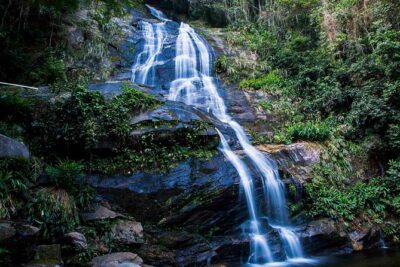
Right after pickup, you head into the Tijuca National Park area for scenic drive and viewpoints along the way. Even if you’re not spending the day hiking, this is a big part of the Rio feeling: mountains close to the city, greenery in the middle of urban life, and roads that constantly reframe the skyline.
This is also where you’ll start to understand how Rio “fits” together. The guide’s commentary can link what you see from high points later—like Guanabara Bay and the stadium—back to the hills and natural terrain that make those views possible.
One small tip: keep your camera ready during the drive. Scenic outlooks can be quick, and once you’re back on the van it’s gone.
Christ the Redeemer: The Main Icon, Not the Same as the View From Above

Christ the Redeemer is the headline for a reason, but the smarter part of this stop is how the tour treats it: guided time plus a focused view experience, not just standing in front of a statue and moving on.
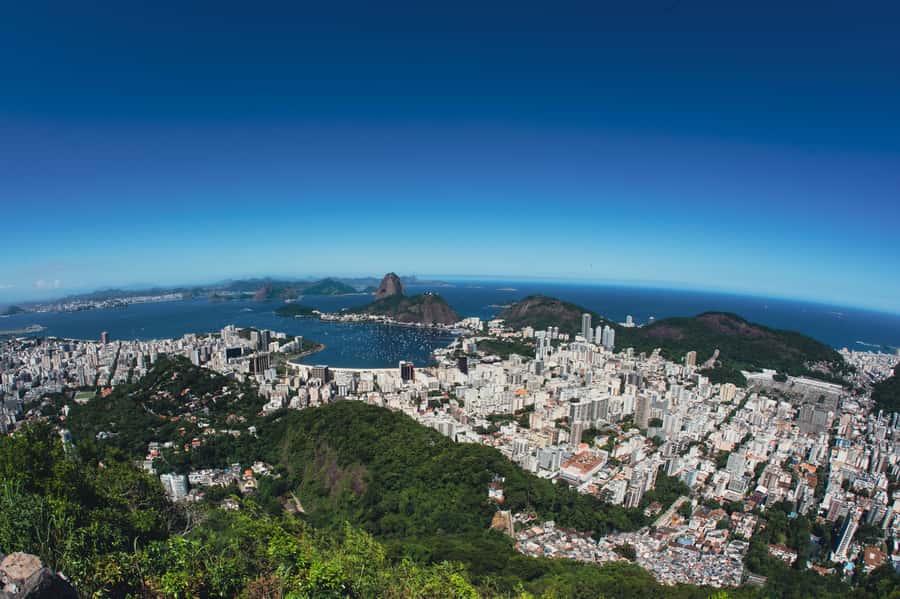
You’ll get about 1 hour here, including a guided visit and photo stops. Expect the usual “wow” moment, then expect the guide to point out what you’re actually seeing: the city’s layout, waterlines, major landmarks, and how Rio’s geography creates those dramatic sightlines.
This is also where the tour earns its value. Skip the ticket line helps you avoid wasting your best morning light waiting in queues. When you’re paying attention to time, that small “saved friction” adds up fast on an 8-hour schedule.
If you’re sensitive to crowds, go into this stop with a plan: take your big photos early, then let the guided explanation and viewpoint settle before you shop or linger.
Mirante Dona Marta: A Second Viewpoint That Feels Like a Cheat Code

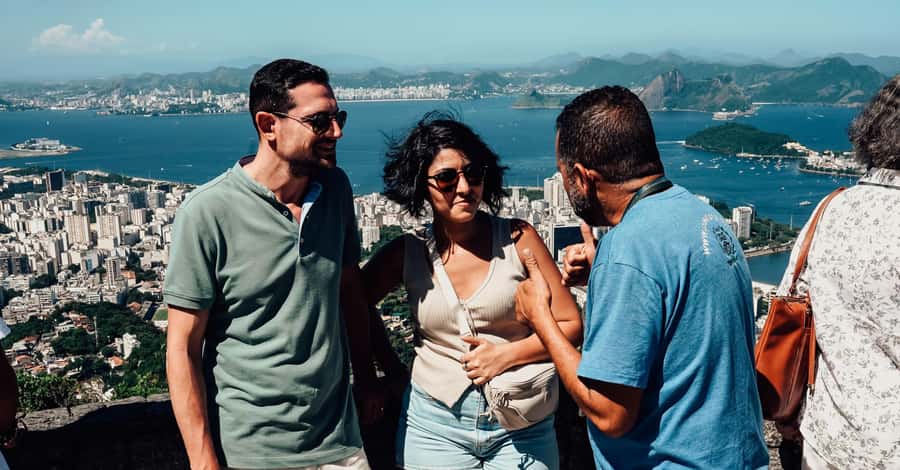
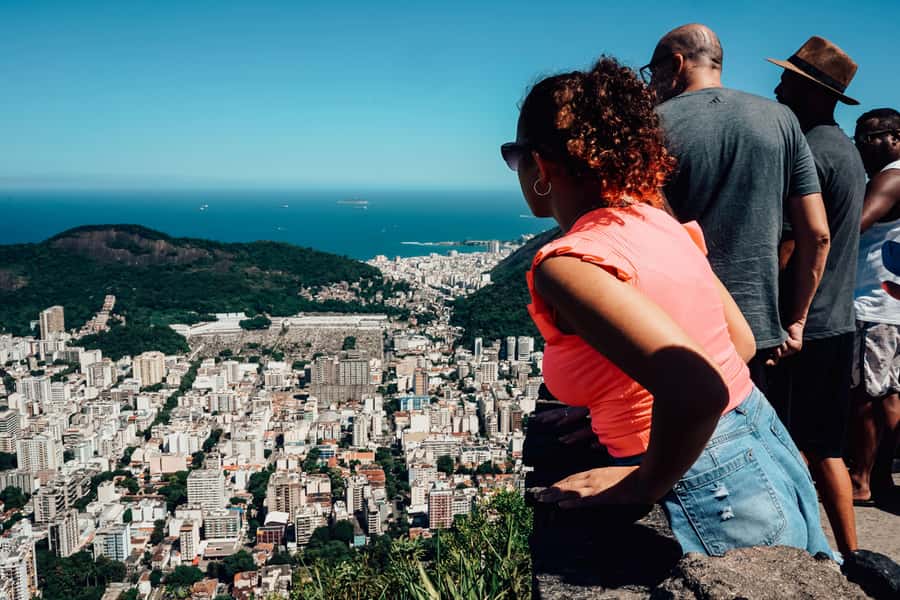
After Christ, the tour heads to Mirante Dona Marta for guided sightseeing and photos. The viewpoint sits 360 meters above sea level, and it’s there to broaden what you think you know about Rio’s panorama.
This stop is especially useful because it adds a different “angle set.” From here, you’re positioned to spot major cues like Maracanã Stadium, Guanabara Bay, Flamengo Park, and Rodrigo de Freitas Lagoon, with Christ still in the wider frame. In other words, you’re not just seeing beauty—you’re building a mental map.
The time here is shorter than Sugarloaf, roughly 20 minutes, but it’s the kind of stop where guided context turns 20 minutes into something you remember for years.
Metropolitan Cathedral of Saint Sebastian: Modern Shape, Huge Scale
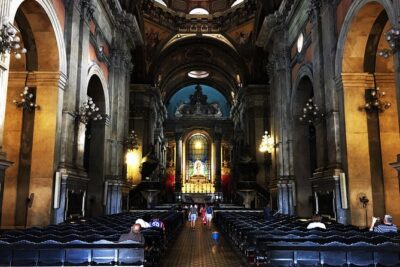
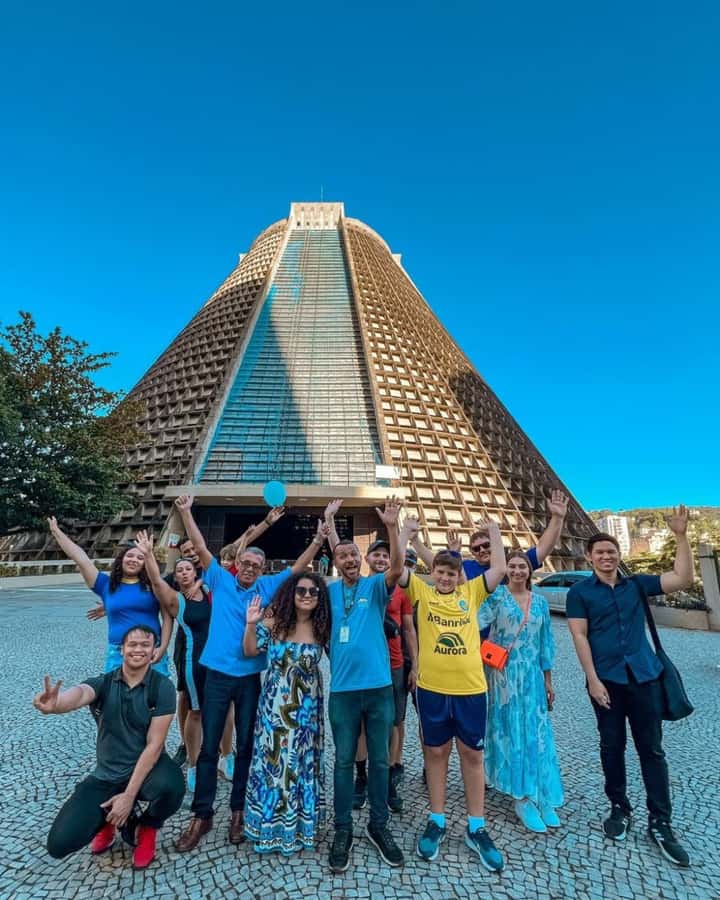
Next up: the Metropolitan Cathedral of Saint Sebastian. This isn’t the kind of stop you pick just for photos; it’s here because it adds architecture and social context to a day otherwise dominated by sky-and-sea views.
The cathedral was inaugurated in 1979, and it’s a striking 75 meters high structure designed to hold up to 20,000 people. You’ll have guided time (about 15 minutes) and the design is bold in a way that’s hard to fully appreciate from the outside.
If you like how cities reflect their eras, this is a good counterbalance. It takes Rio beyond postcard beauty and shows a different idea of what the city wanted to become—and how it wanted space built for crowds and community.






Cinelândia and the Municipal Theater Zone: European-Opera Inspiration in Rio Form
From the cathedral area, you visit Cinelândia for an external visit to the Municipal Theater of Rio. The theater is described as inspired by European opera houses, and that influence matters because it explains how Rio borrowed forms and then made them local.
You’ll have about 15 minutes in this zone, mainly for photo stops and a short guided overview. This is the kind of stop that works well on a highlights tour: it gives you an important landmark, but it doesn’t eat your time.
If you’re the type who likes architecture, pay attention to details in the facade and the surroundings. Even as an external visit, this stop helps you see Rio as more than a set of viewpoint stops.
Mauá Square Area and the Museum of Tomorrow: Science With a Climate-Friendly Message
Lunch comes next, but before it, you’ll pass through the Mauá Square area with an external visit to the Museum of Tomorrow. The museum is framed as a science and technology center exploring sustainability, the future, and our role in shaping the planet.
You’ll spend about 30 minutes on this stop later in the day, but the important part is what the tour is trying to do: balance the “past and present” feeling of historic streets with the “what’s next” mindset.
This is not a deep museum day. It’s timed to keep your total day moving while still giving you something that feels modern and thought-provoking. If you like hands-on science spaces, you’ll probably wish you had more time, but as part of a tight Rio day, it works.
Buffet Lunch: Fuel Mid-Day Without Derailing the Route
You’ll get about 1 hour for lunch at an all-inclusive buffet. This is one of the best schedule choices on tours like this, because it reduces decision fatigue. You’re not spending your afternoon searching for food or worrying about whether a restaurant is reliable.
Brazil’s buffet style usually means you can sample several things in one sitting, and that’s the point here: you get to taste more than one flavor path without turning lunch into a long expedition.
Practical advice: pace yourself. It’s easy to get heavy after a buffet, and later you’re heading into Lapa and Santa Teresa territory for photo stops and the Selarón Staircase.
Lapa’s Arches (18th Century Aqueduct): A Quick Photo Stop With Night Lighting Fame

After lunch, you’ll make a short stop in Lapa at Lapa’s Arches, built in the 18th century as an aqueduct. Today it’s a cultural icon, and one reason it’s famous is that the arches are illuminated at night, which makes photos look extra dramatic.
You’ll have only a few minutes here (about 5 minutes), mostly guided and photo-based. Still, the stop is useful because it gives you a slice of Rio’s older infrastructure and shows how the city repurposes history into culture.
If timing lines up, the lighting can help. Either way, grab your photos, then move. The tour is building toward the kind of street art moment that rewards being fully awake.
Selarón Staircase: Jorge Selarón’s Mosaic Tribute in Real Life
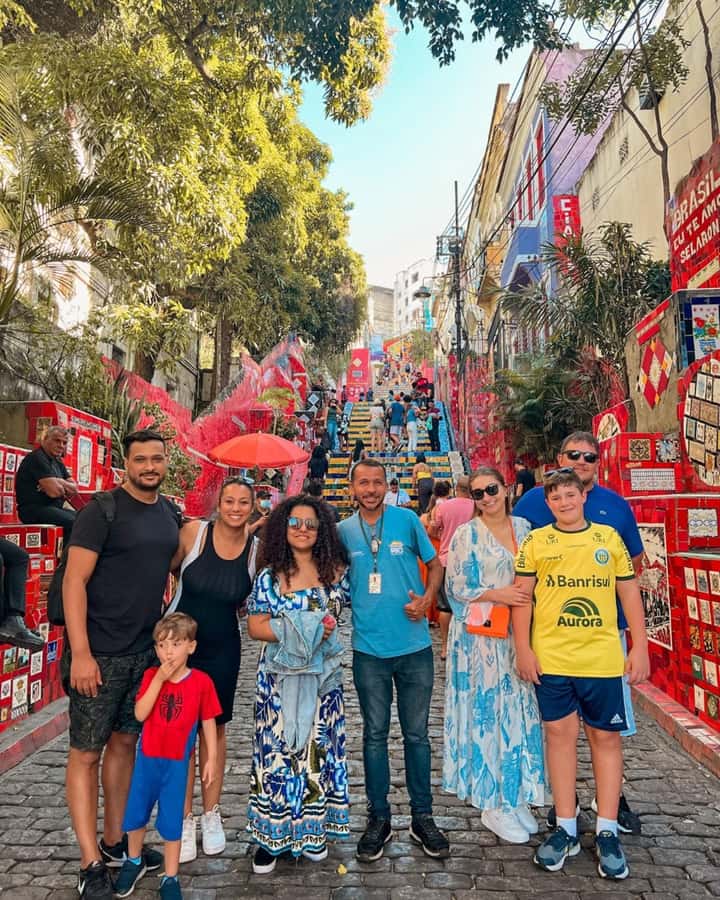
This is the stop that turns the day from landmarks to street-level soul. You’ll visit the Escadaria Selarón (Selarón Staircase), connecting the bohemian Lapa district to the artistic Santa Teresa neighborhood.
What makes it special isn’t just the color. It’s the story: it’s decorated by Chilean artist Jorge Selarón with mosaics in green, yellow, and blue, and it’s been featured in music videos, including U2 and Michael Jackson.
You’ll spend about 25 minutes here with photo time and guided visit. That’s long enough to slow down a bit, look closely, and understand why this staircase became a global icon. The guide’s context helps you notice the details instead of only photographing the overall look.
Practical note: wear shoes you can trust. Even if you’re not walking far, the stairs and uneven surfaces mean you should move with care.
Catedral and Museum Stand Back-to-Back? This Tour’s Real Trick Is Balance
One thing I liked about this experience is the balancing act. You get:
- Grand scale (Christ, Sugarloaf, Cathedral)
- Big city symbolism (Municipal Theater zone, Lapa arches)
- Human-scale art (Selarón Staircase)
- A future-minded message (Museum of Tomorrow)
That mix is why the day doesn’t feel like a repeat of the same viewpoint. Each place explains a different “Rio.” You leave with photos, yes, but you also leave with a stronger sense of how the city thinks about culture, belief, and identity.
Sugarloaf Mountain at Sunset: Cable Car Views and a Real Place to Linger
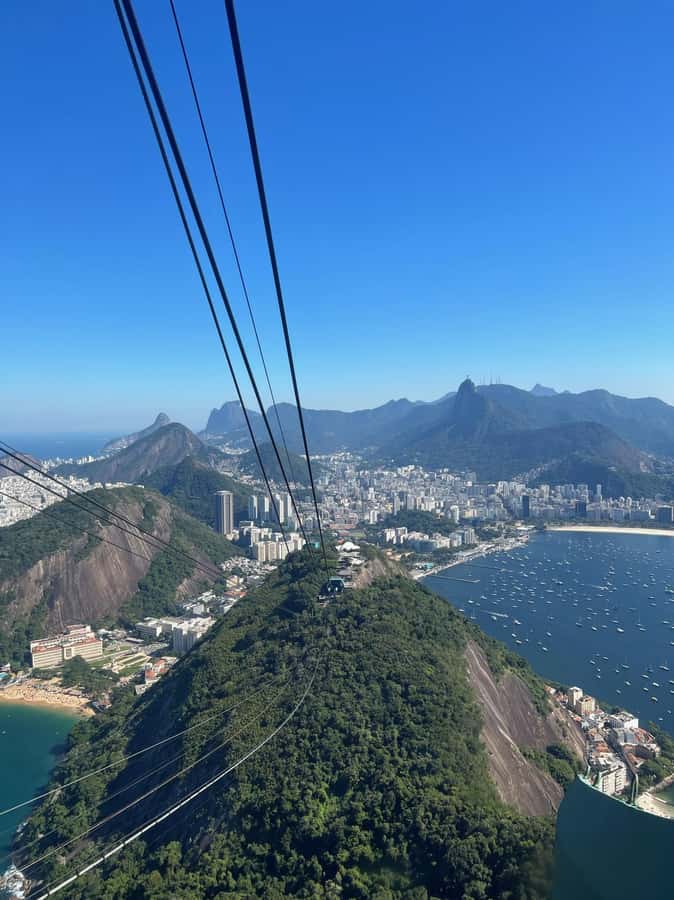
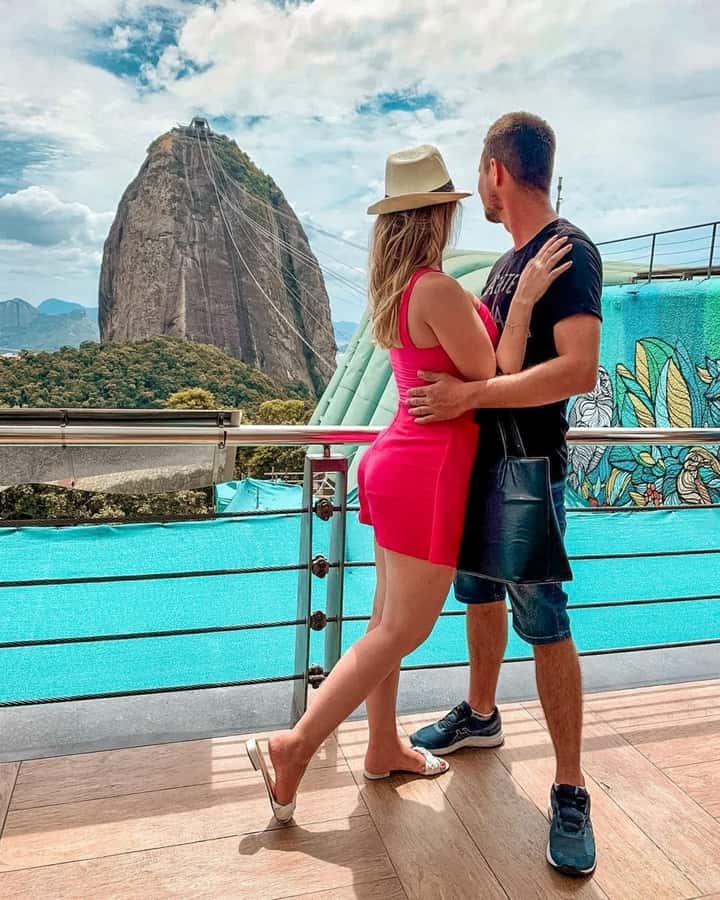
The final major act is Sugarloaf Mountain. You’ll have about 80 minutes total, including cable car ride and guided time. The highlight here is the promise of sunset, when the sky shifts into orange and pink tones and city lights start to come alive.
Once you’re at the top, you’ll have 1 hour to enjoy the view. There are bars where you can relax—so this isn’t just a quick photo sprint. It’s one of the best “stand and watch” moments in Rio because you can see the city geometry, water, and coastline with the light changing in front of you.
If you care about photos, this is the moment to be strategic:
- Plan to shoot at different times during that hour (early for the warm sky, later as lights appear).
- Take a few wider shots first, then come back for details once crowds shift.
This is also a strong reason to choose the full-day format. You’re not just seeing Sugarloaf; you’re seeing it at its most atmospheric.
Getting the Most Out of This Day: Timing, Tickets, and What to Pack
Because this is a full-day run, small choices matter more than usual.
What helps:
- Start the day well-rested. Early pickup means you’ll lose the temptation to “sleep in.”
- Bring a camera and keep your phone charged. You’re going to use it.
- Sunscreen and a hat are not optional; the sun at viewpoints can be intense.
- Have water. The tour info recommends carrying a water bottle to stay hydrated.
What to watch for:
- The schedule may change due to weather conditions or city events. If you see clouds rolling in, Sugarloaf might still work—but sunset timing can shift.
- There’s no wheelchair-friendly setup listed for this tour, since it’s not suitable for wheelchair users.
And one more thing: guides matter here. In past departures, guides such as Victor and Isaac have been praised for clear, engaging explanations and staying professional and attentive through a full day.
Should You Book This Rio Highlights Tour?
I think this is a great booking choice if you want a “big picture Rio” day without doing the planning headache yourself. You get a tight mix of Christ the Redeemer, a second viewpoint at Mirante Dona Marta, major architecture stops, Selarón Staircase, and an evening finale at Sugarloaf with time to linger.
You should skip it (or choose a different style tour) if you hate moving constantly, dislike short stops, or need lots of slow, flexible time for one sight. This one is built for efficiency and value: the goal is seeing the key icons and understanding how they connect.
If you want the simplest route to the essentials of Rio—views, culture, and street art in one day—this is a strong pick.