REVIEW · RIO DE JANEIRO
Sugarloaf Mountain Climbing Trail
Book on Viator →Operated by Companhia da Escalada · Bookable on Viator
Sugarloaf’s rock looks close. Then you start climbing, and it turns into a real adventure on the Costão do Pão de Açúcar. I like this trip because it’s not about being an athlete or a climber already. You just need reasonable conditioning and a willingness to work steadily up rocky shores and trail sections with proper safety gear.
What I really like is the mix: walking when the route allows, then doing easy climbing moves over exposed rock, with a short, more vertical section handled with ropes, chairs, and a helmet. It’s guided in a way that makes the steep parts feel like a controlled process rather than a scary gamble.
My only caution is the setting: you’re on the side of Sugarloaf with real height and some exposed climbing. If you have a serious fear of heights or you’re not comfortable moving over uneven rock, this won’t feel relaxing.
In This Review
- Key highlights (what makes this climb worth it)
- Getting Started: Urca meeting point and the 1–2 pm rhythm
- The climb’s “feel”: part trail, part easy climbing, part controlled vertical work
- The route up Sugarloaf: why the “rocky shores” matter
- The short vertical section: ropes, chairs, helmet—and a calmer head
- Summit time: the rest that makes the climb feel worth it
- Descent: cable car down to Morro da Urca, then trail back
- Equipment and “certified guide” quality: what you’re really paying for
- Weather and how to plan around it
- Who this Sugarloaf climb is best for
- Price and logistics: what to budget and what to bring
- Should you book the Sugarloaf Mountain Climbing Trail?
- FAQ
- Do I need prior mountaineering experience?
- How long does the Sugarloaf Mountain climbing trail take?
- What time does the climb start?
- Where is the meeting point?
- Is this activity private?
- What’s included in the price?
- Is the cable car ride included?
- Do I need to bring snacks?
- What fitness level do I need?
- What happens if weather is bad or I need to cancel?
Key highlights (what makes this climb worth it)
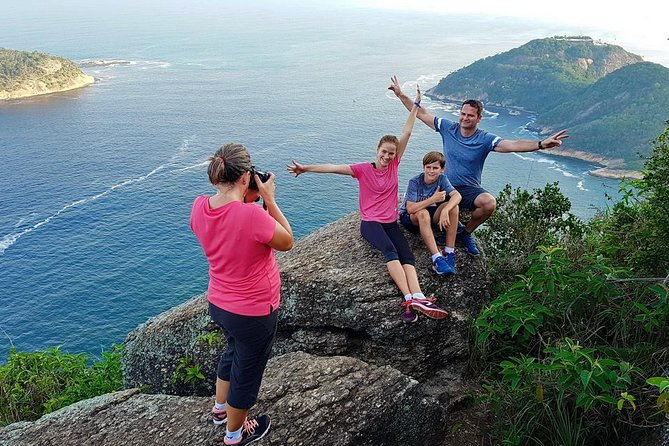
- No experience required, just steady effort and comfort with heights on rocky terrain
- Safety-first gear for the short vertical section (ropes, chairs, and helmet)
- Pedra Filosofal at about 350m passed along the route, a fun Rio landmark to spot en route
- Views you only get from this side of Sugarloaf, not from the standard viewpoint experience
- Cable car descent is included (free of charge) for a classic Rio finish
Getting Started: Urca meeting point and the 1–2 pm rhythm
You’ll start in Urca, at Av. Pasteur, 520. This matters more than it sounds. Starting in this part of town keeps you close to the Sugarloaf area, and it also helps the climb feel like a focused “half day” rather than a long day-trip logistics shuffle.
The start window runs between 1 pm and 2 pm, and the overall activity takes about 4 hours on average. Group size changes the pace, so if you’re prone to waiting around, don’t plan a tight dinner right after. On the plus side, the timing gives you daylight for the summit views and enough afternoon energy to handle the climb.
This is also a private activity, meaning it’s just your group. That often translates into a more personal pace—especially useful on rock routes where you’d rather not feel rushed.
You can also read our reviews of more tours and experiences in Rio de Janeiro.



The climb’s “feel”: part trail, part easy climbing, part controlled vertical work
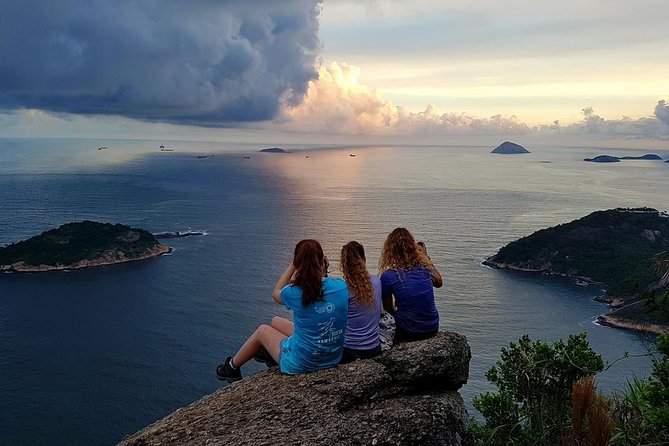
Here’s the best way to picture the experience: you’ll spend the day moving between different terrain types. Some sections are more like a hike on a trail. Other bits are short climbing over rocky shores, where your hands and feet both matter. And then there’s a short, more vertical stretch of about 20 meters.
The good news is that it’s designed for people who are not mountaineers. You’re not going to need technical climbing skills or years of training. What you do need is a willingness to keep moving upward through uneven rock, follow the guide’s instructions, and stay present for your footing.
The less-fun part is that rocky routes don’t forgive lazy foot placement. You don’t have to be a fearless athlete, but you do need basic coordination and balance. Expect some exposed feeling because you’re not walking through a gentle forest trail.
The payoff is big. When I hear people describe this as more rewarding than just taking the cable car, it usually comes down to one thing: you earn the views with your own effort. That shift—from spectator to climber—changes how you remember Rio.
The route up Sugarloaf: why the “rocky shores” matter
A key detail here is where the climbing happens. You’re not just hiking to a point and calling it a day. You’re working along Sugarloaf’s rugged face, including Costão do Pão de Açúcar, which is known for its rocky shoreline approach.
Along the way, you pass by Pedra Filosofal, a landmark around 350 meters high. Even if you can’t name it from memory, you’ll recognize the point as a signature Rio rock formation. It’s one of those moments where the guide’s storytelling meets the physical reality: you’re moving through real terrain, not just looking at a postcard.
This also changes the photo game. You get angles and perspectives that feel different from the classic Sugarloaf cable car viewpoints. The standard route gives you “big picture” views. This climb tends to give you a more intimate, route-level view: the rock under your hands, the coastline opening up step by step.
The short vertical section: ropes, chairs, helmet—and a calmer head
The “make or break” moment for many people is the short vertical stretch of about 20 meters. This is the part that feels more intense because you’re moving more upward than along a slope.
The twist: this section is not handled casually. You’ll use the necessary safety equipment, including ropes, chairs, and a helmet. That setup does a few things for you:
- It reduces the element of guessing, so your brain can focus on technique and balance
- It keeps the situation structured, which helps a lot if heights make you tense
- It turns a scary-looking move into a step-by-step process with the guide managing the system
If you’ve never climbed before, this is often the section that makes the experience click. Instead of thinking you’re in danger, you realize you’re in a guided environment designed to keep you safe while still giving you the thrill.
In the feedback I saw, guides like Sergio Ricardo are highlighted for professionalism and putting safety first. If you get a guide with that style, you’ll likely feel guided rather than left to figure it out on your own.
Summit time: the rest that makes the climb feel worth it
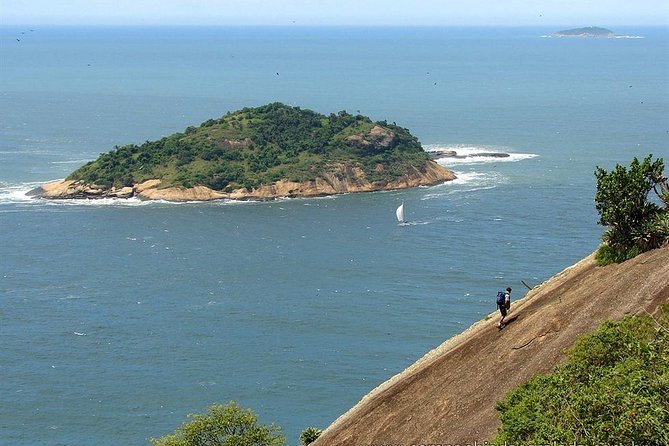
Once you reach the top, there’s a well-deserved rest. This part is crucial, and I’m glad it’s built in. After the physical work—trail, rock, and that short vertical segment—your body needs a breather.
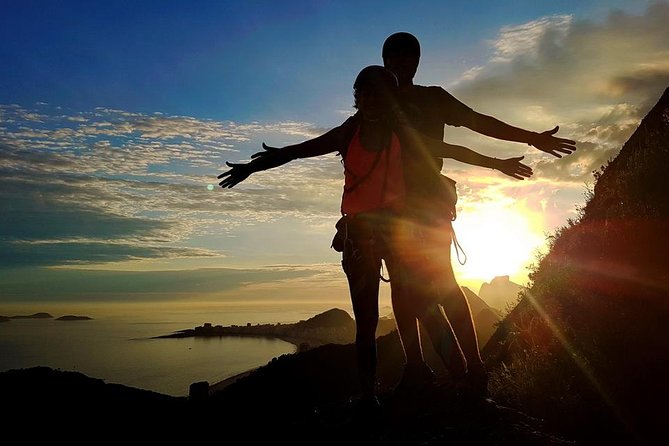
Your reward is the summit perspective. Sugarloaf is famous for a reason, and from the climb route you’ll see Rio in layers—coastline, hills, and the way light changes over water and stone as the afternoon progresses.
This is also where you appreciate the “no rush” approach. The activity is designed to move steadily and give you time to look around. If you’re the kind of traveler who hates when a tour treats views like a checkbox, this format should feel good.



Descent: cable car down to Morro da Urca, then trail back
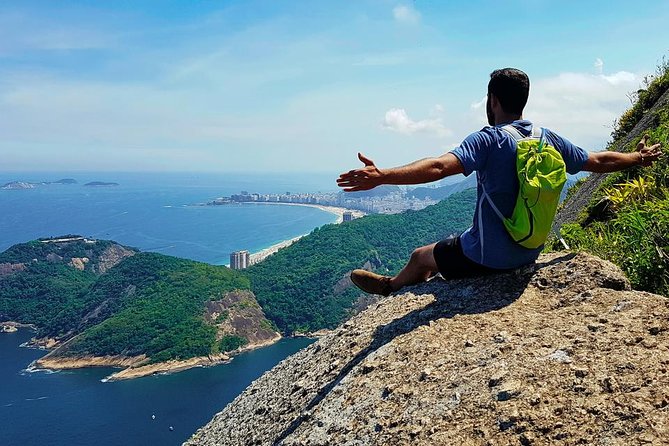
The descent is a two-part finish. First, you go down by cable car, and that cable car leg is included and free of charge. Then you continue partly by trail to complete the route, ending back where you started.
Why this mix works: it prevents the day from turning into an exhausting hike all the way down. Your legs work hard going up, and then the cable car gives you a controlled, scenic reset. It also gives you an extra “Rio moment” because you’ll still see the coastline from above, but now from a different angle than you had on the climb.
You’ll end back at the meeting point in Urca, so you don’t need to plan your own transportation from the finish line. That simplicity is one reason I think this is good value for a first active day in Rio.
Equipment and “certified guide” quality: what you’re really paying for
This climb includes use of climbing equipment and is certified by the Brazilian Association of Mountain Guides. That phrase matters, because it signals the operation is set up for safer instruction and equipment handling—especially for the short vertical section where you’ll use ropes and climbing aids.
The price is $62.78 per person, which may sound steep if you compare it to buying a ticket for a viewpoint. But here’s the real value equation: you’re not paying only for access to a view. You’re paying for guided rope-assisted climbing basics, equipment, and a structured route that changes the experience from passive sightseeing to active skill-building.
Also, your time is curated. About 4 hours is a tight window for an activity that includes both the climb and a cable car descent. For many travelers, that’s the sweet spot between “we’re on vacation” and “we actually did something memorable.”
One practical note: snacks are not included. I’d bring water and something small you can eat without stress. Even if you’re not hungry during the climb, you’ll likely appreciate a quick bite at the summit or right after.
Weather and how to plan around it
This experience requires good weather. If conditions are poor, it may be canceled, and you’ll be offered a different date or a full refund. That’s standard for mountain activities, but it affects how you schedule Rio.
If you have flexible days, this is easier. If your time is tight, keep your other plans resilient on the same side of your itinerary as this climb. You don’t want to book a long, fixed appointment right after the climb on a day when weather could be borderline.
Who this Sugarloaf climb is best for
This tour is ideal if you want a challenge with guardrails. You don’t need mountaineering experience, but you do need moderate physical fitness and comfort with moving over rocky terrain.
You’ll likely enjoy it most if you:
- Want a real Rio experience beyond cable car photos
- Like guided instruction and a safety-first vibe
- Are okay with heights as long as you feel supported by gear and your guide
You should think twice if you:
- Have serious fear of heights
- Struggle with uneven ground and steep, rocky steps
- Prefer fully “safe-feeling” walking only, not hands-on climbing moves
Price and logistics: what to budget and what to bring
At $62.78 per person, you’re paying for a guided climb package: equipment, the climb itself, and the cable car descent included. You’re also paying for the private-group nature, which tends to make the experience smoother if you’d rather not share attention with a huge crowd.
Budget for basics:
- Bring water
- Consider a small snack since none are included
- Wear shoes with grip for rocky surfaces
- Dress for sun and possible wind on exposed rock
If you’re traveling from elsewhere in Rio, the start point is near public transportation, which helps. But because this is a scheduled start between 1 pm and 2 pm, plan to arrive early enough to get ready and not cut it close.
Should you book the Sugarloaf Mountain Climbing Trail?
If you’re the kind of traveler who feels more satisfied after doing something—not just watching—this is a smart booking. The climb gives you a route on Sugarloaf that’s more demanding than a cable car ride, and it comes with the safety tools that make the steep bits manageable.
It’s also a great “first climbing experience” type of outing. The short vertical section is exactly long enough to give you that peak adrenaline moment without turning the day into a multi-day technical project.
Book it if you can handle moderate fitness, some exposed rock, and the idea that you’ll be using your hands as well as your feet. Skip it if heights make you tense in your body and you know you won’t relax.
FAQ
Do I need prior mountaineering experience?
No prior mountaineering knowledge is required. You should have reasonable physical conditioning and be comfortable climbing on rocky terrain with guidance.
How long does the Sugarloaf Mountain climbing trail take?
The activity lasts about 4 hours on average, depending on group size.
What time does the climb start?
The start should be between 1:00 PM and 2:00 PM. The available operating window runs Monday through Sunday from 1:00 PM to 3:00 PM.
Where is the meeting point?
You meet at Av. Pasteur, 520, in Urca, Rio de Janeiro, RJ, Brazil.
Is this activity private?
Yes. It’s a private activity, and only your group participates.
What’s included in the price?
Included items are use of climbing equipment, cable car descent from Sugarloaf Mountain to Morro da Urca, and the activity is certificated by the Brazilian Association of Mountain Guides. It also includes secure, guided climbing.
Is the cable car ride included?
Yes. The descent includes a cable car leg from Sugarloaf Mountain to Morro da Urca, and it is free of charge.
Do I need to bring snacks?
Snacks are not included, so you’ll want to plan to bring your own.
What fitness level do I need?
You should have a moderate physical fitness level. The route includes a long ascent and climbing sections over rocky shores.
What happens if weather is bad or I need to cancel?
The experience requires good weather. If it’s canceled due to poor weather, you’ll be offered a different date or a full refund. You can also cancel for a full refund up to 24 hours before the experience starts.