REVIEW · RIO DE JANEIRO
Climb Sugarloaf: A Thrilling Adventure to Rio’s Postcard Peak
Book on Viator →Operated by Itaway Ecotours · Bookable on Viator
Sugarloaf turns adrenaline into a view. This is a rock-climbing intro on Rio’s famous Sugarloaf Mountain, with summit photos that hit fast. You’ll tackle a 15-meter East Face climb with a safety-first guide, then finish the day by descending in the included cable car.
What I love most is the way the guides turn something intimidating into a step-by-step process, with real climbing instruction, not just sightseeing. Another big win: the included cable-car ride after you climb, so your effort pays off with a clean, scenic finish.
One key consideration: it’s not recommended if you’re scared of heights, and you should bring a strong comfort level for exposure. Also plan on a physical challenge—you’ll need solid footing, stamina, and proper shoes.
In This Review
- Key things that make this climb different
- Meeting at Praça Gen. Tibúrcio: easy start, tight group
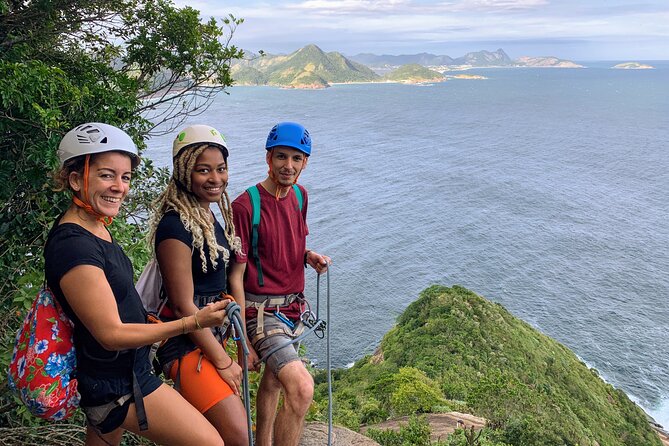
- Gear and safety: UIAA-certified equipment, pro instruction
- The 15-meter East Face climb: challenge with a calm, coached rhythm
- Stop on the trail: Trilha do Pão de Acucar, one move at a time
- Summit rewards: Christ the Redeemer, Copacabana, Tijuca, and Niterói
- Cable car down to Morro da Urca: a smooth finish, no guesswork
- What to bring (and what to skip) so you’re comfortable
- Price and value: $74.55 for pro climbing plus the cable car
- Timing and weather: plan for a weather-dependent day
- Who should book this Sugarloaf climb
- Should you book Climb Sugarloaf?
- FAQ
- Where is the meeting point?
- What time does the tour start?
- How long does the experience last?
- How much does it cost?
- Is the cable car included?
- What languages does the climbing instructor speak?
- What footwear should I wear?
- What safety equipment is provided?
- What is the minimum age, and can minors join?
- What happens if weather is poor?
Key things that make this climb different
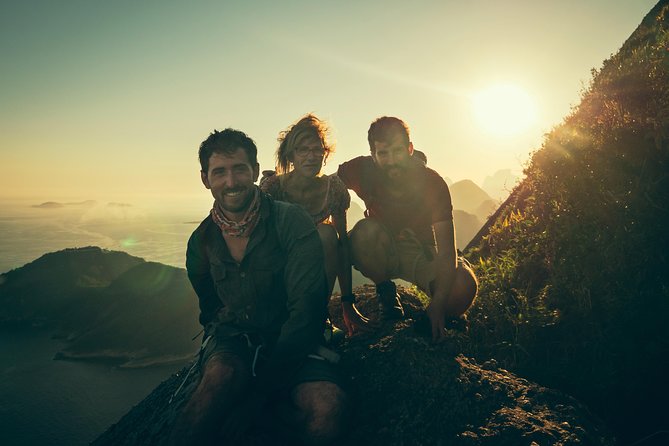
- Small group size (max 6) means you’re not waiting around while others take turns
- UIAA-certified safety gear and licensed climbing guides keep the focus on safe technique
- Multilingual instruction (EN, ES, PT) helps you actually follow what to do
- Christ the Redeemer + Tijuca Forest + Copacabana all show up from the summit
- Cable car tickets included, with a descent to Morro da Urca
- A real mountaineering route tied to Henrietta Carstairs’ early 1817 conquest
Meeting at Praça Gen. Tibúrcio: easy start, tight group

Your day starts at Praça Gen. Tibúrcio, 75 in Urca (you’ll see the location clearly on the address you get at booking). The start time is 2:00 pm, and the vibe is straightforward: show up a bit early, meet your guide, and get geared up without drama.
This tour keeps the group small—up to 6 people—which matters more than you’d think. With fewer people, you spend more time moving and less time stalled. It also means the guide can correct your stance and help you find a rhythm on the climb.
You’ll also be close to public transportation, so you’re not stuck planning complicated logistics. Just remember: there’s no pickup or drop-off, so you’ll want to get yourself there on time and in good shoes (more on that next).
You can also read our reviews of more tours and experiences in Rio de Janeiro.



Gear and safety: UIAA-certified equipment, pro instruction
The safety setup is a big part of why this is worth doing. You’ll be provided with all necessary equipment, and it’s UIAA certified. That’s the kind of detail that tends to separate a true climbing operation from a basic adventure photo stop.
The guide is a rock-climbing pro and speaks English, Spanish, and Portuguese, so communication stays clear even when the activity gets physical. In two different ways, that language support matters: it helps you understand instructions quickly, and it helps you feel confident when you’re clipped into the harness system and learning the next move.
One more practical rule: skip sandals. The tour asks for sport or hiking shoes only, and if you have climbing shoes you can bring them, but it’s not mandatory. The point is grip and stable foot placement while you move through the route.
The 15-meter East Face climb: challenge with a calm, coached rhythm
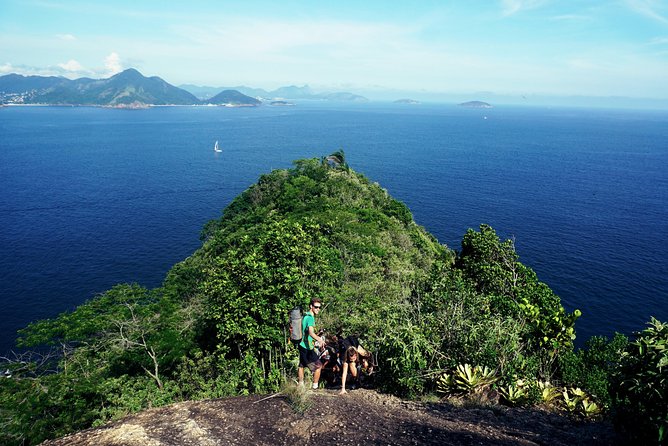
The main event is a 15-meter rock climb on the iconic East Face of Sugarloaf Mountain. This route has a story tied to early mountaineering in Rio—it was first conquered by British adventurer Henrietta Carstairs in 1817. That historical detail doesn’t change the physical work, but it does give the climb weight. You’re not just doing an Instagram moment; you’re walking into a line of adventurers stretching back centuries.
From the experience description, the approach is very safety-guided: you’ll be instructed and protected at each step, with the rope/climbing system used during the climb. The best part is how technique changes your mindset. When you focus on the sequence—where your feet go, when you pull, when you breathe—the wall stops being pure fear and starts being manageable effort.
A couple of specific signals from strong feedback stand out. People remember the moment they settled into their rhythm, and they also mention the rope climbing portion as a highlight. That makes sense: once you’re secure and your hands and feet start working like the guide expects, the climb clicks.
Still, be honest about the challenge. This isn’t a gentle hike with a fun view at the top. It’s an actual climb, and the tour explicitly says it’s not recommended for heights anxiety. If you get shaky just thinking about exposure, this is your cue to choose a different Rio adventure.
Stop on the trail: Trilha do Pão de Acucar, one move at a time
The activity centers on Trilha do Pão de Acucar, the route that leads you through the climbing segment and toward the viewpoints. What makes this stop meaningful is how it blends “walking to adventure” with “learning while doing.” You’re not only getting to the mountain—you’re using the mountain.
In a practical sense, it’s also why a strong physical level is requested. Even before the wall portion, you’re dealing with uneven terrain, sun, and footwork. Once you hit the climb, the real work is where you place your feet and how you manage your balance under pressure.
If you’ve ever watched someone climb and wondered why it looks almost effortless, here’s your answer: it’s not magic, it’s technique plus safety. The guide’s job is to make that technique understandable in real time, so you’re not guessing. And with a small group, you’re more likely to get corrections quickly instead of waiting your turn.
Summit rewards: Christ the Redeemer, Copacabana, Tijuca, and Niterói
At the top, the views are the payoff you came for. From the summit area, you can catch Christ the Redeemer, Copacabana Beach, and the Tijuca Forest. On a clear day, you also get the twin-city view of Niterói on the horizon.
This is one of those moments where the climb changes how you see the city. On a normal cable-car ride, you mostly observe. Here, you arrive after effort, so the view feels earned. You’ll likely notice details you’d miss from street level—geometry of the coastline, depth in the hills, and how the forest rises between viewpoints.
Also, because this is a timed tour (about 4 hours total), you’re not stuck spending half your day searching for the perfect angle. The structure helps you reach the summit at a good time, then enjoy the view without turning it into a scramble.



Cable car down to Morro da Urca: a smooth finish, no guesswork
After the climb and summit time, you descend by cable car, and tickets are included. The ride takes you down to Morro da Urca, where the day shifts from climbing focus to scenic reset.
This is a smart design choice. Cable-car descents remove the fatigue tax that can happen after climbing. Instead of more steep hiking, you get a controlled ride with time to look outward and take photos without worrying about your footing.
Then comes a leisurely stroll back to Red Beach. It’s the kind of finish that lets you feel proud of the climb without turning the day into a second physical test. Your legs may still feel it, but the route keeps the energy from disappearing.
What to bring (and what to skip) so you’re comfortable
You’ll have a better experience if you pack like a climber-lite. The tour recommends bringing a small backpack, light clothes, and a windbreaker or rain jacket. Rio weather can shift, and you don’t want to be cold or soaked while waiting for your next instruction.
Plan for hydration: bring 2 liters of water. Add snacks, sunscreen, sunglasses, and bug repellent. A plastic bag for garbage is also a good idea, because it’s easy to end up with wrappers and water bottles once the day heats up.
Camera time is real here—this is the kind of location where you’ll want multiple shots of both the city and your route outcome. Just keep your gear secured so it doesn’t become a hassle during the climb.
And one more thing: wear the right shoes. The tour is firm about no sandals, and that’s for good reason. Grip matters.
Price and value: $74.55 for pro climbing plus the cable car
At $74.55 per person, this isn’t “cheap adventure,” but it also isn’t overpriced when you look at what’s included. You’re paying for a licensed rock-climbing instructor, all required safety gear, and a structured climb that uses professional standards like UIAA-certified equipment. You’re also getting cable-car descent included, which is a real add-on cost if you were to do parts of this independently.
The small group size adds value too. You’re not crammed into a large tour where you spend time waiting and risk missing personal coaching. And the included cable car means your day ends with a clear plan instead of negotiating transit while tired.
One last value clue: the tour is commonly booked about 62 days in advance on average. That suggests this is a popular slot, especially for people who want a specific 2:00 pm start time. If you’re set on it, don’t wait until the last minute.
Timing and weather: plan for a weather-dependent day
The experience needs good weather. That’s not a minor detail here—rock routes and exposed areas respond badly to bad conditions, and the tour is clear that poor weather can lead to rescheduling or a refund.
Start time is 2:00 pm, and the tour duration is about 4 hours, though it can vary with group size and weekday conditions. Give yourself extra breathing room so you don’t cut it too close. The tour mentions a 10-minute tolerance for late arrival; missing the activity because you arrive late can mean you don’t get a refund.
Who should book this Sugarloaf climb
This is best for you if you want more than a lookout. You’re here for a real climbing challenge, professional coaching, and a summit view that includes multiple major Rio landmarks in one sweep.
It also fits families in the right situation—one set of experiences highlights the climb being meaningful for daughters aged 9 and 12 (with appropriate adult presence). The tour’s minimum age is 10, and minors must be accompanied by an adult, so plan accordingly.
You should think twice if you:
- have a strong fear of heights
- aren’t comfortable with a physical challenge
- don’t have proper shoes and stable footing habits
Should you book Climb Sugarloaf?
I’d say yes if you want an authentic Rio experience that turns postcard views into a personal achievement. The combination of pro guides, safety-first gear, a true 15-meter climb, and the included cable car makes this feel like a complete adventure rather than a “sort of active” tour.
If heights make you panic, don’t force it. The tour is clear that it’s not recommended for that. And if you’re unsure about fitness, treat this as a signal to train a bit before you arrive in Rio—your time will be better when your body can focus on technique instead of struggling just to keep balance.
If you want something different from the usual Sugarloaf routine, this is the kind of climb that leaves you talking about more than the view.
FAQ
Where is the meeting point?
The tour meets at Praça Gen. Tibúrcio, 75 – Urca, Rio de Janeiro – RJ, 22290-270, Brazil.
What time does the tour start?
The start time is 2:00 pm.
How long does the experience last?
It’s about 4 hours, approximately. The duration can vary depending on group size and week day.
How much does it cost?
It costs $74.55 per person.
Is the cable car included?
Yes. Cable-car descent to Morro da Urca is included.
What languages does the climbing instructor speak?
The rock-climbing instructor speaks English, Spanish, and Portuguese.
What footwear should I wear?
No sandals. You should wear sport or hiking shoes only. If you have climbing shoes, you can bring them, but they are not mandatory.
What safety equipment is provided?
All necessary safety equipment is provided, and it is UIAA certified.
What is the minimum age, and can minors join?
The minimum age is 10. Minors must be accompanied by an adult.
What happens if weather is poor?
The experience requires good weather. If it’s canceled due to poor weather, you’ll be offered a different date or a full refund.