REVIEW · RIO DE JANEIRO
Rio de Janeiro: the biggest favela tour in Rio, lest go!
Book on GetYourGuide →Operated by Rio tours & activities · Bookable on GetYourGuide
Favela walls and viewpoints change how you see Rio. This tour packs street-art photo stops and local-market browsing into a guided walk that feels real, not staged. I also like the chance to sit for coffee inside a neighborhood home, plus the option to join in with locals. One thing to consider: you’re climbing—bring sports shoes and expect plenty of steps.
What makes the day click is the way the guide sets expectations up front: how to behave, how to show respect, and how to take in the area as part of Rio rather than a distant spectacle. Guides like Jefferson—an actual resident—help you connect quickly, including getting you introduced to people along the route. If you go in with patience and a respectful attitude, the whole experience feels safer and warmer than what your brain might assume first.
In This Review
- Key things you’ll notice on this favela tour
- From Copacabana to the favela entrance, with respect built in
- Scooter ride, then an optional motorcycle burst (5 minutes)
- The market and the street-art photo stops (food meets art)
- Graffiti walls with stories: history, pride, and message-making
- Coffee in a local home: a small break that changes the whole feel
- Optional soccer with locals and the best way to join in
- The hilltop climb for the views: Ipanema, Leblon, Christ, Sugarloaf
- The art gallery stop: painting, kids, and a local teaching focus
- Price and value: what $80 covers, and what you’ll still pay for
- Practical packing: what to bring for comfort and respect
- Who should book, and who should skip this one
- Should you book this Rio biggest favela tour?
- FAQ
- Where do I meet for the tour?
- How much does the tour cost?
- What language is the guide?
- What’s included in the price?
- Do I need to bring cash?
- Are food and drinks included?
- Is pickup from my hotel included?
- Is the motorcycle option available?
- Is this tour suitable during pregnancy?
Key things you’ll notice on this favela tour
- Short scooter start from the Copacabana area that gets you moving without fuss
- A 5-minute motorcycle option right up toward the middle of the favela, if you want a quick thrill
- Market stops for food and arts, with smart places to take photos
- Graffiti wall walks that read like stories—history, pride, and local voices
- Coffee inside a local house, a calm pause that turns sightseeing into connection
- A hilltop climb to major Rio landmarks, with music and drinks at the top
From Copacabana to the favela entrance, with respect built in

You start near Copacabana at Rua Sá Ferreira, 38 (right by the corner with Avenida Nossa Senhora de Copacabana). That location matters because it makes the tour feel like a bridge between two worlds of the same city. You’re not being dropped somewhere random; you’re starting from a clear, easy-to-find point and moving step by step into the community.
Before you walk, you get instructions on how to behave and how to respect the community while exploring. That’s not small talk. In a neighborhood like this, how you look, how you ask, and how you move through public spaces changes the whole mood. The guide also explains what you’re about to see so the murals and everyday scenes make sense, not just stand there as backdrops.
This is one of those tours where your attitude is part of the itinerary. If you’re friendly, slow down for conversations, and treat the neighborhood like your temporary host, you’ll get far more than photos.
You can also read our reviews of more tours and experiences in Rio De Janeiro.



Scooter ride, then an optional motorcycle burst (5 minutes)
The route kicks off with a 15-minute scooter segment. It’s short, practical, and it helps you get from the Copacabana-side meeting area into the favela area without burning your energy too early. If you’re traveling with legs that aren’t thrilled by stairs yet, this helps.
Then there’s the optional motorcycle ride for about 5 minutes straight toward the middle of the favela. Think of it as a quick way to see more of the neighborhood quickly, without losing the walking part that gives you context. If you’d rather keep things calm, you can skip it and just follow the group on foot.
Safety-wise, this is guided throughout, including the way you’re positioned and where you pause. Still, keep expectations realistic: you’re in a working community with uneven paths and local rhythms, not a theme park with flat sidewalks.
The market and the street-art photo stops (food meets art)
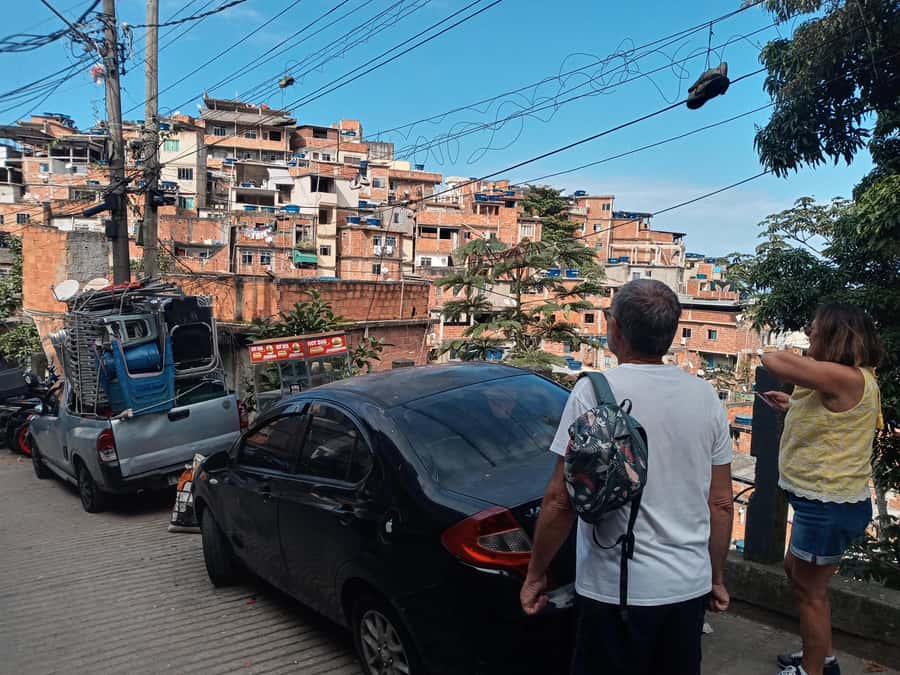
One of the top reasons I’d choose this tour is how it treats the local market like a living place, not a quick photo kiosk. You’ll have time for stops where you can see local food and arts up close, and the guide helps with where to look and how to photograph without making it awkward.
You also get built-in photo opportunities focused on real scenes—street-level details, vendors, hands at work, and art that’s meant for everyday life. If you care about travel photos that look human and specific (not generic skyline shots), this section is where the camera starts earning its keep.
The street atmosphere is also where you learn how to read the neighborhood. Instead of just moving past buildings, you’re noticing textures, signs, and the way art is used as voice. That sets you up perfectly for the next big part.
Graffiti walls with stories: history, pride, and message-making
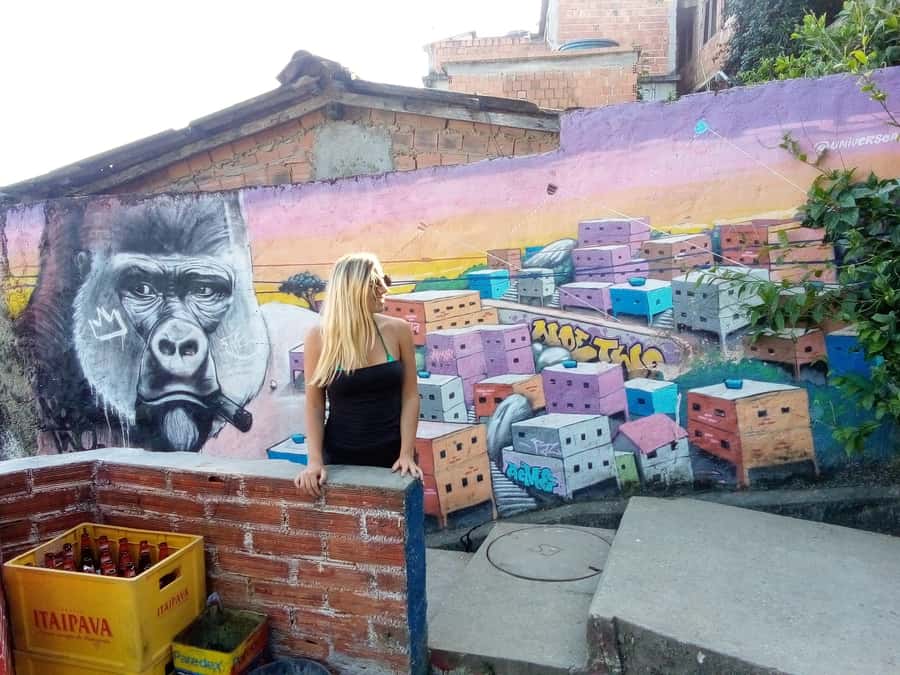
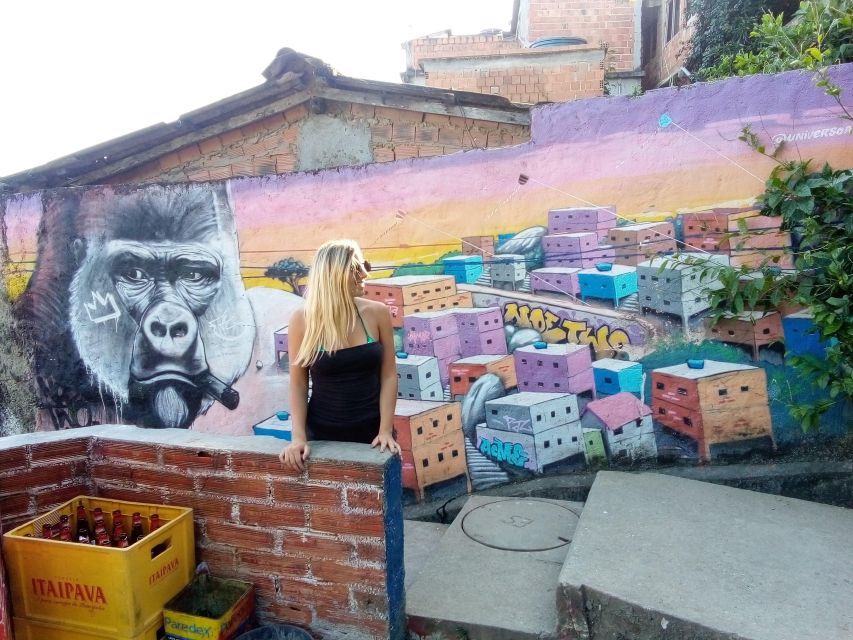
Inside the favela, you’ll see wall paintings and graffiti that are full of history and passion—art that’s doing more than decorating. You stop to understand what you’re seeing, not just where the best angle is for your camera.
These murals matter because they explain the community’s emotional landscape: struggle, pride, survival, and hope all show up in the same wall. When you learn how to look, the visuals stop being random and start feeling like a timeline or a set of personal letters taped to the city.
A practical tip: wear breathable clothing and keep your phone/camera strap secure. Paths can be tight and the pace changes when the guide stops to translate or tell a story. Bring a lens cloth too if you’re using a phone camera—dust and humidity can mess with crisp shots.
Coffee in a local home: a small break that changes the whole feel
One of the best parts is the chance to experience local life inside a house, where you’ll also have a coffee break. This is the moment where the tour stops being “a walk through” and starts becoming a conversation, even if it’s just in how the space is shared.
You’re not just consuming a drink. You’re seeing daily routines, meeting the rhythm of the home, and understanding that this is someone’s life—not an attraction.
Because this is a home setting, your guide’s earlier advice about respect becomes real. Keep your voice level, ask before photographing, and treat this as a welcome, not a checkpoint. If you do that, the coffee stop feels warm and grounded, and it often becomes the memory you talk about later.






Optional soccer with locals and the best way to join in
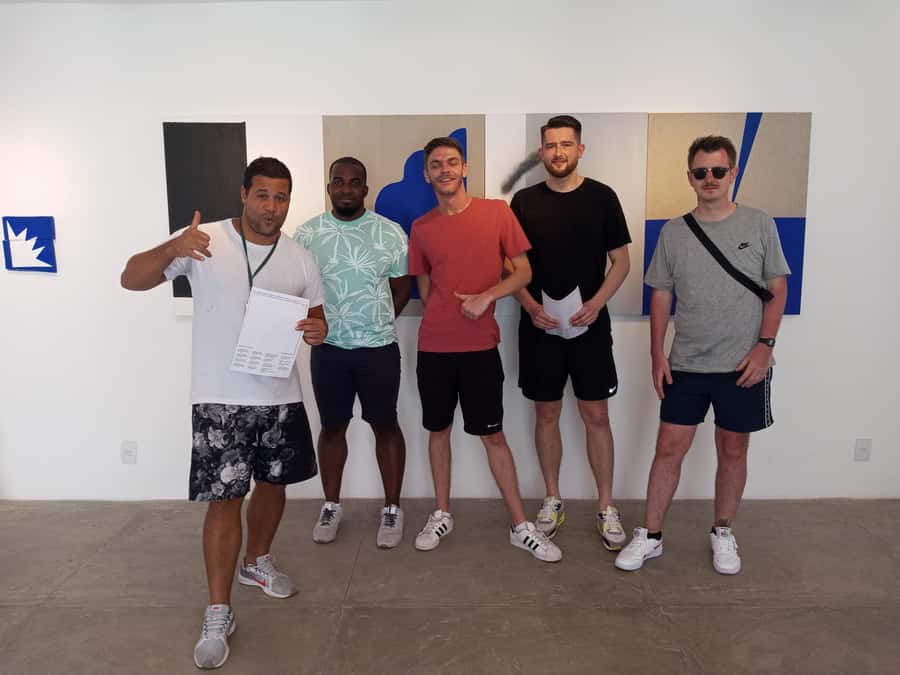
There’s an option to play soccer with locals during the tour. This is one of those add-ons that can be simple or seriously fun, depending on the group and space available. The best way to do it is with a flexible mindset: don’t arrive expecting pro-level play. Arrive expecting smiles, teamwork, and a chance to share a very shared part of Rio culture.
If you want to join, prioritize comfort. Sturdy sports shoes matter here, because the terrain can be uneven and the playing area may not be what you’re used to. Even if you don’t play, you’ll still get that extra slice of community connection—watching with respect counts.
The hilltop climb for the views: Ipanema, Leblon, Christ, Sugarloaf
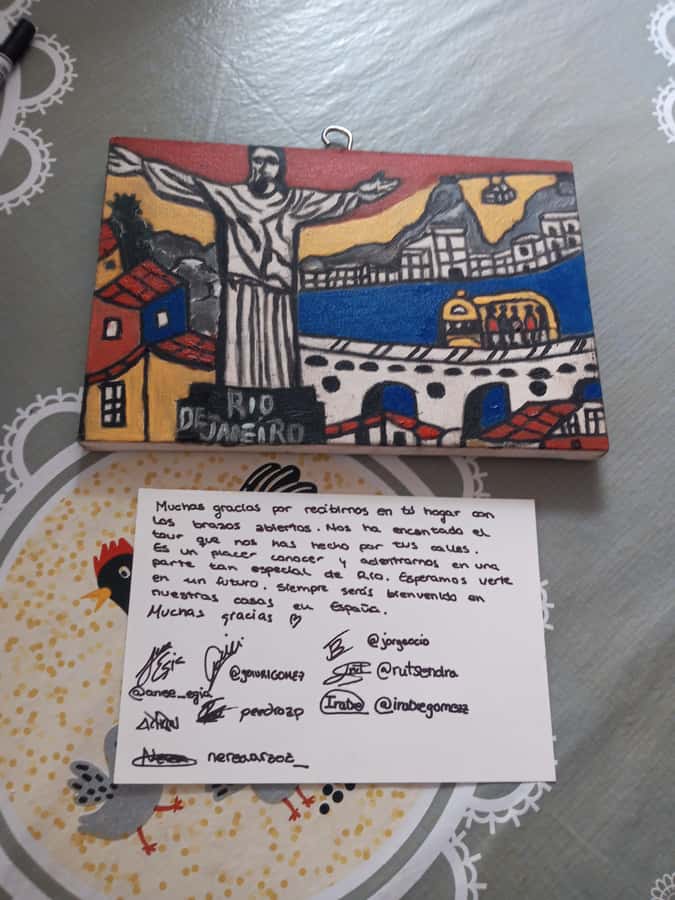
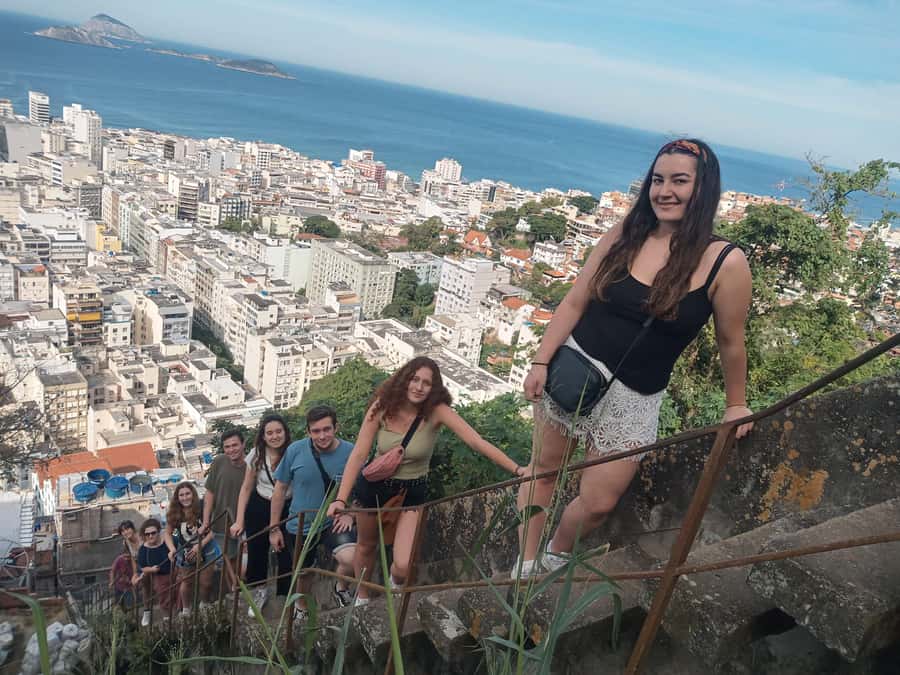
Then comes the part that makes people stop talking and start pointing: the climb to the top of the hill for sweeping views across Rio.
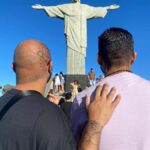
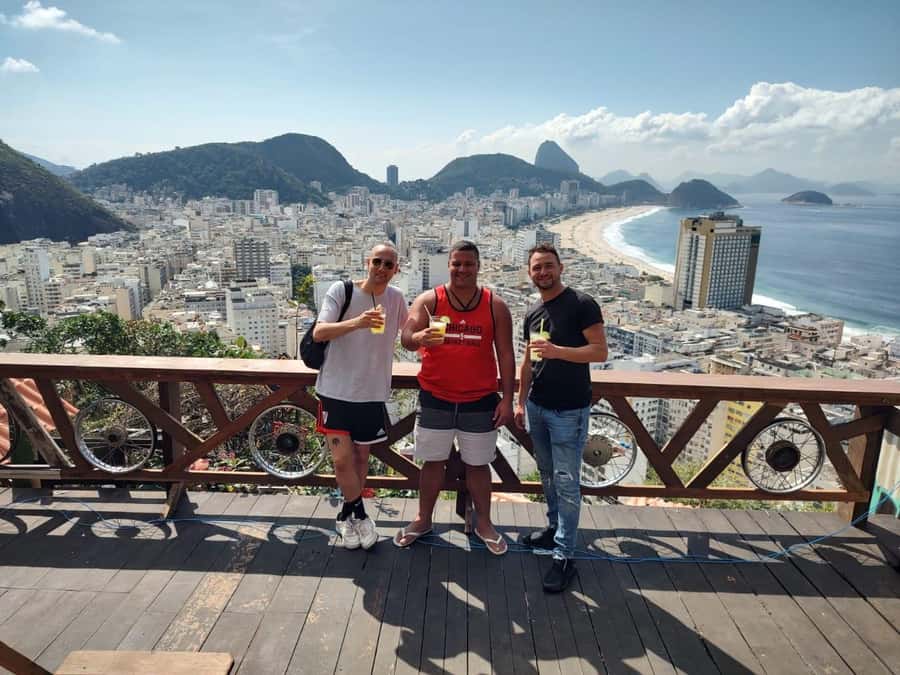
From up there, you can see Ipanema, Leblon, Copacabana, the Rodrigo de Freitas lake, Christ the Redeemer, parts of the jungle area, and a clear sense of the city’s scale. You also get views toward Sugarloaf. If Rio is the city of layers, this viewpoint shows you the layers at once.
And yes, this is where shoes earn their keep. The climb includes a lot of steps, so pace yourself. Bring water if your guide allows it and you’ve been told to. Take breaks when the group pauses—don’t try to “win” the climb.
The timing also matters. You’re building toward an end-of-tour moment that can include drinks, appetizers, and Brazilian music at the top. That’s when the viewpoint stops being scenery and turns into a shared celebration of the day.
The art gallery stop: painting, kids, and a local teaching focus
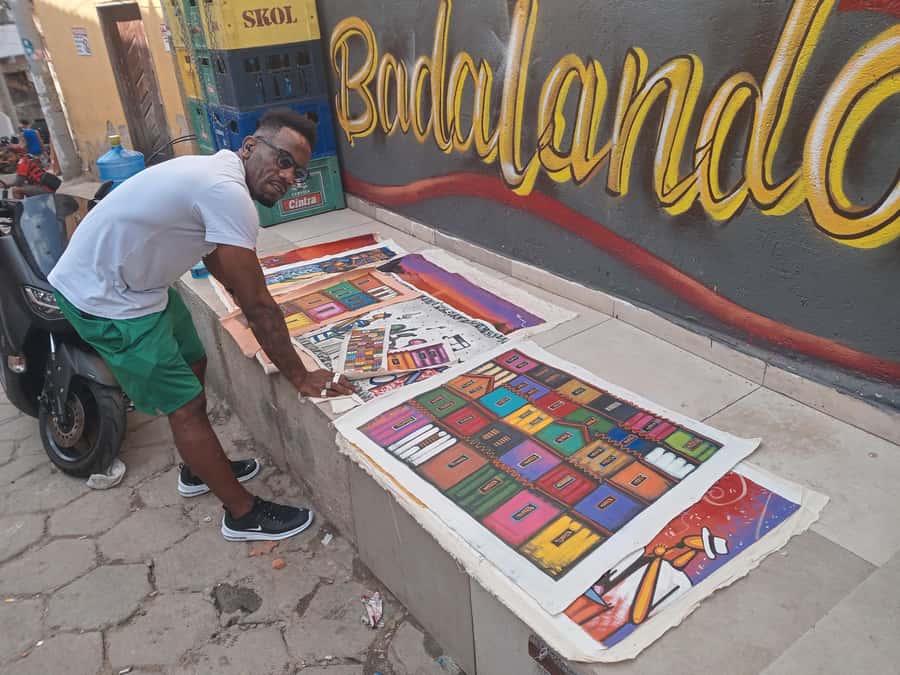
After the hilltop experience, the tour goes to a gallery connected with a very famous local who teaches kids how to paint and improve their lives. This part is valuable because it shifts the narrative from what you see on walls to what the community is building next.
Instead of leaving you with only impressions of struggle or only impressions of color, it adds a practical thread: creativity as opportunity. You get to see a different kind of local “infrastructure,” one made from mentors and art classes.
If you care about social impact in travel, this section is the bridge that makes the morning stops mean something beyond sightseeing.
Price and value: what $80 covers, and what you’ll still pay for
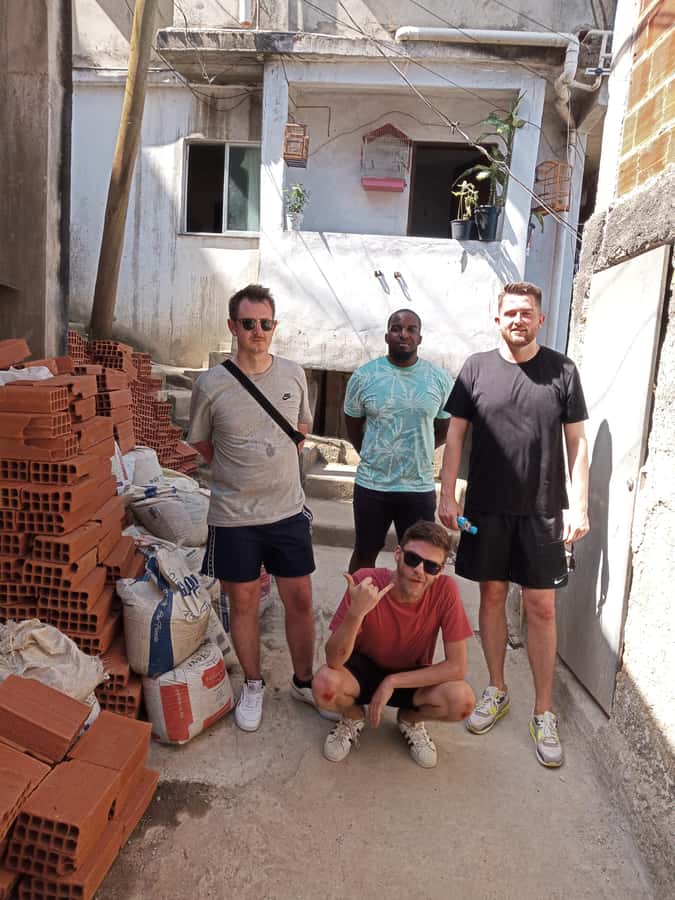
The price is $80 per person for this guided experience. That’s not cheap, but it’s also not just for walking. You’re paying for local access, guided context, and the ability to participate in moments that aren’t available on your own with the same safety framework.
Included basics:
- Coffee break
- Meeting point handling
- The guide experience and support
Not included:
- Food and drinks (even if there’s an aperitif/music finish, you’ll likely want cash for what you choose to have)
- Hotel pickup and drop off
- Gratuites (tips)
- Moto taxi
A key detail: you’re asked to bring cash to pay the local guide: $10. That’s small, but don’t skip it. Having cash helps the tour run smoothly and avoids awkward last-minute scrambling.
My practical advice on value: if you want a favela experience that focuses on art, community life, and viewpoints with context, this price starts to look fair. If your main goal is a quick panoramic stop only, you could find cheaper city viewpoints. But if you want the human layer behind those views, the cost makes more sense.
Practical packing: what to bring for comfort and respect
This is a walking-and-climbing day. The simple rule is: dress like you’re going to move.
Bring:
- Breathable clothing
- Sports shoes (you’ll thank yourself on the steps)
- Some cash for the local guide ($10) and for any drinks/appetizers you want at the end
Also think about your behavior. This is a community visit with real people living real lives. Be polite, go slow where the guide stops, and remember that your camera is powerful—use it gently.
Finally, a personal note on comfort: the hilltop portion can feel longer than you expect if you start too fast. Slow your pace early so you can enjoy the views without huffing through them.
Who should book, and who should skip this one
This tour is a good fit if you:
- Want a favela experience with street art, markets, and viewpoint access
- Care about understanding how communities express identity through murals and daily life
- Like getting a local guide who explains not only what you’re seeing, but how to behave while seeing it
It may not be right if:
- You’re pregnant, since it’s marked as not suitable for that situation
- You have mobility limits that make stair-heavy routes difficult (there are a lot of steps)
If you’re nervous about visiting a neighborhood like this, that doesn’t automatically mean you should skip it. The tour structure is designed around respect, guided movement, and clear instructions. Going in with calm curiosity helps a lot.
Should you book this Rio biggest favela tour?
If you want more than a postcard view and you’re ready to treat people with respect, I’d say book it. The strongest reasons are the combo of market and art, the graffiti storytelling, the coffee inside a local home, and the payoff of seeing Rio from high up after walking through real streets.
But if you’re expecting a luxury, low-walk experience, or you hate stairs, the climb part will feel hard. Also, be ready to budget a little extra for anything beyond the included coffee.
If you’re the kind of traveler who likes authentic moments—where the day is guided, the photos feel earned, and the city makes sense from street level—this is a very good match.
FAQ
Where do I meet for the tour?
You meet at Rua Sá Ferreira, 38, at the corner between Avenida Nossa Senhora de Copacabana and Rua Sá Ferreira.
How much does the tour cost?
It’s listed at $80 per person.
What language is the guide?
The live tour guide offers English, Portuguese, and Spanish.
What’s included in the price?
The included items are the coffee break and meeting point support, along with the guided experience.
Do I need to bring cash?
Yes. You’re asked to bring cash to pay the local guide ($10).
Are food and drinks included?
Food and drinks are not included. There may be opportunities for drinks and appetizers during the tour, but you should plan for extra spending.
Is pickup from my hotel included?
No. Hotel pickup and drop off are not included.
Is the motorcycle option available?
Yes, there is an option to get on the motorcycle for about 5 minutes straight to the middle of the favela. Moto taxi is not included.
Is this tour suitable during pregnancy?
No. It’s not suitable for pregnant women.