REVIEW · RIO DE JANEIRO
Rio de Janeiro: Lapa and Santa Teresa
Book on GetYourGuide →Operated by Kerotur Turismo e Eventos · Bookable on GetYourGuide
Rio’s bohemian climb feels oddly short.
This Lapa and Santa Teresa tour is a good example of pacing done right. With guide Aldo, the hours move fast, and you get human, respectful attention instead of a rushed checklist, plus a strong set of stops that explain why these places matter in real life.
I especially like the combo of Selarón Steps and Arcos da Lapa—it’s not just photos, it’s context you can actually remember. And the Santa Teresa train ride ties the whole area together, including the big historical note about the arches being linked to forced labor during the Portuguese colonial period.
One practical consideration: the tour cost mainly covers the guide and the included sights, while transport isn’t included, so you’ll need to plan for Uber/taxi/public transit (and any paid tickets or extras you choose).
In This Review
- Key points worth planning for
- A 6-hour Lapa and Santa Teresa run that actually feels short
- Meeting at PortoBay: what to look for and why it matters
- Escadaria Selarón: the stairs you can’t stop photographing
- Carioca Aqueduct photo stop: the quick hit that adds meaning
- Rio de Janeiro Cathedral: modern architecture with serious crowd power
- Lapa’s Arcos: history you can see and a photo moment you’ll keep
- Santa Teresa by train: a neighborhood you experience, not just visit
- Walking time and why the route feels right
- Guides, language, and the human touch
- Price and value: what $52 really covers (and what it doesn’t)
- Logistics: transport, cash, and what to bring so the day stays easy
- Rules that affect your comfort (quick but important)
- Should you book this Lapa and Santa Teresa tour?
- FAQ
- FAQ
- How long is the Lapa and Santa Teresa tour?
- What’s included in the tour price?
- What is not included?
- Where does the tour start?
- Are there any photography or camera rules?
- What should I bring for the day?
Key points worth planning for
- Selarón Steps: about 125m long with 215 steps, and famous enough to show up in pop culture.
- Arcos da Lapa + Santa Teresa train: the tram ride threads through the arches area for a “why this location” effect.
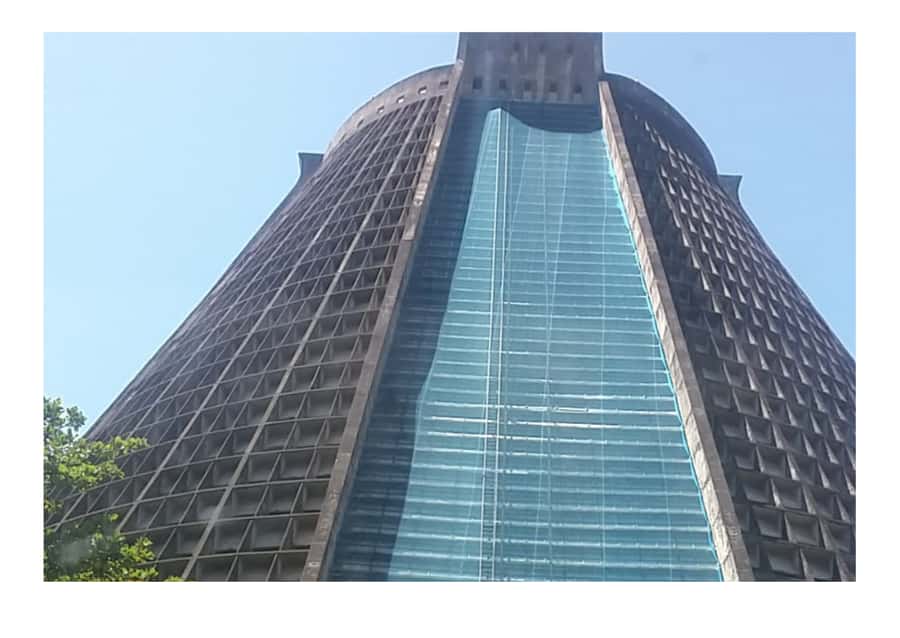
- Metropolitan Cathedral stop: modern architecture, plus a famous crowd story tied to Pope John Paul II in 1981.
- Local art, not just sightseeing: you can walk the neighborhood and buy pieces by local artists.
- Guide Aldo (and team): people tend to describe the tour as friendly, clear, and easy to follow, with time flying.
A 6-hour Lapa and Santa Teresa run that actually feels short
Rio has a way of making you feel like you need all day to see even one neighborhood. This tour doesn’t try to “do everything.” It chooses a tight loop that hits the Lapa classics and then rises into Santa Teresa, where the pace naturally slows down—streets get hillier, views get better, and the mood turns more local.
I like that the tour feels built around walking plus a real transit moment. The Santa Teresa tram ride isn’t filler. It’s how you experience the area as Rio intended: moving through it, not just standing at a few corners.
Price-wise, it’s about $52 per person for 6 hours with a guide included. That’s not the kind of deal where you’re trying to squeeze pennies out of the day. It’s more like paying for a well-organized route, someone to translate what you’re seeing, and built-in stops at the highlights you’d otherwise need to stitch together yourself.
You can also read our reviews of more tours and experiences in Rio De Janeiro.



Meeting at PortoBay: what to look for and why it matters

The meeting point is the reception at Hotel PortoBay Rio de Janeiro. If you’re staying nearby, this is simple. If you’re not, plan your arrival so you’re not hunting for the group right before start time.
The guide is easy to spot: all blue Kerotur uniform, a panama hat, and a badge. They’ll meet you there, confirm you understand what’s included, and then you’re off.
This matters because Rio is big and neighborhoods can be tricky in the heat. A clear meeting point makes the tour feel smooth instead of chaotic.
Escadaria Selarón: the stairs you can’t stop photographing
The day kicks off at the Selarón Steps, one of Rio’s most visited sights for a reason. These aren’t just steps. They’re a long, colorful climb—about 125 meters and 215 steps—lined with tiles that have turned the stairway into a walking landmark.
What you get from a guided approach is not only the where, but the why. You’ll hear the story behind the place and the significance of the steps in Rio’s visual identity. And yes, people know them beyond Rio. They’ve even been featured in a Snoop Dog video, which is one of those fun details that makes the tour feel connected to the broader world.
Timing tip: wear shoes you can climb in comfortably. You don’t need hiking boots, but you do need real grip. And bring water and sunscreen—Rio sun can hit faster than you expect, even when you think you’re just “walking a short distance.”
Carioca Aqueduct photo stop: the quick hit that adds meaning
After the stairs, you’ll connect on foot and reach the Carioca Aqueduct for a photo stop. This is one of those moments where you benefit from having someone explain what you’re looking at.
The aqueduct adds a layer of “Rio beyond beaches.” It’s the kind of historic infrastructure that quietly shaped how the city functioned, and it gives context as you move through older central areas.
This portion is short by design. It’s not a museum stop. It’s a visual waypoint before the religious and neighborhood stops that follow.
Rio de Janeiro Cathedral: modern architecture with serious crowd power
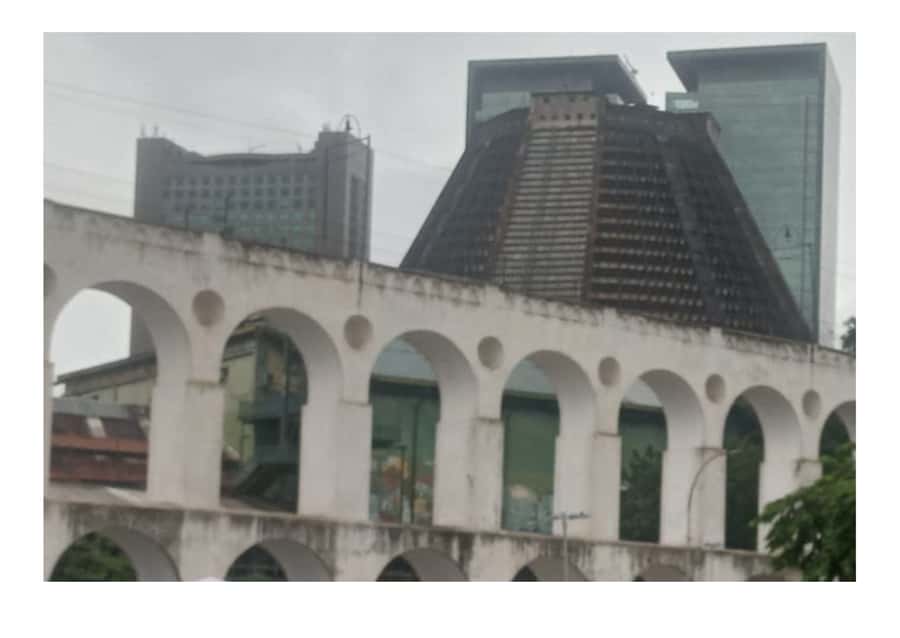
Next up is the Metropolitan Cathedral of Rio de Janeiro. The architecture is modern, and the place is huge—designed to hold around 8,000 people standing. Here’s the head-turning detail: during Pope John Paul II’s 1981 visit, 20,000 people were present.
That kind of story changes how you look at a building. It’s not only impressive. It’s a place that can handle big moments, not just quiet ones.
The visit is brief, around 20 minutes, which is just enough time to see the main interior and get your bearings without turning it into an endurance test. If you’re sensitive to crowds or want slower pacing, just know the cathedral is a major attraction, so expect some bustle.
Practical note: flash photography isn’t allowed in the experience rules, so keep your camera settings ready for ambient light.



Lapa’s Arcos: history you can see and a photo moment you’ll keep
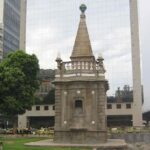
Then you reach Arcos da Lapa, the arches that are the visual anchor of Lapa. The experience ties them to the Santa Teresa tram ride, and that connection is where the tour earns its keep.
You’ll hear that the tram passes through the arches, and you’ll also learn the hard history linked to their construction—described as the largest work built by slaves during the Portuguese colonial period. This isn’t a light trivia stop. It’s part of understanding how these iconic structures were made.
And yes, it’s still beautiful in a travel-photo sense. But the guide helps you see it as a living reminder of the past, not just a backdrop.
Santa Teresa by train: a neighborhood you experience, not just visit
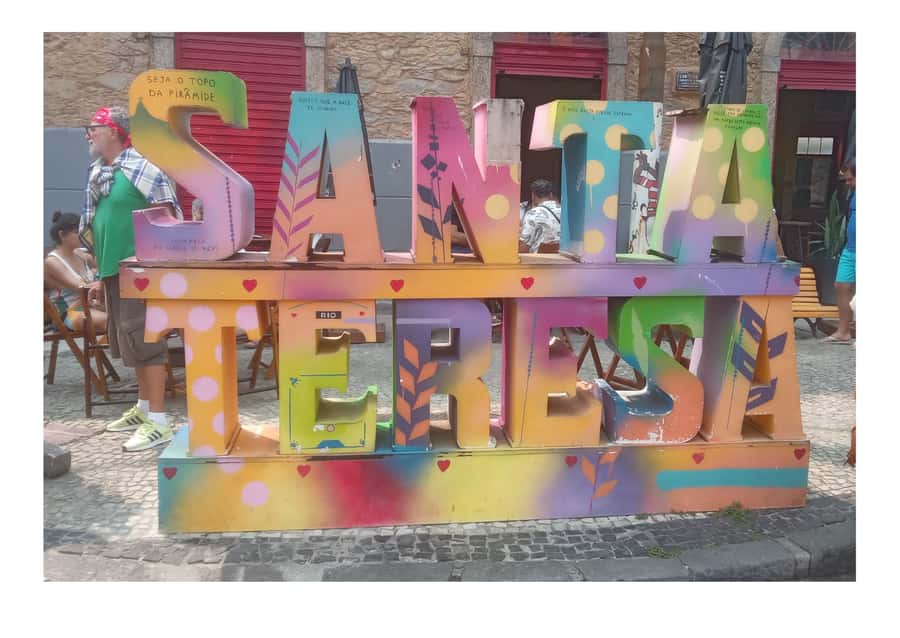
Santa Teresa is where Rio’s personality shifts. You get smaller streets, more views, and an arts-and-craft feel that feels more personal than the usual tourist corridors.
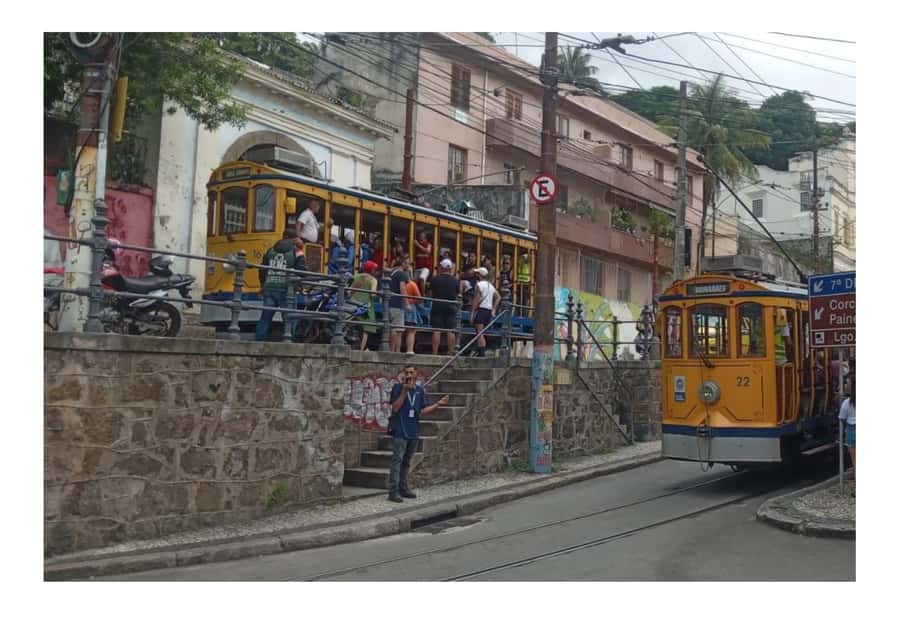
The tour includes a train ride in Santa Teresa. The tram line passing through the Arcos da Lapa area is a big deal because it turns the arches from a static monument into a real part of movement. It’s like you’re tracing a story across the landscape—one you can feel through the ride.
Once in Santa Teresa, you’ll have time to walk the neighborhood, see works by local artists, and even purchase art if you want. This is one of the best parts for me, because it’s not only about consuming images. It gives you the option to take something home that reflects local creativity.
A note on spending: tickets for attractions and extra paid photos (studio-style) aren’t included, and souvenirs are also on you. That doesn’t make the tour expensive—it just keeps the tour price cleaner, and you decide how much you want to add.
Walking time and why the route feels right
The tour mixes short walks with built-in stops. There are on-foot segments between major locations, so you should expect uneven sidewalks and some stairs.
Comfortable shoes are a must. Not just for your feet—comfortable shoes also keep your energy up so you can enjoy the viewpoints instead of rushing because your legs are angry.
Also, bring water. The experience explicitly suggests it, and I agree. In Rio, hydration isn’t a luxury.
Guides, language, and the human touch
Kerotur runs the tour and provides a live guide, with languages listed as Portuguese, English, Spanish, and French. In practice, you’ll probably find it easy to get answers, especially if you pick a language you’re comfortable with.
A big theme in how people rate this tour: the guide makes time feel like it’s passing quickly and treats people in a personal, humane way. That’s the difference between a tour where you follow a person and a tour where a person helps you connect the dots.
Guide Aldo is specifically mentioned as enthusiastic and clear, especially with French speaking. If language comfort matters to you, that’s a good sign.
One more detail: the guide will take pictures for participants and also for Kerotur’s Instagram. That can reduce your photo stress. Just remember the rules also note flash photography isn’t allowed, so be ready for regular camera shots in available light.
Price and value: what $52 really covers (and what it doesn’t)
Let’s talk value without sugarcoating it.
What you pay for:
- A tour guide
- Visits to the Metropolitan Cathedral, Arcos da Lapa, Selarón Steps
- The Santa Teresa train ride
- Time to see and potentially buy local art
What you should budget separately:
- Transport to and from the meeting point and between any points that require it
- Tickets at attractions where you might need them
- Food and drinks
- Any paid studio photos at tourist attractions
- Parking (if you drive)
So the tour is great if you’re the type of traveler who likes a structured plan with excellent sights, but you still want to control extra costs. It’s also a good choice if you want someone to handle the logic of where to go next, so you don’t spend the day checking maps and second-guessing bus routes.
For solo travelers, the “private group” format can be a bonus because you’re not stuck with strangers’ pace. You might still share moments with others depending on how the day is run, but the intent is private.
Logistics: transport, cash, and what to bring so the day stays easy
Because transport isn’t included, you’ll want a plan for getting to PortoBay and any travel between stops if needed. The experience suggests using Uber when possible, and also mentions taxi or public transport as options.
Bring:
- Comfortable shoes
- Camera
- Sunscreen (and the instructions specifically ask for biodegradable sunscreen)
- Water, ideally in a reusable bottle
- Cash and a charged smartphone
- ID (and a passport or ID card copy accepted)
- Biodegradable insect repellent
Also, have change and a credit card for transportation and any paid tickets you choose. Rio is one of those places where being prepared for small purchases helps the day flow.
Rules that affect your comfort (quick but important)
The experience has a clear list of what’s not allowed. The main items that affect your day-to-day comfort:
- High-heeled shoes aren’t allowed (plan for real soles)
- Pets, weapons or sharp objects are not allowed
- Flash photography is not allowed
- Smoking isn’t allowed in the vehicle
- Oversize luggage isn’t allowed
And for comfort and safety:
- Wheelchair users aren’t suitable
- People over 350 lbs (159 kg) aren’t suitable
- People without a driver’s license aren’t suitable
- People over 95 years aren’t suitable
- Children under 3 ft / 90 cm aren’t suitable
If you’re near the edges of any of these limits, double-check before booking so you’re not disappointed on day-of logistics.
Should you book this Lapa and Santa Teresa tour?
Book it if:
- You want the classics (Selarón Steps, Arcos da Lapa, the Cathedral) in one tight 6-hour format
- You value a guide who explains the meaning behind what you’re seeing, not just where to stand for photos
- You like art and neighborhoods, and you’d enjoy time to browse and possibly buy local work in Santa Teresa
- You prefer a private-group feel over a large crowd experience
Skip or reconsider if:
- You don’t want to manage transport costs or you hate planning separate movement to/from the meeting point
- You need fully accessible routes (wheelchair users aren’t suitable)
- You’re expecting the price to cover everything like meals and tickets (it doesn’t)
If you’re doing Rio on a tight schedule, this tour hits a strong sweet spot: landmark sights plus a real neighborhood experience, tied together with that Santa Teresa tram ride through Arcos da Lapa.
FAQ
FAQ
How long is the Lapa and Santa Teresa tour?
The tour lasts about 6 hours.
What’s included in the tour price?
You get a live tour guide, visits to the Metropolitan Cathedral of Rio de Janeiro, Arcos da Lapa, Selarón Steps, and a train ride in Santa Teresa. You’ll also have the opportunity to see and purchase local art.
What is not included?
Transport, parking, tickets, and food, beverages, and desserts are not included.
Where does the tour start?
The meeting point is at the reception of Hotel PortoBay Rio de Janeiro.
Are there any photography or camera rules?
Flash photography is not allowed.
What should I bring for the day?
Bring comfortable shoes, a camera, sunscreen, water (a reusable bottle is suggested), biodegradable sunscreen and biodegradable insect repellent, cash, a charged smartphone, and ID (passport or ID card; a copy is accepted for children).